The New Rules for Digital Boarding Passes Are Stressing Travelers Out
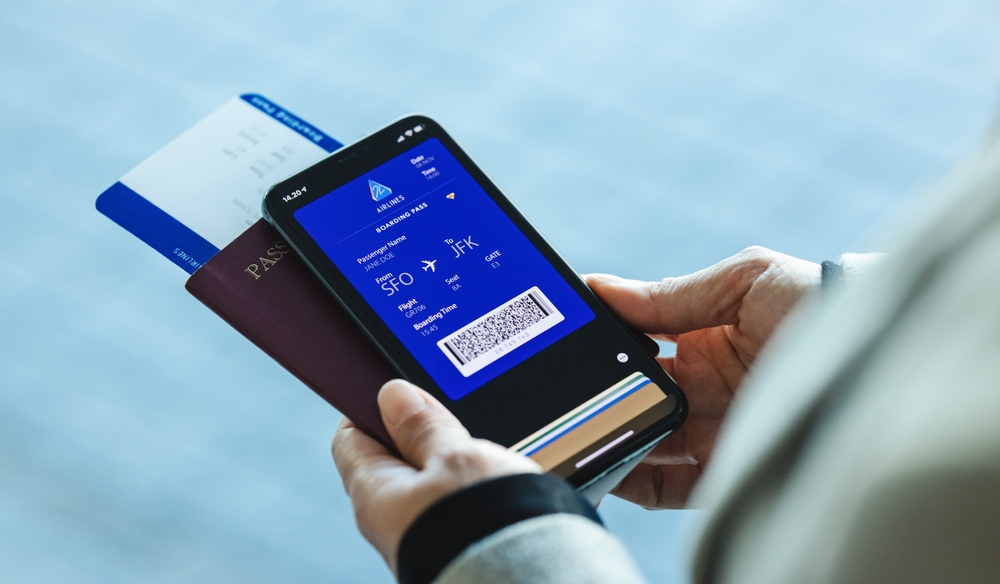

You checked in, packed your bag and made it to the airport with time to spare. Then comes a distinctly modern travel worry: What percentage is your phone battery? Airlines are steadily steering passengers away from familiar paper boarding passes and toward screens, apps and digital credentials. For many travelers, that is wonderfully convenient. For others, removing the humble piece of paper means losing one reassuring backup when travel inevitably gets complicated.
Paper Is Already Getting Harder to Find
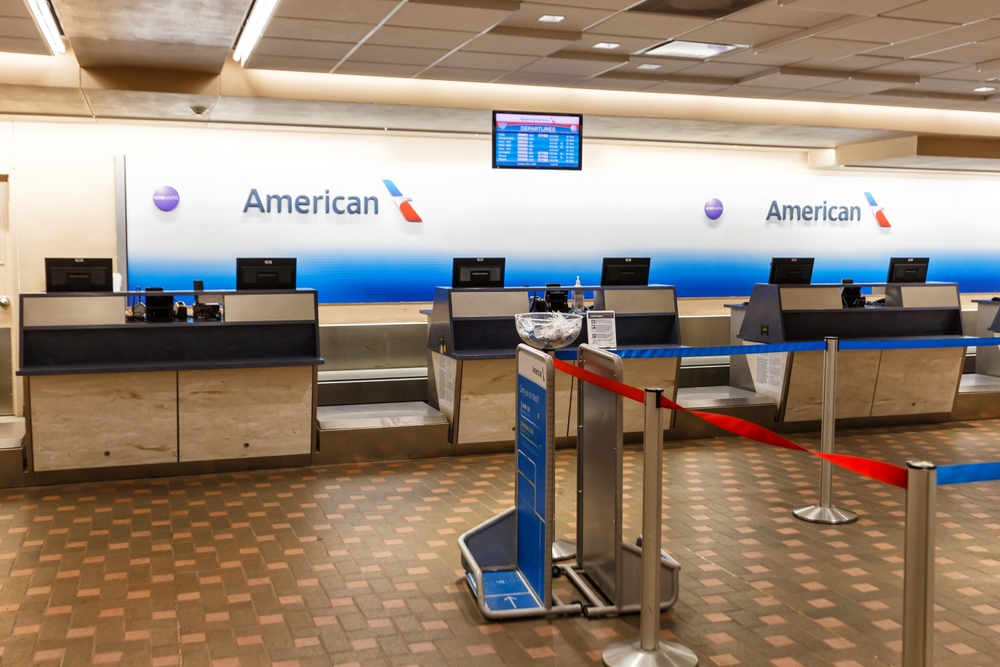
The transition is no longer theoretical. American Airlines changed its kiosks so boarding passes are not automatically printed, requiring passengers to request paper at check-in. Emirates has required most passengers departing Dubai to use mobile boarding passes since 2023, while maintaining exceptions for travelers who need paper. Ryanair went much further on November 12, 2025, when it stopped routinely issuing or accepting paper boarding passes as part of its digital-first system.
Most Travelers Actually Like Going Digital
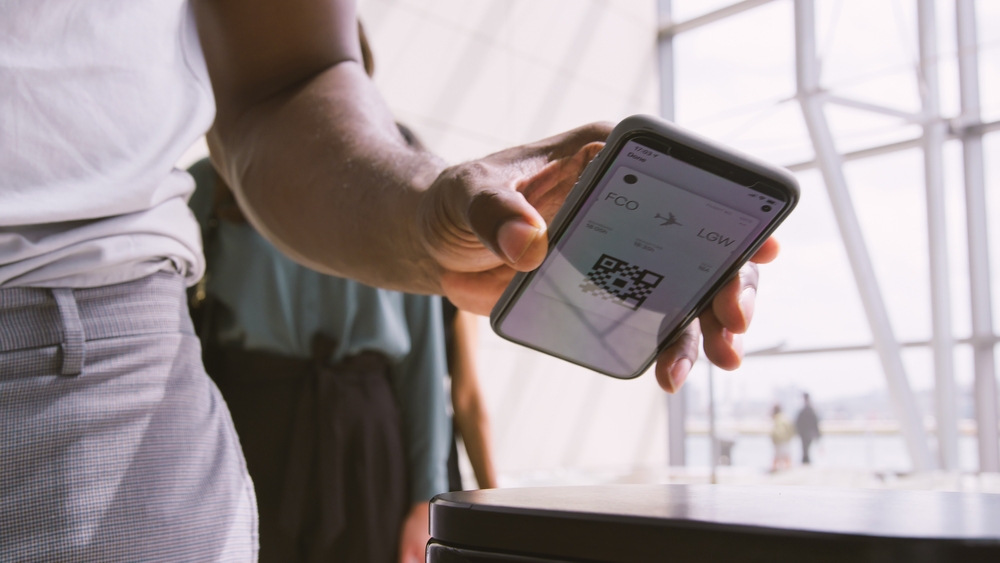
Airlines are not making this shift in a vacuum. In IATA’s 2025 passenger survey, 78% of travelers said they wanted to use smartphones to manage as much of their journey as possible, including check-in and boarding. Digital passes are difficult to misplace, can sit alongside other travel information on a device people already carry and eliminate another document to manage while navigating security and crowded terminals.
The Trouble Starts When Your Phone Does

Convenience can disappear quickly when a battery hits 1%, a phone goes missing or airport connectivity refuses to cooperate. Unlike paper, a digital pass depends on functioning technology at precisely the moment you need it. One practical workaround is to download the pass before reaching the airport and save a screenshot with the entire barcode visible. Keeping a portable charger handy also becomes considerably more important when your phone is effectively your ticket through the terminal.
Not Everyone Travels With the Same Technology
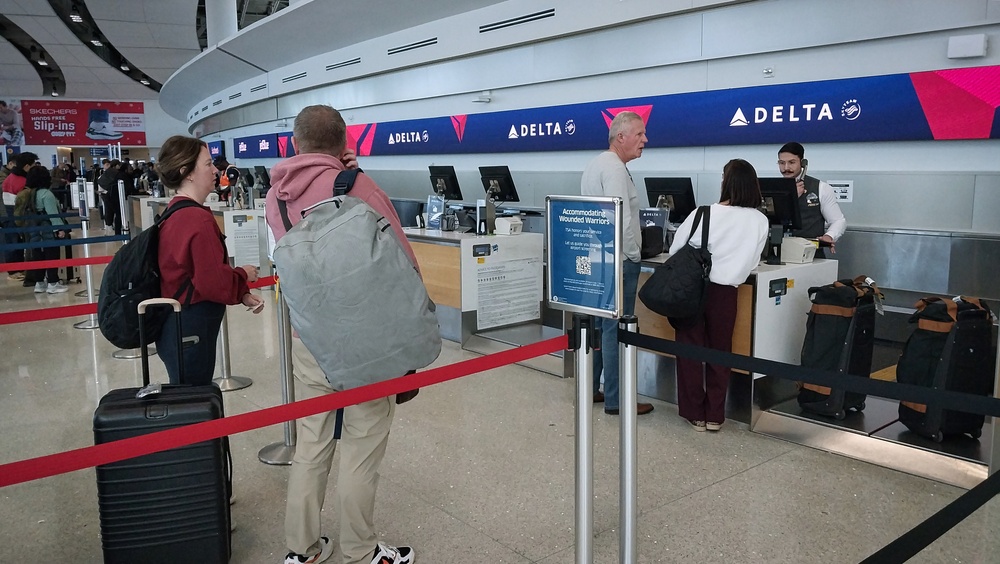
The bigger concern is accessibility. Age Action in Ireland has warned that digital-only policies risk “digital exclusion,” particularly for older passengers who may not own smartphones or feel comfortable navigating airline apps. Other concerns extend to travelers using older devices or limited data plans and people with disabilities who may find handing over a printed document easier than moving through multiple screens. A system that feels effortless to one passenger can create another obstacle for someone else.
Airlines See Speed, Savings and Less Waste

From the airline perspective, the appeal is straightforward. Carriers argue that digital boarding can streamline airport operations, reduce printing costs and cut paper waste. Paper also has an obvious limitation: it cannot update itself when a gate or flight time changes. A phone can deliver live information while storing the boarding credential in the same place, making the entire process potentially more responsive as schedules change.
Boarding Passes May Be Only the Beginning
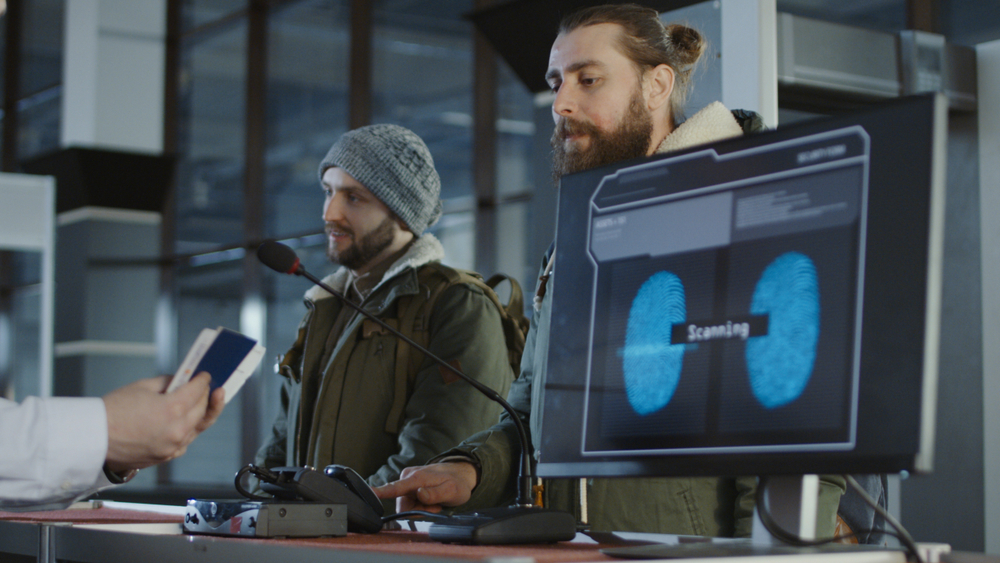
The longer-term transformation goes well beyond replacing paper with a QR code. Recent IATA proofs of concept tested digital identity systems that allow travelers to share identity information before a trip and use biometric verification at airport checkpoints. Trials involving Japan Airlines, Air New Zealand and IndiGo demonstrated different ways digital wallets and biometric processing could reduce repeated physical-document checks during international journeys.
The Future Could Be Your Face
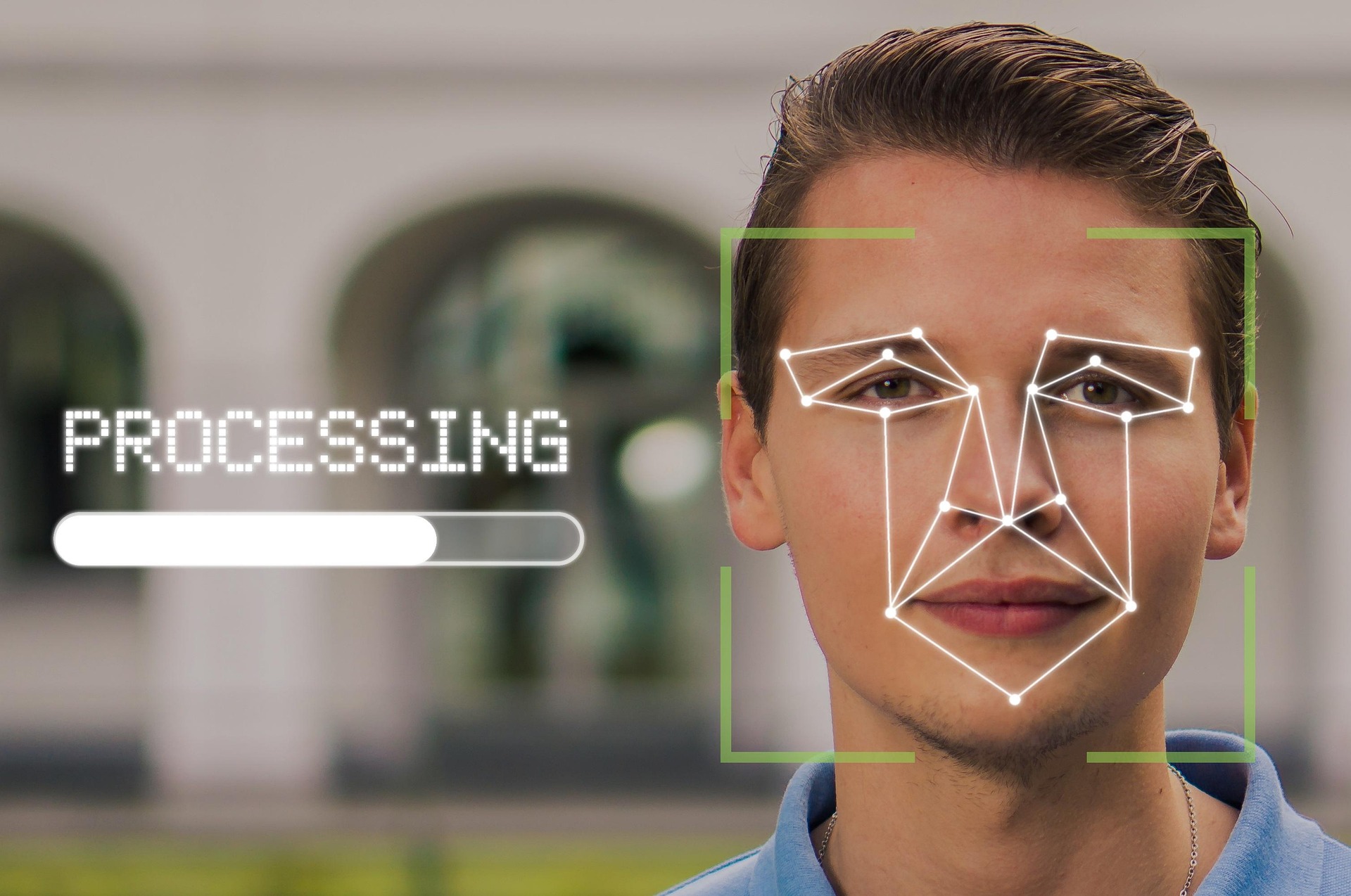
ICAO has also been working toward a system in which traditional boarding credentials could eventually give way to digital journey credentials and biometric identification. The basic idea is that instead of repeatedly producing a passport and boarding pass, a passenger’s verified digital identity could move with the itinerary while biometric scans confirm who they are. That could mean fewer stops and documents, although implementing such systems internationally requires cooperation among airlines, airports and governments.
For Now, A Little Preparation Goes a Long Way
Until these systems become seamless, travelers have reason to build their own backup plan. Downloading a boarding pass before leaving reliable Wi-Fi, saving it to a digital wallet or taking a screenshot can reduce dependence on airport connectivity. Travelers should also check the rules for their particular airline and destination rather than assuming every airport handles digital passes identically. And boarding-pass images should stay off social media because their barcodes and booking information can contain sensitive travel data.
The Real Test Will Be What Happens When Technology Fails
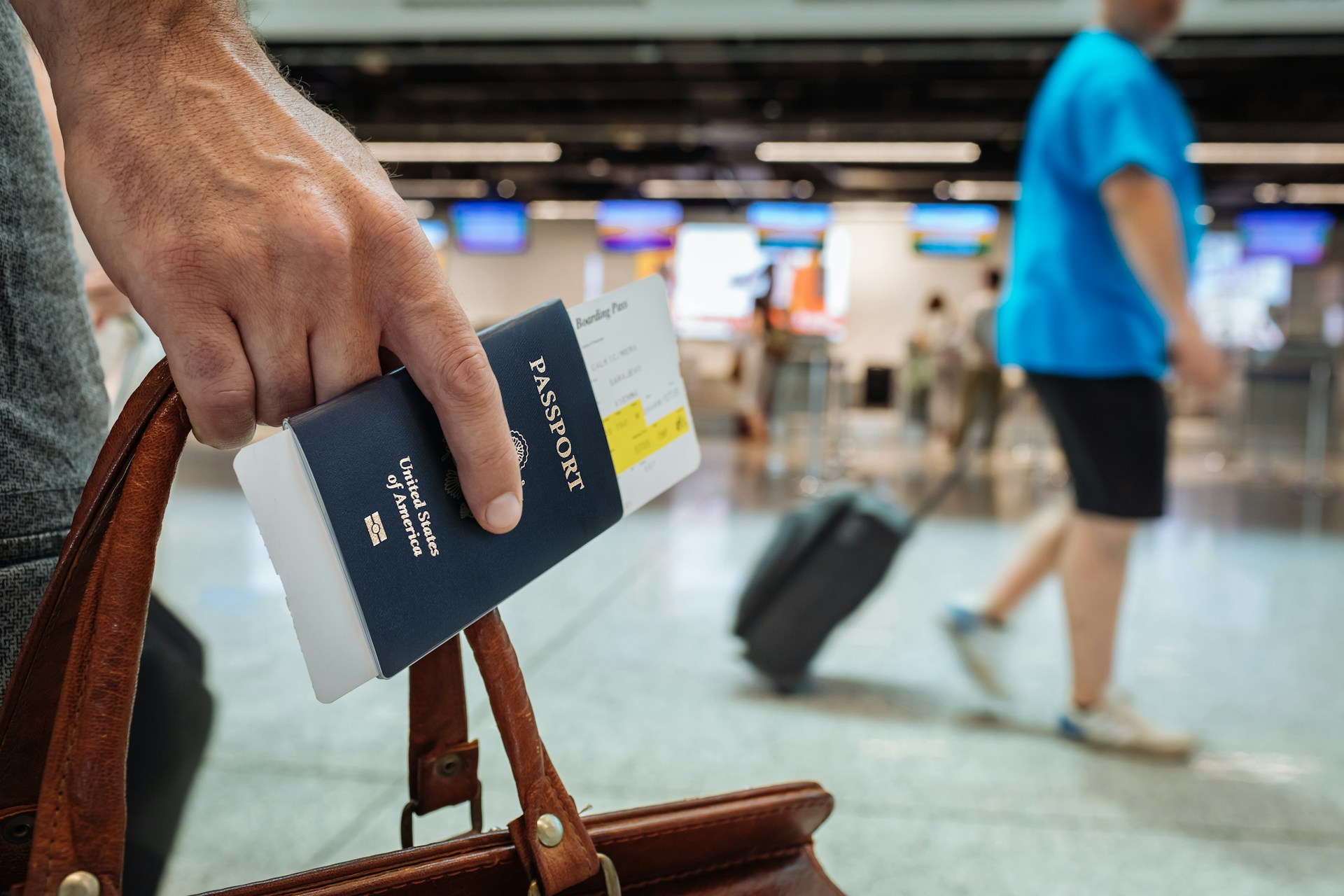
The paper boarding pass may eventually become a travel relic, but the success of its replacement will depend on more than how smoothly digital systems work on a good day. Airlines, airports and governments will also have to decide what happens when someone arrives with a dead phone, cannot use an app or cannot participate easily in biometric processing. The technology for increasingly paperless travel is advancing. The question now is whether the backup systems will advance with it.