The New Roommate Trend Helping Renters Cut One of Their Biggest Household Expenses


A 25-year-old moving to New York usually pictures splitting an apartment with people roughly his own age, maybe from a listing app or a college friend of a friend. Charles Jones III ended up somewhere completely different. When his internship-provided housing in Manhattan ran out, he moved into the home of a woman about 50 years older than him, a stranger he had never met before applying to a housing program built specifically to pair people like them.
Jones needed an affordable place fast. Most Manhattan rentals were far outside his budget once fees and deposits got added on top. Through his internship supervisor, he learned about a program run by the New York Foundation for Senior Citizens that matches renters with older homeowners who have a spare room. He applied and was matched with a woman who owns a home in Jamaica, Queens. He now has the entire second floor to himself for $800 a month.
There are ground rules attached to the arrangement: no overnight guests, no bringing his own furniture, cleaning up after himself. There is no curfew, though. This is not an isolated, one-off favor between two people who happened to meet. It is a formal, nonprofit-run program responding directly to just how unaffordable New York City rent has actually become.
New York’s Median Rent Just Hit $4,200 a Month, Triple the National Rate
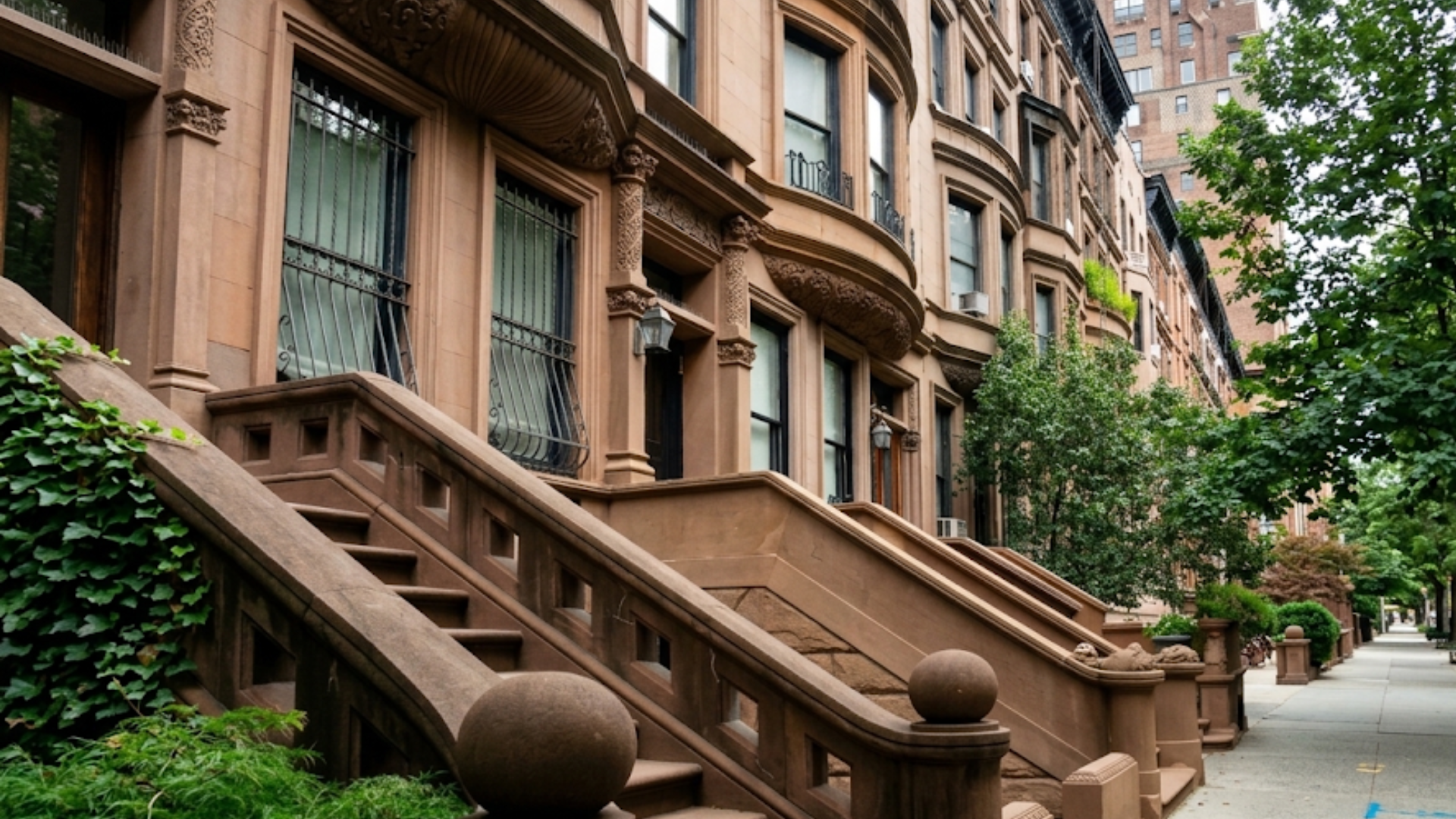
The scale of the affordability problem is not subtle. The median asking rent across New York City reached $4,200 in July 2026, up 30% from July 2019, according to the real estate listings site StreetEasy. In Manhattan specifically, that median climbs to $4,995. The national median rent that same month was just $1,388, according to a separate report from Apartment List.
The New York Foundation for Senior Citizens originally matched only senior citizens with each other. That changed. Linda Hoffman, the foundation’s president and CEO, explained why once the need became obvious. “We realized there are these younger that need affordable housing as well,” she said, describing new graduates and recent transplants who don’t yet know anyone in the city. Hosts on the program charge an average monthly fee of just $1,108, according to foundation data.
Interest from younger New Yorkers has climbed steadily each year since the program opened up to them. In the 2023-24 fiscal year, people 30 or younger made up 16.1% of home-share matches. That share rose to 18% the following year, then to 20.4% in the fiscal year that ended this past June. Jones and his new roommate are far from the only version of this trend playing out across the city right now.
Her Elderly Roommate’s Cooking Text Went Viral. 3 Million People Watched.
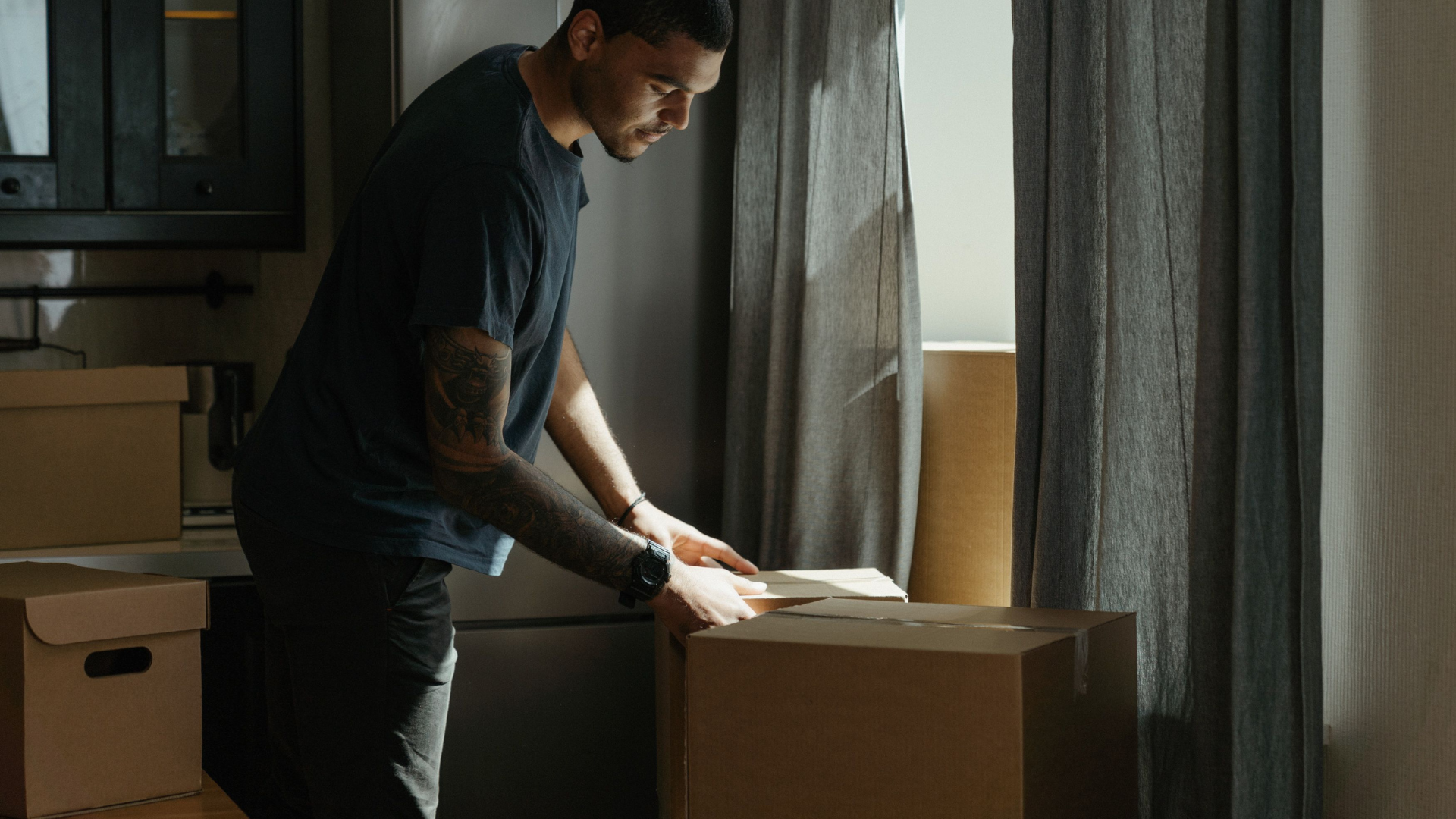
William Swanson, a 22-year-old from Massachusetts, needed a short-term place while he waited for his friends to relocate to the city so they could eventually find an apartment together. Most short-term rentals near his job started around $2,500. Then he found a listing from Aleyda, a 70-year-old, primarily Spanish-speaking woman renting a room in Midtown East for $1,900 a month. “I’d rather live with a lovely, nice older woman,” Swanson said, describing his reasoning at the time.
Katie Rettig, 32, took an even more unusual route when she needed housing quickly before starting a new job. A Google search led her to Sacred Heart, a convent in Chelsea, where she paid $1,500 a month and the nuns cooked dinner every night. She stayed two months, then moved to Saint Mary’s Residence on the Upper East Side, paying $1,100 a month for nearly a year. “I loved living with the nuns,” Rettig said.
None of these stories describe permanent living situations. Jones, Swanson, and Rettig all treat their unconventional housing as a deliberate, temporary bridge rather than a lifestyle choice they plan to keep forever. That distinction matters for understanding what these arrangements are actually accomplishing, and it points toward a bigger question about what young New Yorkers are really buying with the money they save.
A Majority of New Yorkers Now Qualify as ‘Rent-Burdened’

The broader backdrop makes these choices look rational. A majority of New Yorkers are now considered “rent-burdened,” meaning they spend more than 30% of their gross income on rent and utilities, according to a 2024 report from the New York City Comptroller’s Office. In Manhattan specifically, a household would need to earn roughly $199,800 a year just to avoid that classification, based on StreetEasy’s July 2026 median rent figures.
For the people actually living this way, the appeal is not really the novelty. It is the math. Jones said staying in his current arrangement for two or three years could help him pay off his student loans while saving enough to eventually afford a place of his own. Rettig described the extra room in her budget in simpler terms: money for travel, food, and other basic expenses that have quietly become luxuries for plenty of young renters.
None of this used to sound like an aspirational story. A twentysomething moving in with a stranger decades older, or into a convent with a curfew, once read as a last resort, not something worth posting online for millions of views. That it now reads as clever, even enviable, says less about these particular young renters and more about how far the ordinary version of affording New York City has quietly slipped out of reach.