The Mysterious Object That Sparked a Lockdown at A Louisiana Air Force Installation Last Month
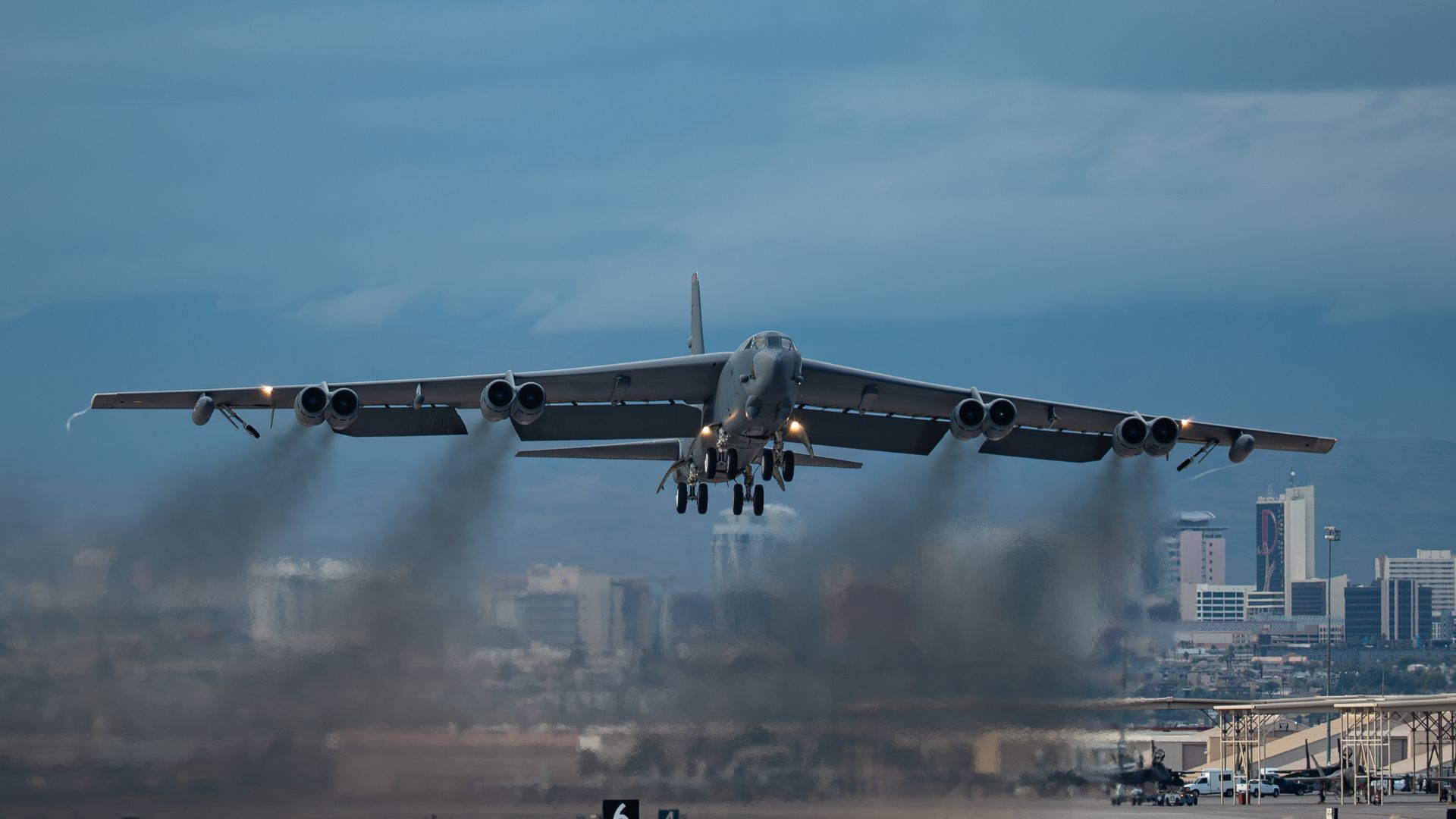

What started as a single drone report at one of the Air Force’s most strategically sensitive bases turned out to be something far more extensive. Over six days in March, security forces at Barksdale Air Force Base in Louisiana tracked multiple waves of unmanned aircraft operating over restricted airspace, including directly above the flight line where B-52H Stratofortress bombers are stationed.
The shelter-in-place was lifted the same day, but the incident was more involved than initial reports suggested. Base officials with the 2nd Bomb Wing confirmed the drone sighting and noted that the matter was being handled in coordination with local authorities and the Federal Aviation Administration. The base’s Force Protection Condition was raised to FPCON Charlie, a level reserved for situations where some form of threat to personnel or facilities is considered likely, according to the Defense Logistics Agency.
Community members near the base received text messages before 6 a.m. that morning notifying them of the shelter-in-place order, some of which were shared publicly on social media, according to The Shreveport-Bossier City Advocate. Base officials later confirmed the incident was ongoing and emphasized that unauthorized drone activity over a military installation carries criminal penalties under state and federal law, including significant fines and imprisonment.
What Investigators Found Was Far More Extensive Than One Drone
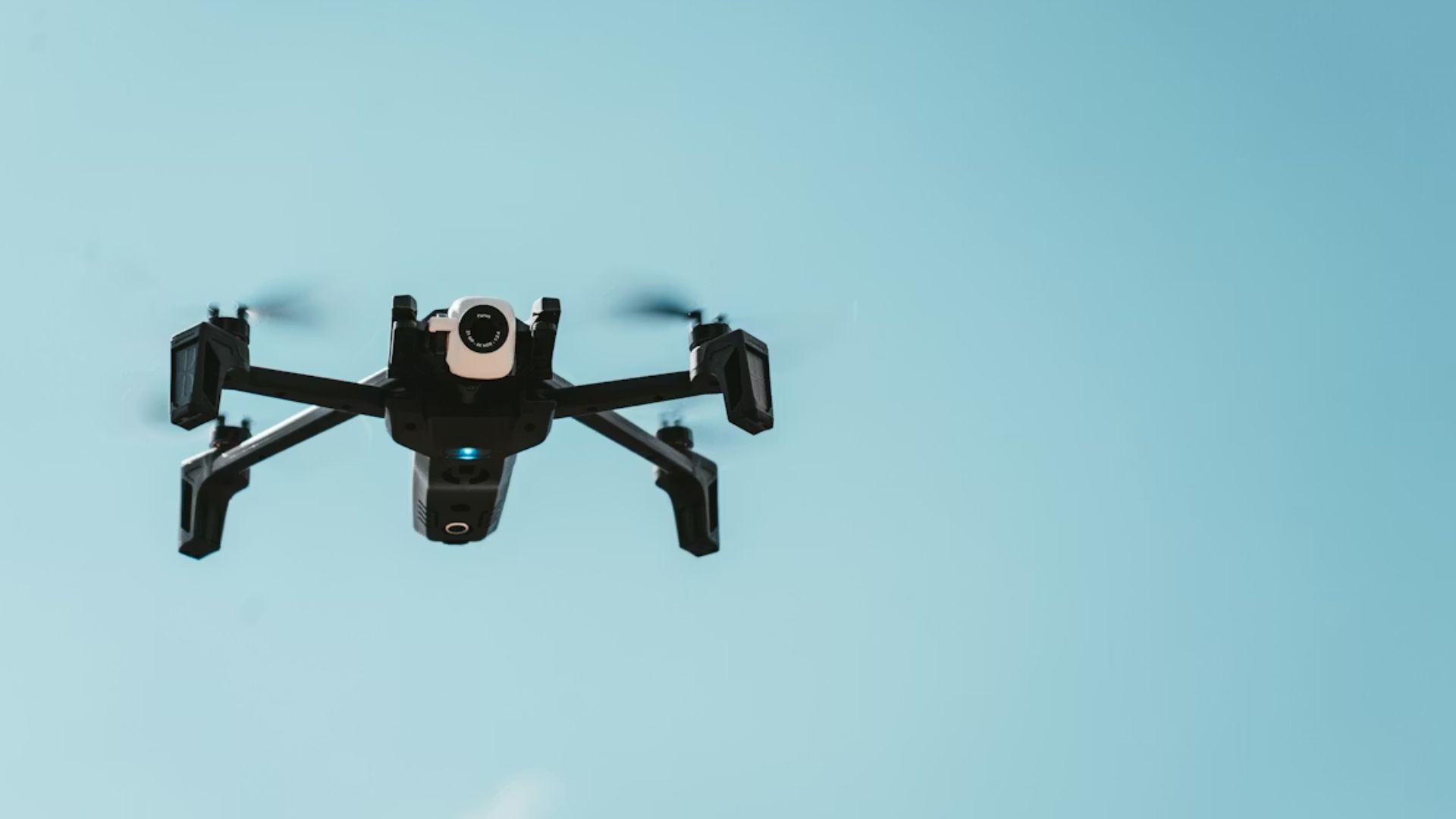
The March 9 incident was not an isolated sighting. A confidential internal briefing document dated March 15, reviewed by ABC News, revealed that security forces at Barksdale observed multiple waves of 12 to 15 drones operating over sensitive areas of the installation between March 9 and 15, including the flight line. Capt. Hunter Rininger of the 2nd Bomb Wing confirmed the additional incursions in a statement to ABC News, noting they had not been previously reported.
The drones did not behave like typical hobbyist aircraft. According to the briefing document, they displayed non-commercial signal characteristics, used long-range control links, and showed resistance to jamming. The document noted that the drones appeared to be custom-built and required advanced knowledge of signal operations to operate. After reaching multiple points across the installation, the aircraft dispersed across the base.
The drones came and went in a pattern that raised additional concern. Flights lasted roughly four hours each day, and the drones used varied routes when entering restricted airspace, along with deliberate maneuvering once inside. The briefing noted that the entry and exit behavior may indicate attempts to avoid having the operator or operators located. No drone activity was detected on March 13 and 14, according to the document, though it was unclear at the time whether incursions had resumed after that.
Security Experts and Officials Flagged the Incursions as Deliberate
Analysts who reviewed the briefing assessed with high confidence that unauthorized drone activity at Barksdale was expected to continue in the near future. Mick Mulroy, a former deputy assistant secretary of defense and ABC News contributor, said the behavior pointed well beyond casual or accidental airspace intrusion. He described the incursions as appearing deliberate and intentional, with the operators seemingly gauging how the base would respond.
The lights observed on the drones added another dimension to investigators’ concerns. According to the briefing document, the lighting behavior suggested the operators may be testing security responses at the base. Taken together with the varied ingress routes, the resistance to jamming, and the dispersal pattern across the base, the briefing document indicated that the activity posed serious risks to public safety and national security.
The incursions also had a direct effect on flight operations at the base. The briefing stated that the drone activity required the flight line to be shut down and also put manned aircraft already in flight in the surrounding area at risk. The FAA referred questions to the military. Louisiana State Police, which was also assisting in the investigation, declined to comment, according to ABC News.
Agencies Continue Investigation With Drone Origin Still Unidentified
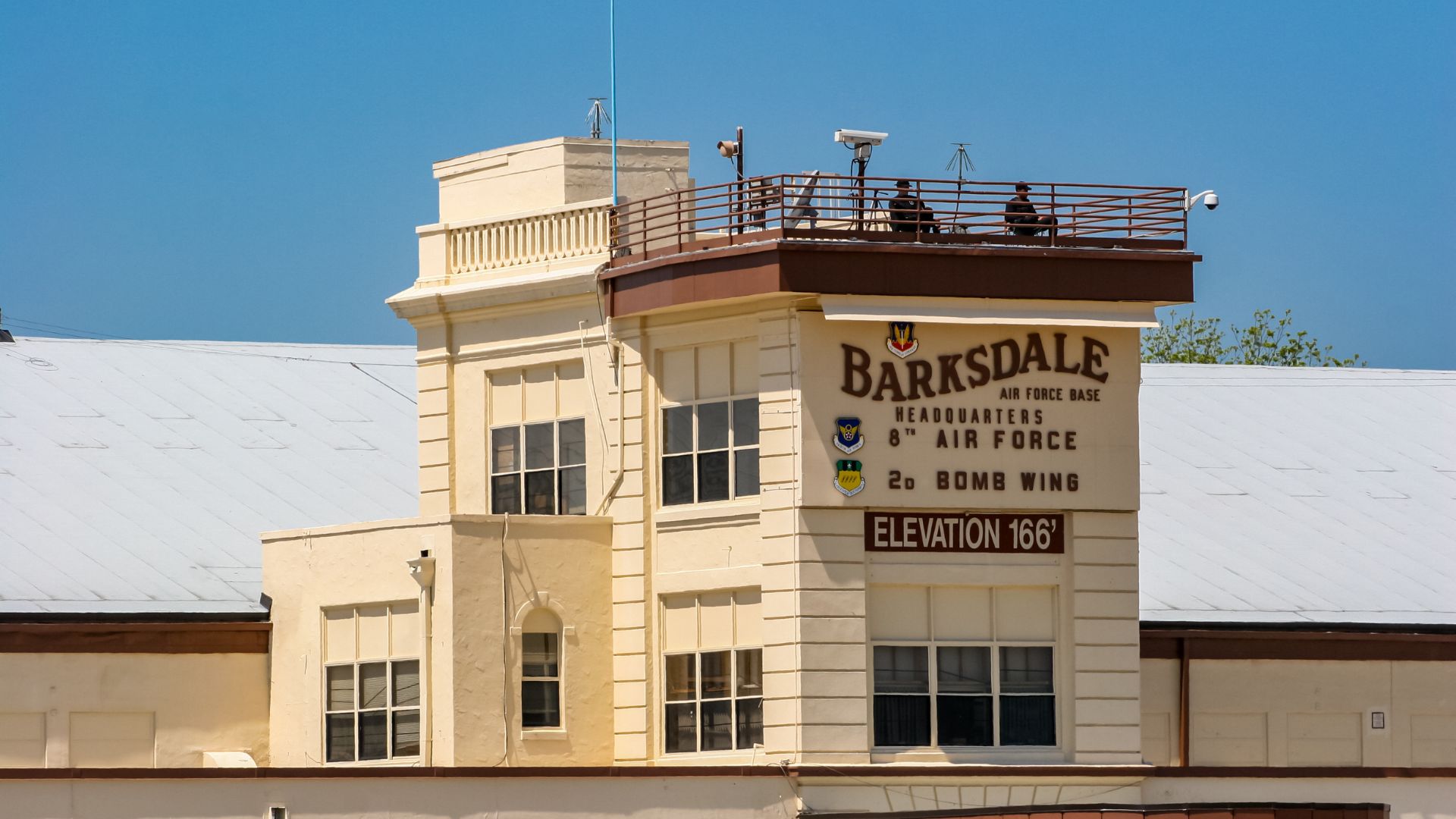
Barksdale’s role in the Air Force’s nuclear defense capabilities made the drone incursions a matter of broader strategic concern beyond the base itself. The base serves as headquarters for the 8th Air Force and houses the 2d Bomb Wing, giving it a command and control function that extends well beyond its physical footprint in Louisiana.
In a statement to ABC News, Capt. Rininger described flying a drone over a military installation as a criminal offense under federal law and said Barksdale was working closely with federal and local law enforcement agencies on the investigation, with the security of the installation and the safety of personnel as top priorities.
As of the mid-March briefing, the investigation remained active and the origin of the drones had not been publicly identified. The FAA was informed of the situation, and multiple agencies were involved in the response. What initially appeared to be a single incident on March 9 had, within a week, grown into a broader pattern of unauthorized activity that officials said was still ongoing.