The Home Upgrades You’ll Love but Future Buyers Might Hate



You finally have the money to make the house yours. Maybe that means ripping out the bathtub for a spa shower, turning the garage into a gym, or installing the pool you have wanted for years. There is nothing wrong with renovating for your own happiness. The catch comes when homeowners assume every dollar spent will come marching back at resale. Real estate experts repeatedly warn that highly personal, expensive upgrades can actually make a home harder to sell because future buyers are judging the house by how well it fits their lives, not yours.
The Pool You Love May Scare Off Half the Buyers

A backyard pool can completely change family life, especially in a hot climate. Reddit homeowners described using theirs almost daily and calling them some of the best money they ever spent. Others told the opposite story, including one owner who said repairs and upkeep had cost tens of thousands over 14 years. Contractor Mike Holmes calls pools a “50/50” proposition because some buyers specifically want one while others see maintenance, insurance and safety obligations. The lesson is not “never build a pool.” Build one because you will use it, not because you expect guaranteed profit later.
Turning the Garage Into Your Dream Gym Has a Catch
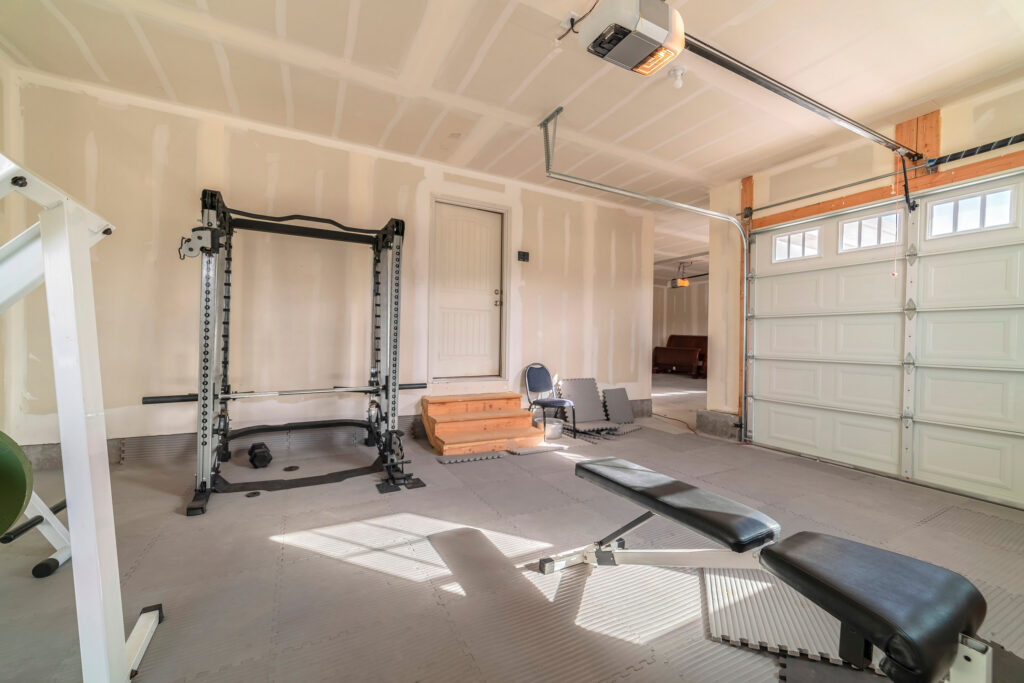
That polished home gym may feel infinitely better than parking beside boxes and lawn equipment. Unfortunately, buyers may still want the boring version: a garage that holds cars. Real estate agent Mary Ann Graboyes warns that converting a garage into a dedicated gym can work against resale because parking and storage remain practical priorities for many households. Once flooring, heating, electrical work and built-in equipment go in, the next owner may be looking at another renovation just to get the original function back.
A Giant Dressing Room Can Cost You a Bedroom
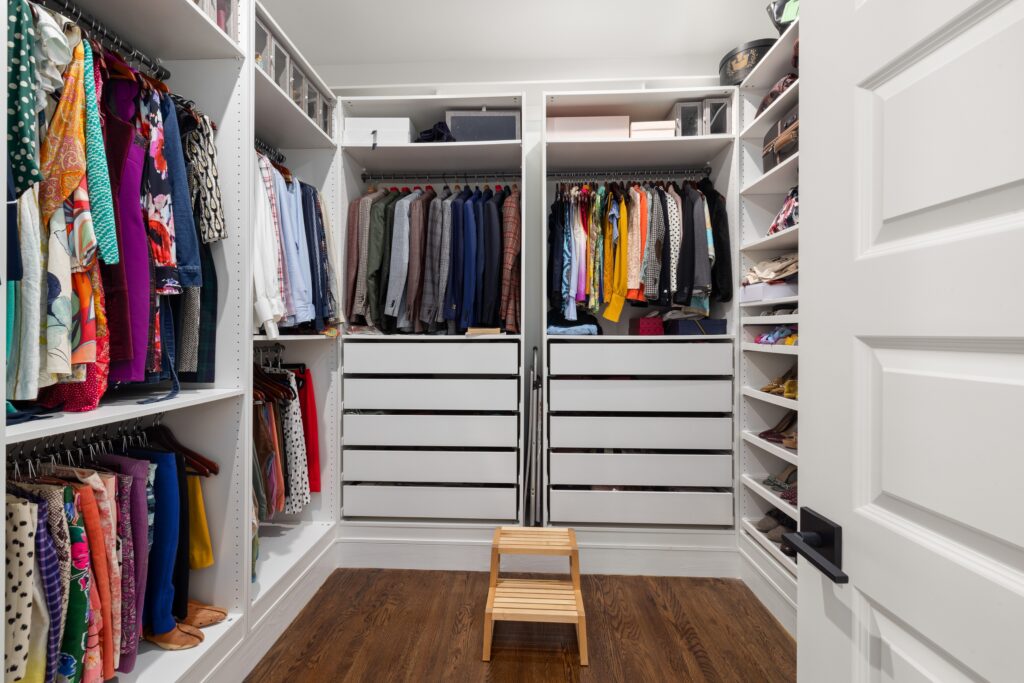
Knocking through a wall and sacrificing a small bedroom for a huge closet sounds luxurious while you are living there. On a listing, however, “three bedrooms” becoming “two bedrooms” can immediately shrink the number of people who even see the property in online searches. Reader’s Digest notes the same problem with permanent home-office conversions. Families searching specifically for four bedrooms may never click on a three-bedroom listing, no matter how gorgeous the new office or dressing room looks. Removable wardrobes and flexible furniture preserve more options.
That Hotel Bathroom Might Be Too Personal
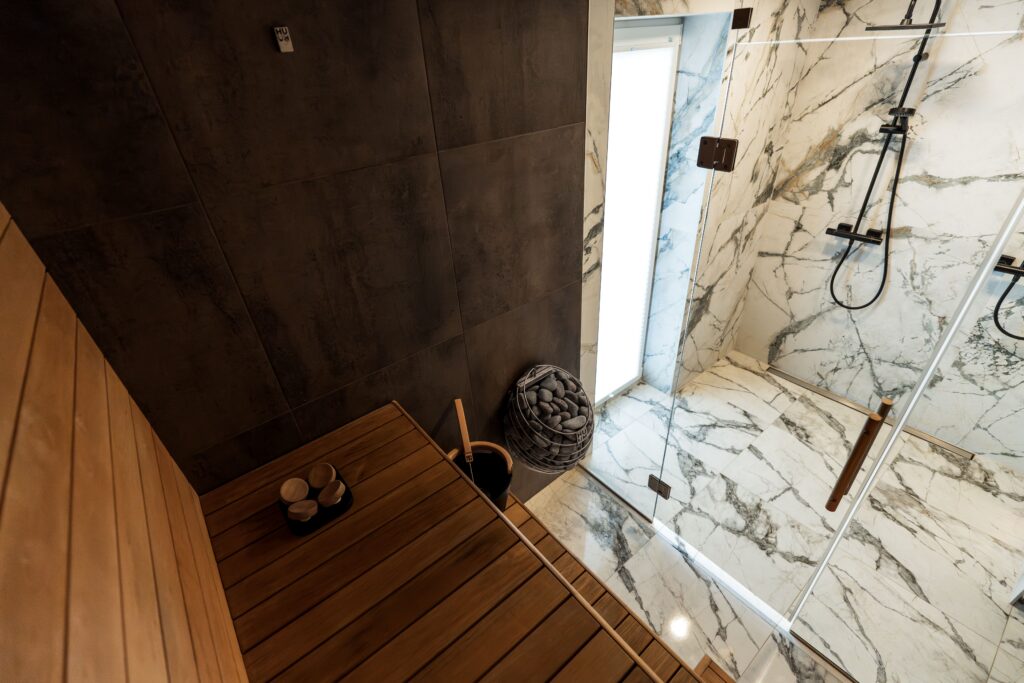
Replacing an ordinary bathroom with heated floors, a steam shower and sauna can make Tuesday night feel like a resort stay. The resale math is less relaxing. Experts caution that expensive niche bathroom upgrades often do not return their full cost because buyers may appreciate them without paying extra for them. Mike Holmes adds another wrinkle: if your home has only one bathtub, removing it for a giant shower can deter buyers with children or pets. In a multi-bathroom home, sacrificing one tub is much easier to justify.
The $80,000 Kitchen Still Has a Ceiling
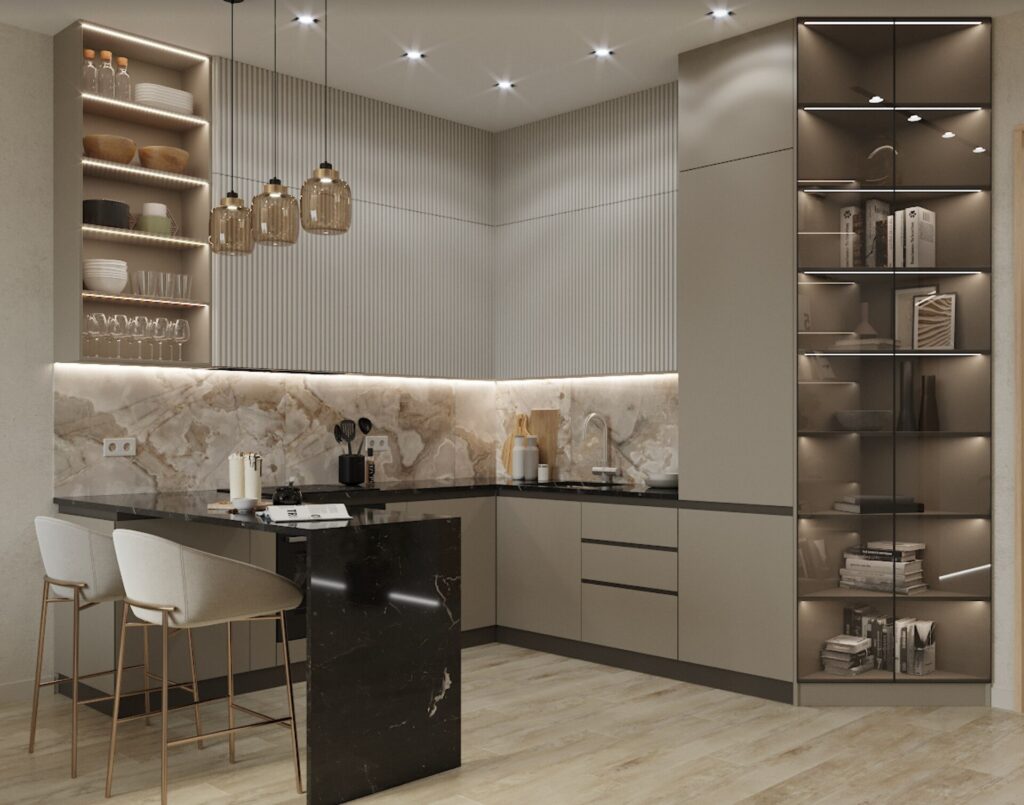
A beautiful kitchen helps sell homes, but there is a point where expensive becomes excessive. Real estate experts warn against loading an average home with top-of-the-line appliances, marble and custom finishes that push its renovation far beyond neighborhood expectations. Comparable nearby sales still influence what buyers and appraisers think the property is worth. Marble also brings practical baggage: Holmes notes that it scratches and stains more easily than quartz and requires regular sealing. You may adore the dramatic stone. A buyer may simply see upkeep.
Your Wallpaper Can Become Their Weekend Project

That dramatic mural or botanical wallpaper may be the thing you love most about the room. Buyers who hate it do not see personality. They see scraping, priming and repainting. Graboyes warns that murals and wallpaper can make it difficult for prospective buyers to picture themselves in a space because removing them takes additional work. Designers make a similar point about ultra-trendy investments: trends fade quickly, so bold experimentation is generally safer through accessories than permanent fixtures or expensive finishes.
The Built-In Aquarium Is Cool Until Someone Has to Maintain It

Some renovations are so specific that they practically come with instructions for the next owner. Built-in aquariums, wine cellars, yoga studios and elaborate entertainment rooms may be fantastic if they match your lifestyle. The problem is that the buyer inherits the feature whether they want it or not. Graboyes says specialty built-ins can become a hindrance during a sale because they require maintenance and may have limited appeal. Flexible rooms usually travel better from one owner to the next because nobody has to spend money undoing them.
Your Perfect Backyard May Look Like Work to Someone Else

The fountain, stone walls and meticulously planted beds can turn a plain yard into your private retreat. A future buyer may mentally replace every flower with Saturday morning maintenance. Extensive landscaping is frequently cited as an upgrade homeowners enjoy more than buyers financially reward. That does not mean settling for an empty lawn. It means recognizing that complicated outdoor spaces demand watering, pruning, repairs and ongoing expense. Even among homeowners discussing improvements online, the value of outdoor features varied enormously depending on climate, lifestyle and how much they were actually used.
The Best Renovation May Be the One You Actually Enjoy

Resale matters, but turning every renovation into an investment calculation can make living in your own house strangely joyless. The more useful distinction is between return on investment and return on enjoyment. A pool used every summer, a home theater hosting family movie nights or a kitchen you cook in daily can be money well spent even if the next buyer refuses to reimburse every dollar. What matters going forward is knowing which game you are playing. If selling soon is likely, keep expensive changes flexible and broadly useful. If you are staying for years, some “bad investments” may still be excellent life upgrades.