The Hidden Environmental Impact of Data Centers Is Raising Concerns
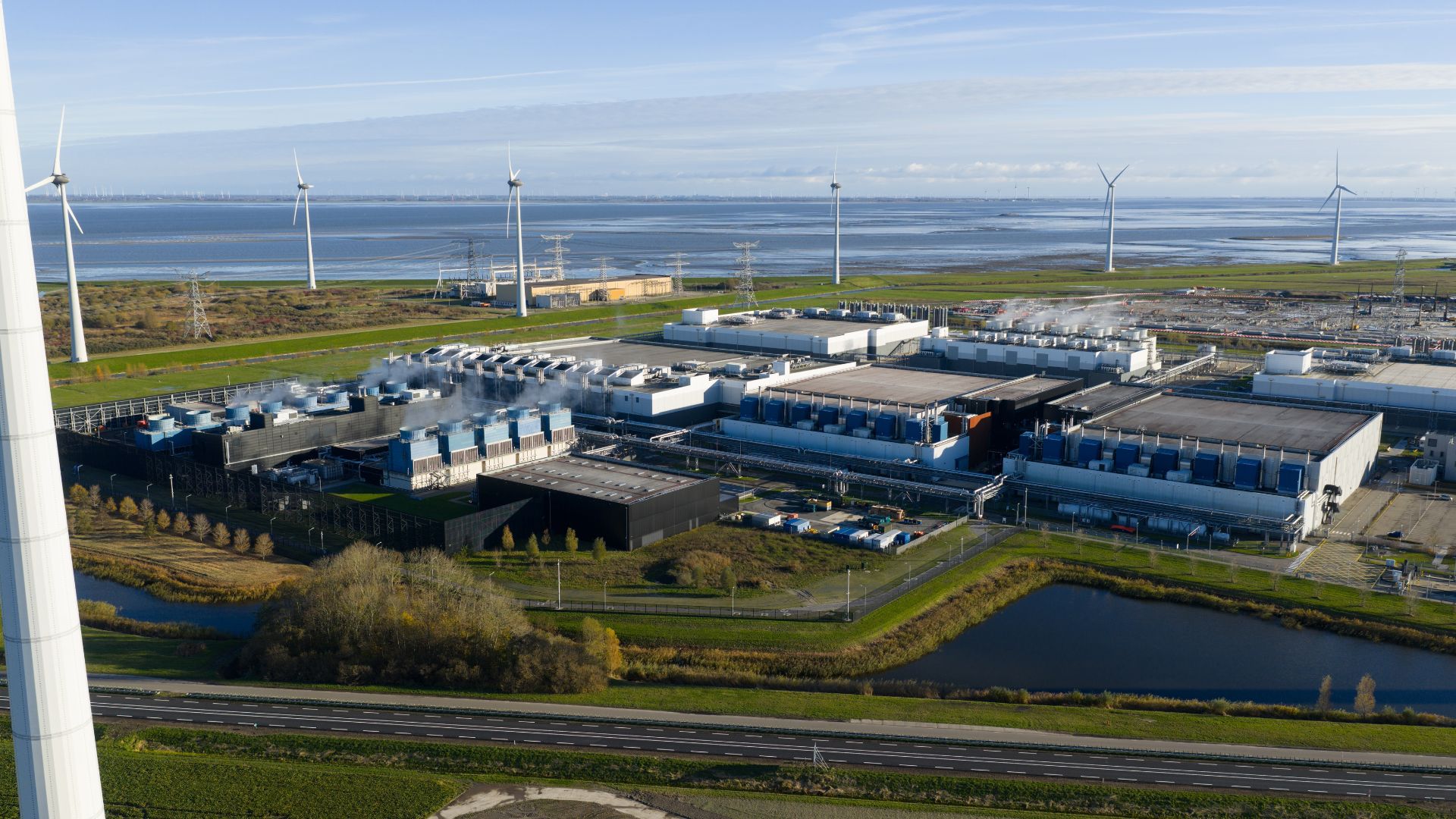

As artificial intelligence continues to expand, the infrastructure behind it is growing just as rapidly. Massive data centers are becoming essential to modern life, yet new findings suggest their environmental footprint goes beyond energy consumption, revealing effects that are only now starting to be understood.
Data Centers And Their Expanding Environmental Footprint

Data centers, especially those powering AI systems, require enormous amounts of electricity to operate and cool thousands of servers. While their energy use has been widely discussed, recent attention has shifted toward a less visible consequence, the heat they emit into surrounding environments, which may be altering local climates in unexpected ways.
The Emergence Of Artificial Heat Islands

New research indicates that data centers can create localized “heat islands,” increasing temperatures in nearby areas. In some cases, land surrounding these facilities has warmed significantly, introducing a new environmental challenge that extends beyond traditional concerns like carbon emissions.
Gaps In Scientific Understanding

Despite their rapid growth worldwide, data centers remain underexamined in environmental studies. Researchers highlight that there is still limited knowledge about their broader ecological effects, particularly when it comes to how their operations influence local temperature patterns over time.
How Researchers Approached The Study

To better understand this issue, scientists analyzed two decades of temperature data collected through remote sensing technologies. They compared this information with the locations of large-scale AI data centers, identifying patterns that could reveal how these facilities impact their surroundings.
Why Hyperscale Facilities Matter

The study focused on hyperscale data centers, vast complexes that can span over a million square feet and host thousands of servers. These facilities, often built in the last decade, represent the backbone of AI infrastructure and are among the most energy-intensive digital operations in existence.
Isolating The Impact From Other Factors

To ensure accuracy, researchers concentrated on data centers located outside dense urban areas, where fewer variables could distort temperature readings. They also accounted for seasonal changes and long-term climate trends, allowing for a clearer view of the specific influence of these facilities.
Measured Temperature Increases Around Data Centers

The findings revealed that surface temperatures rose by an average of 3.6 degrees Fahrenheit after data centers became operational. In more extreme situations, nearby areas experienced increases of up to 16.4 degrees, highlighting a potentially significant environmental effect.
Global Patterns And Regional Examples

This warming trend was observed across different regions worldwide. Areas such as Mexico’s Bajio region and Aragon in Spain showed noticeable temperature increases near clusters of data centers, while neighboring regions without such infrastructure did not experience similar changes.
Impact Beyond Immediate Surroundings

The influence of these facilities extends beyond their immediate locations. Temperature increases have been detected as far as 6.2 miles away, affecting hundreds of millions of people and raising concerns about how widespread these effects could become as more centers are built.
Concerns About Rapid Expansion

Experts warn that the accelerating development of AI infrastructure may outpace sustainable planning. Some researchers argue that the current momentum resembles a technological rush, where environmental considerations risk being overlooked in favor of rapid growth and innovation.
The Need For Further Research And Solutions

While the findings are compelling, scientists emphasize the need for additional studies to confirm the scale of these effects. At the same time, they encourage a broader conversation about how to balance technological progress with environmental responsibility, suggesting that alternative approaches could still mitigate long-term impacts.