The First American Pope Revealed His Four Favorite Movies and Not One Was Made After 2000
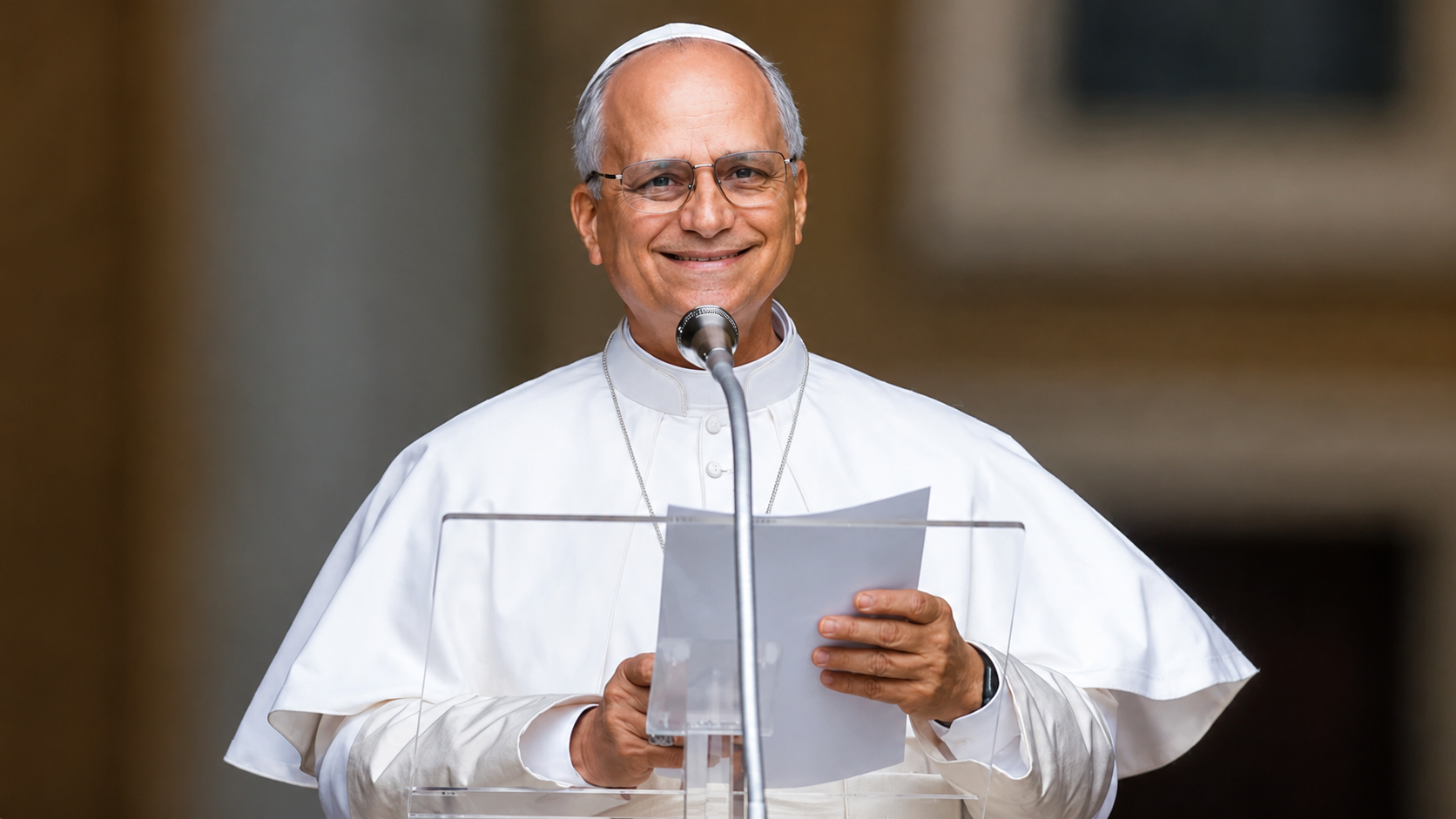

Pope Leo XIV just did something no pontiff has done quite like this before: he handed out a definitive, ranked list of his four favorite films, and every single one predates the year 2000. The Chicago-born pope, the first American ever elected to the papacy, released the picks ahead of a star-studded Vatican gathering. His choices reveal a surprising cinematic soul, one built on angels, nuns, grief, and wartime hope.
The Announcement Behind the List
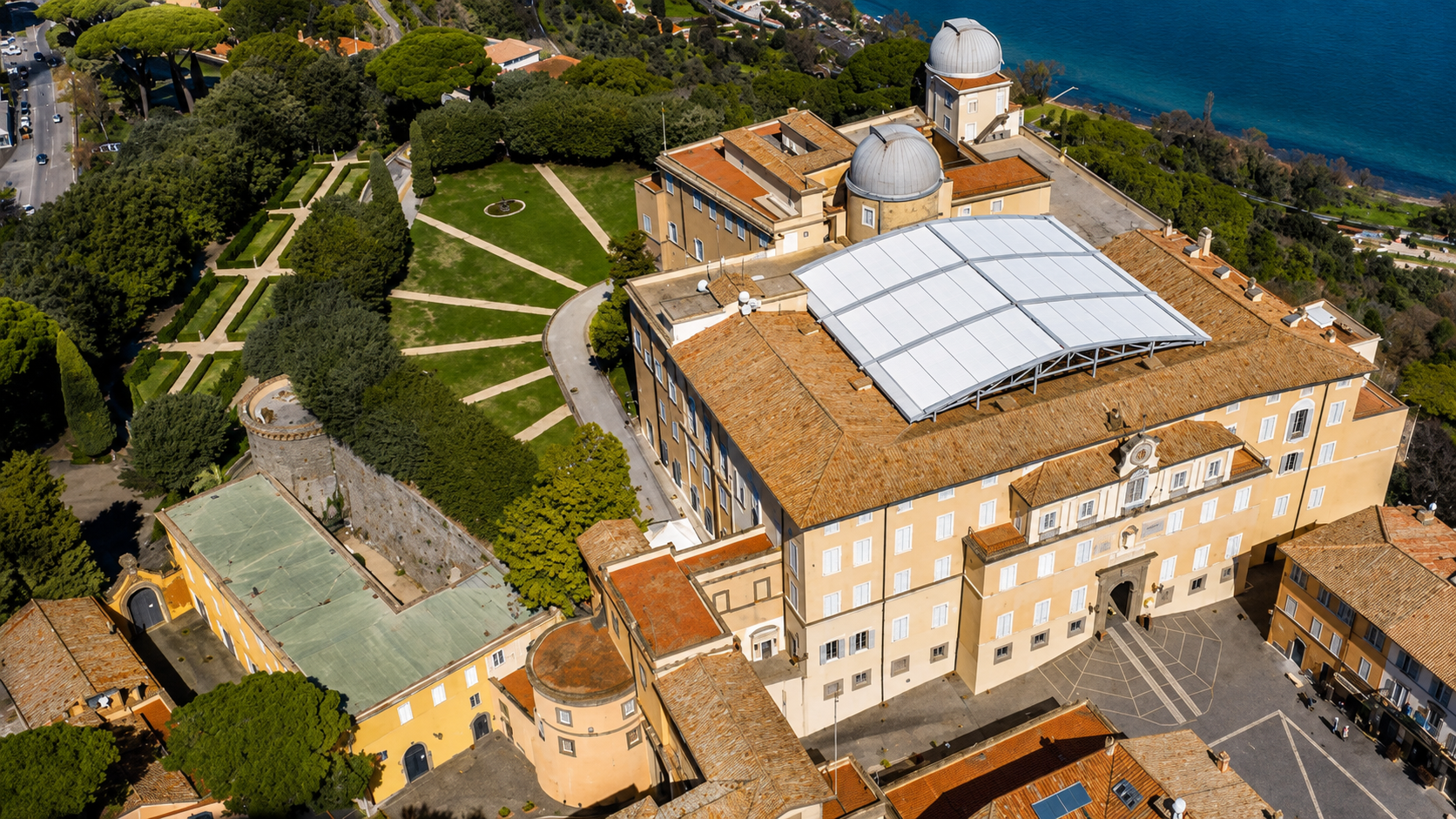
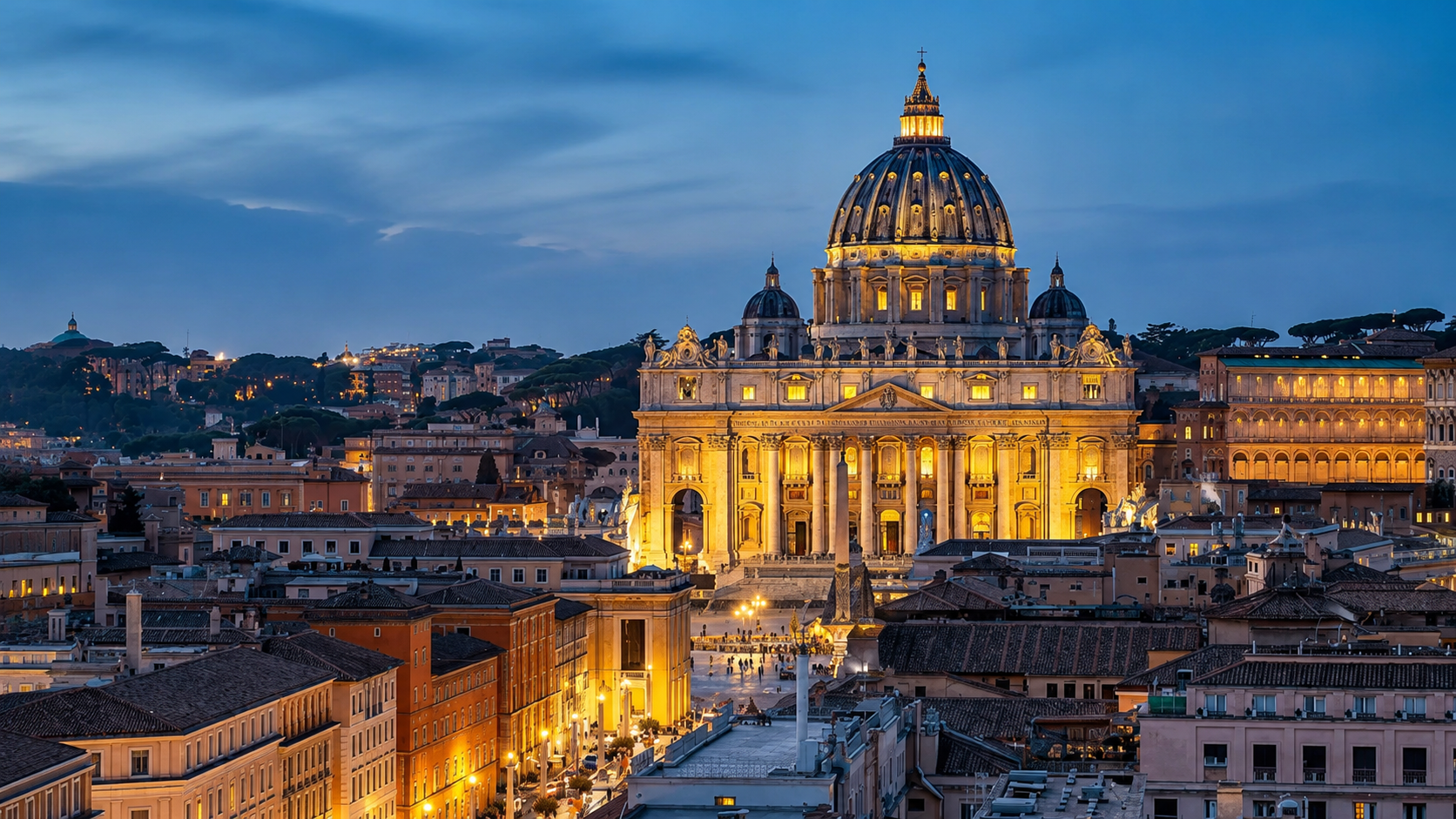
The Vatican shared Pope Leo’s favorites in a statement, according to Variety, timed to a Nov. 15 meeting with Hollywood figures at the Apostolic Palace. The Vatican said Leo wants to deepen dialogue with actors and directors exploring faith through art.
George Bailey’s Christmas Eve Crisis Tops the List
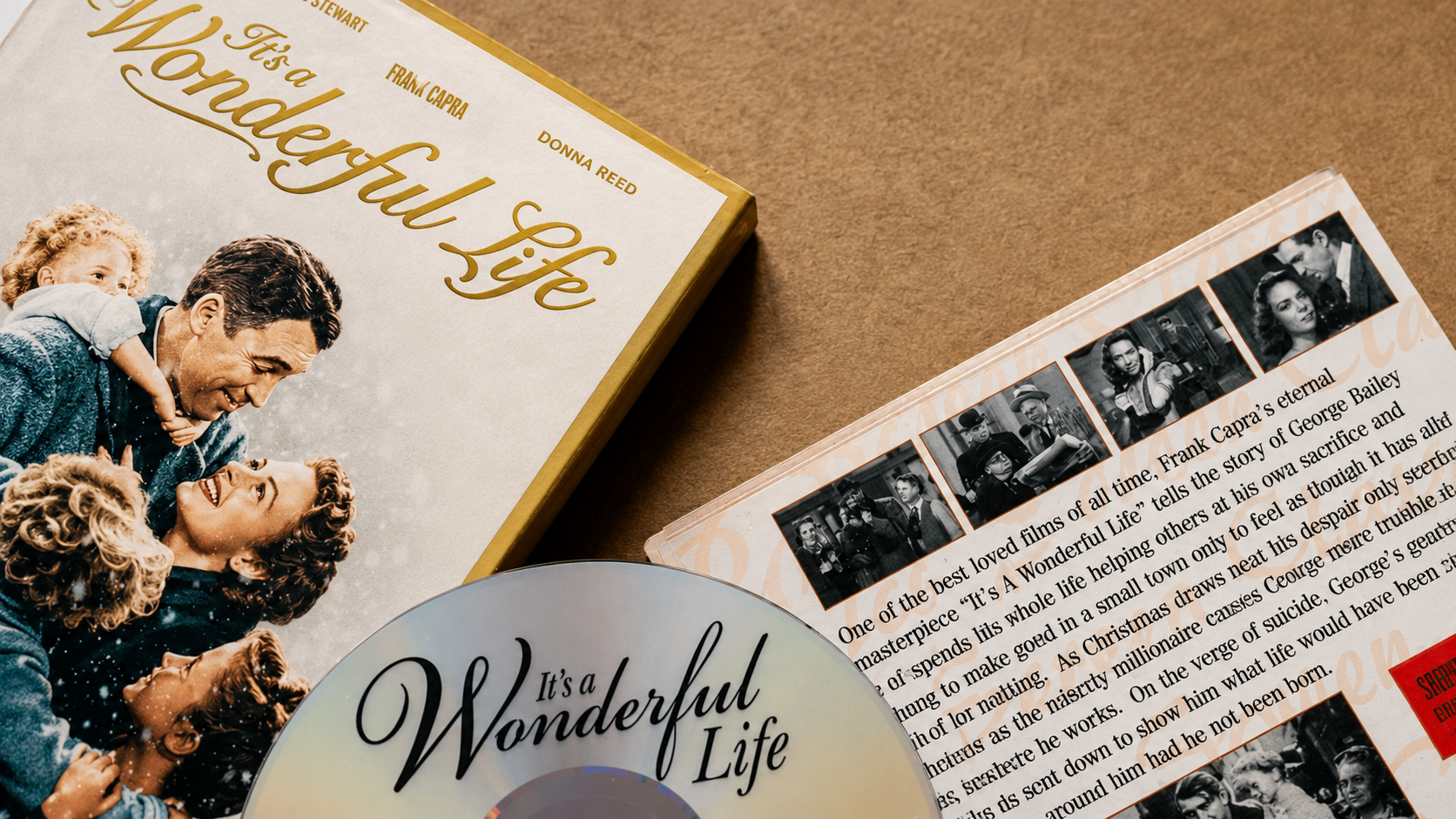
Leo’s top pick is Frank Capra’s 1946 classic “It’s a Wonderful Life,” starring Jimmy Stewart as George Bailey, a man who contemplates ending his life on Christmas Eve. A guardian angel intervenes, showing Bailey the ripple effect his existence has had on everyone around him. It remains one of cinema’s most enduring meditations on purpose and sacrifice, themes that echo Leo’s own vocation.
A Governess, Seven Children, and a Nazi Escape
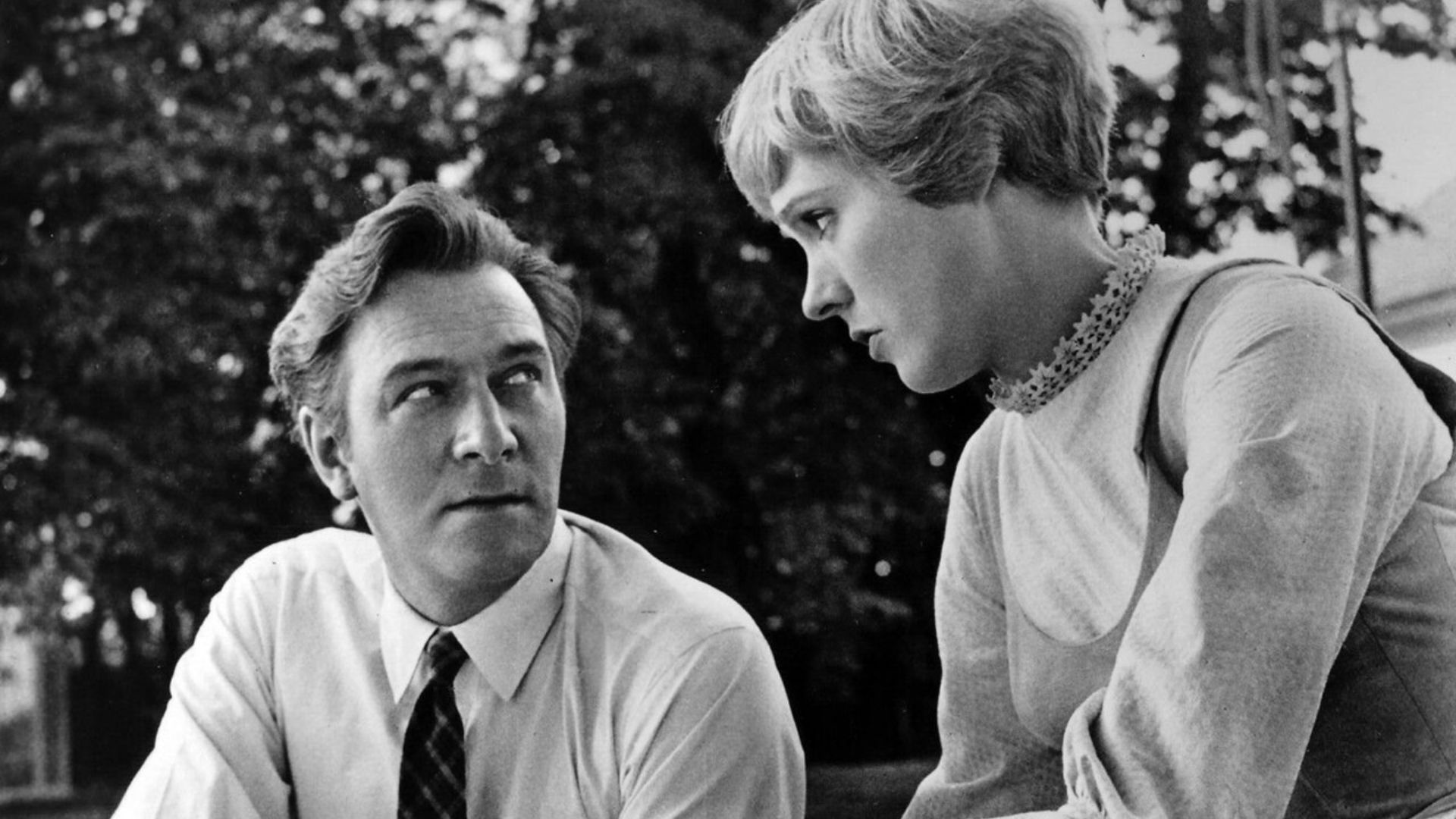
Next on the list is Robert Wise’s 1965 musical “The Sound of Music,” starring Julie Andrews as Maria, a postulant sent to govern a widowed naval officer’s seven children in Austria. She falls in love with their father, marries him, and the family later flees the Nazi regime to freedom in Switzerland. The Oscar-winning film remains one of the most beloved musicals ever made.
Why a Musical Made the Cut

The choice fits a pattern in Leo’s picks: stories where ordinary people face extraordinary moral tests. “The Sound of Music” blends music, faith, and courage under threat, themes that resurface throughout the pope’s selections. But not every film on his list ends in triumph. His next pick turns toward quieter, more painful territory: a family grieving in silence.
A Family Fractured by Loss
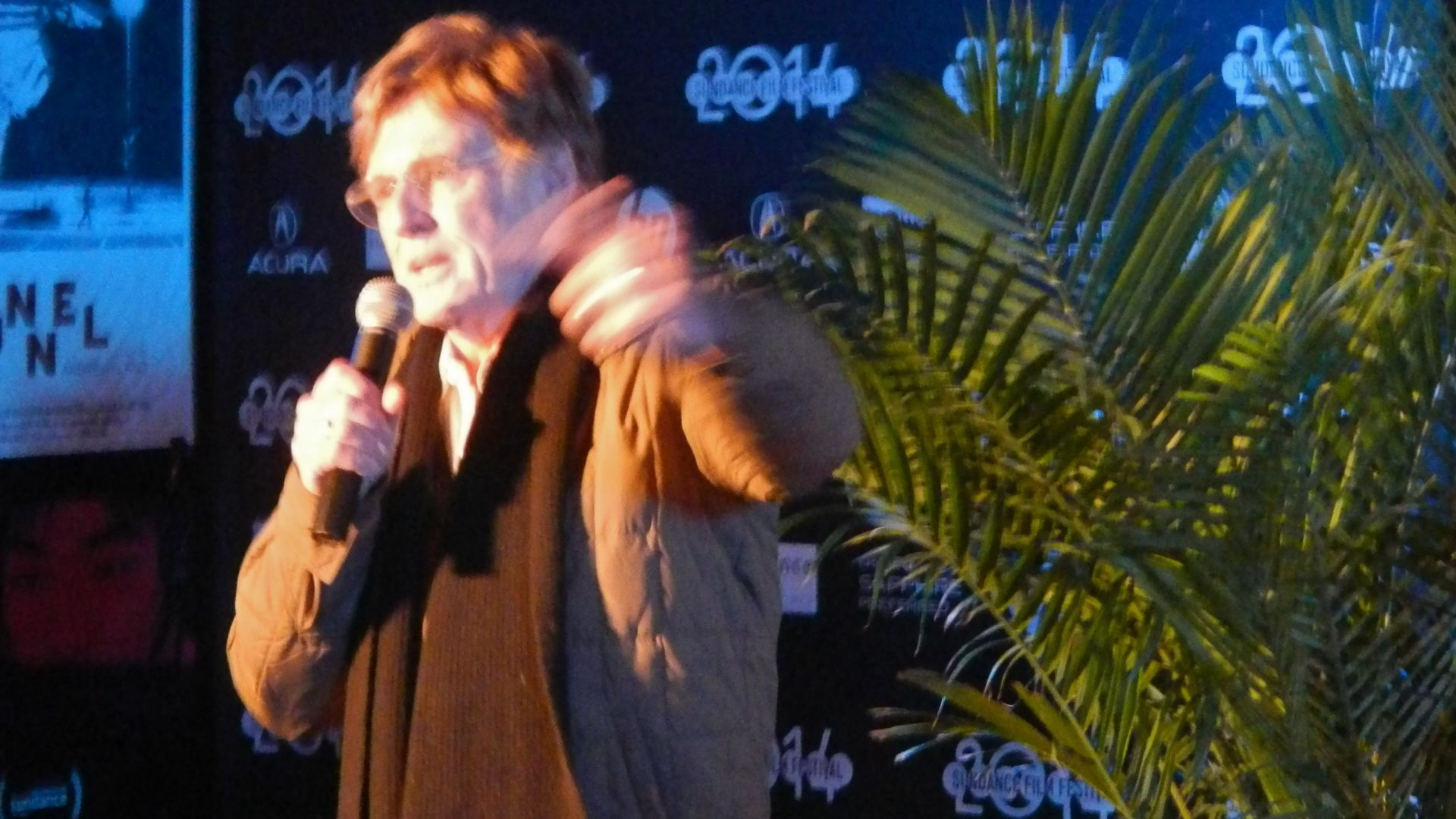
Leo’s third choice is “Ordinary People,” Robert Redford’s 1980 directorial debut starring Donald Sutherland and Mary Tyler Moore as parents struggling after their teenage son’s accidental death. Timothy Hutton plays the surviving son grappling with guilt and disconnection from his mother. The film swept the Oscars, winning best picture, best director for Redford, and best supporting actor for Hutton.
The Weight of Grief on Screen

Unlike Leo’s other picks, “Ordinary People” offers no angel, no rescue, no clean resolution. It simply portrays a family trying to survive its own sorrow. The choice suggests Leo values honest depictions of suffering as much as uplifting ones. His final selection pushes that idea even further, into one of history’s darkest chapters.
Finding Joy Inside a Concentration Camp
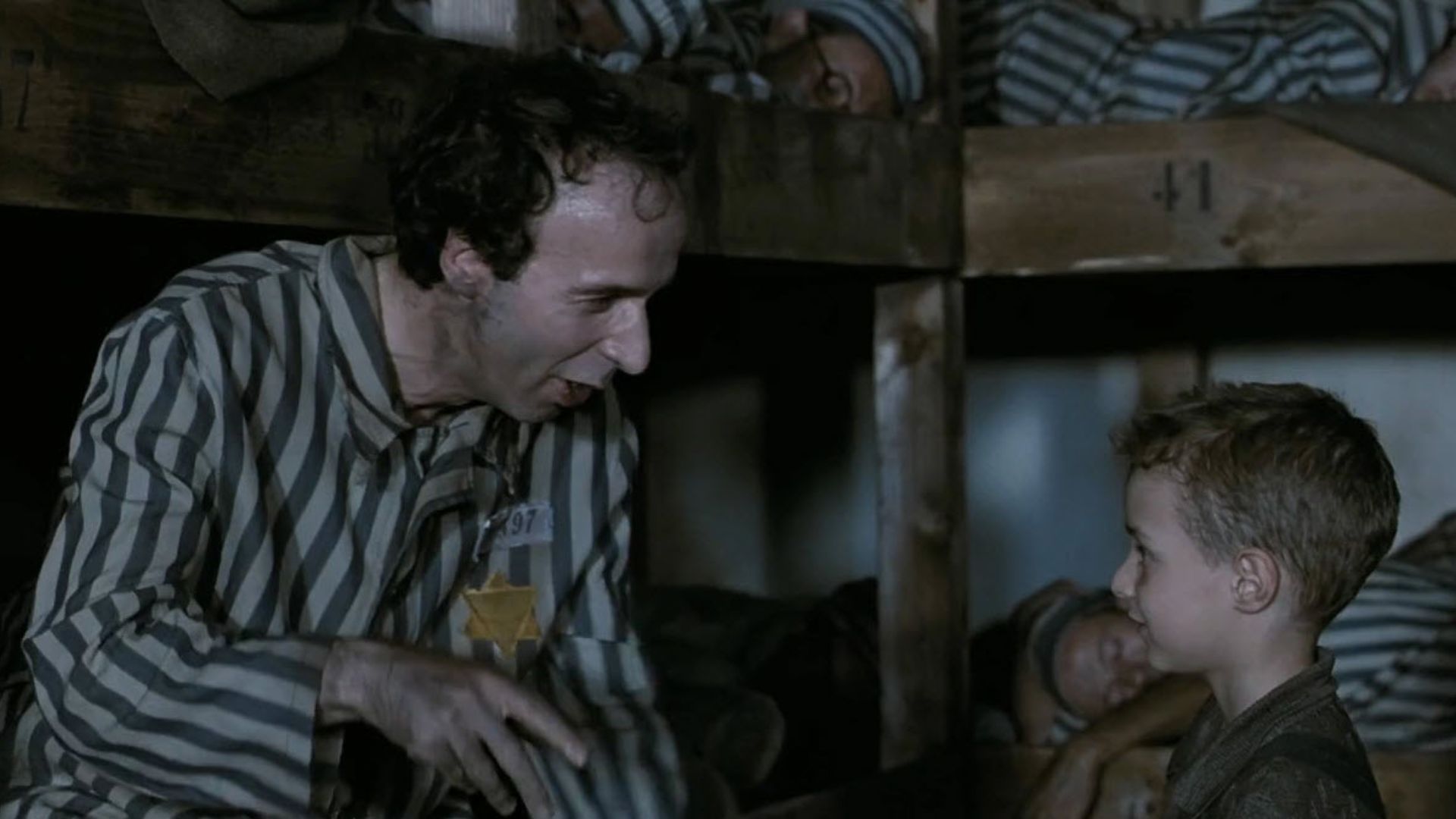
Leo’s fourth favorite is Roberto Benigni’s 1997 film “La Vita è Bella,” known in English as “Life Is Beautiful,” which he referred to by its Italian title. Benigni stars as a Jewish Italian father who invents an elaborate game to shield his young son from the horrors of a Nazi concentration camp, keeping the boy alive until Allied soldiers arrive.
A Historic Oscar Win

Benigni made history at the Oscars, becoming the first performer to win best actor for a role delivered entirely outside the English language. The film’s blend of humor and horror mirrors a thread running through all four of Leo’s picks: hope surviving inside hardship. Together, the films sketch a portrait of a pope drawn to stories of quiet endurance.
What the List Reveals About the Pope
None of Leo’s four favorites arrived after 1997, and none needed to. Each film centers on the same idea: ordinary people finding meaning, love, or survival inside crisis. From George Bailey’s despair to a father’s wartime deception, the pope’s choices form a consistent worldview built on sacrifice and resilience. It is a list that says more about values than about cinema.