The DIY Habits Experts Wish Homeowners Would Stop Doing


A weekend home project rarely goes wrong because someone lacked ambition. It goes wrong because of small, repeatable habits that quietly sabotage the result. Contractors, cleaners, and trade experts across several industries keep seeing the same mistakes show up in DIY projects nationwide. None of these habits require expensive tools to fix, just a willingness to slow down and change one specific step in the process.
Skipping Safety Gear Is the Habit Experts Want Gone First
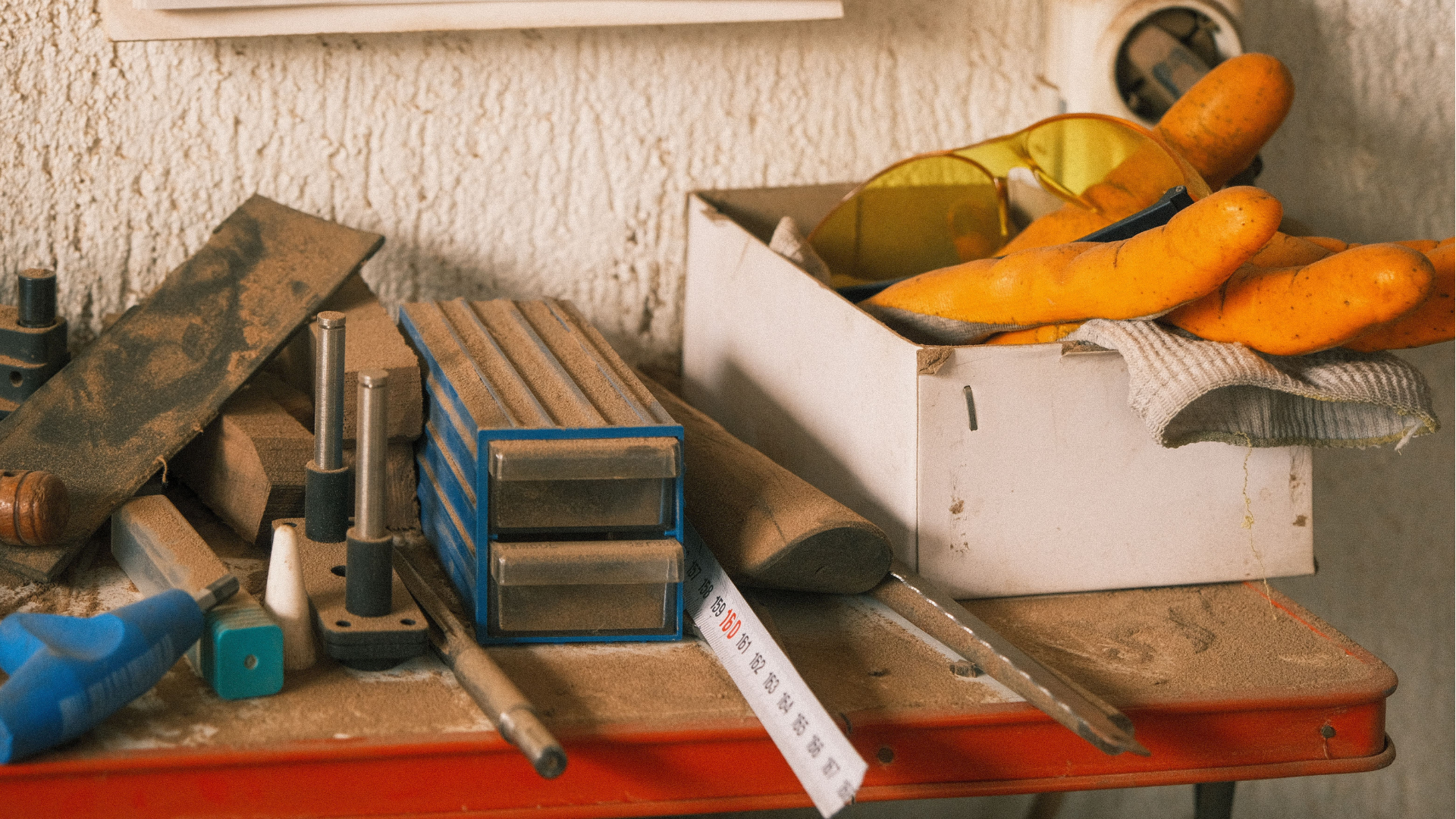
Skipping proper safety gear tops the list of habits experts want homeowners to break immediately, even for quick jobs like cleaning gutters. Every project calls for different protection, whether that means eye protection, hearing protection, gloves, a respirator, or non-slip boots. “With any home repair or renovation project, safety should be the first thing you think about,” said roofing expert Andre Kazimierski, adding that safety needs can even determine whether a job should be DIY at all.
Skipping Prep Work Costs More Time Than It Saves
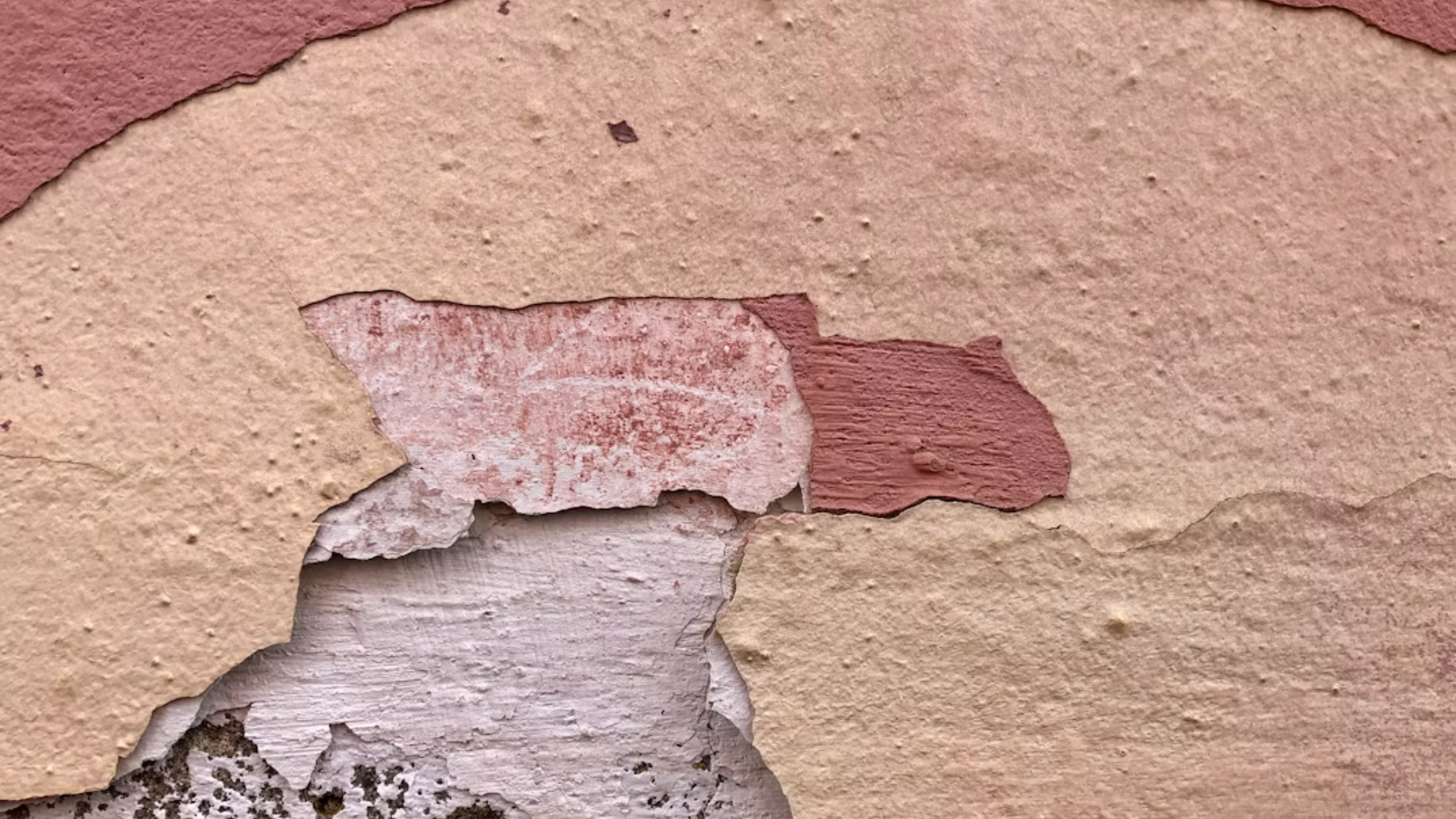
Jumping straight into a project without proper prep work tends to cost more time later than it saves upfront. Painting specifically demands cleaning the surface, patching holes, taping sharp edges, and choosing the right primer before a single coat goes on. “Skipping prep steps like cleaning your surface can really start to impact how good your finish looks and how well your paint is going to adhere,” said house painting expert Carr Lanphier.
A Quarter Inch Off Can Sabotage an Entire Room
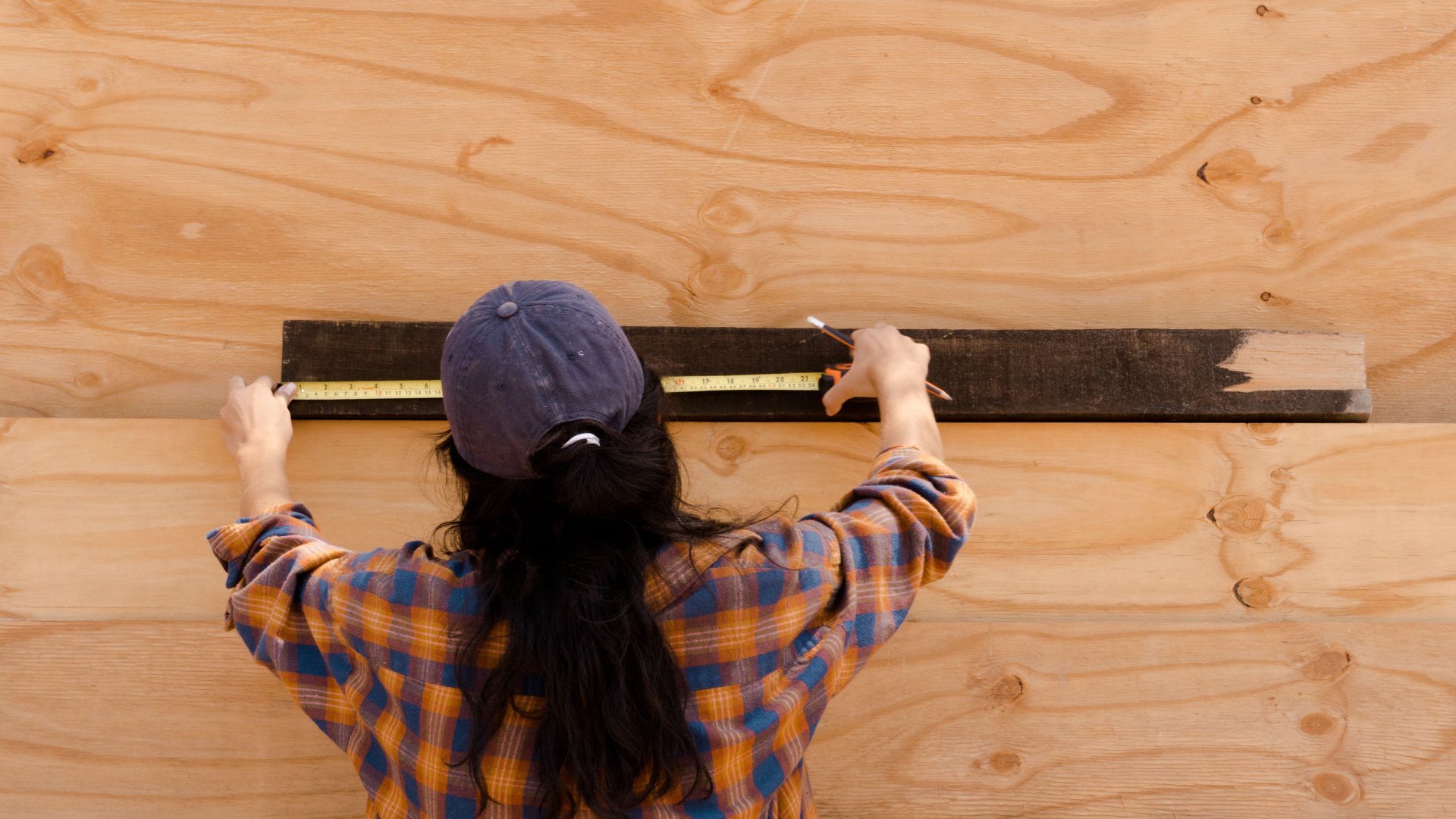
Trusting your eye instead of a tape measure feels faster in the moment, but it routinely leads to misaligned shelves and materials cut to the wrong size. “There’s a historical phrase, ‘measure twice, cut once,'” said home cleaning expert Scott Schrader. He added that a proper level matters just as much as measuring itself, since being off by even a quarter inch can throw off symmetry across an entire room.
Cheap Materials Almost Always Cost More in the End
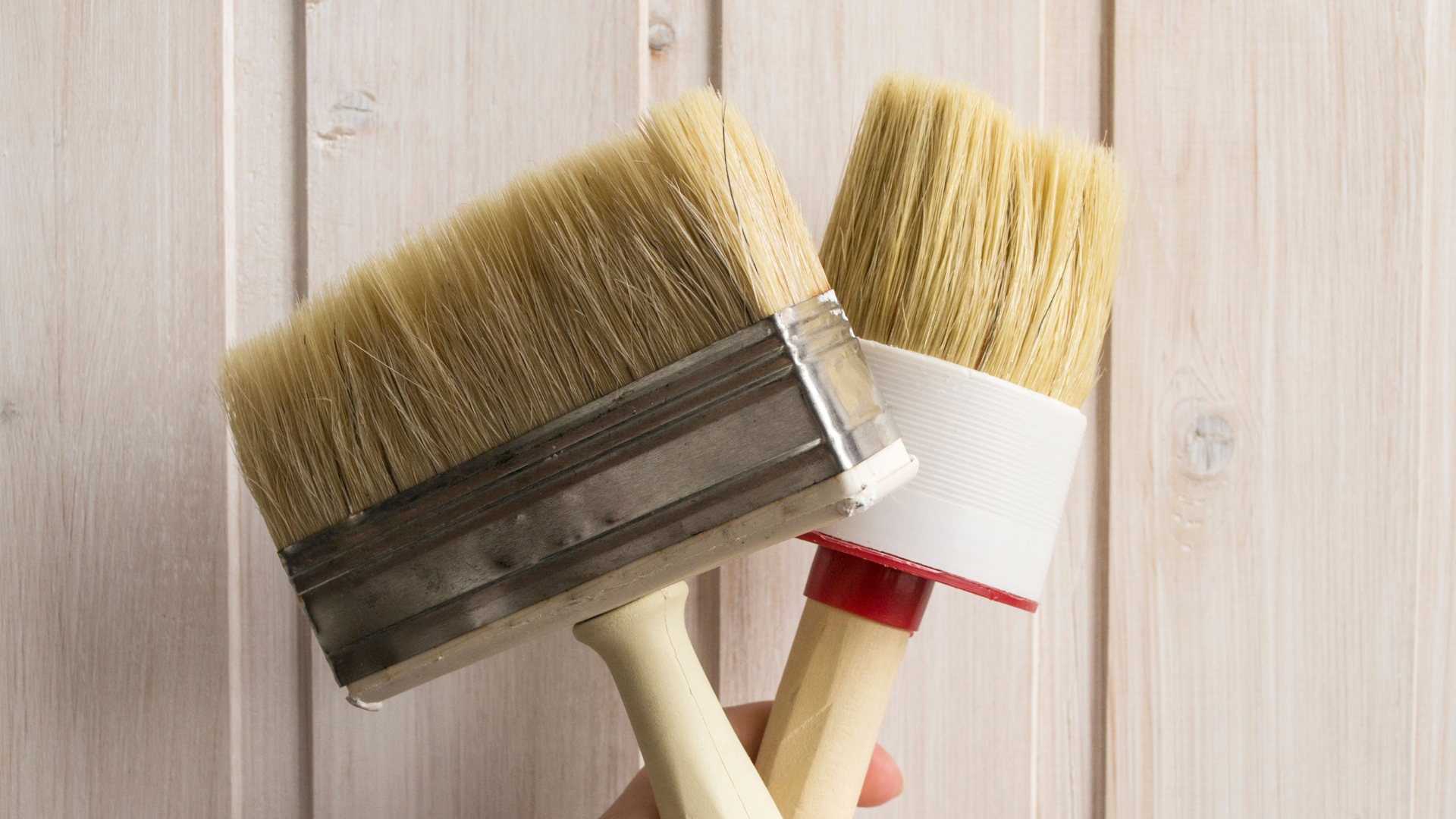
Reaching for the cheapest paint, brushes, or tools on the shelf often backfires in ways that cost more than the money saved upfront. Cheap paint tends to streak and require extra coats, while inexpensive parts and tools break down partway through a project. “Inadequate materials and dollar-store tools are usually going to do more damage than good,” Schrader said, adding that better tools also make the work itself more enjoyable.
Maxing Out a Pressure Washer Can Strip More Than Dirt
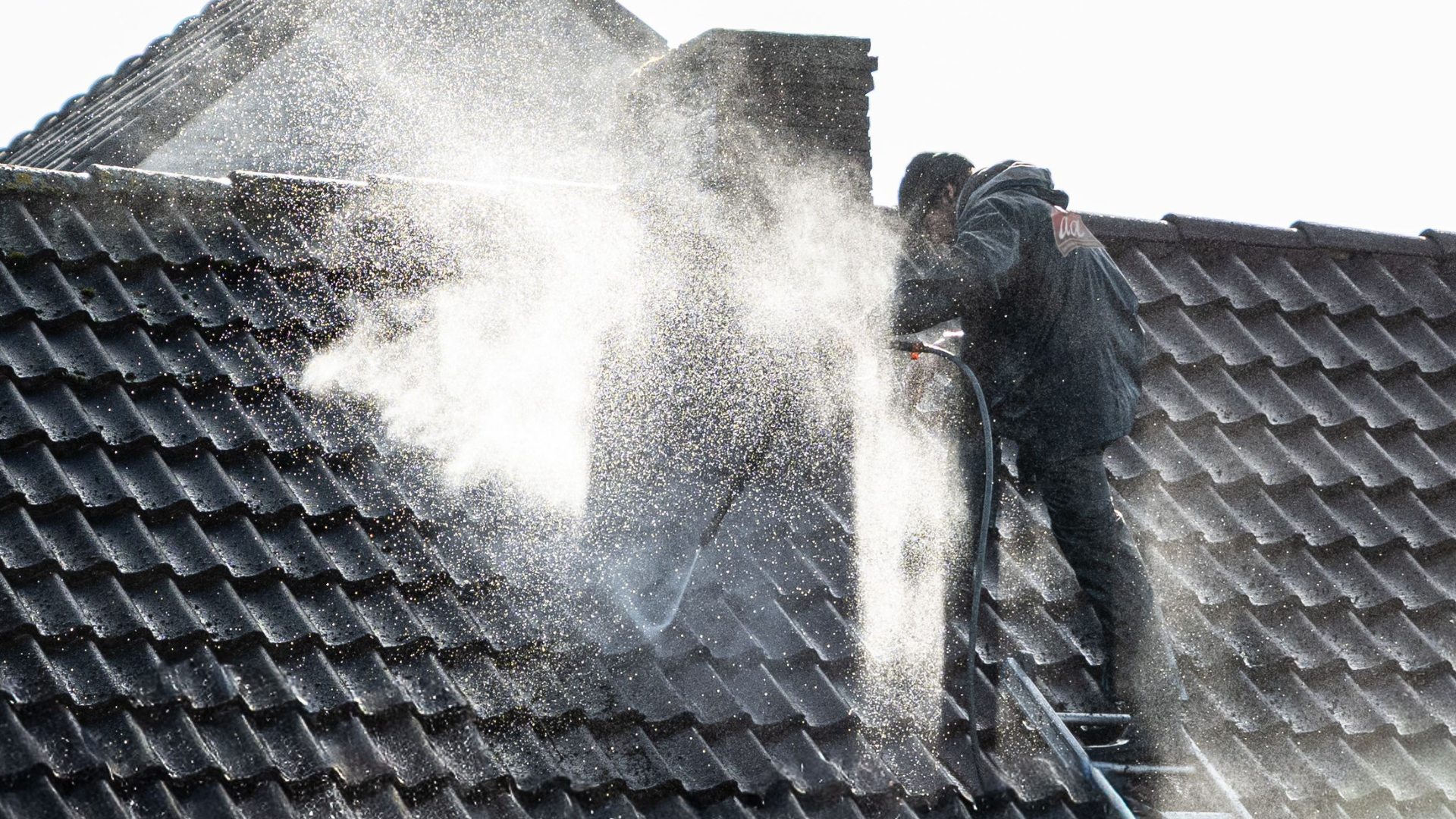
Cranking a pressure washer to maximum PSI feels satisfying, but it can strip away far more than dirt on surfaces like vinyl siding or concrete. “If you directly pressure wash oxidized vinyl siding with high pressure, you will blast off the oxidation layer leaving lines and marks all over the place,” said pressure washing expert Jamison Jarosz, describing damage he has seen firsthand from overly aggressive technique.
Knowing When to Call a Pro Saves Money, Not Costs It

Recognizing when a project has outgrown your skill level matters just as much as any single technique. A job that exceeds someone’s actual experience risks turning into unfinished work, wasted materials, and a budget that spirals well past the original estimate. Hiring a professional at that point often costs less overall than an ambitious DIY attempt that has to be redone by someone else later.
Timing Is Everything When It Comes to Staining Wood
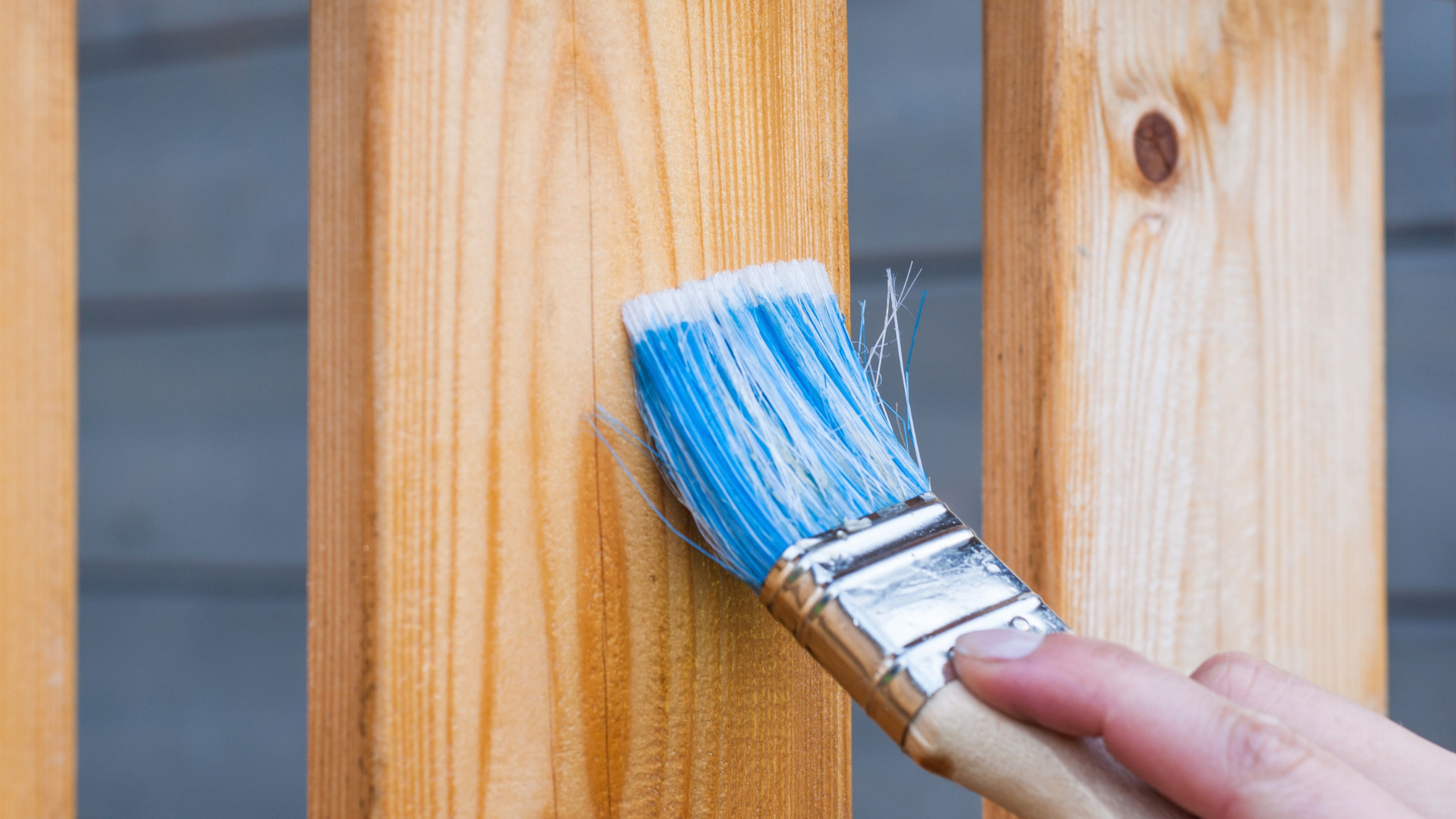
Staining a deck or fence looks simple, but wood care expert Caleb Roth says timing and prep decide whether it lasts. New wood should be stained two to six weeks after construction, once it looks new but has fully dried. Waiting too long invites mold or algae that resurfaces if stained over without proper cleaning first, and picking the wrong stain type can trap moisture instead of letting wood breathe.
Towels and Closed Vents Are Quietly Wrecking Your HVAC System
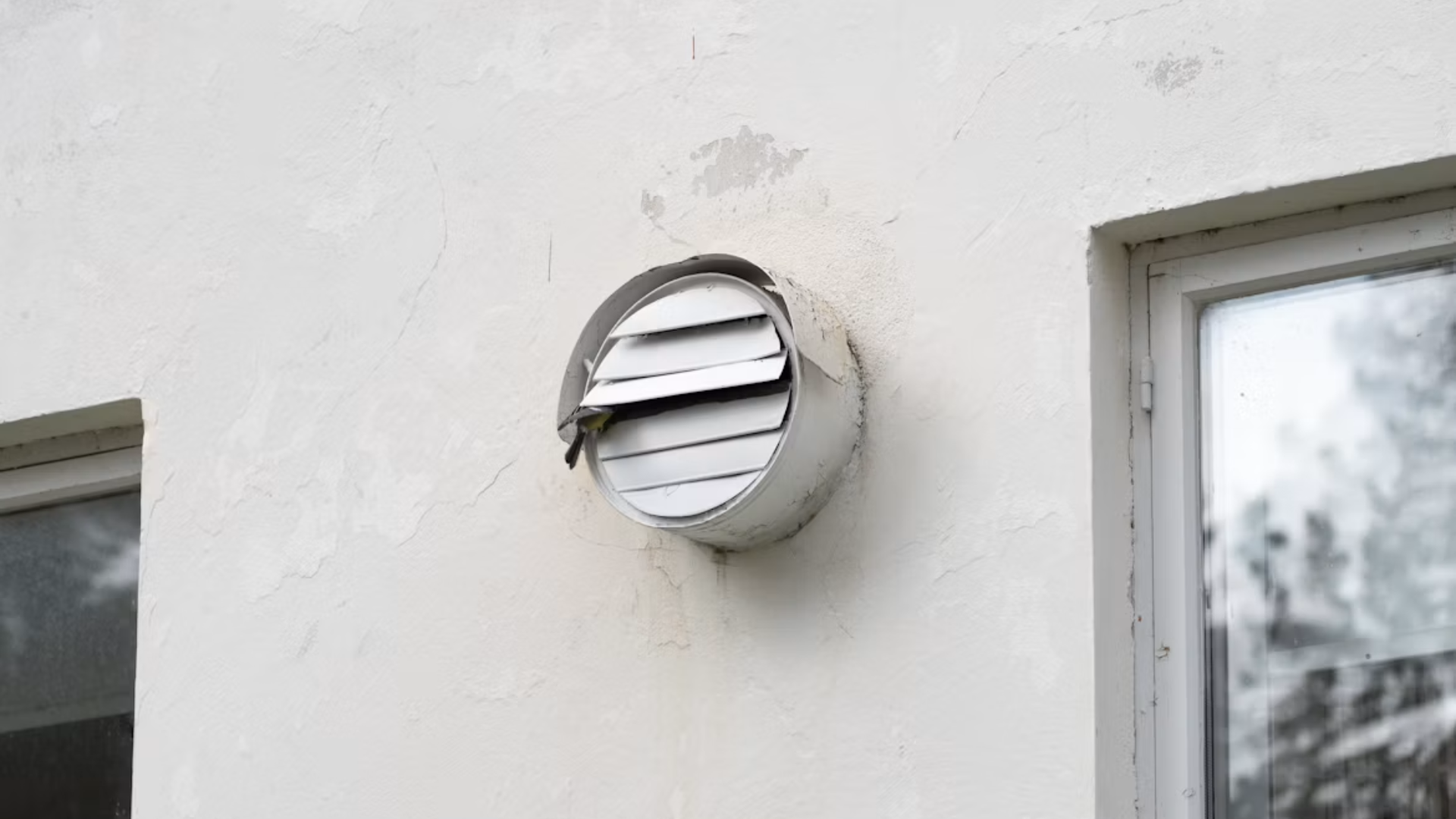
Wrapping noisy HVAC ducts in towels, or closing too many vents to save energy, tends to create bigger problems than the ones being solved. “Noise in ducts usually points to airflow or design flaws, not just poor insulation,” said HVAC expert Danny Pen. He warned that closing vents raises static pressure and can strain the blower enough to damage ductwork or even crack the heat exchanger over time.
One Tilt Is the Difference Between a Working AC and a Leaky One
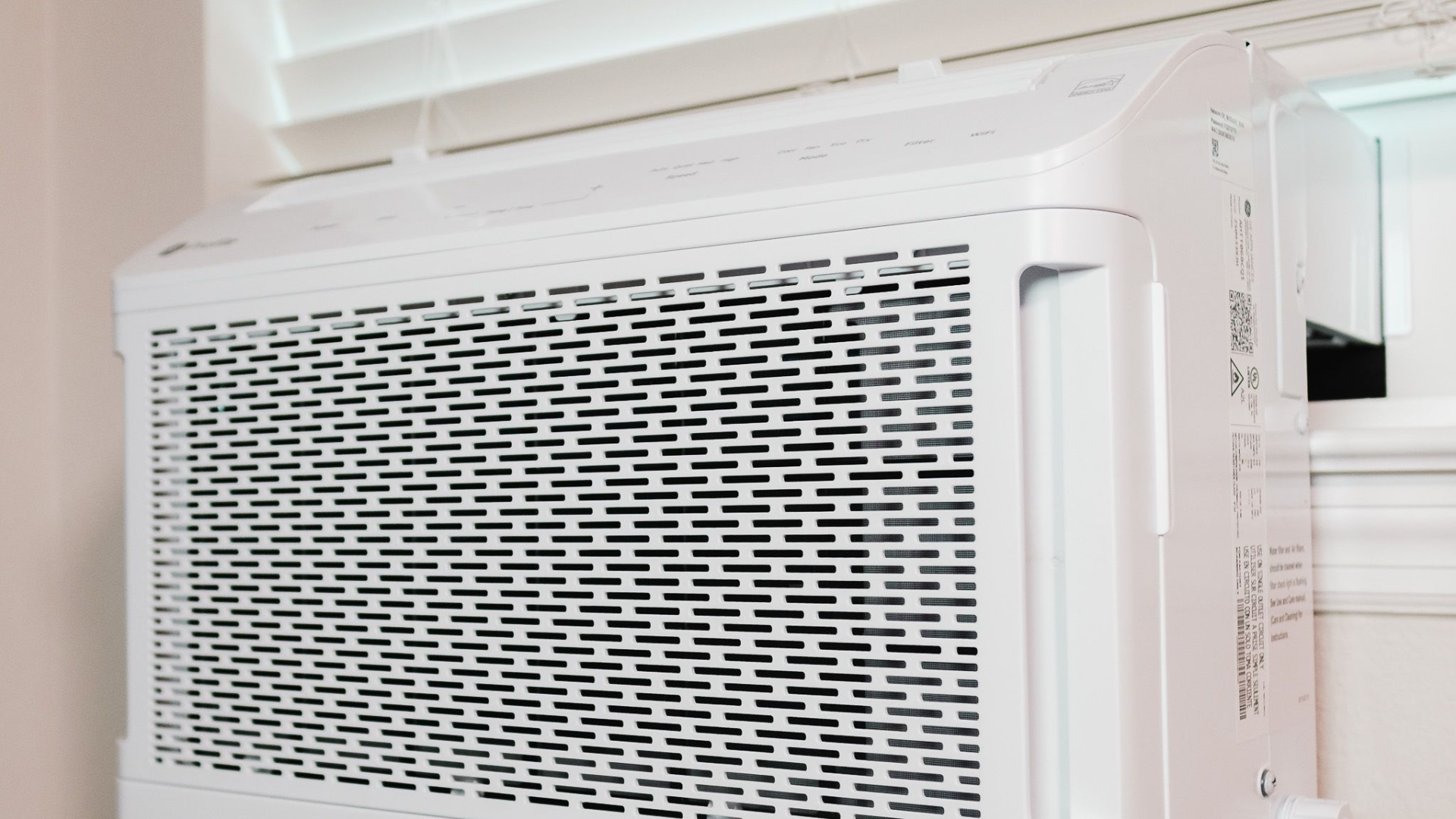
Even a seemingly foolproof project like installing a window air conditioner has a specific failure point worth knowing. Pen recommends tilting the unit slightly outward and sealing every gap with foam or weatherstripping, since a unit spitting water back inside usually means it was installed level instead of angled. Across every habit on this list, the fix rarely costs money. It just costs a little more patience.