The Deadliest 10-Mile Highway in America Isn’t in California or Florida

Driving across the United States is something many people see as routine. Highways connect cities, suburbs, and small towns, carrying millions of cars every day. For most drivers, a long stretch of interstate road feels predictable. You merge, set your cruise control, and watch the miles roll by. Yet behind that calm routine lies a sobering reality. Some highways are far more dangerous than others.
When a Highway Becomes a Hotspot
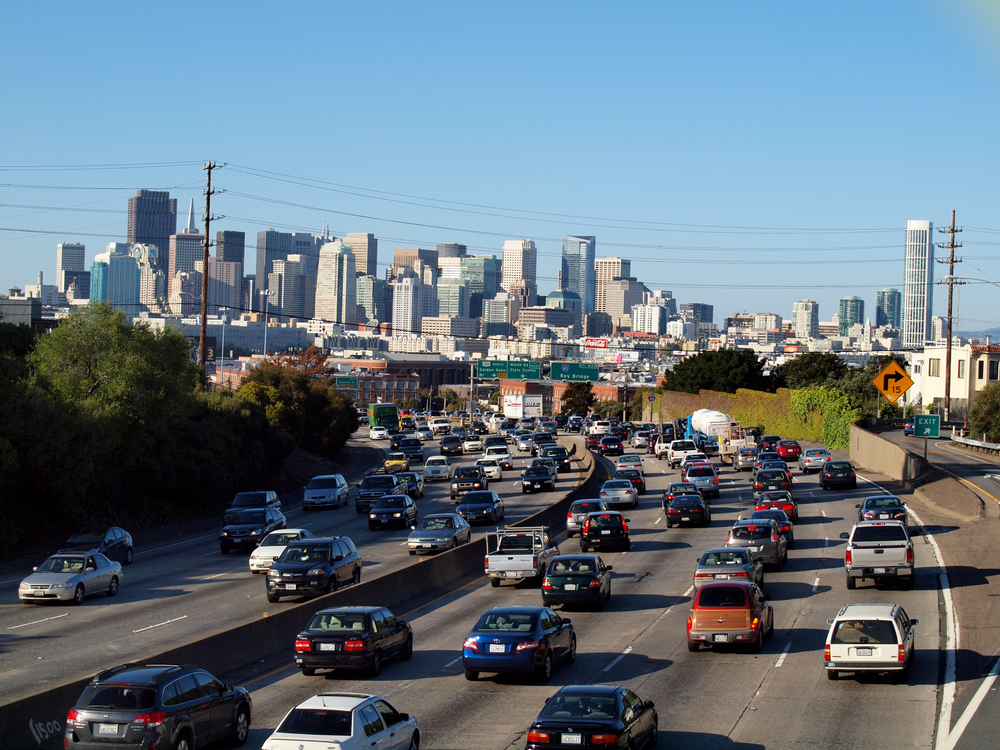
Accidents can happen anywhere. However, traffic experts have found that certain sections of highway see far more fatal crashes than the national average. These hotspots are usually busy urban routes filled with exits, merging lanes, and heavy commuter traffic. When thousands of vehicles squeeze into the same corridor during rush hour, even a small mistake can turn into a deadly chain reaction.
Why Certain Roads Are More Dangerous
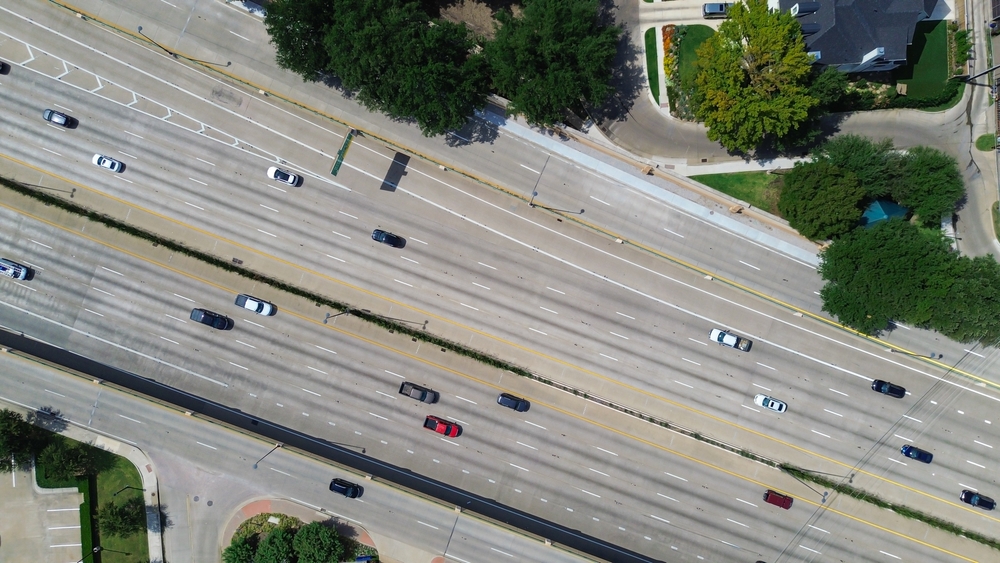
Several factors often make these areas riskier than typical highways. First, complicated interchanges force drivers to merge and exit quickly, sometimes with little room for error. Second, dense traffic means sudden braking or lane changes happen frequently. Finally, distracted or speeding drivers can make already tense driving conditions far worse. When these factors combine, even a short stretch of road can become a place where accidents happen again and again.
Looking at the Data
To understand which highways are the most dangerous, researchers from personal injury law firm Elk & Elk examined decades of crash reports across the United States. They focused on fatal crashes that happened on major primary highways, meaning roads that connect to other routes mainly through interchanges rather than street intersections. Over a 20 year period, more than 91,000 fatal crashes were analyzed to identify the most dangerous stretches of road in the country.
A Surprising Pattern Appears
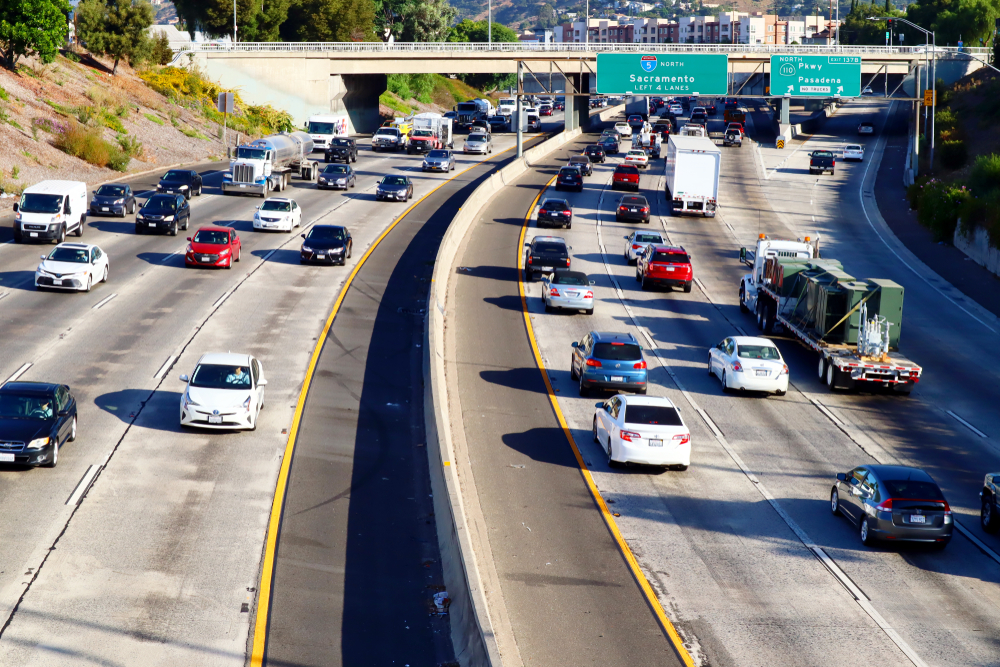
When researchers mapped out the data, a clear pattern began to emerge. Many of the most dangerous highway sections were not scattered randomly across the country. Instead, they were clustered around large metropolitan areas where traffic is heaviest. In fact, the majority of the deadliest highway stretches were located inside or very close to major cities where daily commuting creates intense congestion.
It’s Not Where Many People Expect
If you asked most Americans where the deadliest highway might be, many would likely guess California or Florida. Those states are famous for heavy traffic and long stretches of busy interstates. And to be fair, Florida does have one of the deadliest single miles of highway. A one mile stretch of Interstate 95 in Fort Lauderdale recorded 23 fatal crashes and 24 deaths between 2000 and 2019, making it the most dangerous mile in the country .
Florida’s Reputation for Risky Roads
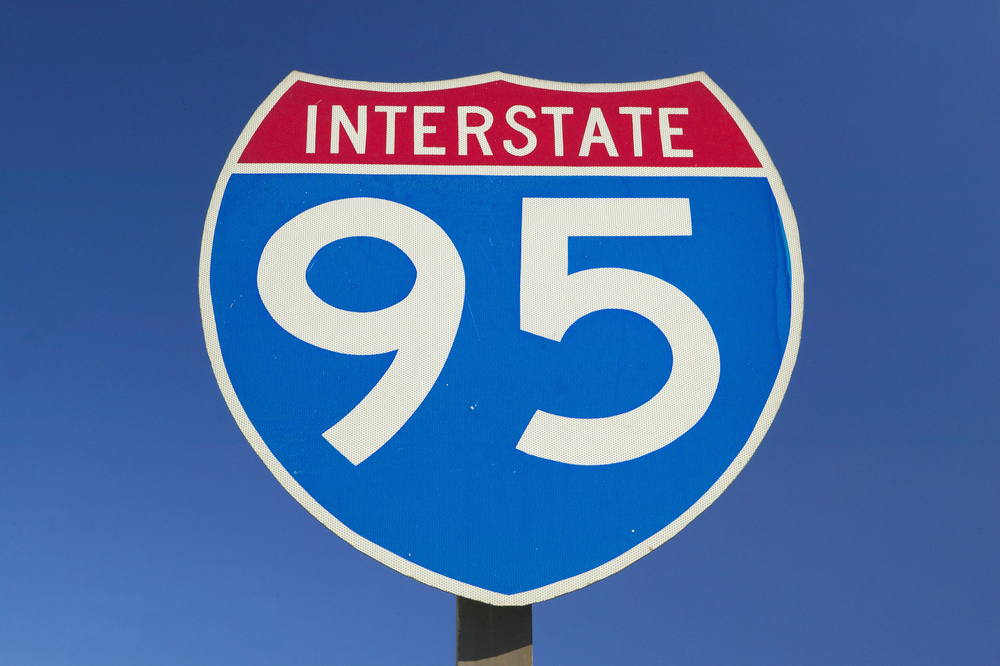
Highways like I-95 in Florida have gained a reputation among drivers. Locals often talk about the stress of navigating crowded lanes, fast moving traffic, and constant construction zones. Some drivers even avoid certain sections whenever possible because of the number of crashes they have witnessed. News reports have described I-95 as one of the most dangerous highways in the nation due to its high number of fatal accidents and heavy traffic flow.
But the Deadliest Stretch Is Somewhere Else
Despite Florida’s notorious roads, the most dangerous ten mile stretch of highway in the United States is not located there. It is also not in California or another coastal state. Instead, the data points to a busy interstate running through the heart of a major Texas city. This stretch of road carries thousands of commuters every day and has become infamous for its crash history.
America’s Deadliest 10-Mile Highway
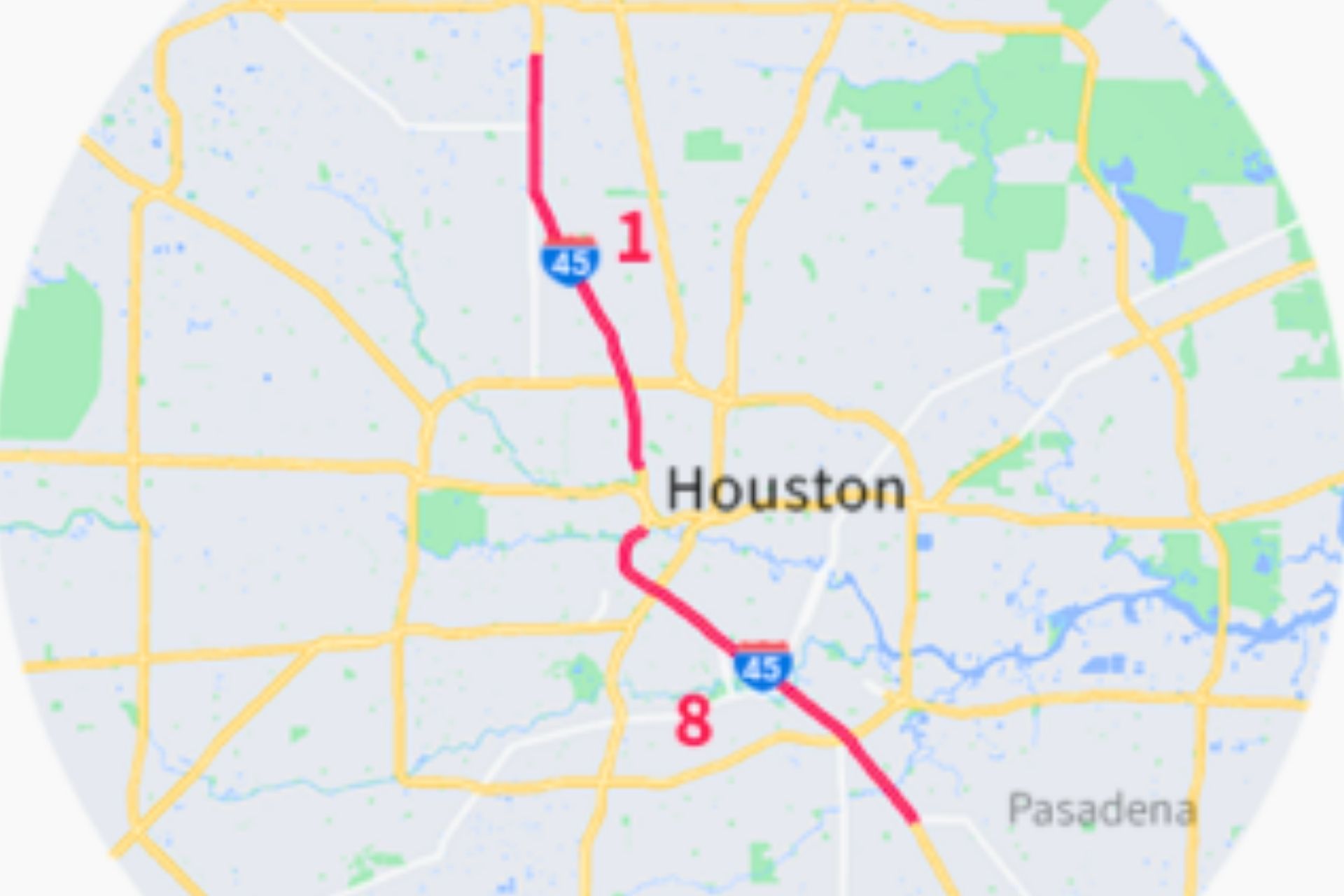
According Elk & Elk’s analysis on nationwide crash reports, the deadliest ten mile stretch of highway in the United States is on Interstate 45 in Houston, Texas, specifically between exits 49B and 60A . Over the 20 year study period, this section recorded 142 fatal crashes and 148 deaths, averaging about 7.7 deadly accidents every year . At one point, the worst year saw 15 fatal crashes along this short stretch alone.
Why This Highway Is So Dangerous
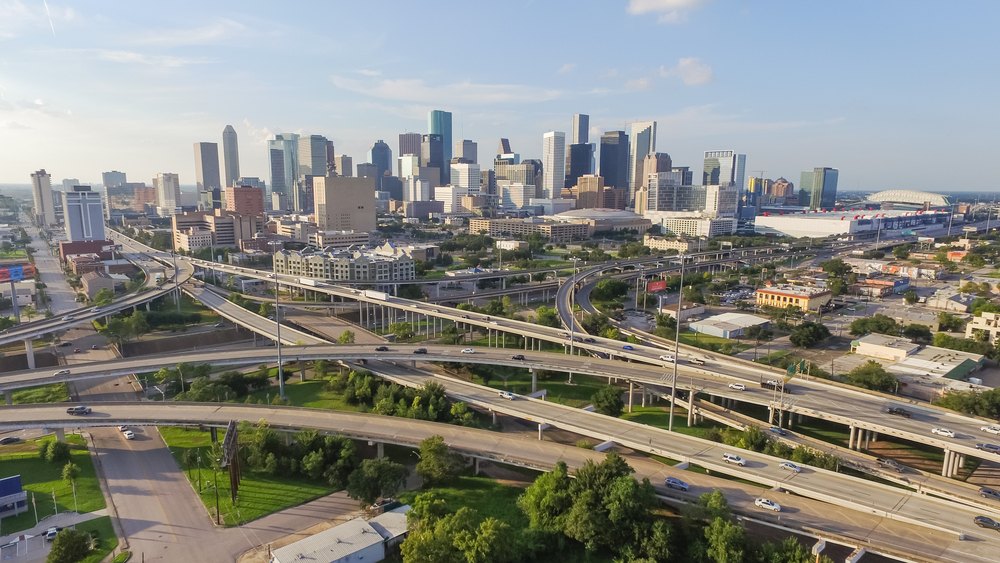
Interstate 45 runs directly through Houston and serves as a major commuting route for the region. The highway experiences heavy traffic during peak hours as drivers travel between suburbs, downtown offices, and nearby cities. With multiple interchanges and constant congestion, drivers must react quickly to merging vehicles and sudden slowdowns. In environments like this, one moment of distraction can quickly lead to tragedy.
A Highway With a Dark Reputation
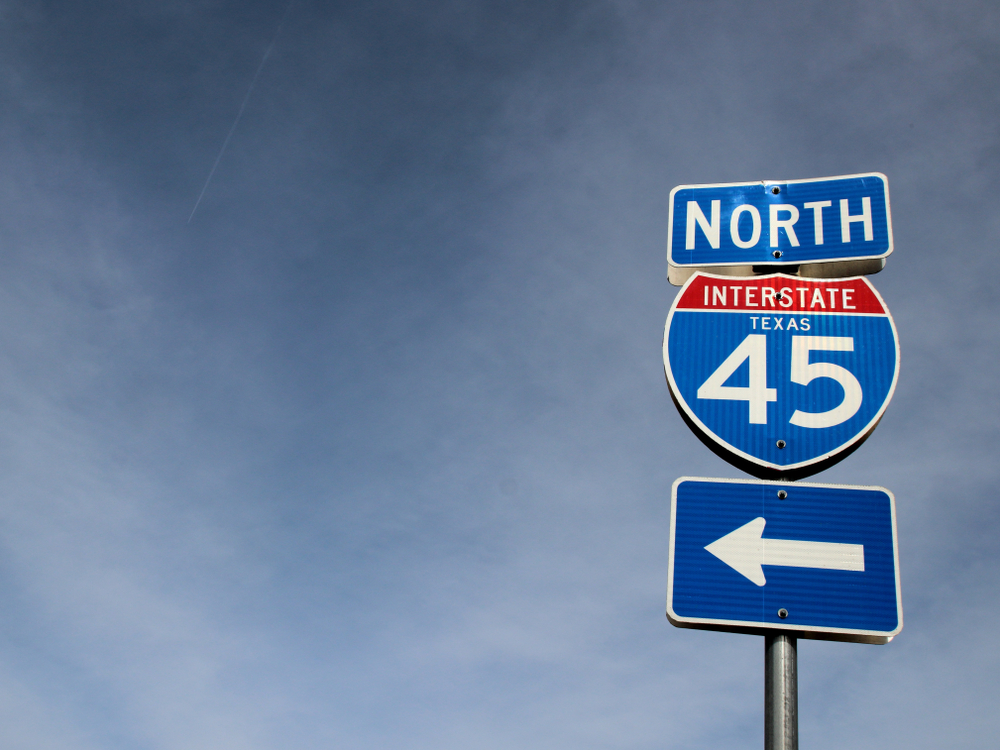
Beyond its crash statistics, the highway has gained a chilling reputation over the years. The area along parts of Interstate 45 south of Houston has sometimes been linked to unsolved disappearances dating back decades. Because of these events, the region has occasionally been referred to by grim nicknames like “America’s Highway to Hell” and “The Killing Fields”.
Efforts to Make It Safer
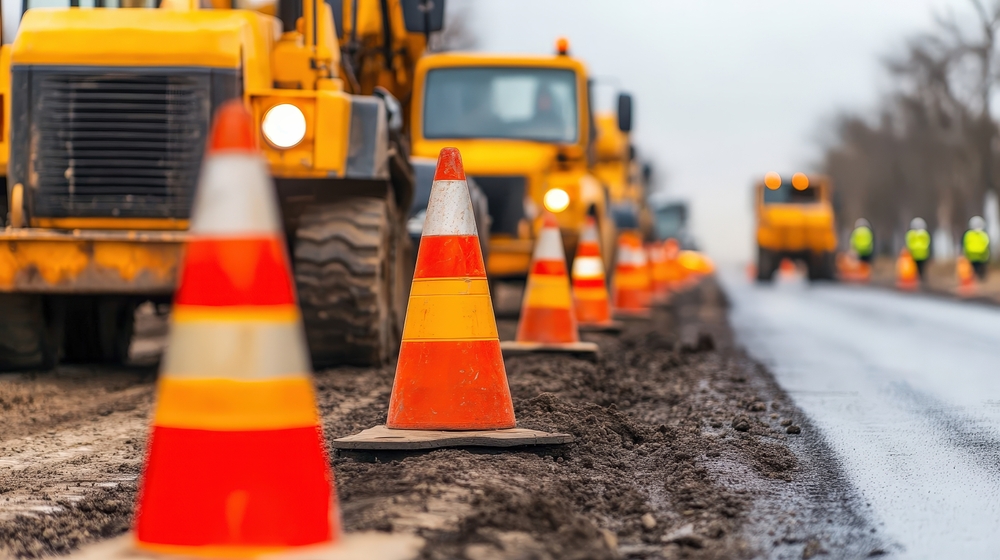
City planners and transportation officials have long recognized the danger posed by this stretch of highway. As a result, Houston launched the North Houston Highway Improvement Project, a massive effort to redesign and expand sections of I-45. The project includes plans to widen lanes, improve traffic flow, and modernize aging infrastructure in hopes of reducing congestion and crashes.
A Reminder for Every Driver

Even though only certain highways make the headlines, the truth is that any road can become dangerous if drivers are careless. Speeding, distracted driving, and aggressive lane changes increase the chances of serious accidents. Researchers emphasize that slowing down, staying alert, and avoiding distractions can significantly reduce the risk of fatal crashes on busy highways.
The Takeaway
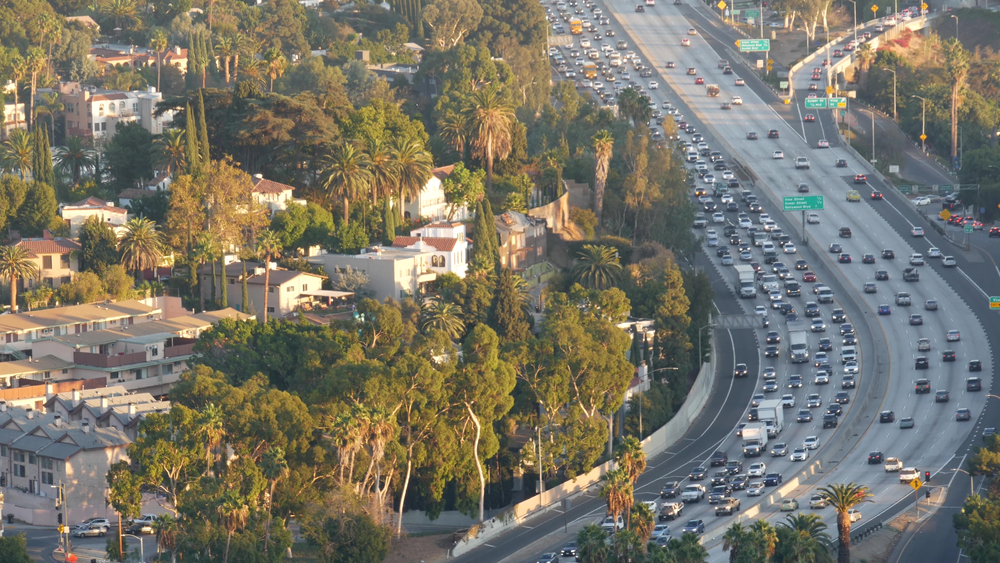
The idea that the most dangerous highway in America might be hiding in plain sight surprises many people. Instead of being located on a famous coastal route, the deadliest ten mile stretch sits quietly in the middle of Houston on Interstate 45. For the thousands of drivers who travel that road every day, it is a reminder that even a routine commute can carry serious risks.