The Data Centers Powering AI Are Making Life Hotter for 340 Million People, and Scientists Warn It Could Get Much Worse
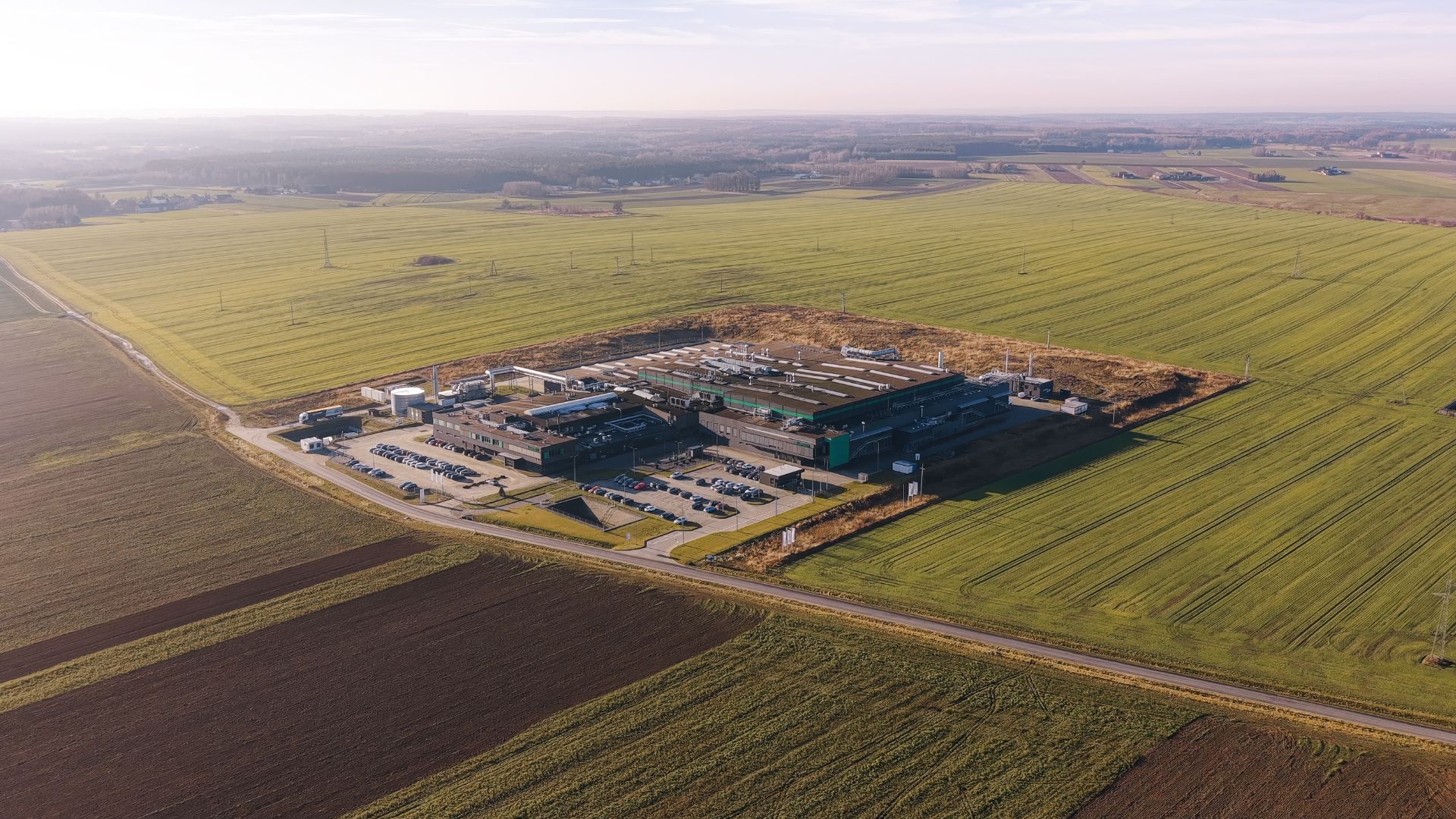

More than 340 million people are living under elevated temperatures linked to nearby artificial intelligence infrastructure, according to a new working paper from researchers at the University of Cambridge. The study found that data centers, the facilities that train and run AI systems, are generating heat that spreads well beyond their own walls, creating what researchers call a “data heat island effect” across surrounding communities.
Data centers form the backbone of modern AI, housing clusters of tens of thousands of graphics processing units, or GPUs, which generate significant heat requiring constant ventilation and water to manage. Some facilities span hundreds to thousands of acres, and a single large-scale center can require more than one gigawatt of power, enough to supply between 750,000 and 1 million homes, according to Fortune.
The Cambridge team examined land surface temperature data from a NASA dataset spanning 2004 to 2024, mapping readings against the locations of more than 6,000 data centers worldwide. The study has not yet been peer-reviewed. Researchers focused on facilities outside densely populated urban areas to reduce the influence of unrelated heat sources, and filtered out seasonal changes and broader global warming trends before drawing conclusions.
On Average, Nearby Land Temperatures Rose to 16.4 in Extreme Cases

Across all 6,000-plus locations in the NASA land surface temperature dataset, surface temperatures rose by an average of 3.6 degrees Fahrenheit after a data center began operations. In the most severe cases, nearby temperatures climbed by up to 16.4 degrees Fahrenheit. The elevated heat extended as far as 6.2 miles from each facility, giving every center a thermal footprint that reaches well into surrounding areas.
The findings were consistent across regions. Mexico’s Bajio region, now a notable data center hub, recorded temperature increases of about 3.6 degrees Fahrenheit over 20 years that could not be attributed to other local factors, according to CNN. A similar result emerged in Aragon, Spain, a major European center for hyperscale AI data centers, where a 3.6-degree rise was not observed in any of the surrounding provinces.
Andrea Marinoni, associate professor with the Earth Observation group at the University of Cambridge and a lead author of the study, said the research highlights how little is understood about data centers’ physical impacts, even as they continue to expand. The planned scale-up of AI infrastructure could carry significant consequences for communities, regional welfare, and the broader economy, he said in remarks reported by CNN.
The Broader Toll of Data Center Growth
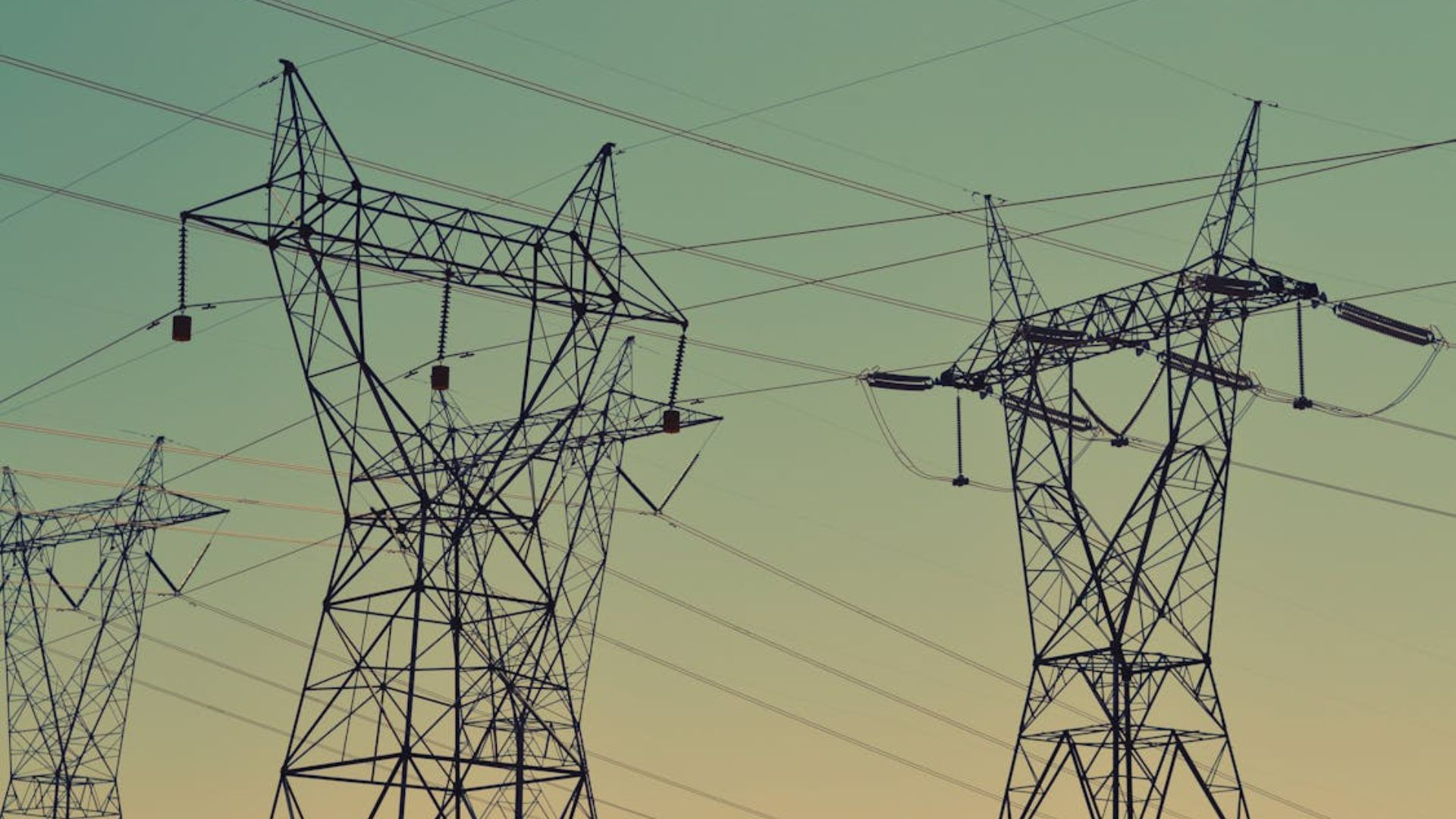
The energy demands of data centers are taxing the United States’ power infrastructure, and those pressures are reaching consumers. Combined with more extreme weather and rising natural gas costs, electricity bills rose 7% as of December 2025, according to Goldman Sachs analysts. As businesses facing higher energy costs pass them along to consumers, including through food prices, the strain reaches well beyond utility bills, the analysts noted.
Goldman Sachs economists Manuel Abecasis and Hongcen Wei wrote in a February client note that the financial strain would be largest for lower-income households, who spend a larger proportion of their budgets on electricity, and for those near heavy data center concentrations, where regional power markets are expected to tighten. These facilities can also generate noise above 90 decibels, above the 85-decibel level health guidelines consider harmful with prolonged exposure, according to Fortune.
According to BloombergNEF estimates, the industry is on pace to spend $760 billion on data center infrastructure in 2026, a significant jump from the $450 billion recorded in 2025. Alphabet, Google’s parent company, alone plans to invest $185 billion into AI infrastructure this year. In arid climates, large volumes of water used for cooling have also raised concerns about drought risk, adding to a growing list of environmental pressures.
Researchers See a Path Forward, With Caveats

Deborah Andrews, emeritus professor of design for sustainability and circularity at London South Bank University, told CNN this was the first paper she had seen focused specifically on the heat data centers produce. She said the pace of AI infrastructure investment has moved faster than the industry’s ability to plan for its broader consequences. Marinoni added that there may still be time to pursue a different approach without limiting AI’s capacity to advance.
Not all researchers are convinced that the findings are fully explained by data center activity. Some independent researchers noted to Fortune that much of the measured land heat may stem from construction clearing vegetation and open land rather than ongoing operations. Ralph Hintemann, a senior researcher at the Borderstep Institute for Innovation and Sustainability, told CNN the results “seem very high” and that powering data centers remains the more pressing climate concern.
Even so, researchers have proposed several approaches. Software improvements targeting computational efficiency could lower energy demand at the source, while advances in chip architecture and hybrid cooling systems combining liquid cooling at the chip level with system-wide air cooling could limit thermal output. Lee Poh Seng, a thermal systems professor at the National University of Singapore, told Fortune that AI infrastructure is “fundamentally an energy and cooling challenge wrapped inside a digital economy opportunity.”