The Case Against Built-In USB Wall Outlets, According to Tech Experts
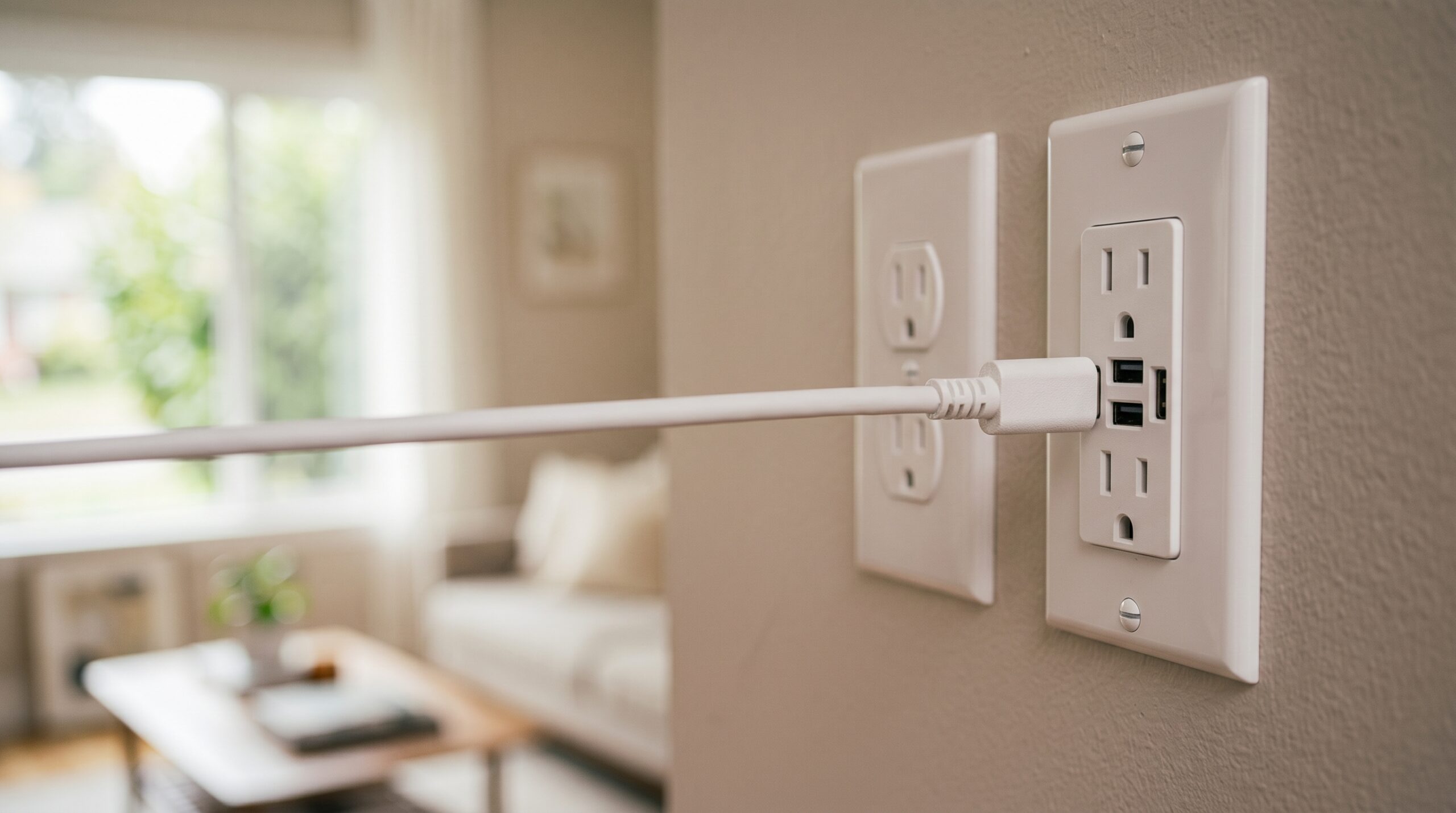

USB wall outlets have become a popular upgrade for homeowners looking to modernize their electrical system. The pitch sounds appealing: skip the bulky charging brick and plug your phone or tablet directly into the wall. Home improvement stores sell entire collections of them, and plenty of homeowners have installed them throughout their houses. But several tech reviewers who have actually lived with these outlets for years have reached a different conclusion. After testing them extensively, they say the convenience comes with real trade-offs that most buyers don’t consider before hiring an electrician. Here’s what to know before you make the switch.
This article was created with the assistance of AI and reviewed by our editorial team for accuracy and clarity.
They’re Permanent, and That’s Not Always a Good Thing
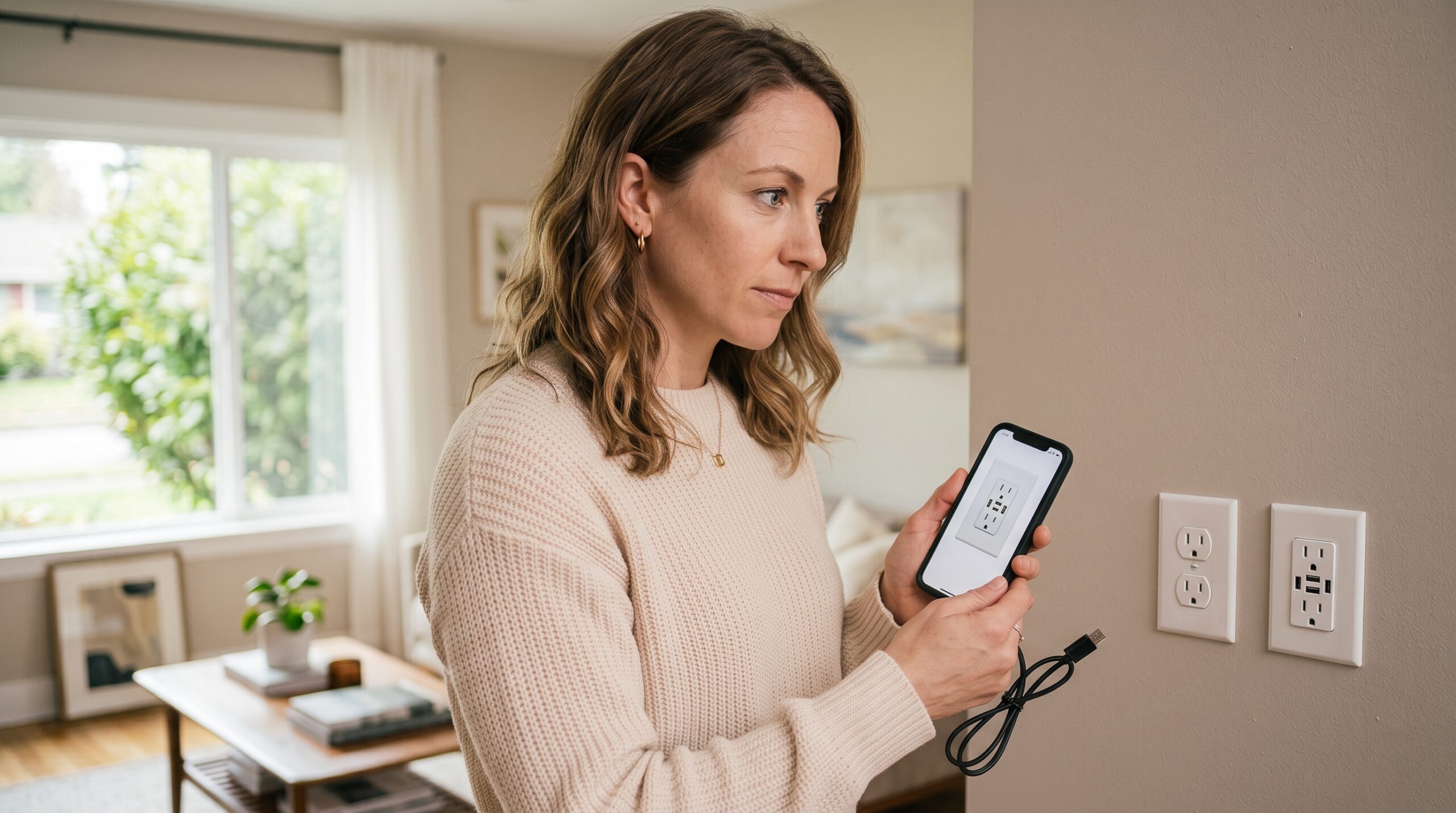
A standard charging brick can shift, unplug, or move slightly without consequence. A USB port built into the wall cannot. Once it’s installed, it stays exactly where it is, and any cable plugged into it has nowhere to give if it gets bumped or tugged. Reviewers who have used these outlets note this rigidity can actually stress cables more than a removable brick would, since there’s no flex point to absorb accidental pulls. For fixed devices that never move, like a lamp or a pet’s water fountain, this isn’t a problem. For everyday phone charging, it can be.
Most Built-In USB Ports Charge Slower Than You’d Expect
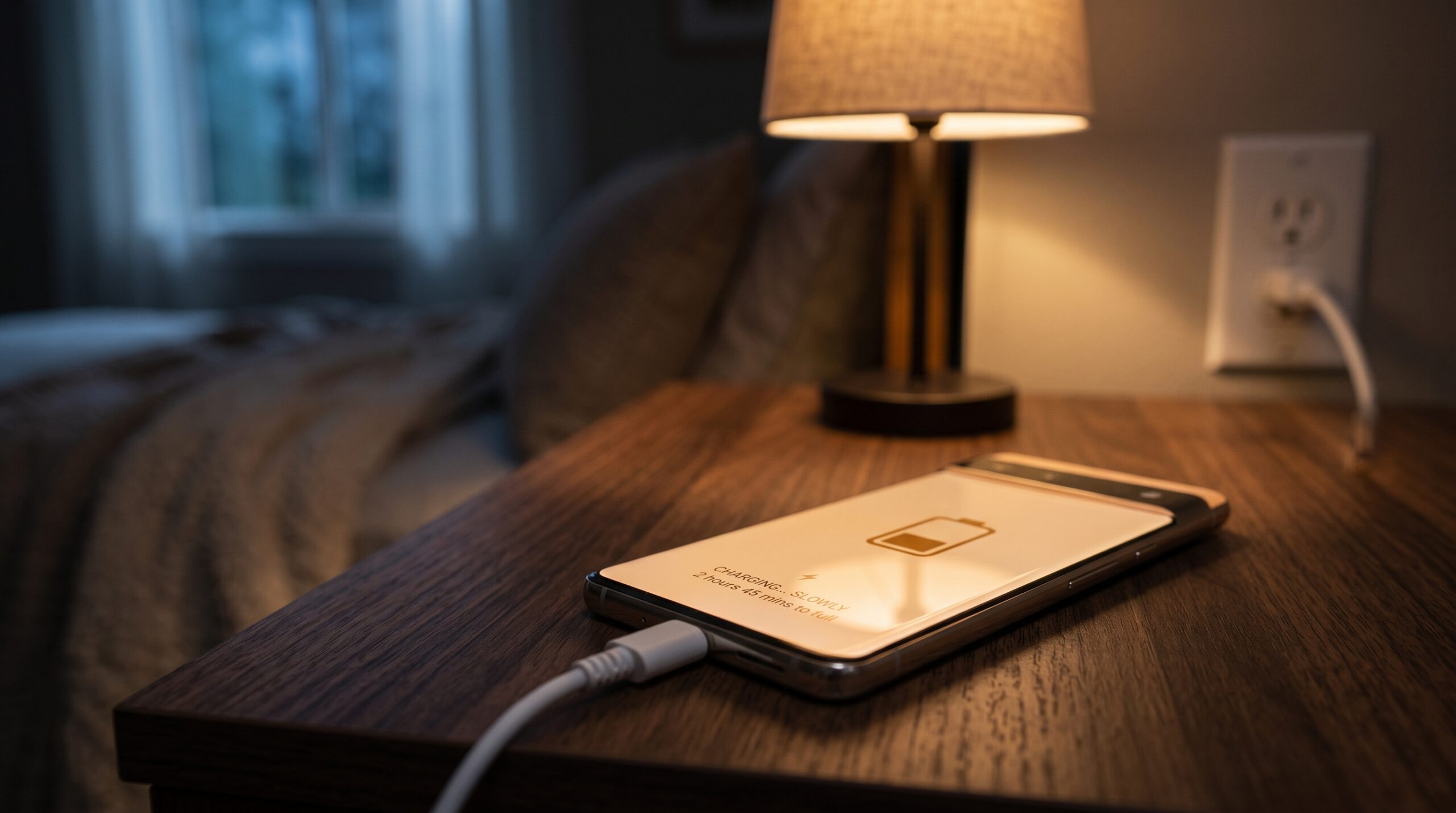
A common assumption is that a USB wall outlet charges just as fast as the brick that came in your phone’s box. In practice, that’s rarely true. Many popular USB wall outlets top out around 15 watts across both ports combined, a rate that was reasonable years ago but lags well behind current phones. Some modern Android phones now support charging speeds five times higher than that. Unless the outlet specifically advertises high wattage output, it’s likely to leave your phone charging noticeably slower overnight than a modern charging brick would.
Charging Standards Change Faster Than Your Walls Do
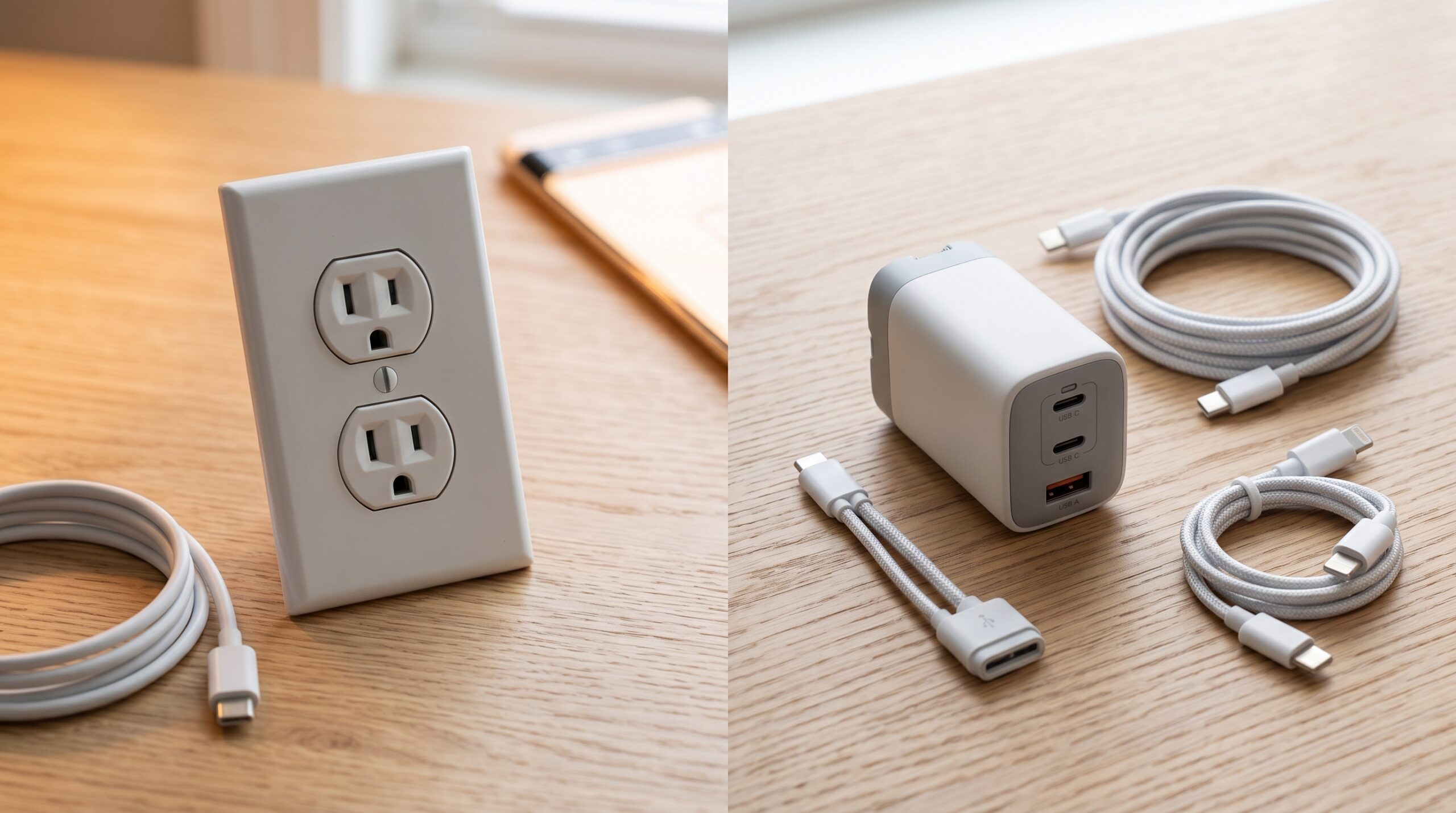
USB charging technology has gone through several generations, and each one brought higher power limits and new connector shapes. A wall outlet installed today reflects whatever standard exists right now, but that standard won’t stay current forever. When the next generation of USB technology arrives, that outlet stays exactly as it is unless you cut into the wall again and replace it. A charging brick, by comparison, can simply be swapped out for a newer model in seconds. That flexibility matters more than it might seem once a few years pass.
The USB-A Versus USB-C Problem Nobody Mentions
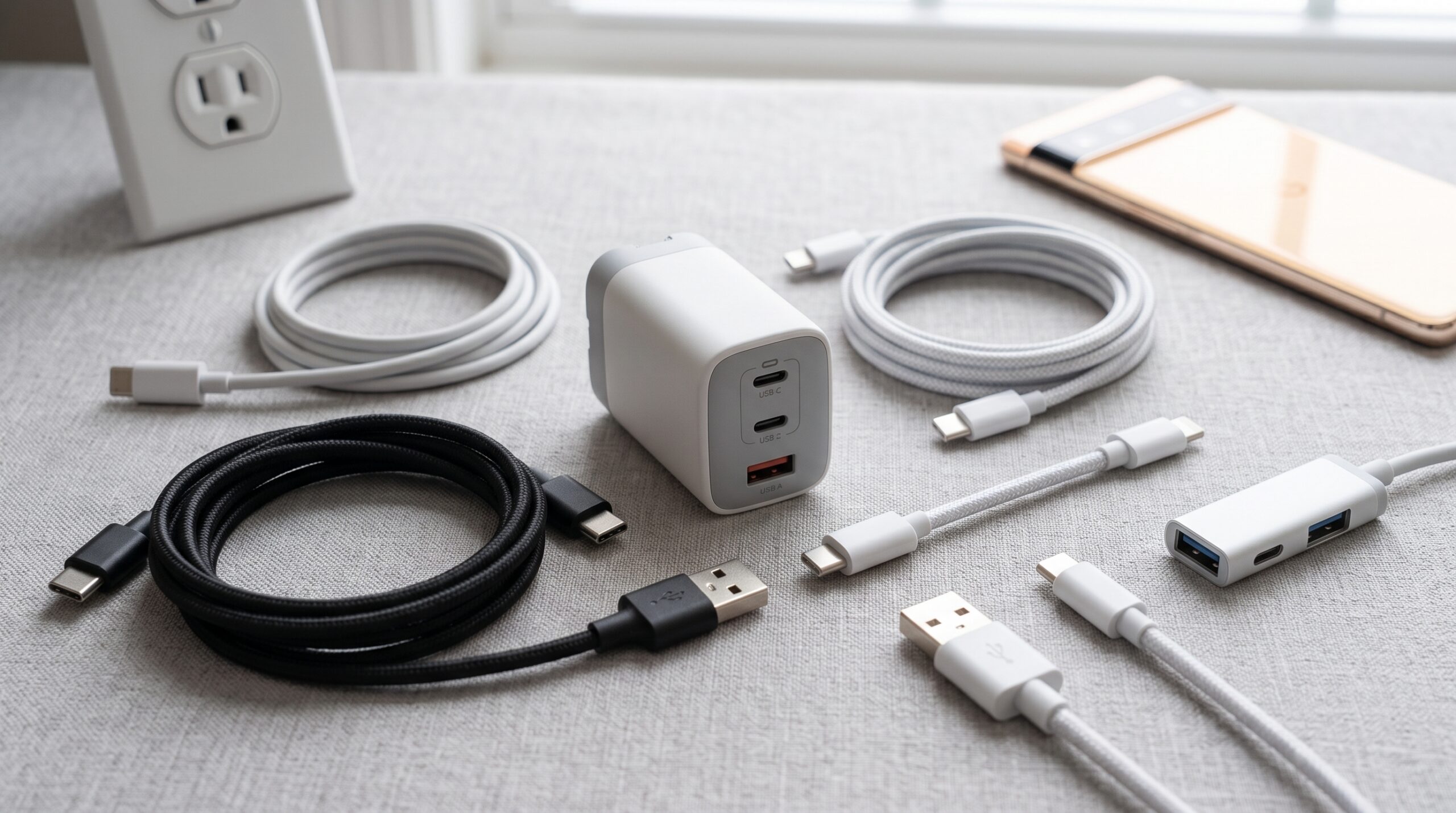
Most USB wall outlets on the market still use the older, rectangular USB-A connector, even though many newer phones, tablets, and laptops have shifted to the smaller USB-C connector for both charging and data. If your outlet only offers USB-A ports, you may need an adapter or a different cable than the one that came with your device. Some manufacturers now offer USB-C wall outlets, but they tend to cost more and are still far less common than USB-A models, creating a mismatch between what’s installed and what people actually own.
Compact Chargers Have Quietly Solved the Clutter Problem
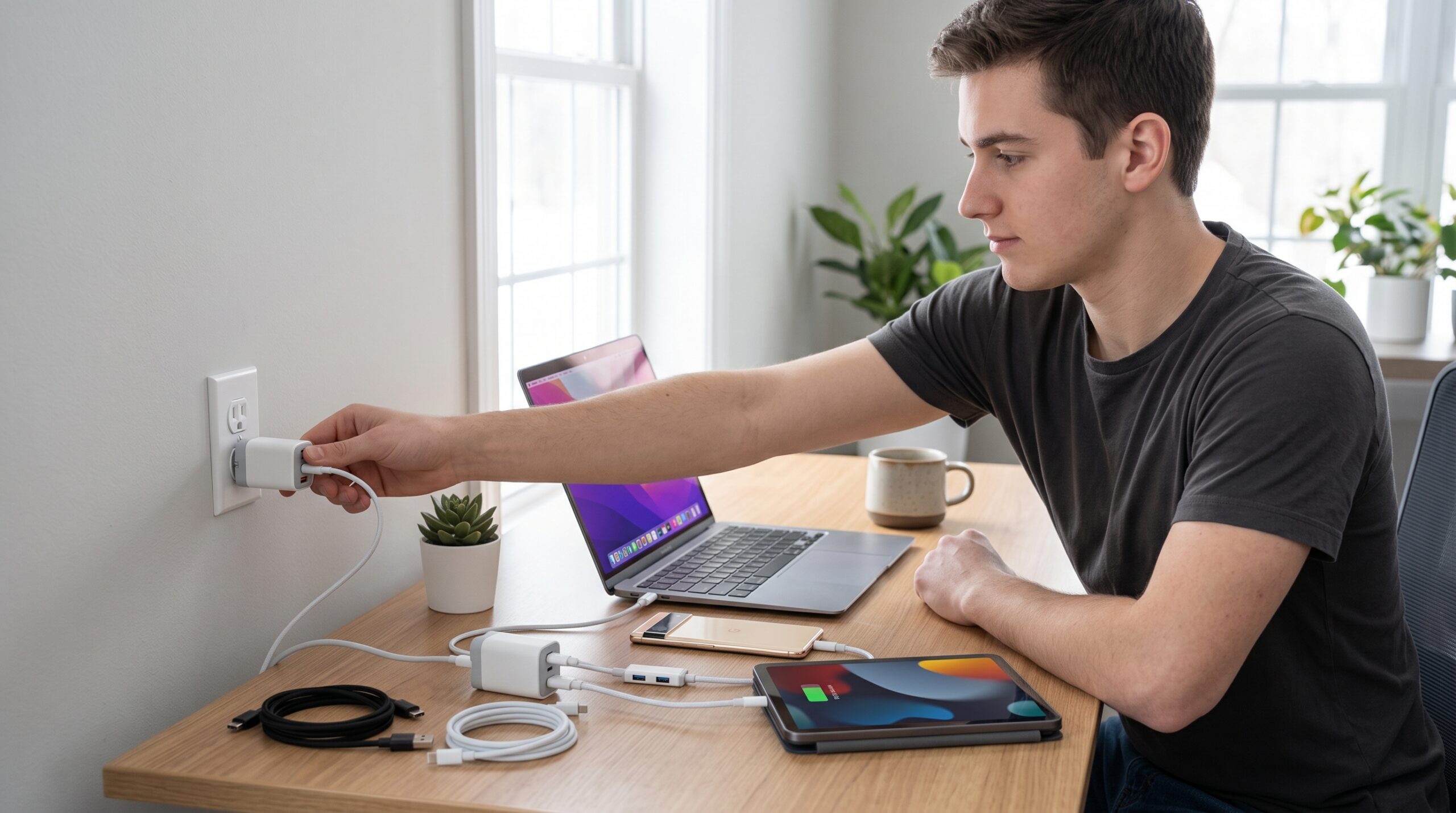
Part of the original appeal of USB wall outlets was reducing the clutter of multiple charging bricks. But charger technology has advanced considerably. Gallium nitride, or GaN, chargers are now widely available and pack far more power into a much smaller housing than older chargers used. A single compact GaN charger can replace separate bricks for a laptop, tablet, and phone, plugging into one standard outlet slot while charging multiple devices at full speed. This portable option now does much of what a built-in USB outlet promises, minus the permanent installation.
Portability Is the Advantage Fixed Outlets Can’t Match

A USB wall outlet stays put once it’s wired into your home. A charging brick doesn’t. That difference matters more than people expect. A quality charger can travel with you on a trip, move from the bedroom to the home office, or get handed to a guest who forgot theirs, all without any electrical work involved. Reviewers who tested both setups point out that this flexibility is one of the biggest reasons a modern charging brick often ends up more practical day to day than a wall outlet, even one with strong specs.
Installation Costs More Than People Expect

Swapping a standard outlet for a USB-equipped one isn’t always as simple as it sounds. While some models are designed for straightforward do-it-yourself installation, others require an electrician, especially in older homes or when local codes call for licensed work on wall wiring. Add up the cost of the outlet itself, any necessary labor, and the fact that the technology may need replacing again in a few years, and the total cost can exceed what most people would spend on several high-quality charging bricks that will last just as long and go anywhere.
There Are Still Situations Where They Make Sense
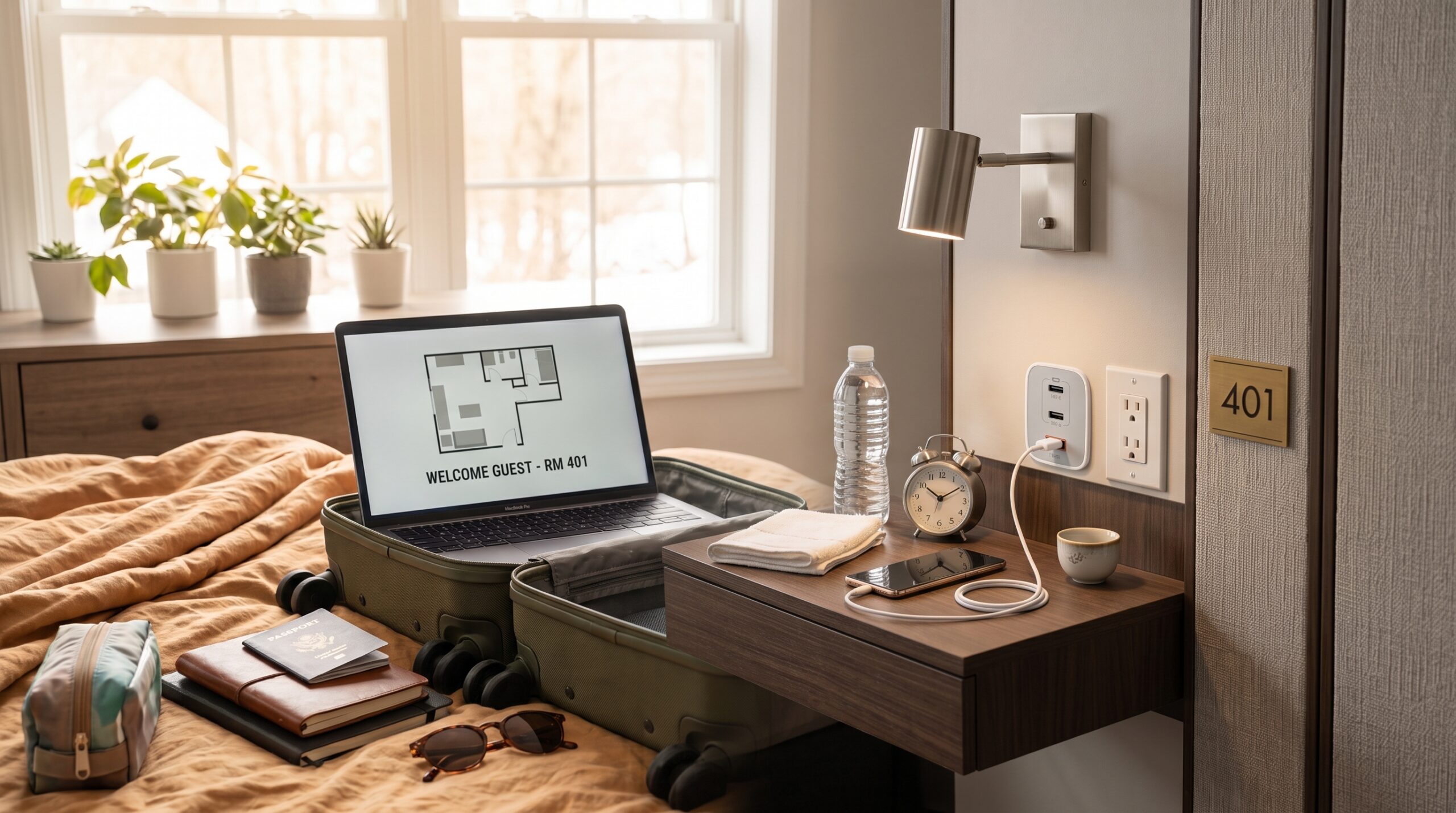
None of this means USB wall outlets are a bad choice in every situation. They can be genuinely useful for devices that stay in one place permanently, like a bedside lamp, a security camera, or a kitchen appliance that draws USB power. They’re also a popular amenity in hotels and rental properties, where guests often show up without their own chargers. For a fixed setup where the cable never gets disturbed and convenience for visitors matters more than raw charging speed, a USB outlet can still earn its spot on the wall.
What to Weigh Before You Commit to the Upgrade

The decision comes down to how you actually use your devices. If you value flexibility, fast charging, and the ability to upgrade your equipment without an electrician, a modern compact charger paired with a standard outlet is likely the better investment. If you have a device that never moves and simply needs steady, low-power charging, a USB outlet can still be worthwhile. Either way, it’s worth checking the wattage, connector type, and installation requirements before assuming a built-in USB outlet is the more convenient option.