The Airport Security Mistake Many Travelers Don’t Realize They’re Making


Going through airport security is a routine part of air travel, but many passengers unknowingly make mistakes that can slow down the screening process or increase the risk of losing valuable belongings. One of the most common errors involves placing certain personal items directly into TSA bins where they can be misplaced, forgotten, or become targets for theft. Travel experts recommend taking a few extra precautions to protect valuables and move through security more efficiently. Understanding what should and should not go into a screening bin can help make every trip smoother.
Never Place Loose Valuables Directly in a TSA Bin
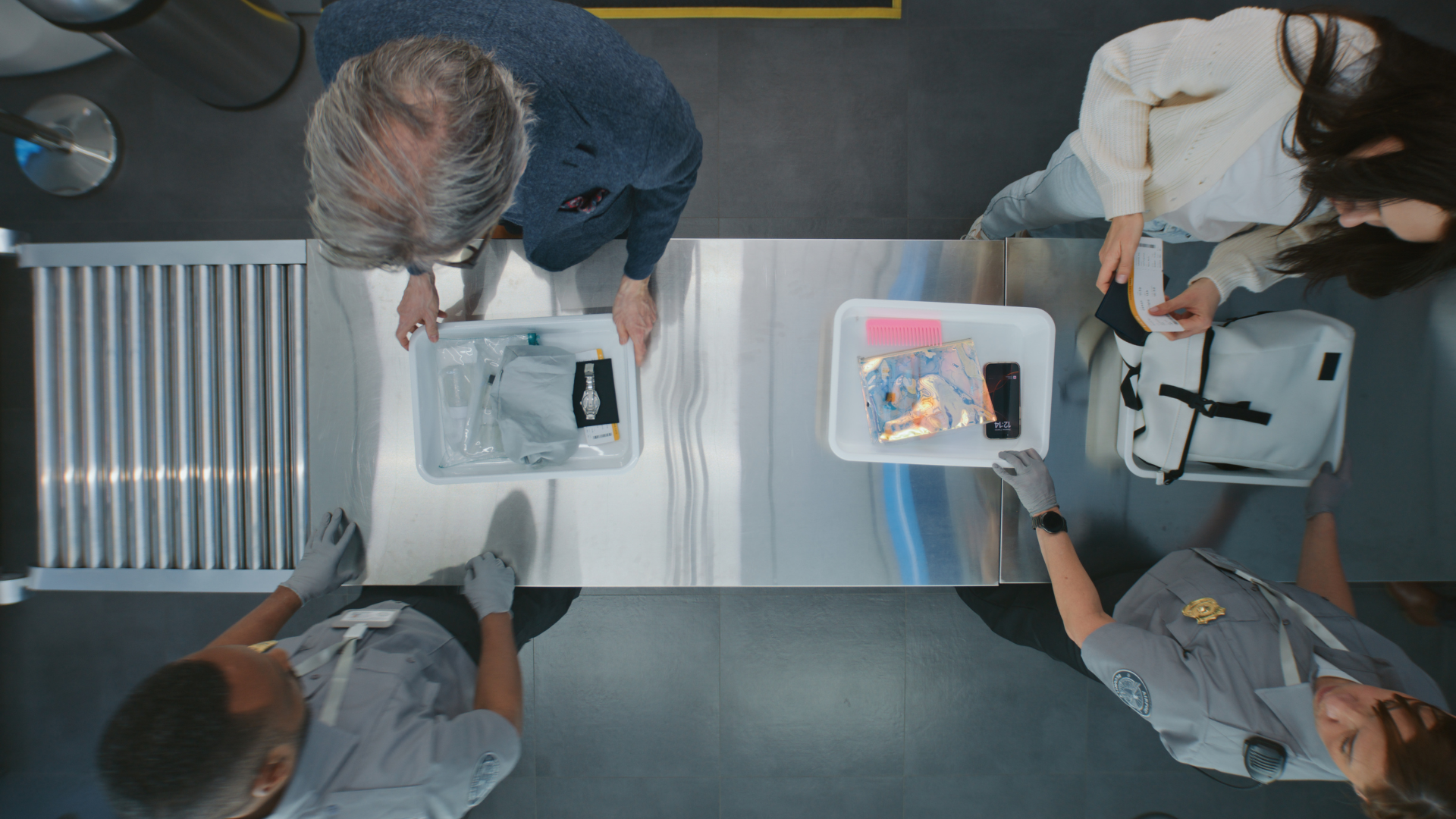
Items such as wallets, smartphones, watches, jewelry, passports, and cash should not be placed loosely inside a TSA bin. Instead, security experts recommend placing these valuables inside a zippered compartment of your carry-on bag before sending it through the X-ray machine. This reduces the chance of accidentally leaving something behind or having it separated from your luggage during screening.
Keep Travel Documents Secure
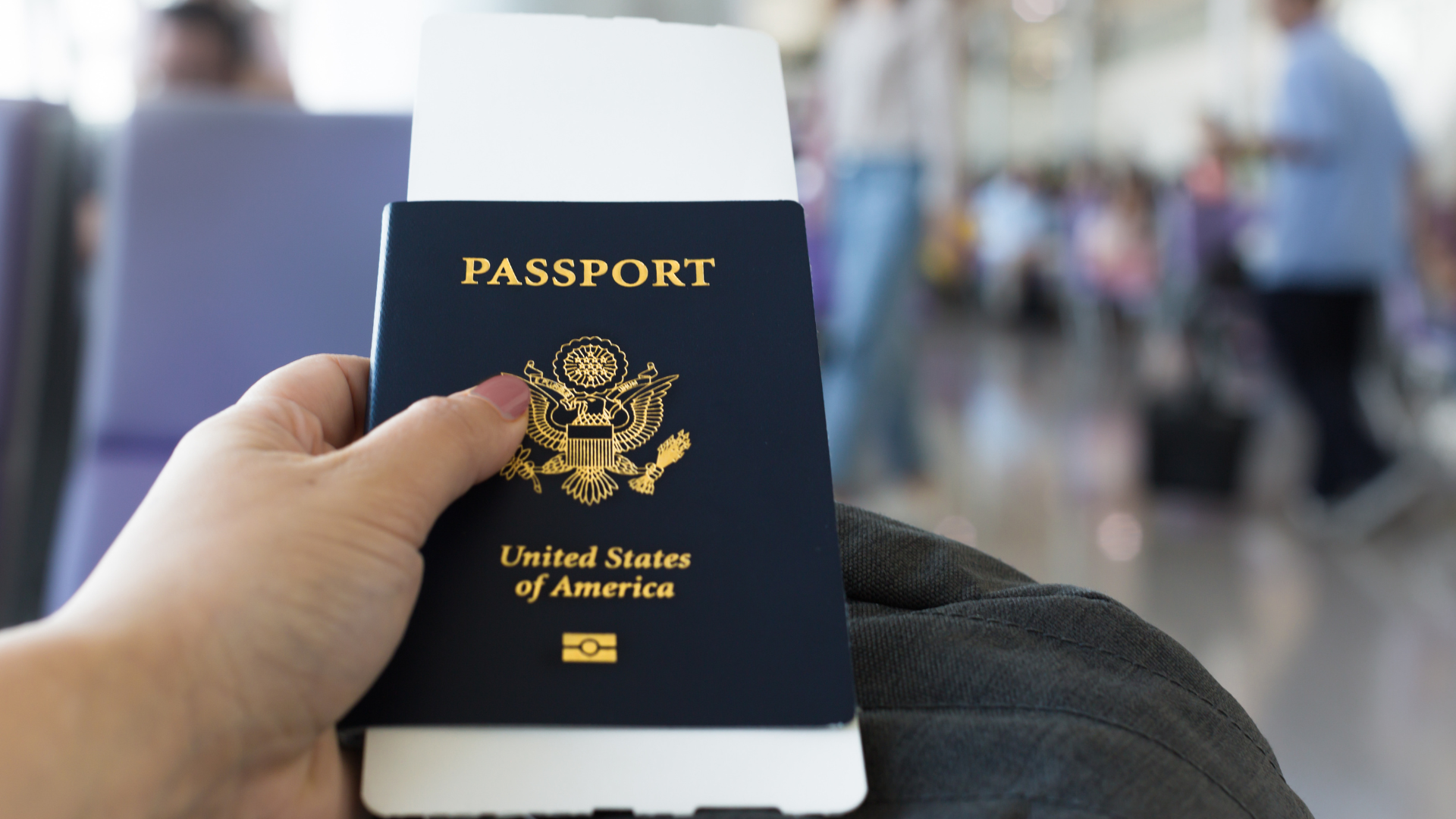
Passports, identification cards, and boarding passes are among the most important travel items you carry. Rather than placing them in a security bin, keep them in a secure travel wallet or document holder until they are needed. Losing these documents can cause significant travel delays and unnecessary stress.
Jewelry Is Better Stored Than Removed

Many travelers remove jewelry before reaching the checkpoint, but small items can easily slide around or become overlooked in large plastic bins. Whenever possible, place jewelry inside a small pouch within your carry-on bag. If jewelry does not trigger metal detectors, there may be no need to remove it at all, depending on TSA instructions and the screening equipment being used.
Organize Electronics Before You Reach the Checkpoint

Laptops, tablets, and other large electronic devices may need to be removed from carry-on bags at some airports, although newer CT scanners increasingly allow electronics to remain packed. Organizing these items before reaching security helps reduce delays and makes repacking much easier after screening. Travelers should always follow the instructions provided at their specific checkpoint.
Use the Bin Only for Required Items
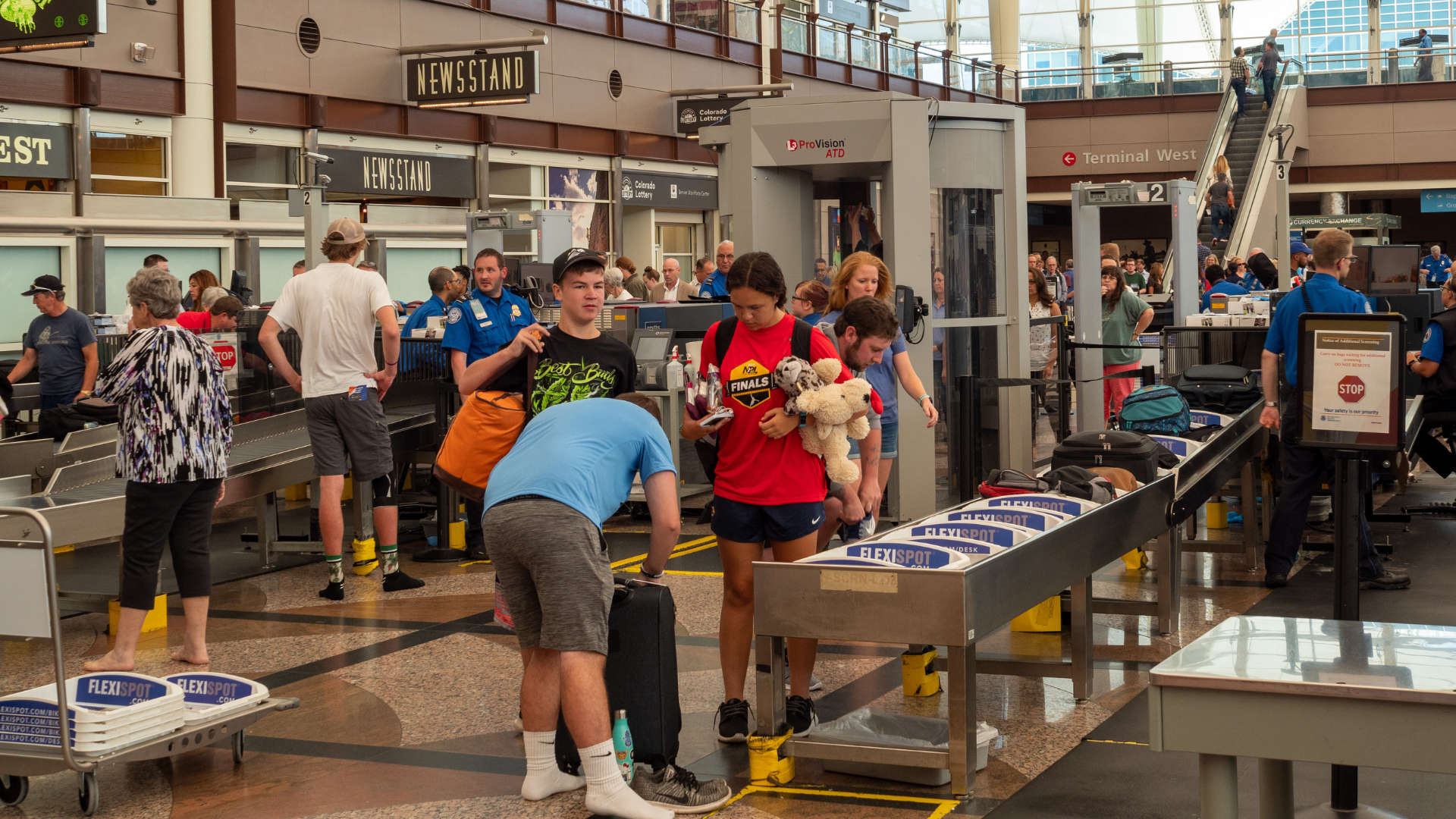
Security bins should contain only the items that TSA officers instruct passengers to remove. Adding unnecessary personal belongings increases the chance that something will be forgotten or misplaced. Keeping valuables secured inside your carry-on bag also helps streamline the screening process.
Watch Your Belongings at All Times

One of the simplest ways to protect your belongings is to keep them within sight whenever possible. Wait until the person ahead of you has cleared the screening area before placing your bags on the conveyor belt. After passing through the scanner, retrieve your belongings promptly to minimize the risk of confusion or accidental mix-ups with other passengers.
Prepare Before Reaching Security
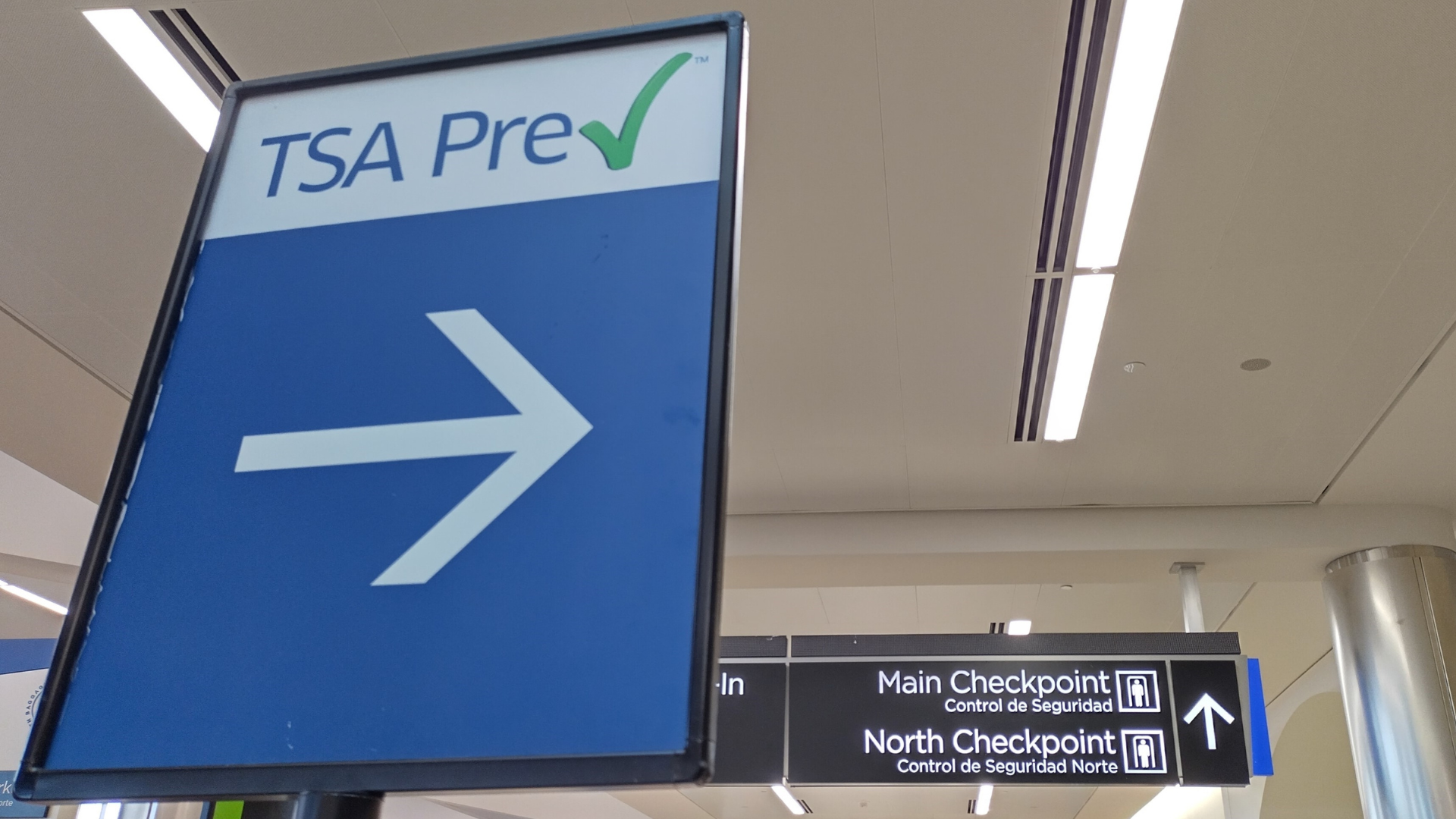
Experienced travelers often prepare for security while waiting in line. Removing prohibited items, placing liquids in accessible bags, emptying pockets, and organizing electronics beforehand allows the screening process to move much more smoothly. A few minutes of preparation can reduce stress for both travelers and security personnel.
TSA Procedures Can Vary Between Airports
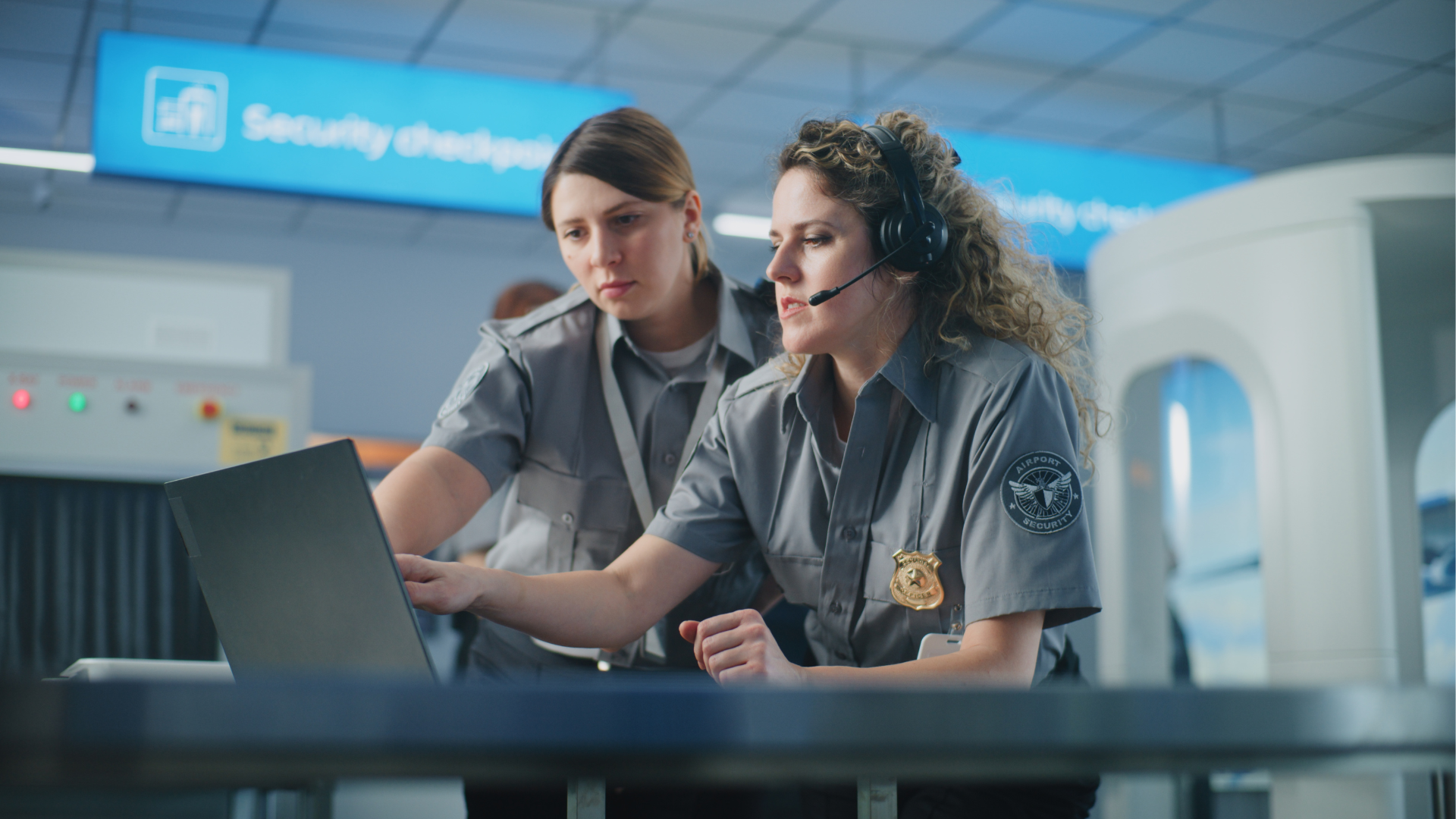
Airport security procedures may differ depending on the airport, screening technology, and whether travelers are enrolled in programs such as TSA PreCheck. Some checkpoints use advanced CT scanners that allow passengers to leave laptops and liquids inside their bags, while others still require separate screening. Paying attention to posted instructions and TSA officers’ guidance helps prevent unnecessary delays.
Smart Preparation Makes Travel Easier
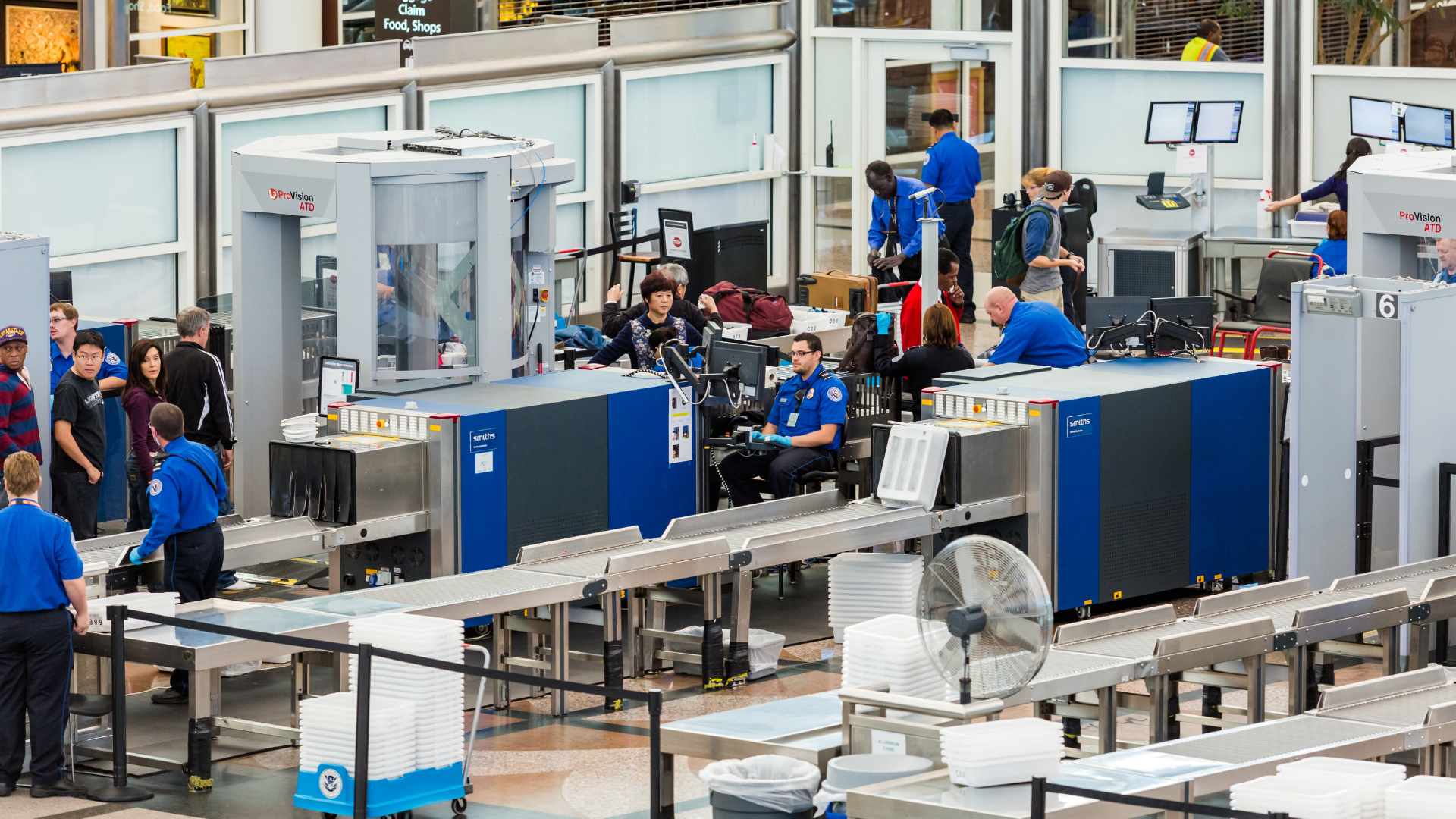
Many airport security problems can be avoided with a little preparation and awareness. Keeping valuables inside your carry-on instead of placing them loosely in TSA bins, organizing electronics in advance, securing important travel documents, and following checkpoint instructions all help reduce the risk of lost belongings and speed up the screening process. Every airport may operate slightly differently, but careful planning allows travelers to move through security more confidently and begin their journey with fewer hassles.