The 1922 Colorado River Pact Has Never Been Broken, but This Summer Could Change That


For more than 100 years, the Colorado River Compact has governed how water is shared across the American West. Signed in 1922, the agreement divided the river’s resources among seven states and helped fuel the rise of cities, farms, and industries throughout the Southwest.
Now, that century-old framework is under unprecedented strain. After years of drought, shrinking snowpack, and rising temperatures, negotiators from the Upper Basin states — Colorado, New Mexico, Utah, and Wyoming — remain locked in conflict with Lower Basin states Arizona, California, and Nevada over who should absorb the deepest cuts to water use.
The stakes are enormous. Roughly 40 million people rely on the Colorado River system for drinking water, agriculture, hydropower, and industry. The river also supports about 5.5 million acres of farmland and dozens of tribal nations across the region. Yet experts say the river now carries far less water than the compact originally assumed when it was drafted during a far wetter era.
Climate Change Is Exposing the Pact’s Weakest Assumptions
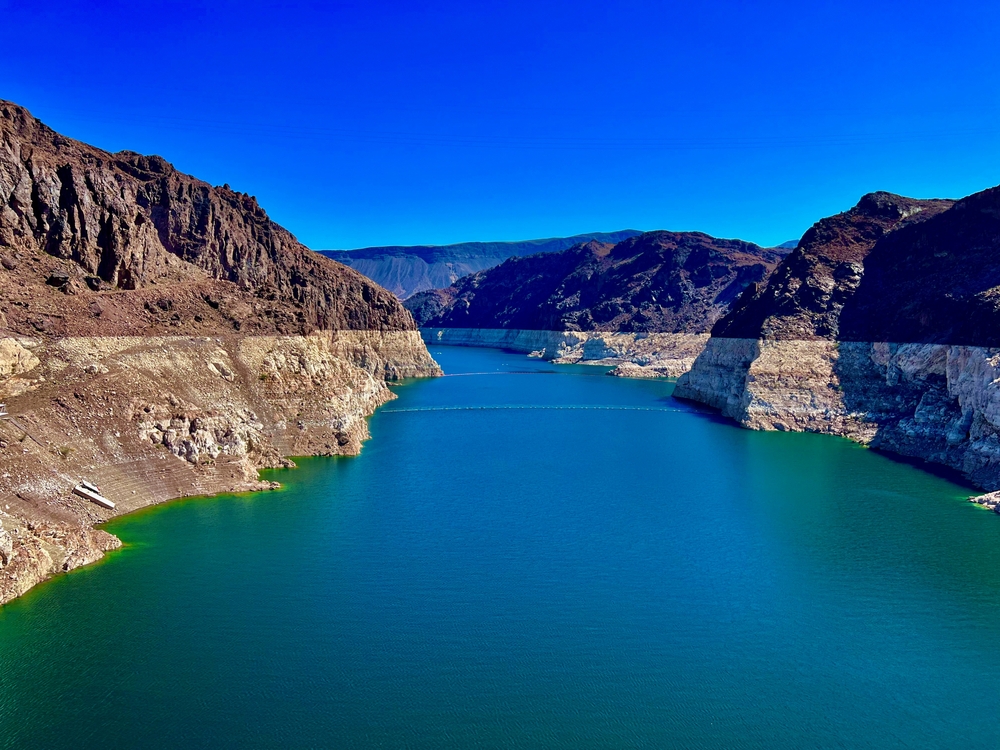
When the compact was negotiated, officials estimated the Colorado River delivered roughly 16 to 18 million acre-feet of water annually. Modern measurements place average flows closer to 12 million acre-feet, with climate change steadily worsening the gap between supply and demand.
Scientists and water managers say the system is now confronting conditions unlike anything envisioned by the agreement’s architects. The region has endured what researchers describe as the worst drought in at least 1,200 years, while warmer winters have reduced mountain snowpack that feeds the river.
Reservoirs central to the system are under growing pressure. Lake Mead and Lake Powell, the nation’s two largest reservoirs, have both fallen to historically low levels in recent years. Federal officials have warned that if water levels continue to decline, Glen Canyon Dam could eventually lose its ability to generate hydropower.
Brad Udall, a senior water and climate researcher at Colorado State University, told Wired the crisis has been building for decades. “Those of us who are kind of in the know … have seen something like this coming for a long, long time,” he said. Experts increasingly warn that even a single dry summer could force emergency federal intervention.
States Are Digging Into Legal Positions Instead of Compromise

The core dispute centers on who should bear responsibility for conserving water as supplies shrink. Lower Basin states argue every state must share the burden. Upper Basin officials counter that they already use less water overall and should not face mandatory reductions tied to shortages they say were created downstream.
The divide reflects deeper tensions embedded within the “Law of the River,” the web of compacts, court rulings, federal laws, and agreements governing the basin. Western water law has long operated under the principle of “first in time, first in right,” meaning older water claims generally take priority during shortages.
That structure leaves some regions especially vulnerable. Arizona holds relatively junior water rights compared with California’s Imperial Valley agricultural districts and several tribal nations with senior claims. If severe shortages trigger strict enforcement of water priorities, Arizona could face some of the earliest and deepest cuts.
Negotiators have repeatedly missed federal deadlines intended to produce a new post-2026 management plan. The Bureau of Reclamation has floated several possible alternatives, ranging from voluntary conservation agreements to federally imposed reductions. But consensus remains elusive, and multiple states have already begun preparing for prolonged litigation.
Some officials worry the situation is drifting toward a direct Supreme Court battle between states. Arizona and Utah have reportedly expanded legal budgets for potential litigation, while Colorado has also hired additional water attorneys. Senator Michael Bennet of Colorado recently warned in a statement that “we cannot litigate our way out of this prolonged drought.”
What Happens Next Could Reshape the American West
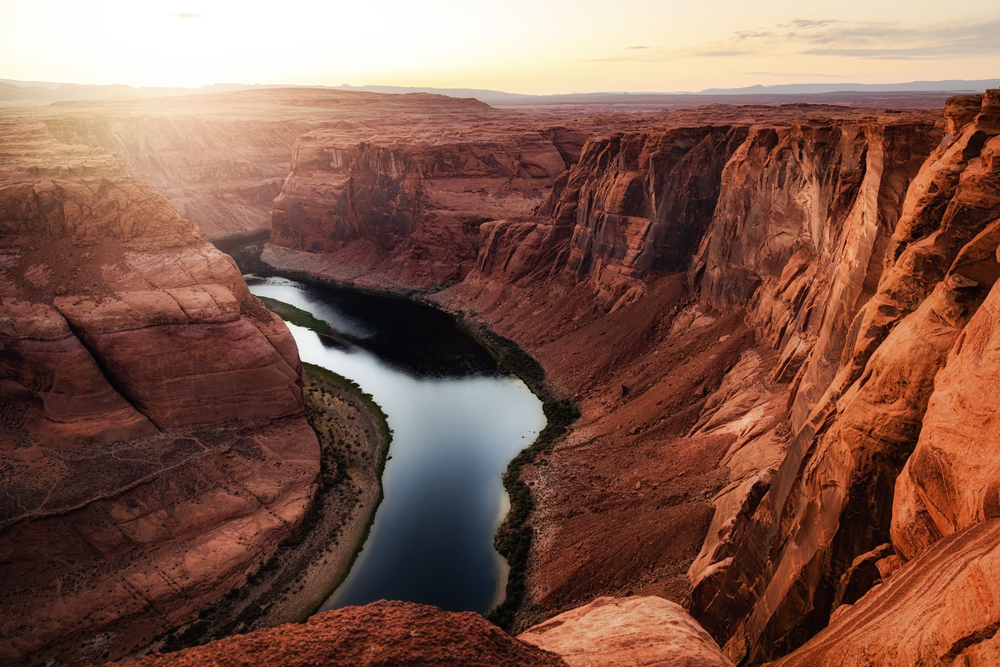
The possibility of breaking long-standing Colorado River delivery obligations would mark a historic turning point for Western water management. Until now, the compact has survived decades of political conflict, rapid urban growth, and periodic drought without collapsing outright. But experts increasingly fear the combination of climate pressures and political deadlock could force unprecedented action. Some analysts warn the federal government may eventually impose mandatory reductions if the states remain unable to negotiate a compromise themselves.
The economic implications stretch far beyond the Southwest. Agriculture accounts for the majority of Colorado River water use, including crops that supply much of America’s winter vegetables and cattle feed. Reduced river flows could affect food prices, municipal water rates, and electricity costs tied to hydropower generation. Environmental advocates also warn that years of courtroom battles could leave little flexibility to protect ecosystems already under stress. Native fish species, wetlands, and river habitats throughout the basin have suffered major losses as water levels continue to fall.
Even so, many water experts argue the crisis also creates pressure for long-term reforms that were politically difficult during wetter decades. Cities across the basin have already reduced water consumption through conservation programs, while some states are experimenting with paying farmers to leave land temporarily unplanted.
Whether those efforts are enough may become clearer in the months ahead. For the first time since the Colorado River Compact was signed in 1922, officials are openly discussing scenarios in which the system’s promises may no longer match the reality of the river itself.