That Tire Light Won’t Go Away? Your Car May Be Warning You About Something Else
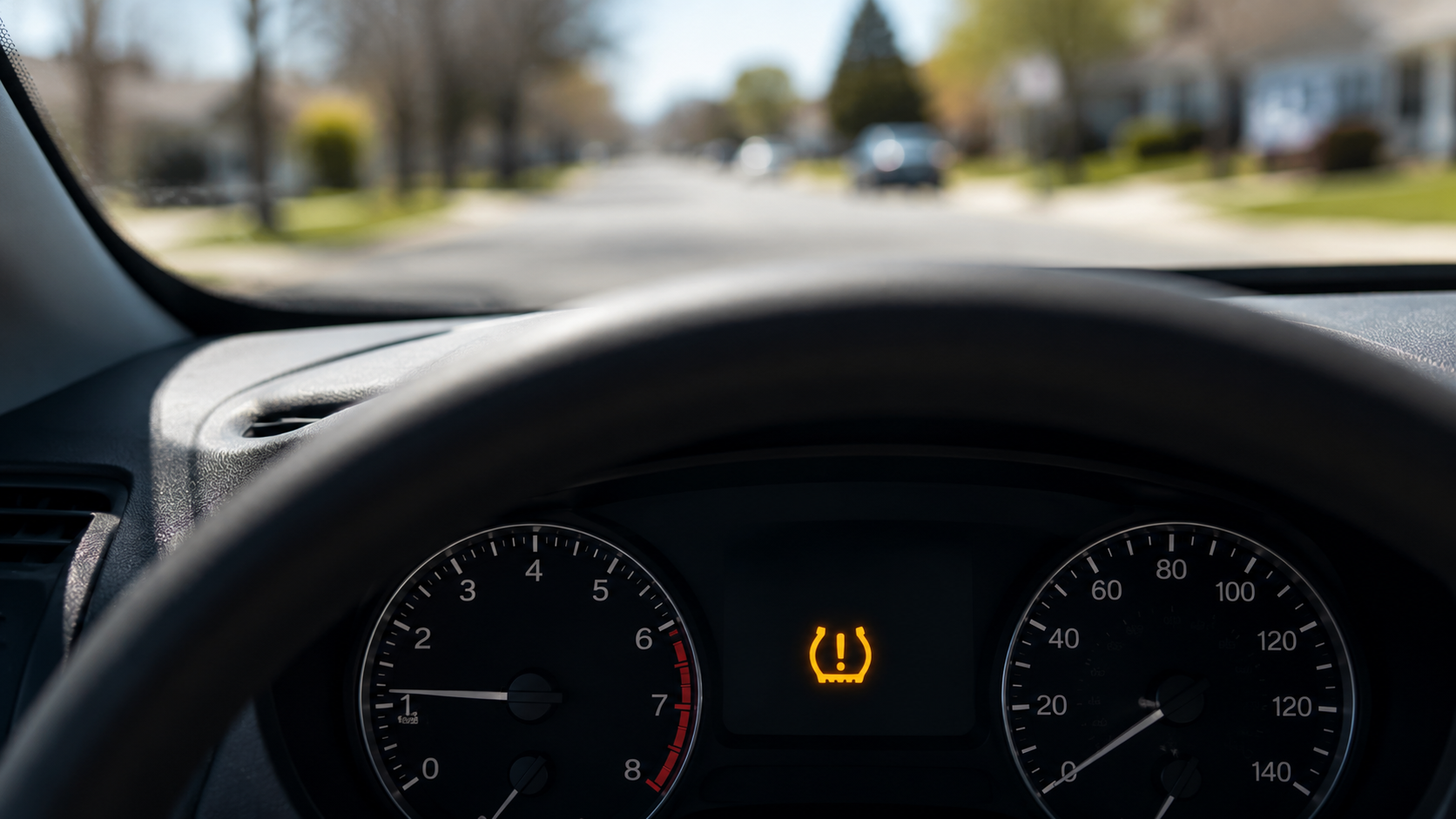

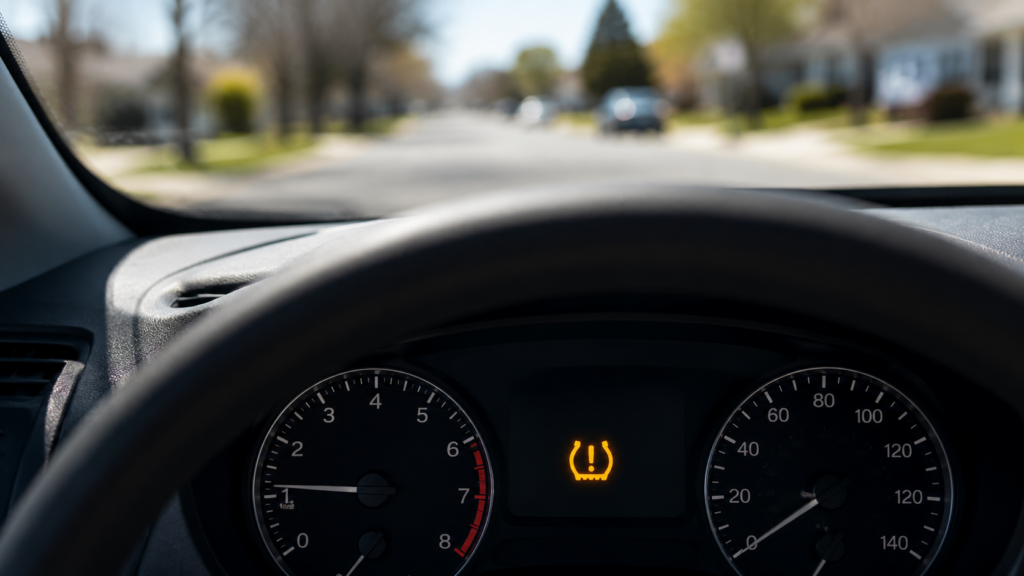
If the horseshoe-shaped tire-pressure light stays on after you add air, the problem may not be as simple as an underinflated tire. Modern Tire Pressure Monitoring Systems, or TPMS, can also react to slow leaks, temperature changes, sensor failures, recent tire service, or calibration problems. NHTSA says a steady TPMS light usually means at least one tire is significantly underinflated, while a light that flashes for 60 to 90 seconds and then stays on points to a system malfunction. The key is not to ignore it just because the tires look fine.
This article was created with the assistance of AI and reviewed by our editorial team for accuracy and clarity.
First, Make Sure the Tires Really Are at the Right Pressure
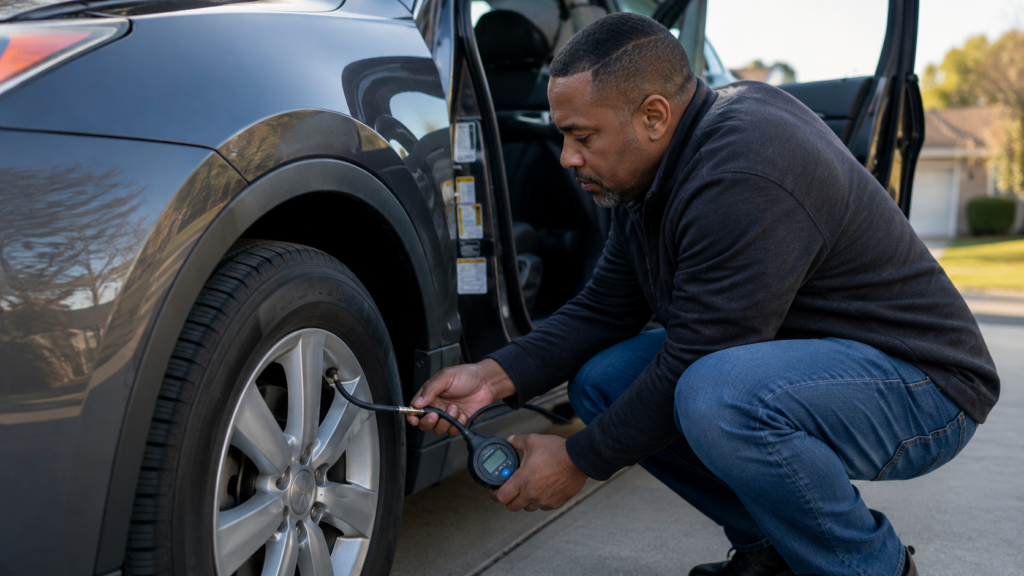
The obvious explanation is still the most common one. NHTSA recommends checking tire pressure when the tires are “cold,” meaning the vehicle has not been driven for at least three hours, and using the pressure listed on the driver-side doorjamb or in the owner’s manual. The number molded into the tire sidewall is the tire’s maximum pressure, not the vehicle’s recommended setting. A TPMS light typically does not activate until a tire is already significantly underinflated, so the warning should be treated as a prompt to check with an accurate gauge rather than by sight.
Cold Weather Can Trigger the Light Overnight
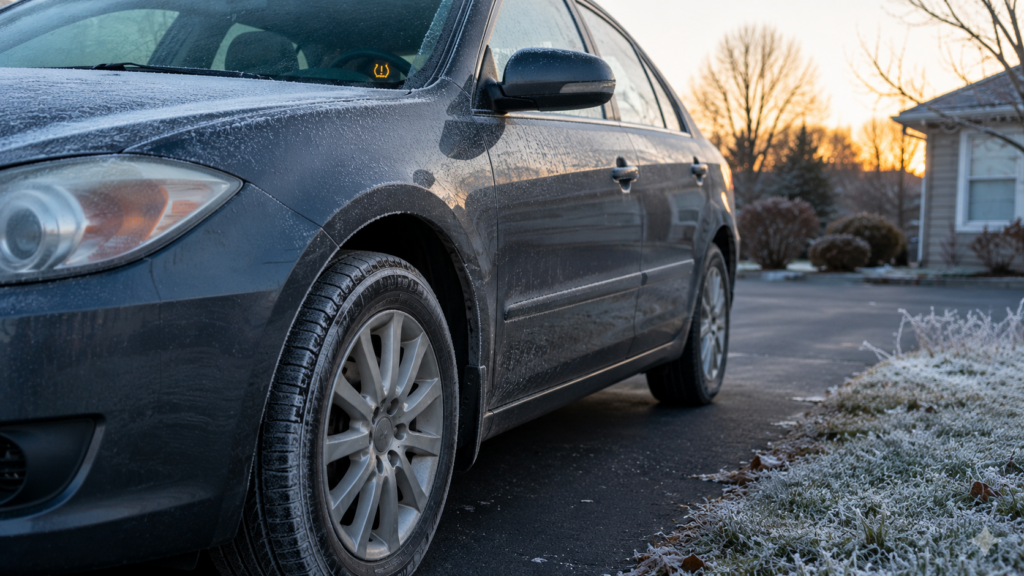
If the warning appears on a cold morning and disappears later, temperature may be the culprit. Tire pressure generally changes by about 1 psi for every 10°F change in temperature, dropping as the air gets colder and rising again as the tires warm while driving. NHTSA notes that a marginally low tire can fall below the warning threshold overnight, then return to an acceptable range after the vehicle warms up. That does not mean the light should simply be ignored, because a properly inflated tire should not routinely trigger the warning.
A Slow Leak May Be Hiding in Plain Sight
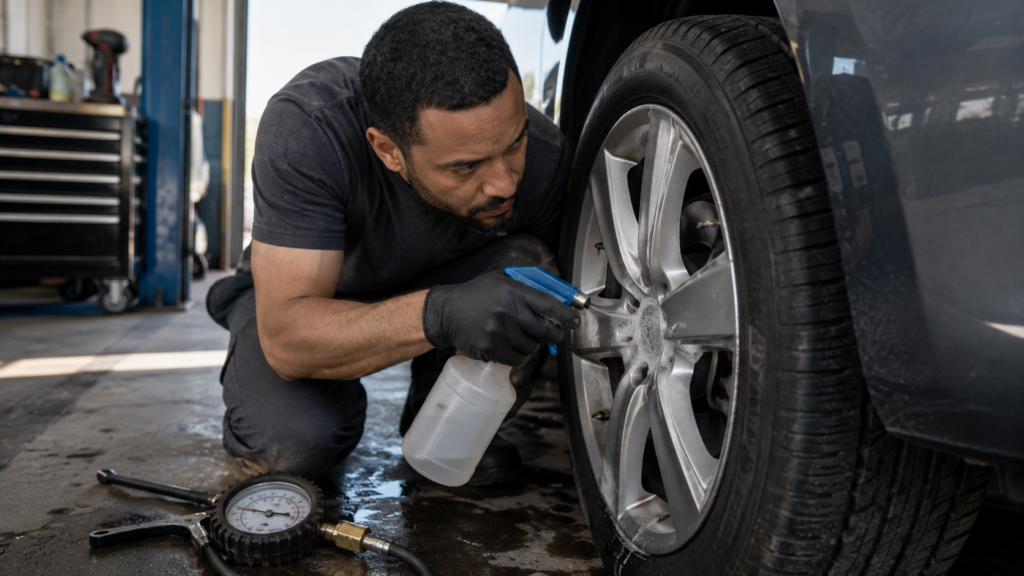
A tire can lose air slowly without ever looking obviously flat. GM service guidance lists punctures, valve-stem leaks, rim leaks, and even porosity in some aluminum wheels among causes of recurring low-pressure warnings. If you refill the same tire repeatedly and the light keeps returning, that pattern deserves attention. NHTSA also advises drivers to watch for tires that fail to hold their recommended pressure, since persistent air loss can signal physical damage or another problem requiring inspection.
The Sensor Itself Can Fail

Sometimes the tires are fine and the monitoring system is not. Direct TPMS setups use electronic sensors inside the wheels, and those components can eventually stop transmitting correctly. NHTSA says a malfunction is commonly indicated when the TPMS light flashes for roughly a minute and then remains illuminated. GM service guidance similarly notes that if one or more sensors stop transmitting, the system can set a fault and display a service message. That is when adding more air will not solve the problem.
A Recent Tire Rotation Can Confuse the System
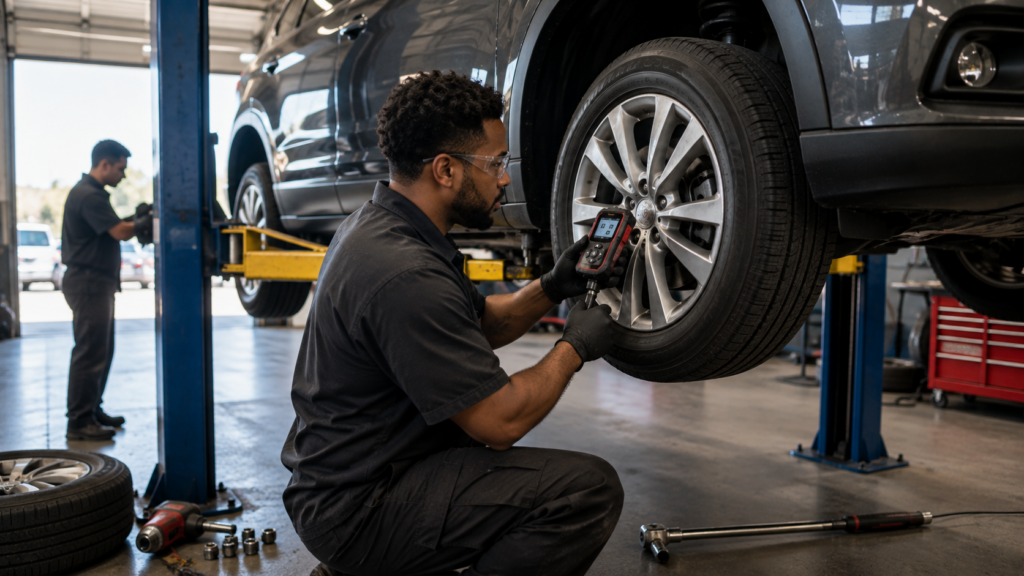
If the warning appeared after tire service, the issue may be calibration rather than air pressure. Some vehicles need their TPMS sensors to be relearned after a tire rotation, replacement, or pressure adjustment. GM notes that the tire positions may not have been correctly relearned, especially on vehicles that use different recommended pressures front and rear. Indirect TPMS systems can also require recalibration because they infer pressure changes through wheel-speed sensors instead of measuring pressure directly.
Your Spare Tire Can Be Part of the Mystery
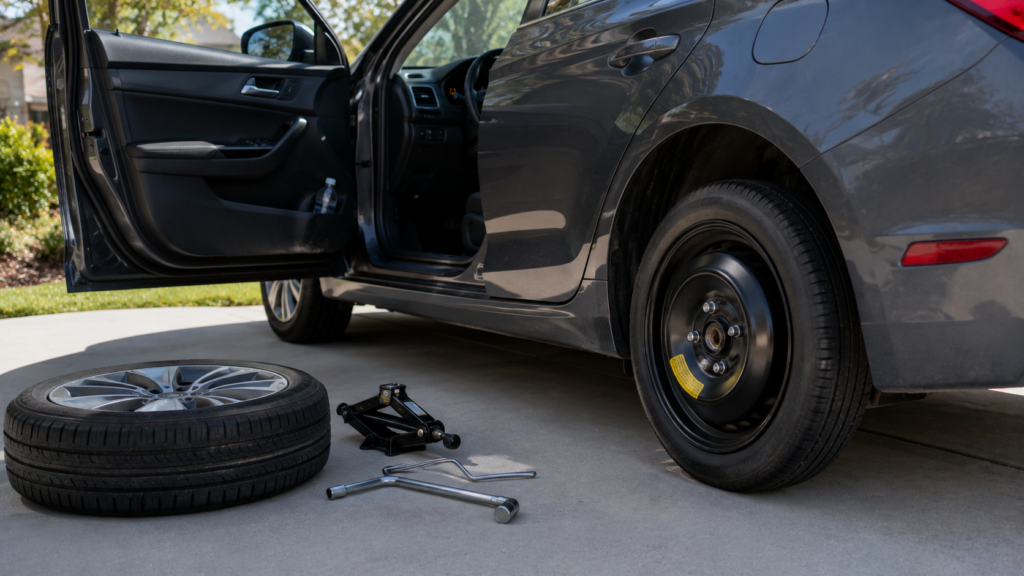
A temporary spare can also trigger confusion. Some vehicles react when a compact spare is installed because that wheel does not communicate with the TPMS in the same way as the regular tire. NHTSA-hosted owner guidance notes that certain systems may flash the warning and then leave it illuminated while a compact spare is fitted. Full-size spares can sometimes carry their own sensor, depending on the manufacturer, but many temporary spares do not.
An Indirect TPMS May Actually Be Watching Your Wheel Speed
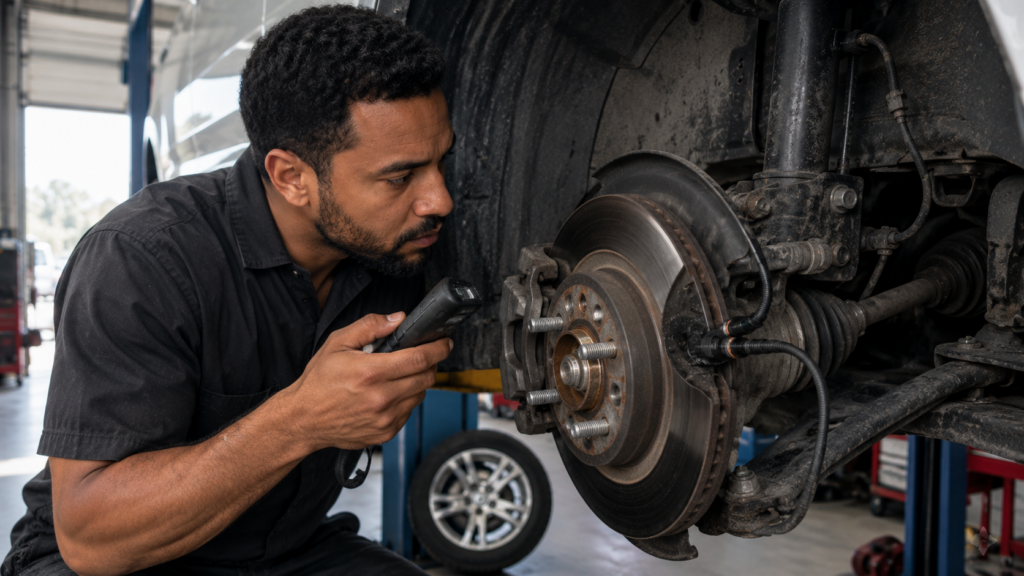
Not every TPMS measures air pressure directly. Indirect systems use the vehicle’s anti-lock braking system wheel-speed sensors to compare how fast each tire rotates. An underinflated tire has a slightly smaller effective diameter, so it can spin faster than the others. That means a warning can sometimes involve calibration or wheel-speed data rather than a pressure sensor physically inside the tire. Understanding which system your vehicle uses can explain why the light behaves differently after tire service or replacement.
The Light Matters Because Underinflation Can Damage More Than the Tire
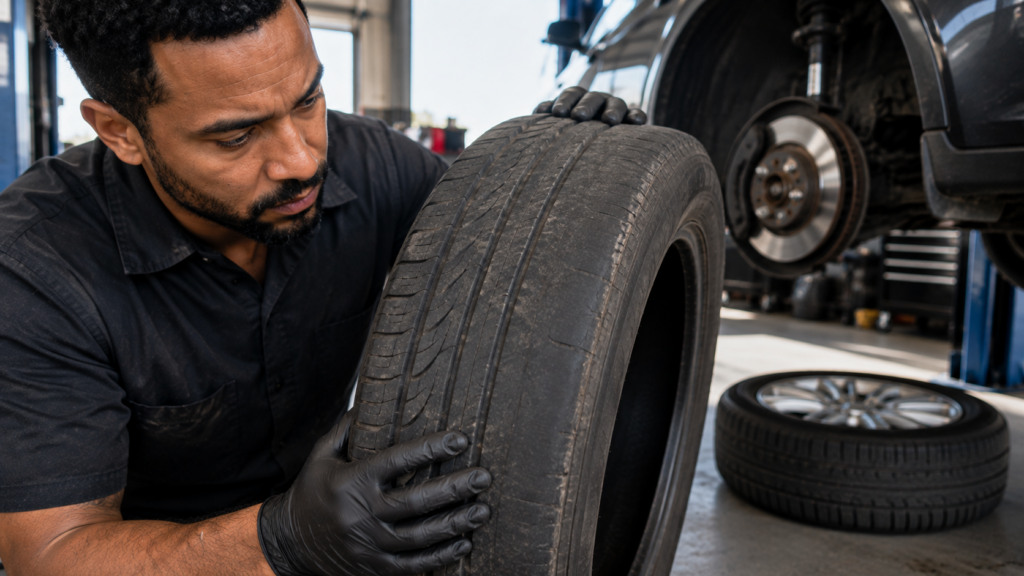
A persistent TPMS warning is not just an annoyance. Underinflated tires can increase rolling resistance, reduce handling, accelerate tread wear, generate excess heat, and raise the risk of tire failure. NHTSA calls underinflation a leading cause of tire failure and recommends monthly pressure checks even on vehicles equipped with TPMS. The warning system is meant to catch a serious pressure drop, not replace routine maintenance.
The Pattern of the Light Tells You What to Do Next
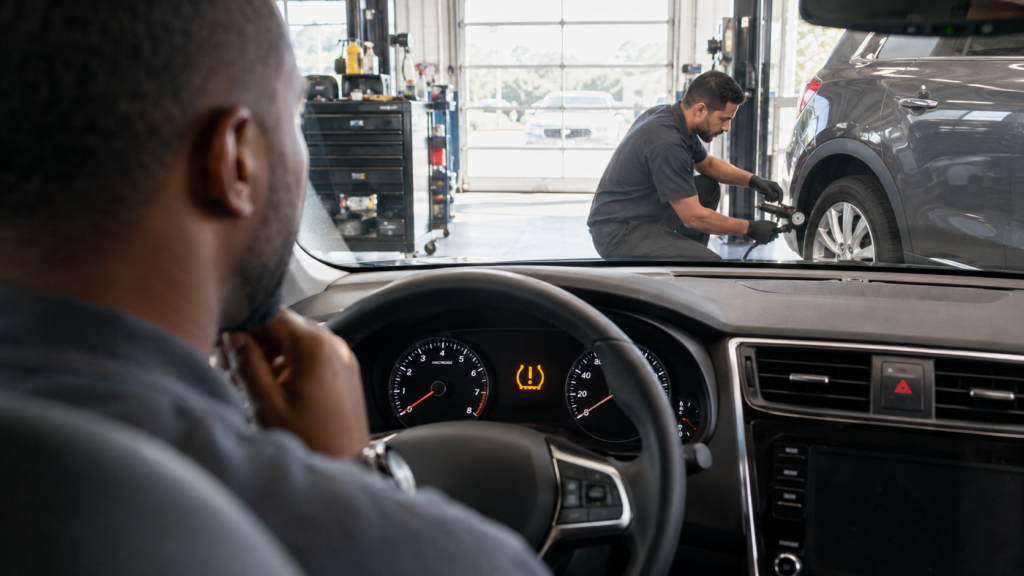
A solid light usually means start with pressure. A light that appears mainly on cold mornings suggests temperature is exposing a marginally low tire. A warning that repeatedly returns after refilling points toward a leak. And a light that flashes before staying on is a strong clue that the TPMS itself needs service. The useful takeaway is that the dashboard symbol is not simply saying “add air.” It is telling you that something in the tire-pressure system needs attention, and the way the light behaves can help narrow down what that something is.