That Red Porch Light in Someone’s Home May Have a Meaning You Didn’t Know About
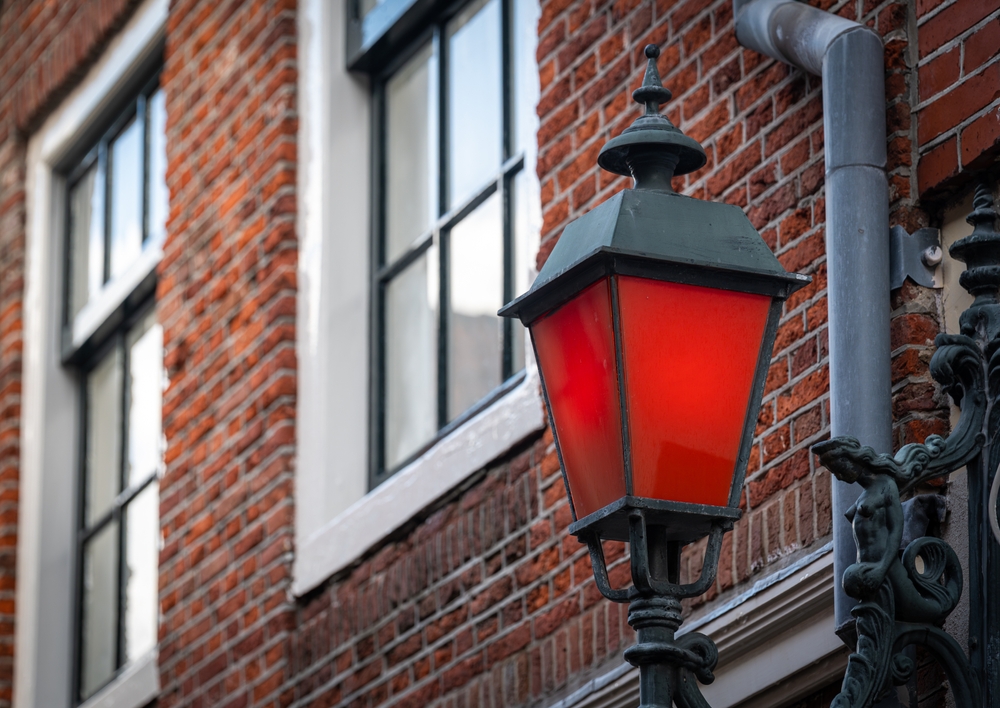

Spot a house glowing red after dark and your first thought might be Halloween decorations, Valentine’s Day romance or simply a homeowner experimenting with colorful lighting. All are possible. But sometimes that single red bulb hanging beside the front door is doing something more meaningful than making a house stand out.
Unlike a traffic light, where red has one unmistakable instruction, a red porch light doesn’t come with a universal code. Homeowners can choose the color for any reason they like. Context, particularly the time of year, offers the biggest clue about whether the light is decorative or intended to send a message.
One of the most established meanings appears in February, and it isn’t necessarily about Valentine’s Day. February is American Heart Month, and red is used prominently in campaigns raising awareness of cardiovascular health. That means the glowing red porch you pass on an evening walk could effectively be a house “wearing red” in support of the cause.
In February, It Can Be a Message About Heart Health

The American Heart Association uses red to bring attention to cardiovascular disease, including through its Go Red for Women initiative. The campaign focuses specifically on women’s cardiovascular health, an area the organization says was historically affected by research and public understanding that centered heavily on men.
The color becomes especially visible on National Wear Red Day, held on the first Friday in February. While wearing red is one way people participate, the color can extend beyond clothing. Homes, offices and even major landmarks have been illuminated or decorated in red, making a porch bulb a particularly simple way for someone to join in.
That doesn’t mean every red porch light in February carries that message. A homeowner may simply be decorating for Valentine’s Day, when red is already everywhere from roses to heart-shaped decorations. But February isn’t the only month when a red porch light can take on a particular meaning.
See One in May? It Could Be for Firefighters

Around May 4, International Firefighters’ Day, the same color may be used to honor firefighters and remember those who have died in the line of duty.
The National Fallen Firefighters Foundation has encouraged people to participate in its #Shine4Firefighters effort by lighting homes and landmarks in red. Some participants swap their porch bulbs for red ones, photograph the display and share it on social media. Others may choose to keep the lights glowing beyond the commemorative period.
The color is a natural fit: red is already strongly associated with firefighting, from fire engines to emergency lights. So a red porch light that seems mysterious in May may actually be a small public thank-you to people whose work regularly places them in dangerous situations.
But of course, unusual signals around someone’s home have a way of attracting rumors.
And Then There Are the Myths

One claim that circulated online suggested that a red porch light identified a gun-free home. According to the various write-ups, that story originated with a satirical website in 2016 and was subsequently debunked; there is no established red-porch-light movement communicating that a household doesn’t contain firearms.
There’s another association with a much longer history. Red lights have been linked culturally with so-called “red-light districts,” leading some people to assume that a red light outside a home might have a similarly risqué meaning. The sources describe that interpretation as an unproven urban legend rather than a reliable way of determining anything about the people who live there.
The simplest answer, then, is also the most important: a red porch light doesn’t mean just one thing. It might be Halloween décor in October, Valentine’s decoration in February, a personal aesthetic choice or nothing more than someone’s favorite color. But around American Heart Month or International Firefighters’ Day, that little red glow may be carrying a message of awareness, remembrance or support, one that’s easy to miss if you don’t know to look for it.