That Purple Pumpkin Isn’t Just Halloween Decor. Here’s What It Can Mean
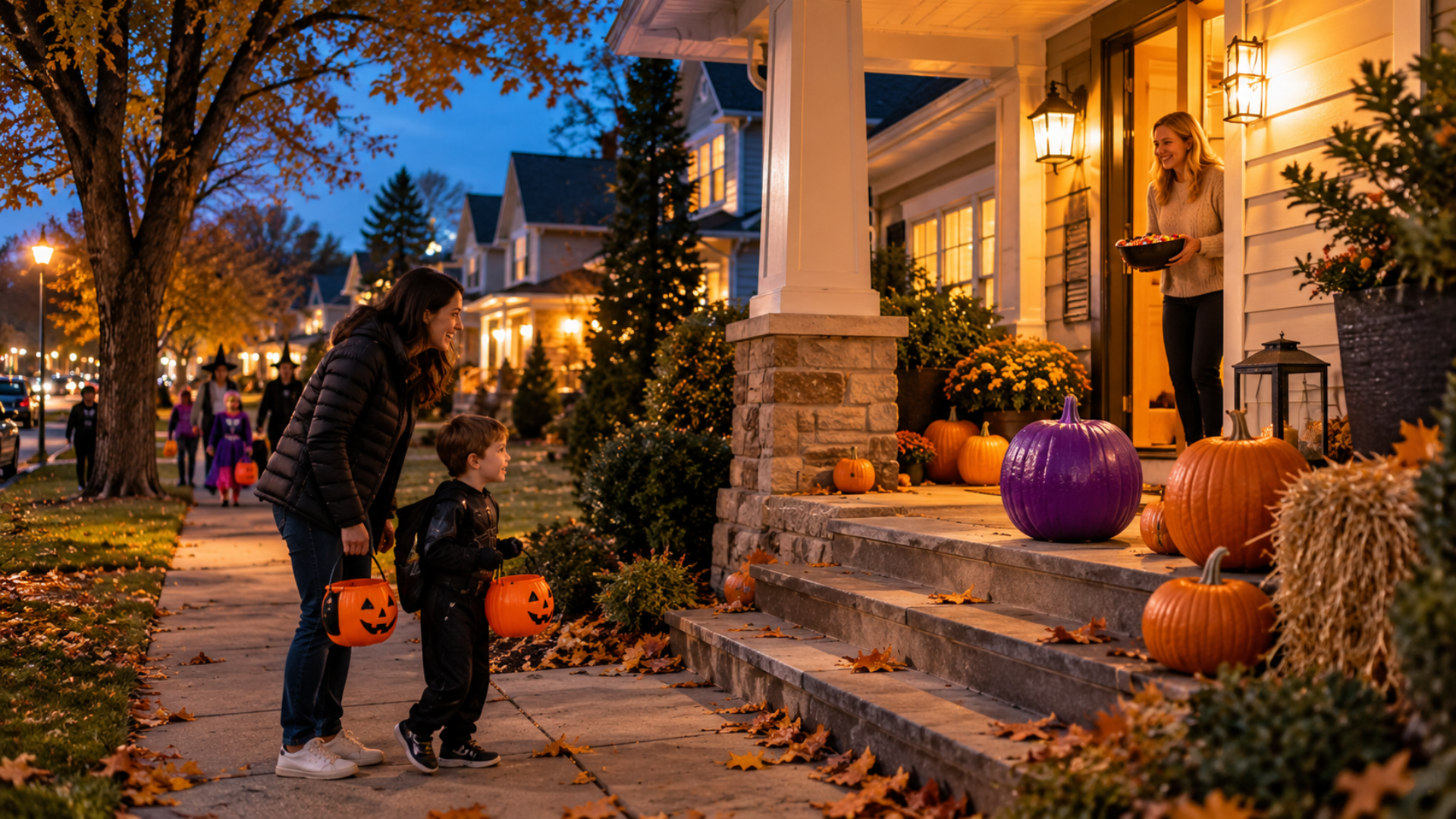

Somewhere on your street this October, a pumpkin may be sitting on a porch painted a color no pumpkin grows in. It was put there on purpose, and it is built to make passersby ask a question. The idea came from one Connecticut father. Within two days of his first online post, people in all 50 states had joined in, and the Purple Pumpkin Project is still going.
This article was created with the assistance of AI and reviewed by our editorial team for accuracy and clarity.
A Sunday Drive Past a Connecticut Pumpkin Patch Gave Ron Lamontagne His Idea

Ron Lamontagne was driving through Connecticut with his family one Sunday morning, searching for a way to spread awareness of epilepsy. A roadside pumpkin patch supplied the answer. Kids were about to start carving and decorating, so he reasoned that one purple pumpkin would prompt anyone who saw it to ask about it. Whoever answered could explain epilepsy on the spot. He started a Facebook page for the idea on September 2, 2012.
Lamontagne’s Youngest Son Was Diagnosed at Age Four, Three Years Before the First Purple Pumpkin
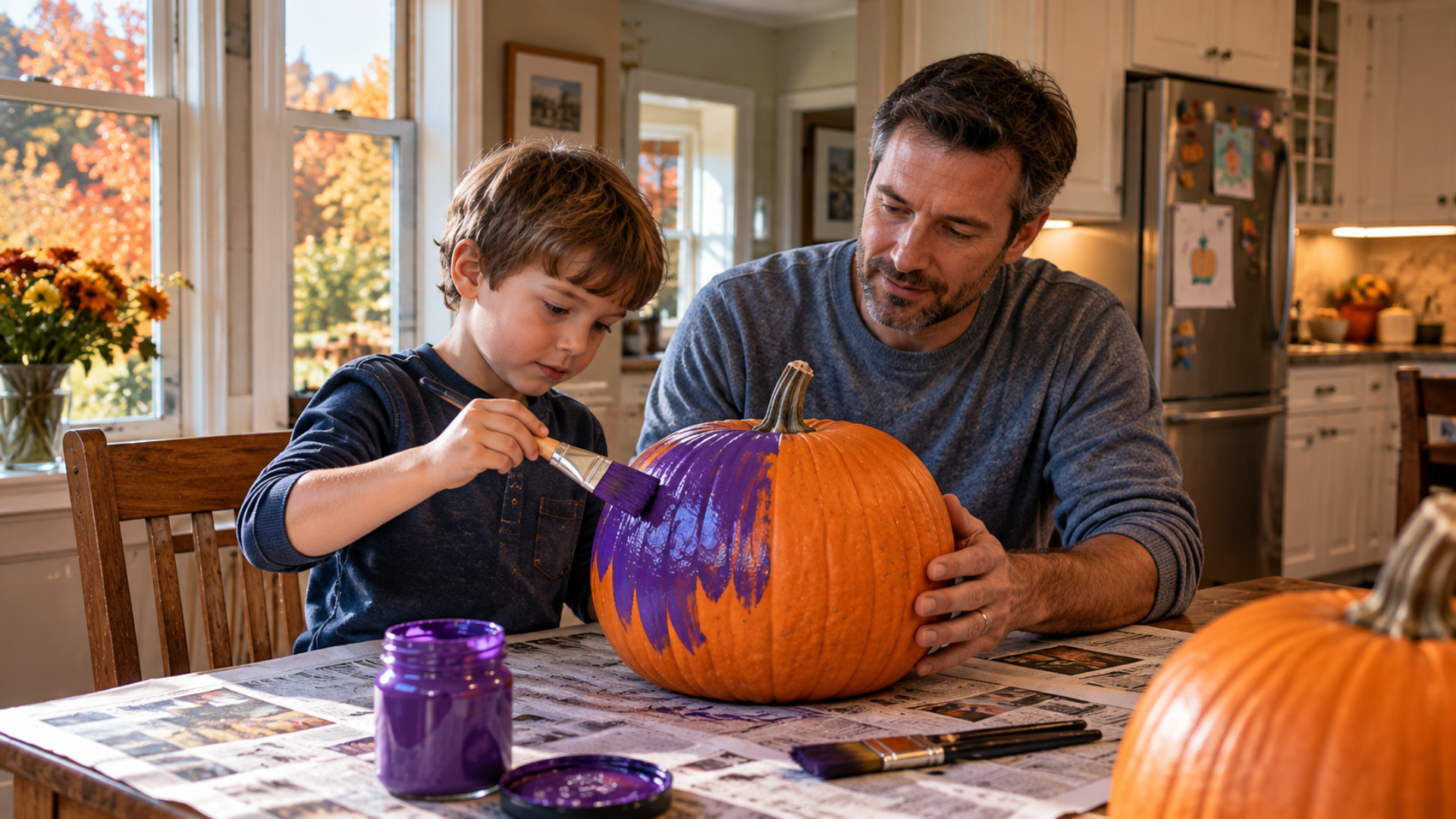
Lamontagne’s youngest son received his epilepsy diagnosis in 2009, when the boy was four. Over the following years, the father watched how the condition shaped his son’s days, and how fear and misunderstanding strained relationships inside the family. Lamontagne spoke openly about his son’s challenges, yet many people with seizure disorders kept theirs private. A painted pumpkin was meant to make that silence easier to break, and it needed a crowd.
Facebook Page Reaches All 50 States in Two Days and Grows Into an Epilepsy Foundation Campaign
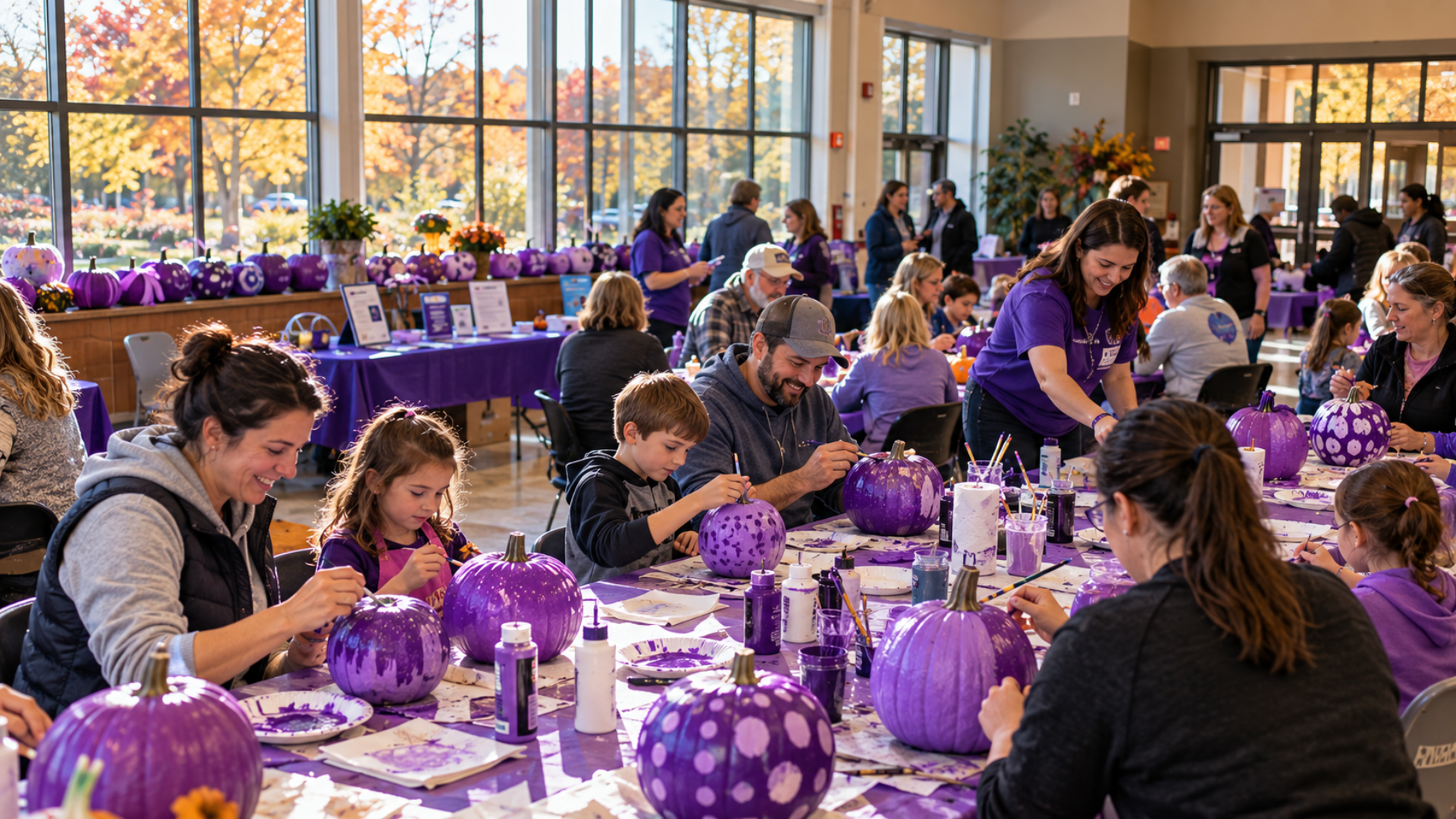
Lamontagne’s page spread to every U.S. state within two days of launching. Fourteen years later, the Epilepsy Foundation runs the Purple Pumpkin Project as an annual awareness campaign. Families paint a pumpkin purple, post photos and share their stories, and they can open personal fundraising pages that support the Foundation. Some groups host decorating parties and pumpkin-themed events. The campaign’s stated goal is to end epilepsy, and the community behind it is larger than most neighborhoods realize.
CDC Estimates 3.4 Million Americans Have Active Epilepsy, Including 470,000 Children

About 3 million adults and 470,000 children in the United States live with active epilepsy, a total of roughly 3.4 million people. Worldwide, the Epilepsy Foundation counts 65 million. One in 26 Americans will develop the condition during their lifetime, and about 150,000 new cases are diagnosed each year. One third of people with epilepsy keep having seizures despite medication, and for six in ten, the cause is never identified.
Flashing Lights Can Trigger Seizures in About 3% of People With Epilepsy, So Some Porches Go Strobe-Free
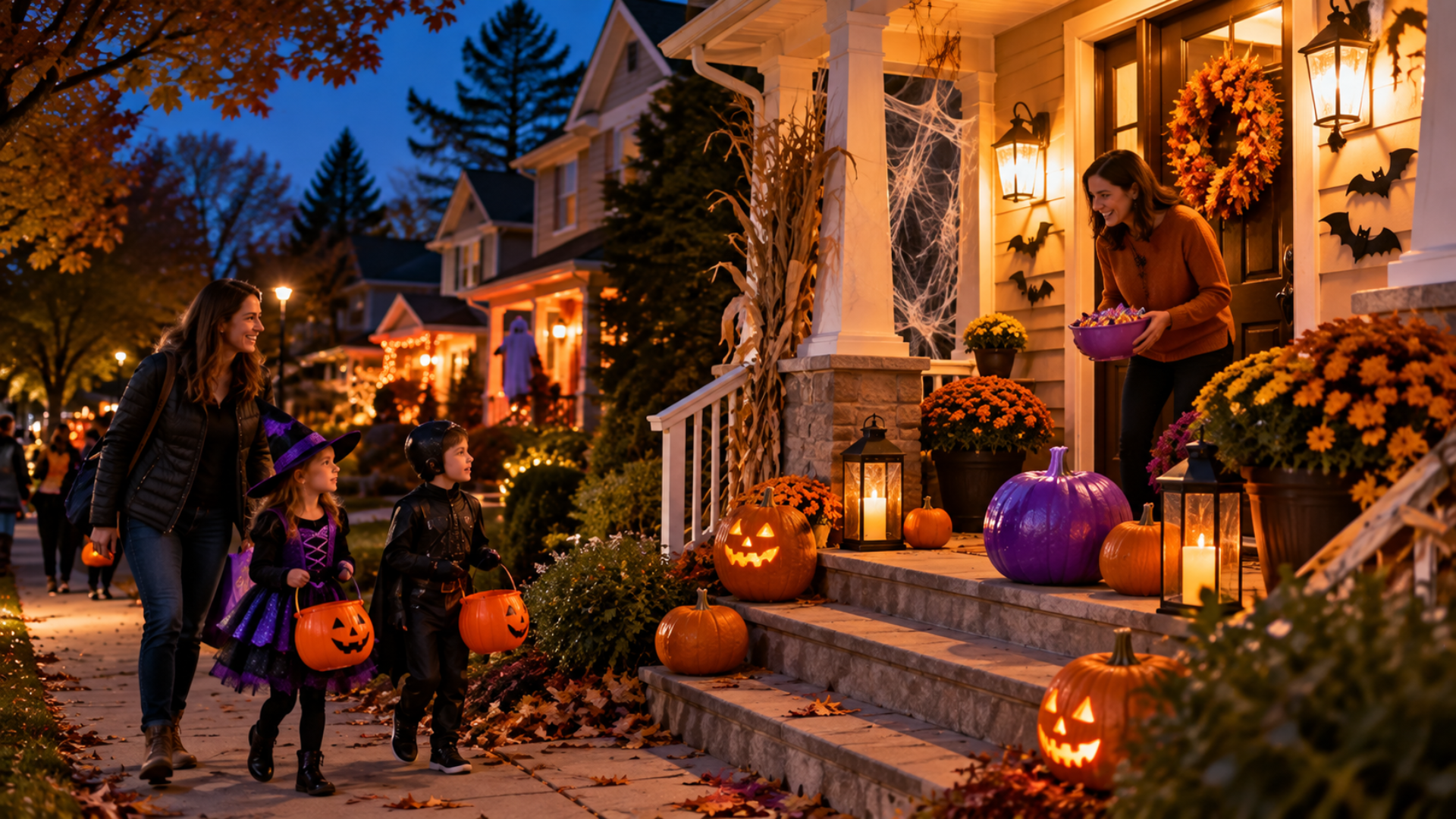
Roughly 3% of people with epilepsy have photosensitive epilepsy, meaning flickering or flashing light can set off a seizure. Flashes between about 10 and 25 per second are the most common trigger, and the condition appears most often in children and adolescents. Halloween puts these triggers everywhere, and the Epilepsy Foundation notes that strobes turn up in haunted houses, special events and even house decorations. A purple pumpkin beside a strobe-free display can mark a stop built with those families in mind.
Purple Trick-or-Treat Buckets Can Signal That a Child Is Prone to Seizures

Some families carry the color beyond the porch. A purple candy bucket can tell neighbors that a trick-or-treater may have epilepsy or another seizure disorder, so they know to stay alert. No official code governs the practice, so the signal works only when neighbors recognize it. Parents are advised to keep a buddy beside their child or stay close themselves. A fellow trick-or-treater who knows about the seizures can steer around any strobe-lit house. Recognizing the signal is only the first step.
Seizure First Aid Training Has Reached More Than 1.6 Million People

The Epilepsy Foundation reports that more than 1.6 million people have trained in seizure recognition and first aid. Its public campaign, #StaySafeSide, boils down to three actions: stay with the person, keep them safe from injury, and turn them onto their side. Training also covers when a seizure calls for emergency care. A neighbor who knows those steps can turn a frightening moment into a manageable one. The same organization also funds the research behind the pumpkins.
Epilepsy Foundation Reports More Than $68 Million Raised for Research
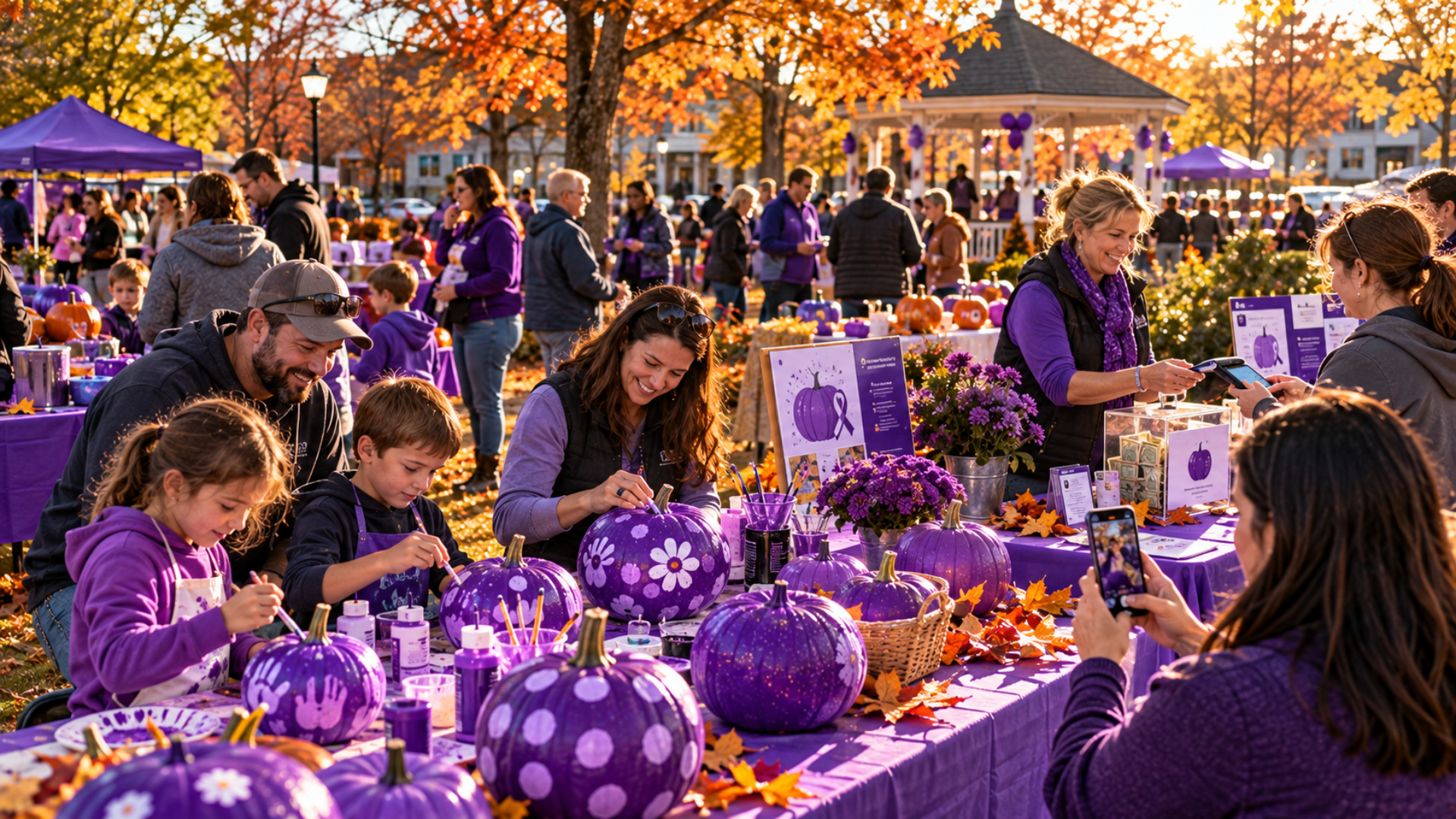
The Foundation counts more than 100,000 ambassadors and advocates and says it has raised over $68 million for epilepsy research. The purple pumpkin is one on-ramp to that effort. Each participant can build a personal fundraising page, post pumpkin photos and share a story, while local groups add decorating parties and themed events. A gourd, a can of paint and a willingness to answer questions are the only supplies required.
A Purple Pumpkin Can Mark Awareness, a Family Living With Epilepsy or a Strobe-Free Stop
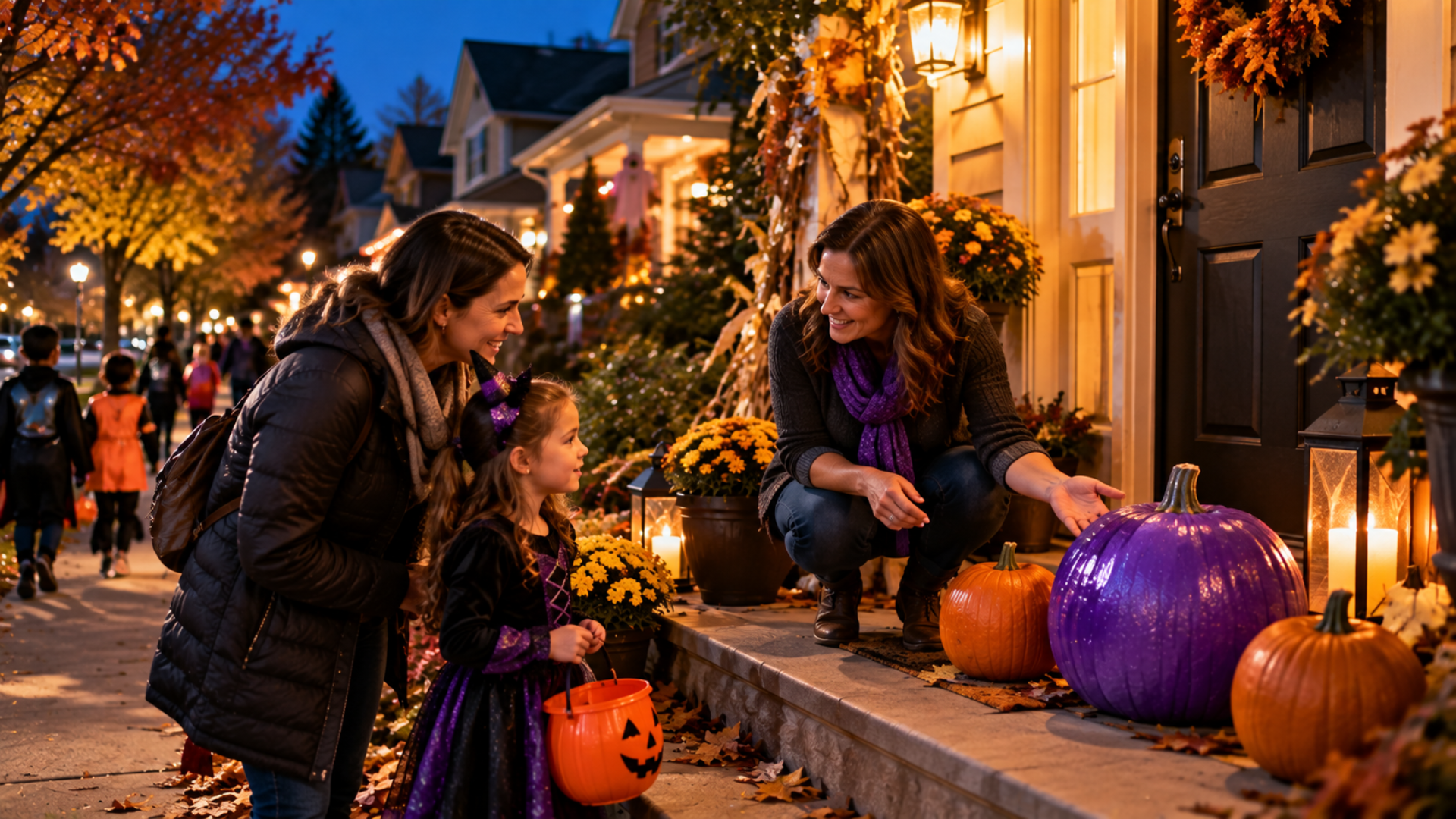
A purple pumpkin carries several meanings at once. It can show support for the Epilepsy Foundation’s campaign, mark a household touched by seizure disorders, or tell trick-or-treaters that the porch has no flashing lights. Lamontagne designed it to be noticed and asked about. Anyone who sees one can ask, “Why is your pumpkin purple?” and the answer will teach more about epilepsy than the pumpkin ever could. Painting one at home adds another voice to the conversation.