That One Habit After Laundry Could Be Undoing All That Work
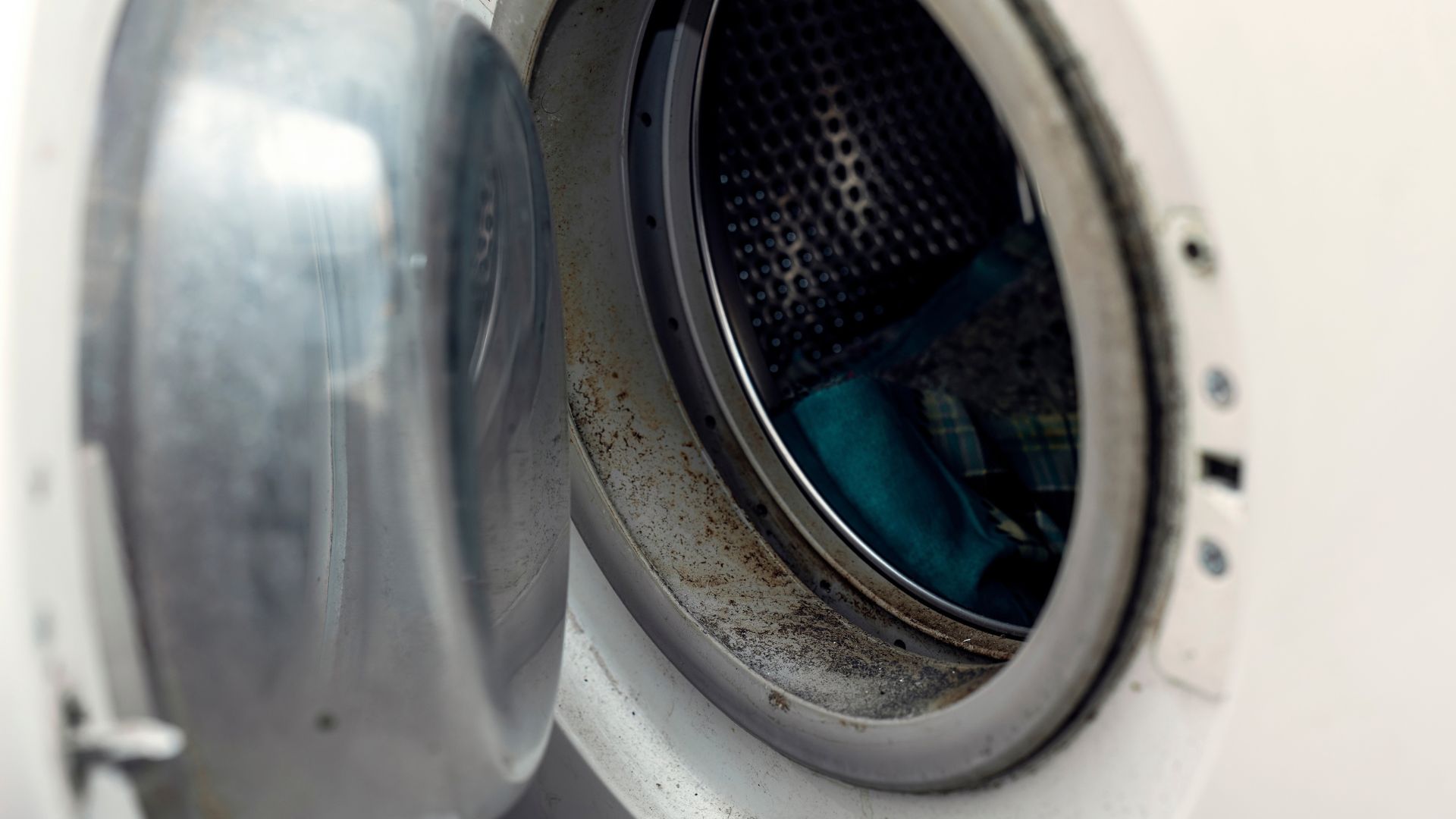

Many people close the washing machine door right after finishing a load, assuming it keeps the laundry room looking neat. According to appliance experts at AO.com and Japanese manufacturer Toshiba, that small habit can quietly undo the work of every wash. Trapped moisture inside a closed drum sets off a chain reaction that turns a clean machine into a breeding ground for mold, no matter how tidy the room looks.
Closing the door immediately after a cycle traps warm, damp air inside the drum. AO.com explained that this buildup of condensation creates prime conditions for mold to take hold. Toshiba points to leftover moisture as one of three root causes, alongside detergent residue and skin oils left behind on clothing during the wash. Two appliance makers on opposite sides of the world are sounding the same alarm about the same habit.
The problem often shows up as a musty odor clinging to freshly washed clothes, or a funky smell when the door is opened. Several TikTok users have documented the buildup themselves. One account, @describingolivia, admitted she had no idea how dirty her machine’s seal had gotten until she went to start a new load, and another, @aprilxfour, shared a clean machine still marked by stubborn stains that would not lift.
Why the Door Seal Becomes a Mold Hotspot
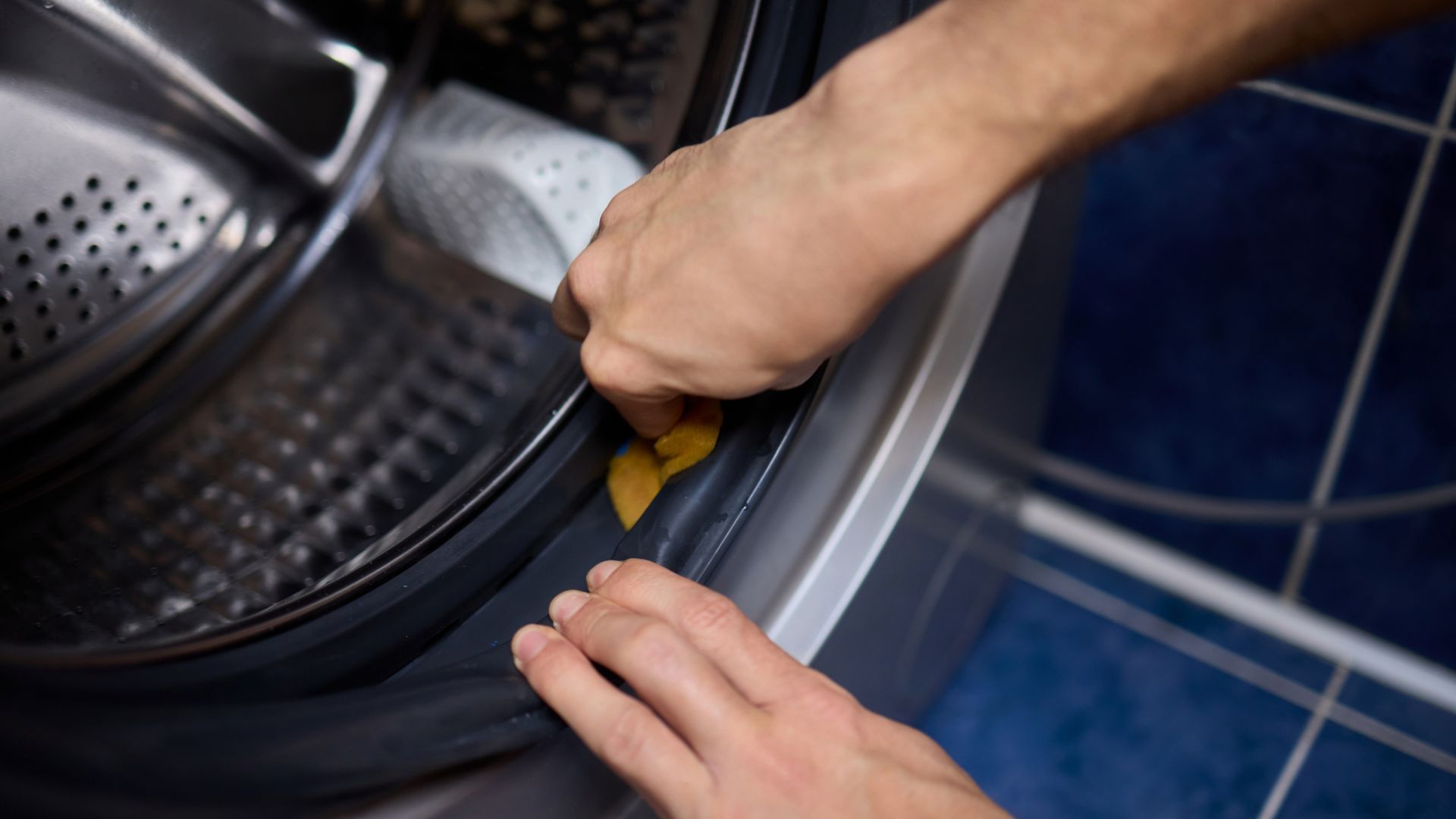
Gwil Snook, Laundry Appliance Expert at AO.com, said rubber door seals are one of the biggest hidden breeding grounds for mold in the home. Snook explained the seals trap moisture, detergent residue, and fabric fibers during and after washes. That combination creates a warm, damp environment where mold and bacteria can thrive undisturbed between cycles, particularly inside a machine that gets used every single day of the week.
Because the seal folds inward, Snook noted it often stays wet long after a cycle ends, especially when the door is kept shut. “The door seal is usually the first place mould appears,” Snook said. It is an easy spot to overlook, but Snook recommends checking it often, since a small habit like that keeps minor dampness from turning into a much bigger cleanup job down the line.
Toshiba’s assessment narrows the cause down to three specific factors: humidity, detergent residue, and accumulated human sebum. Moisture left in the drum after each wash cannot escape when the lid stays closed. Once it mixes with chemical residue and skin oils shed from clothing during the cycle, it forms an ideal, warm environment where mold can multiply inside the fully enclosed space of the drum.
The Airing-Out Routine Both Experts Recommend
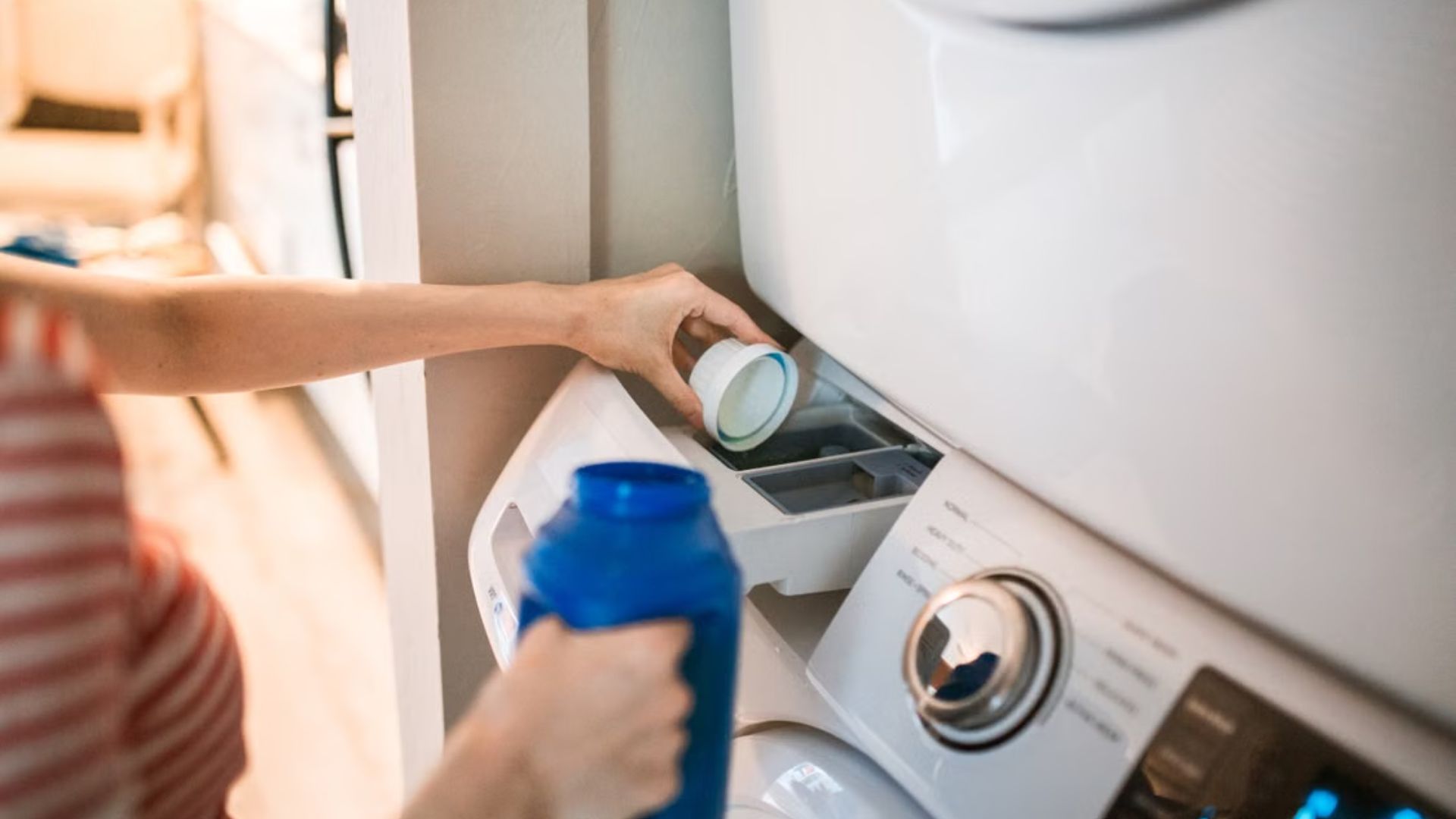
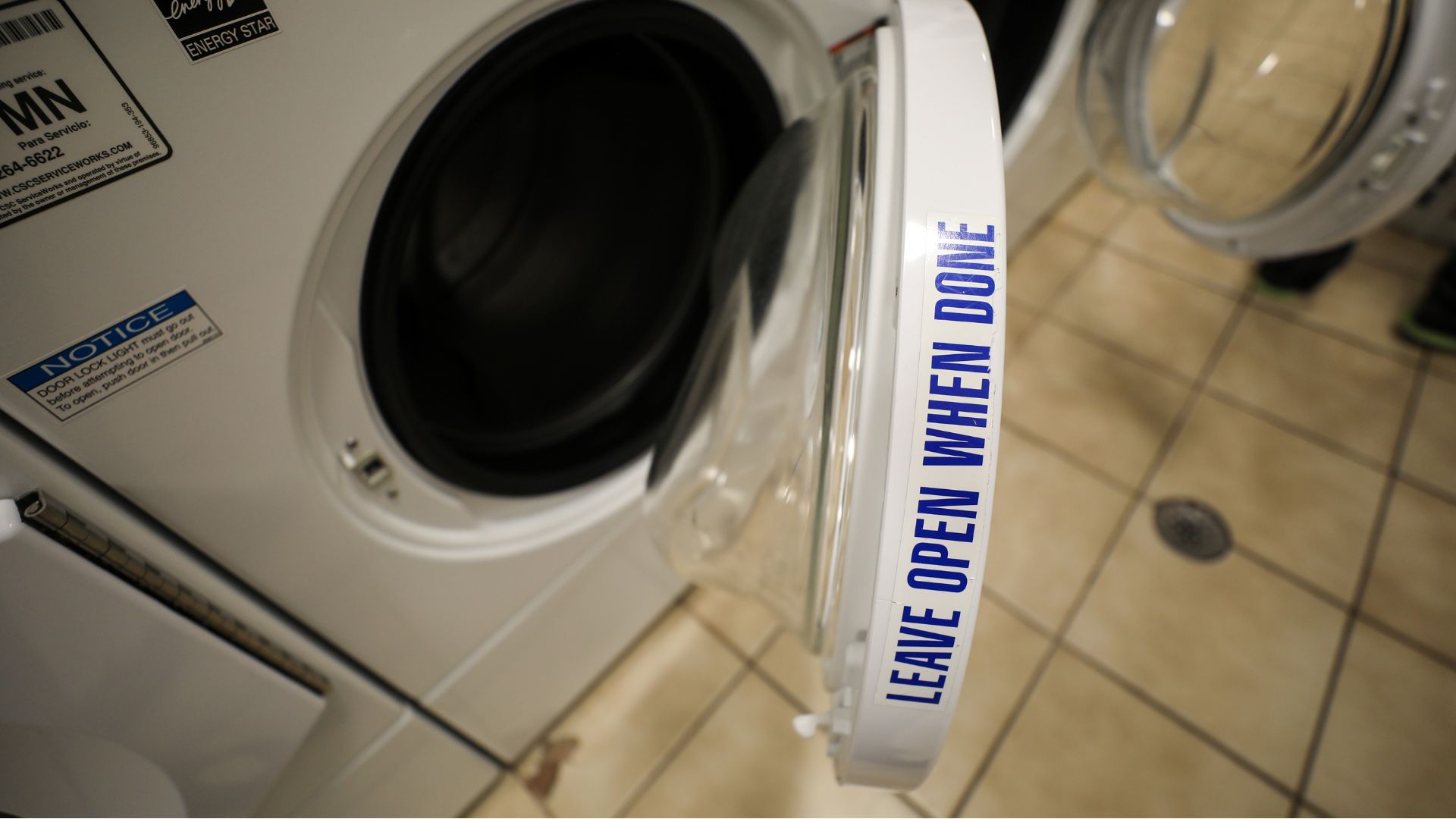
AO.com’s fix starts with airing things out. Snook said a closed door might look neater right after a cycle, but it hides moisture instead of getting rid of it. Building a habit of leaving the machine open between washes, Snook added, goes a long way toward keeping mold from settling in. The same logic applies to the detergent drawer, which Snook also recommends leaving open.
Toshiba offers nearly identical guidance. The manufacturer recommends opening the lid immediately after a wash to let fresh air reach the drum and speed up evaporation. Even without achieving complete dryness, Toshiba said, this step meaningfully lowers internal humidity and works as one of the most effective, low-effort ways owners have to hold mold growth firmly back over the long run for most households everywhere.
There is one exception worth noting. For machines installed outdoors, on a balcony or in an open area, Toshiba advises closing the lid after use to stop bugs from getting inside or leaves and debris from piling up, alongside other mold-prevention steps. Indoor machines do not face that same tradeoff, so keeping the door open remains the standard recommendation Toshiba gives to the vast majority of households worldwide.
Maintenance Habits That Keep Mold From Coming Back
Beyond airing the machine out, AO.com recommends a monthly deep-clean routine. Snook suggested wiping down the door seal and drum once a month, along with cleaning the detergent drawer and filter on the same schedule. A machine that smells musty even when completely empty usually points back to a neglected drawer or filter rather than the wash cycle itself, Snook explained in comments to AO.com.
Both brands point to a deeper reset for early signs of mold. AO.com’s approach is to wipe the seal with white vinegar and a microfibre cloth, then run an empty cycle on the hottest setting, which Snook said clears buildup that settles deep in the drum and pipes. Toshiba’s equivalent is a built-in self-cleaning function that uses high-speed spinning during the final rinse to flush dirt from the outer tub.
Both experts agree on the final habits that matter most. AO.com advises against overloading the drum and leaving wet laundry sitting inside, while Toshiba cautions against using the machine itself as a laundry hamper for dirty clothes awaiting a wash. Wrapping up each wash the right way and giving the machine time to drain, both experts agree, pays off for the appliance over the long run.