That ‘Clean’ Smell In Your Home May Be as Harmful to Your Lungs as Traffic Pollution
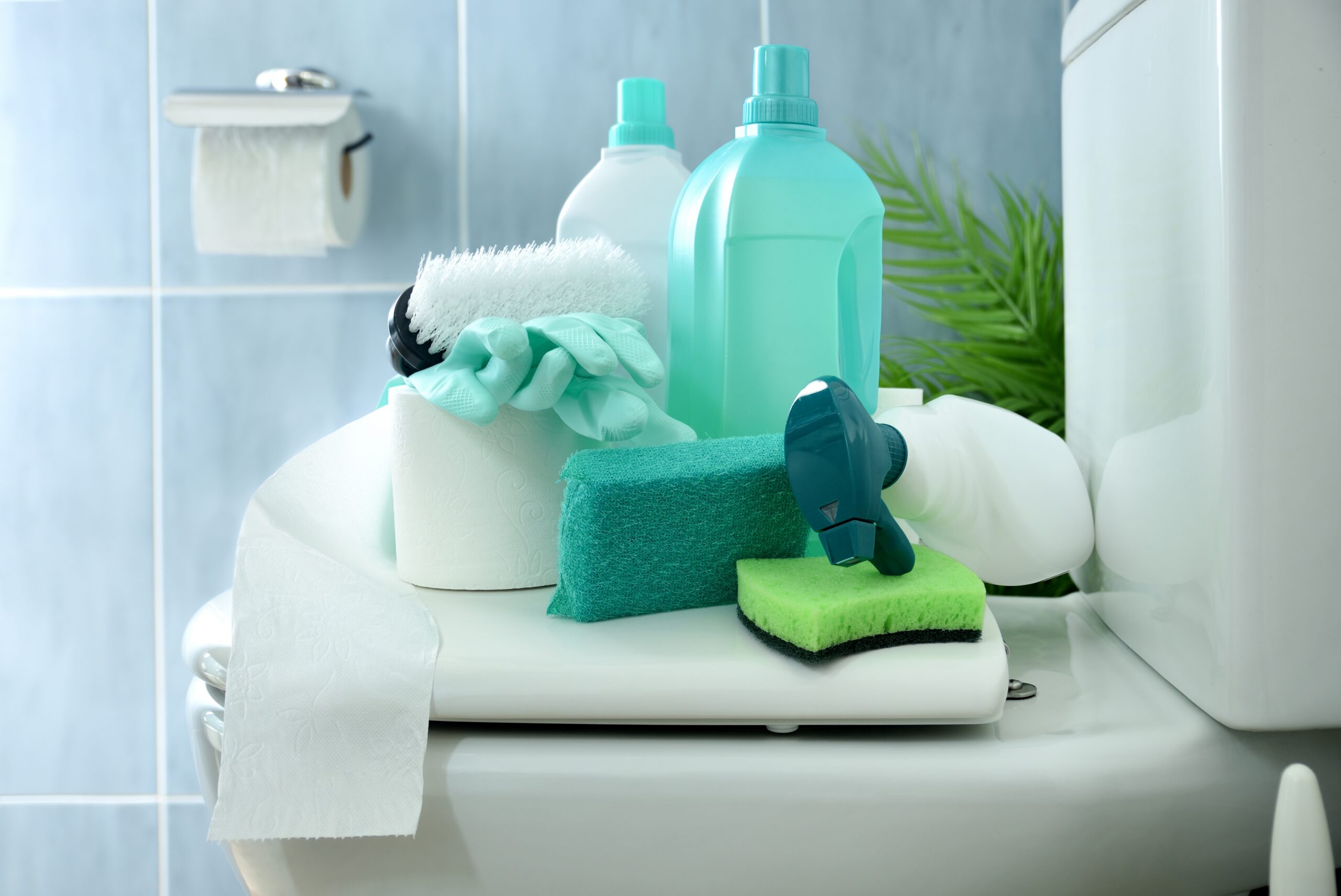

Citrus. Pine. Lavender. For generations, those smells have practically served as proof that somebody cleaned the house. Walk into a bathroom that smells strongly of lemon and the message seems obvious: spotless. Fresh. Done. But researchers at Purdue University have been studying what happens in the air after scented cleaners hit countertops and floors, and that reassuring fragrance comes with chemistry most of us never see. The smell isn’t the surprising part. What can form around you afterward is.
Scientists Built a House to Find Out

Instead of studying cleaning products only in a conventional laboratory setup, researchers used Purdue’s tiny-house lab, complete with a working kitchen, bathroom and wood floors. They recreated ordinary chores such as mopping, spraying counters and wiping surfaces while instruments tracked changes in the air. They tested conventional scented liquids along with botanical disinfectant sprays and wipes. In other words, this wasn’t about someone dumping industrial chemicals into a sealed chamber. It was about the kind of cleaning people do every week. Then the instruments started counting.
Billions or Trillions of Particles Can Appear
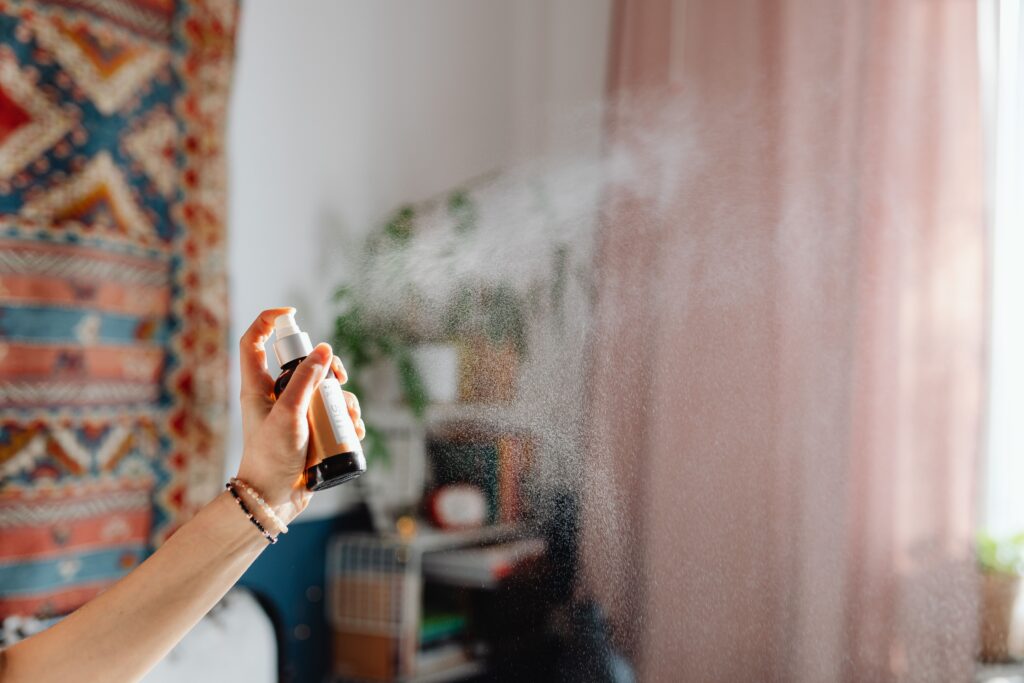
Here’s the reveal: scented cleaning can generate billions or even trillions of airborne particles, depending on the product. Most measured just 1 to 30 nanometers wide, small enough to escape many household air-quality monitors. They can deposit throughout the respiratory tract and deep in the lungs, where researchers say they may contribute to irritation and inflammation, with some potentially entering the bloodstream. And they didn’t take hours to appear. They formed within minutes. Invisible doesn’t mean inactive.
The Traffic Comparison Is the Eye-Opener

Lead researcher Brandon Boor said the respiratory dose from nanoparticles produced by indoor fragrance-and-ozone reactions could be “comparable to, or greater than” what someone might experience standing beside a busy road. The particles are chemically different from traffic pollution, so this is a comparison of inhaled particle dose, not a claim that cleaning your bathroom is identical to breathing vehicle exhaust. Still, Boor’s point lands: “You’re not seeing smoke, dust, or haze in the air.” The room can look pristine while the chemistry is happening.
That Lemon Scent Is Doing Chemistry

The key players are terpenes, fragrance compounds including limonene, pinene, thymol and linalool that can produce lemon, pine, thyme and lavender notes. When scented cleaners evaporate from surfaces or spray droplets, those compounds can react with indoor ozone and create nanoparticles. Similar chemistry happens naturally outdoors, but researchers say terpene concentrations during indoor cleaning can reach tens to hundreds of times those found in a forest. Suddenly, “lemon fresh” sounds a little more complicated.
Even “Botanical” Doesn’t Automatically Avoid It
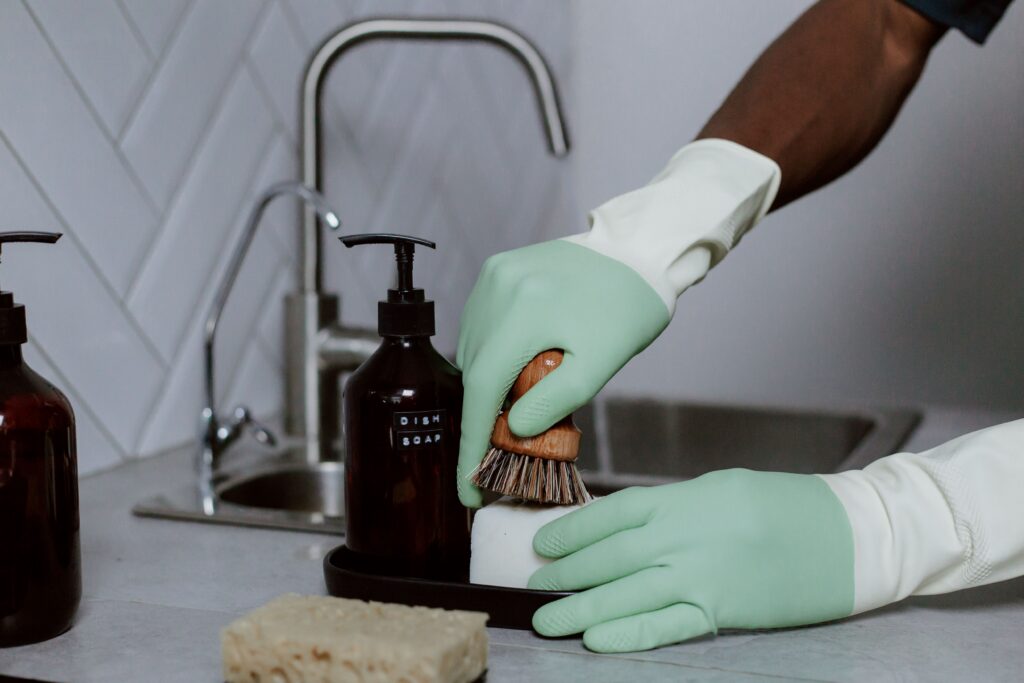
Natural-sounding labels don’t necessarily sidestep the chemistry. The Purdue experiments included botanical essential oil-based products, because terpenes also occur naturally in plants. This isn’t simply a synthetic-versus-natural story. The researchers were interested in what fragrance compounds do once released into indoor air. Boor offered a memorable reset for anyone who equates fragrance with hygiene: “Clean air should not smell like highly concentrated citrus fruit. It should not really smell of anything.” That might change how you judge your next cleaning session.
Reddit Had One Brutally Simple Response

When the findings reached r/technews, commenter Tasty-Traffic-680 reduced the discussion to seven words: “If you can smell it, you’re breathing it.” Another user, uluqat, argued that using fragrance to cover bad odors can encourage people to keep adding more scent instead of addressing the underlying smell. Others were skeptical about what the findings mean for actual health outcomes. That skepticism matters because detecting particles is one question. Understanding the health effects of different particles and exposures is another.
One Combination Can Make Things Worse
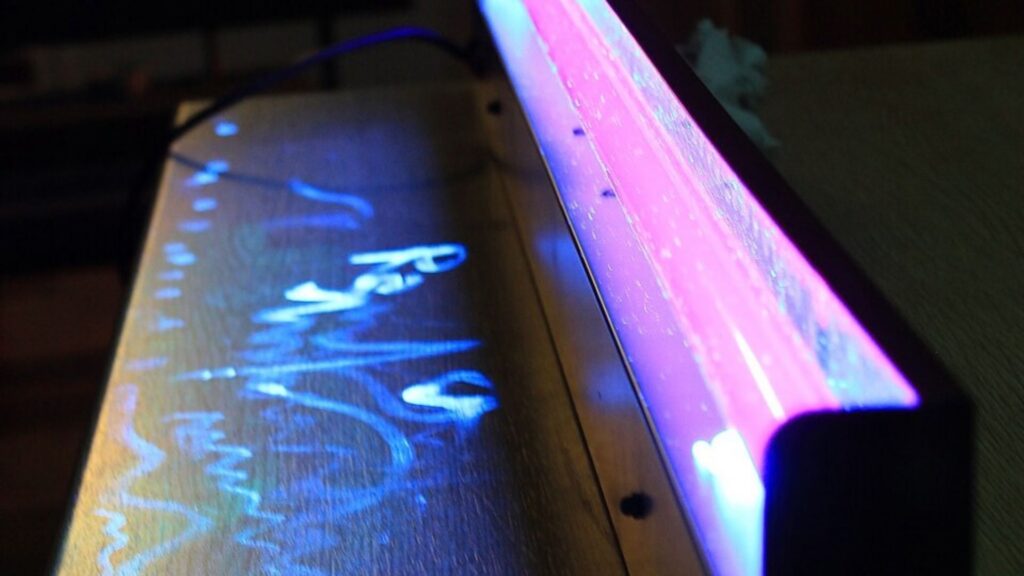
Researchers also tested scented cleaning while far-UV germicidal lamps were operating. Those lamps can generate ozone, and in the tiny house, ozone reached roughly 20 to 40 parts per billion. Combine extra ozone with high terpene concentrations and nanoparticle formation intensified. That makes one practical lesson unusually clear: more disinfecting technology is not automatically better when different products and devices interact. Sometimes the chemistry of two seemingly helpful choices creates a third thing you never intended.
You Don’t Have to Stop Cleaning
The researchers are not suggesting dirty countertops as the solution. Their recommendations are refreshingly ordinary: choose low-fragrance or fragrance-free products, avoid layering several scented cleaners in one session, run exhaust fans or open windows, and avoid combining scented cleaning with ozone-generating devices. Reddit user bonobro69 had an even shorter personal solution: “I’ll stick to using vinegar for cleaning surfaces.” The larger point is simpler still. Cleaning and making a room smell perfumed are two different jobs.
Maybe “Clean” Needs a New Smell
The most interesting consequence may be cultural rather than chemical. We’ve been trained to expect cleanliness to announce itself with lemon, pine or flowers. These findings challenge that shortcut. Future product formulations, ventilation practices and consumer habits could increasingly separate cleaning from fragrancing, especially as researchers learn more about ultrafine indoor particles. So next time you finish wiping down the house and inhale that powerful citrus cloud, ask yourself: Does a clean home really need to smell like anything at all?