Texas Town’s Water Crisis Sparks Lawsuit After Resident’s Arrest Over ‘Warning’ Post on Facebook
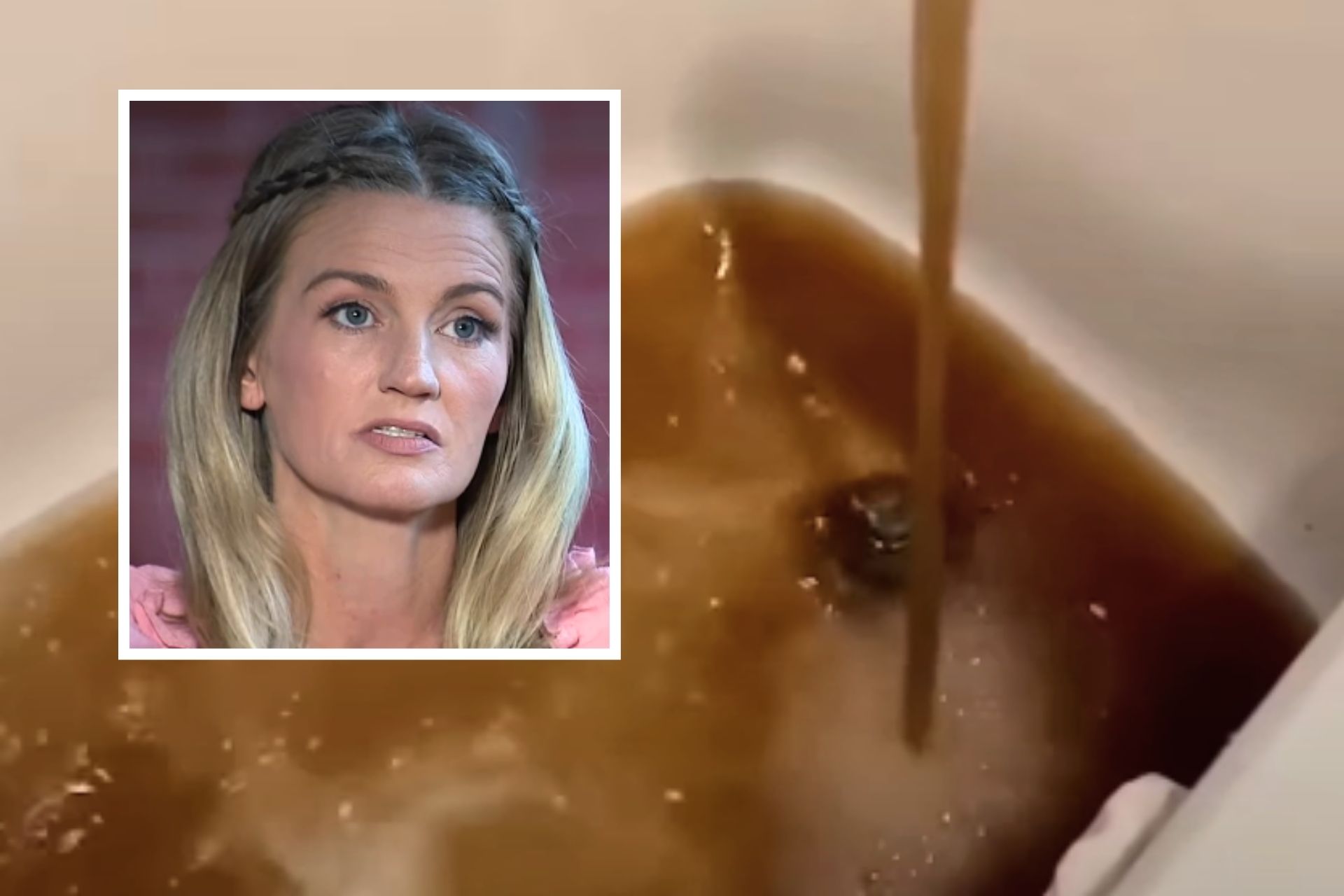

What started as complaints about dirty tap water in a small Texas town has evolved into a national free speech dispute after a resident was arrested over a Facebook warning post. The lawsuit now unfolding in Trinidad, Texas, raises broader questions about government transparency, online speech, and how officials respond when residents publicly challenge infrastructure failures.
Residents Said The Water Looked Unsafe
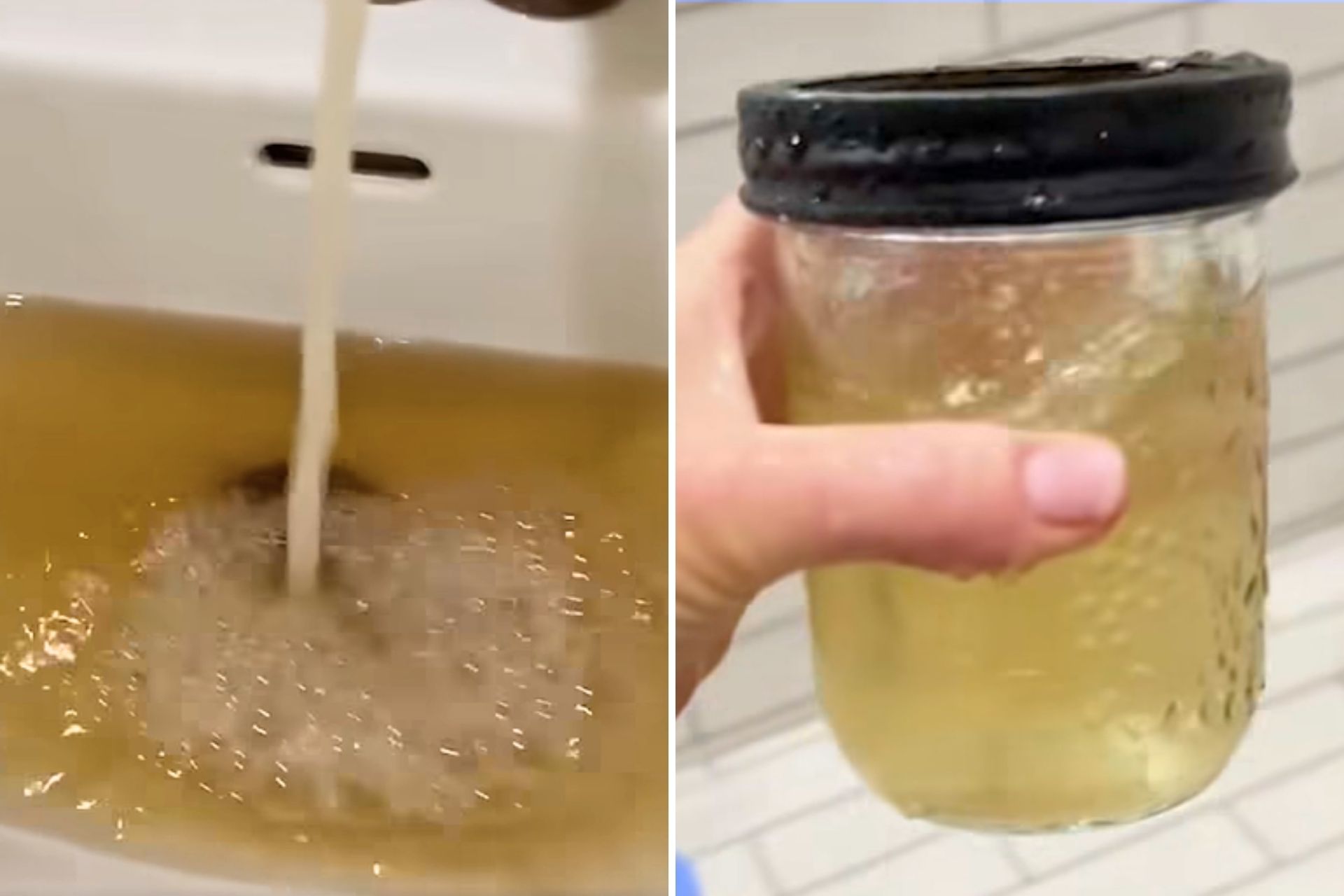
Residents in Trinidad, southeast of Dallas, had spent months complaining about brown, cloudy, and foul-smelling tap water tied to the town’s aging pipe system. Jennifer Combs, a local business owner, mother, and operator of the Facebook page “Southern Belle Watch,” became one of the loudest public critics after residents sent her photos and reports of sediment-filled water. Some residents compared the water to “the Trinity River flowing from their taps,” while others worried about possible health effects and appliance damage. State regulators later confirmed they were investigating the town’s water system.
A Facebook Warning Led To An Arrest

The controversy escalated after Combs posted a public warning asking residents to report illnesses, discolored water, and possible bacterial contamination. In her Facebook post, she wrote that residents had allegedly been hospitalized and called the situation “a serious public health concern that deserves immediate attention.” Trinidad police later arrested Combs on a felony false alarm charge, accusing her of spreading misinformation that could create panic. She spent one night in jail before being released. Critics quickly noted that the town itself issued a boil-water notice weeks later warning residents about potential bacterial contamination.
Free Speech Advocates Saw A Dangerous Precedent
Civil liberties groups and constitutional lawyers quickly condemned the arrest, arguing the government cannot criminalize public criticism or warnings about local safety concerns. Legal experts noted that speech involving public health and government accountability receives some of the strongest protections under the First Amendment. Supporters of Combs argued authorities appeared more focused on silencing criticism than addressing infrastructure failures.
The Lawsuit Expanded Beyond One Facebook Post
Combs later filed a lawsuit claiming her arrest violated constitutional protections and was intended to intimidate critics questioning the town’s water system. Her attorneys argue she was acting as a concerned resident sharing community complaints rather than deliberately spreading false information. The case now centers not only on her arrest, but also on whether local officials abused law enforcement powers to suppress embarrassing public scrutiny.
Aging Water Systems Are A Growing Texas Problem
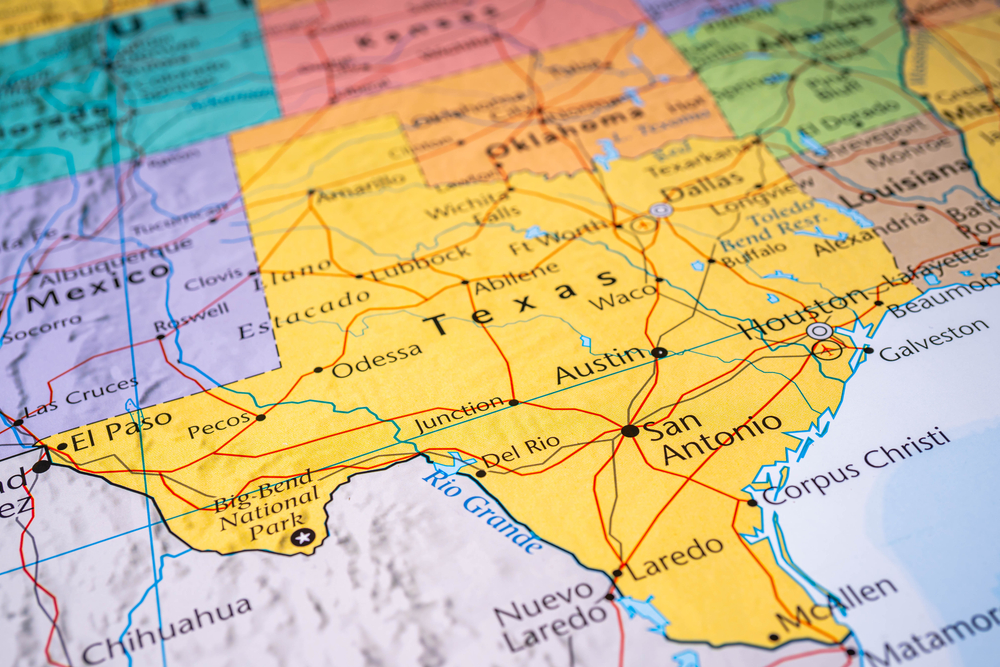
The Trinidad dispute reflects broader infrastructure problems facing many Texas communities. Smaller towns across the state increasingly struggle with decades-old pipes, maintenance backlogs, drought stress, and population growth. Texas has faced repeated water emergencies in recent years, including contamination scares, winter freeze failures, and shortages that exposed how vulnerable many local systems have become.
Social Media Has Become An Emergency Warning Network

The case also highlights how residents increasingly rely on Facebook and neighborhood groups during local emergencies. In many small towns, social media spreads information faster than official government alerts. That can help communities react quickly during crises, but officials warn it can also spread rumors and confusion when claims are unverified. The Trinidad case sits directly in the middle of that growing tension.
Officials Argued False Claims Could Cause Panic

Supporters of the arrest argued misinformation about public utilities can undermine trust in emergency guidance and trigger unnecessary fear. Authorities maintained Combs’ post included claims that had not been verified at the time. Legal experts, however, note courts generally set a very high standard before speech about public matters can become criminal, especially when no direct threat or fraud is involved.
The Case Could Influence Future Emergency Responses

The outcome of the lawsuit may shape how governments nationwide respond to online criticism during infrastructure emergencies. A ruling favoring Combs could reinforce protections for residents who publicly question official narratives during public safety disputes. A ruling supporting the town’s actions could encourage more aggressive responses to social media posts authorities view as disruptive or misleading.
The Fight Reflects A Larger Crisis Of Public Trust
At its core, the Trinidad dispute reflects growing distrust between local governments and the communities they serve. When residents lose confidence in official communication, they often turn to social media, neighborhood groups, and independent watchdogs for information. As infrastructure failures become more common nationwide, the Texas case may ultimately become less about one Facebook post and more about who controls public information during moments of fear and uncertainty.