Texas Orders a Dallas University to Shut Down After Finding It Offered STEM Degrees Without State Approval
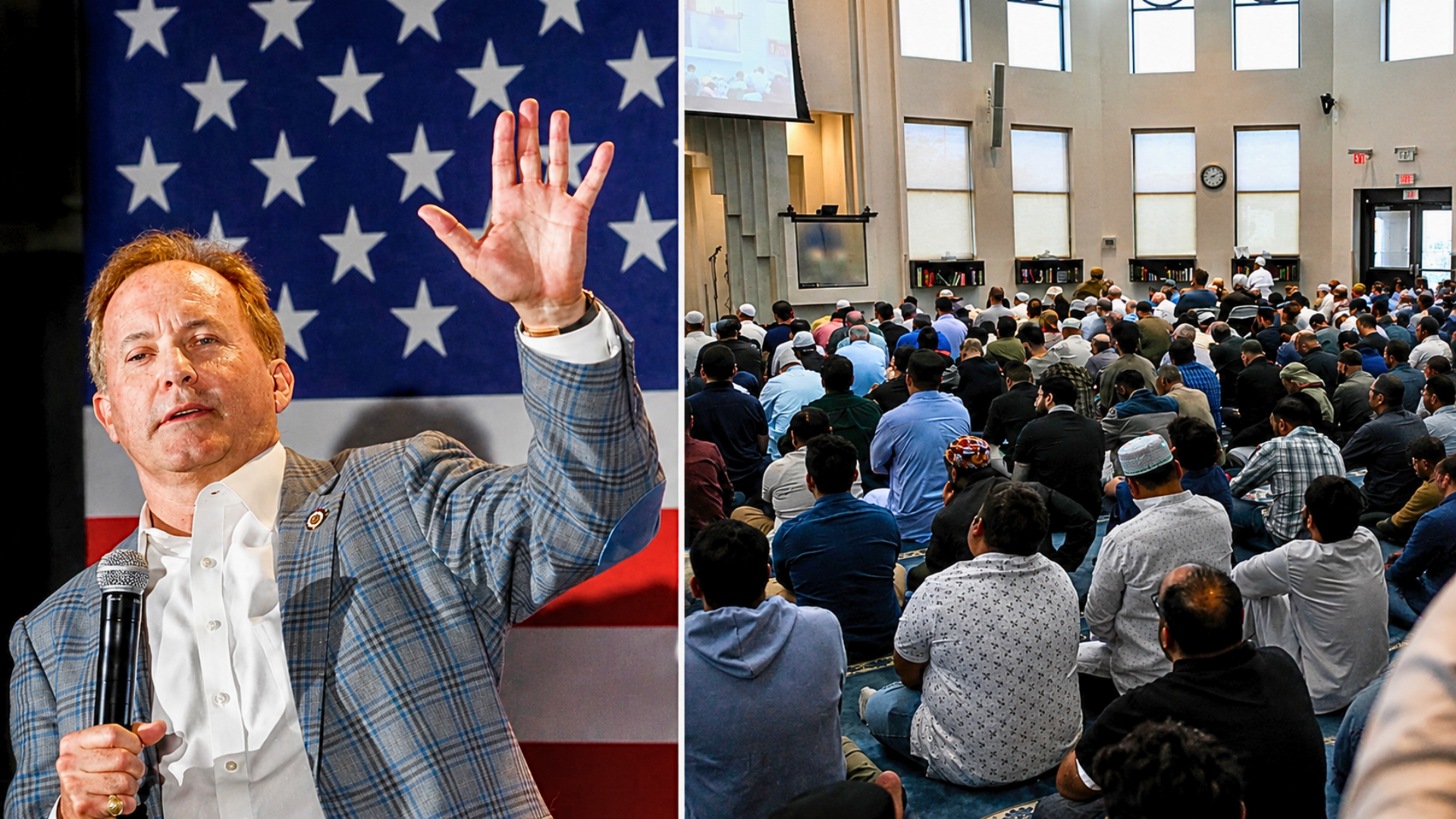

A small institution in Richardson, Texas had been enrolling students, promoting Spring 2026 admissions, and advertising master’s degrees in artificial intelligence and bachelor’s programs in computer science, cybersecurity, and health informatics. It had already run a first semester in October 2025 with roughly 26 students. The problem Texas officials discovered was straightforward: the institution had never received the state authorization required to legally operate as a university or award a single degree. On May 6, 2026, the Texas Higher Education Coordinating Board sent a formal cease-and-desist letter. By the next day, it was front-page news. By the end of the week, the attorney general had filed a lawsuit.
What the Law Requires and What TexAM Never Had

Under Chapter 61 of the Texas Education Code, any private postsecondary institution operating in Texas must hold a Certificate of Authority issued by the Texas Higher Education Coordinating Board before it can offer or grant degrees or legally use the term “university.” The THECB’s May 6 letter stated that TexAM had never been granted that certificate and was therefore prohibited by law from offering or granting degrees. The letter also noted that unauthorized use of the term “university” carries its own criminal liability under Texas Education Code Section 61.313. TexAM was required to confirm in writing by May 8 that it had permanently and immediately ceased all prohibited activities.
What TexAM Was and How It Described Itself

The institution operated under the legal name Texas American Muslim Institute for Technology at Dallas, doing business as Texas American Muslim University at Dallas or TexAM University. It described itself on its website as the first university in the United States to offer STEM degree programs embedded with mandatory courses in Islamic Studies, with approximately 30 percent of its curriculum devoted to Islamic subjects. It was advertising Spring 2026 admissions across four undergraduate programs and a master’s degree in artificial intelligence, with tuition listed at $99 per three-credit course for foreign students. Its physical address was 1100 E. Campbell Road in Richardson, a building also associated with the Dallas Diyanet Mosque and the Islamic Seminary of America.
The Nonprofit Charter Had Already Been Forfeited

One detail that significantly strengthened the state’s legal position was revealed in the attorney general’s petition: TexAM’s nonprofit corporate charter had been forfeited in February 2026, months before the cease-and-desist letter was issued, and the charter remained forfeited at the time of the lawsuit. This meant the institution was not only operating without a Certificate of Authority to offer degrees but was doing so as a legal entity whose nonprofit status had already lapsed. The combination of an expired corporate charter and an unauthorized degree operation formed the core of the state’s case that TexAM had been operating illegally on multiple grounds simultaneously.
Governor Abbott Directed the Action Personally

The cease-and-desist letter was not initiated independently by the coordinating board. Governor Greg Abbott publicly stated that he had personally directed the Texas Higher Education Coordinating Board to issue the order. Abbott said that if TexAM refused to comply, legal action would follow, adding that Texas would not allow illegal educational institutions to operate in the state. The coordinating board acted under that direction, and Attorney General Ken Paxton’s lawsuit followed. The Texas A&M University System issued its own separate cease-and-desist letter on May 8, directed at TexAM’s use of branding and naming that it said was confusingly similar to Texas A&M’s trademarks.
The Attorney General Filed Suit and Is Seeking Over $1 Million

Attorney General Ken Paxton filed a civil lawsuit against TexAM University at Dallas, its founder Shahid A. Bajwa, and two other directors and board members. Paxton alleged that TexAM had unlawfully presented itself as a university, offered degrees it was not authorized to grant, and misled prospective students about its legitimacy. The lawsuit also cited the branding similarities to Texas A&M as misleading to prospective students. Paxton is asking the court to permanently shut TexAM down, block any resumption of operations, and impose more than $1 million in civil penalties for alleged violations of the Texas Deceptive Trade Practices Act and the Texas Education Code.
Texas A&M Moved to Protect Its Trademarks
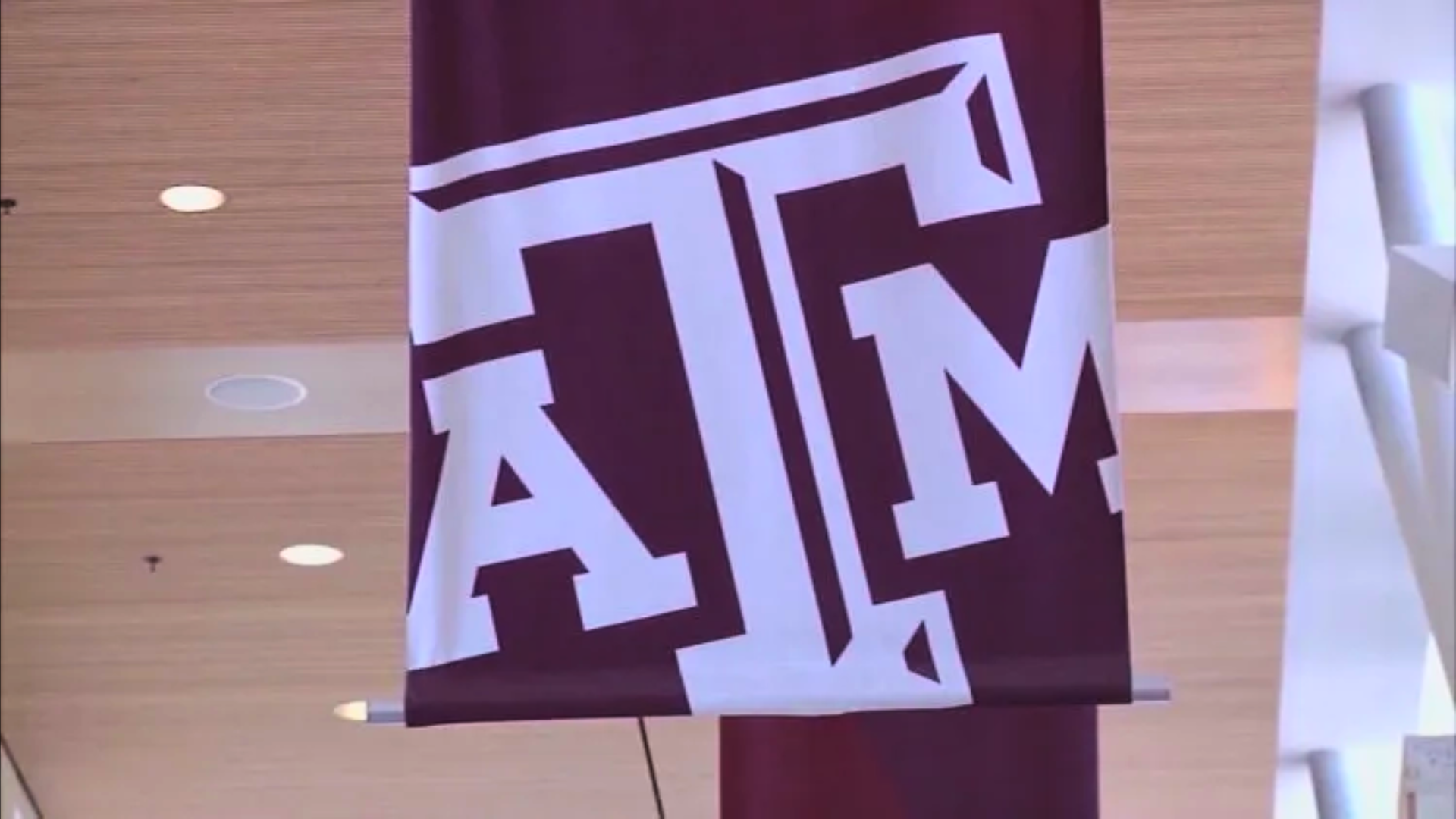
On May 8, Texas A&M University System Chancellor Glenn Hegar issued a public statement alongside the system’s own cease-and-desist letter, stating the system has a duty to protect its name and trademarks, which represent more than 150 years of academic work and public trust. He said when another organization uses similar branding in the same educational space, the system must act to prevent confusion and protect the value of those marks. Paxton’s lawsuit echoed this concern, noting that TexAM had adopted branding and a name confusingly similar to Texas A&M University. TexAM’s founder said the institution is looking into the branding issue and will respond to Texas A&M accordingly.
The Founder Says the Institution Has Already Complied
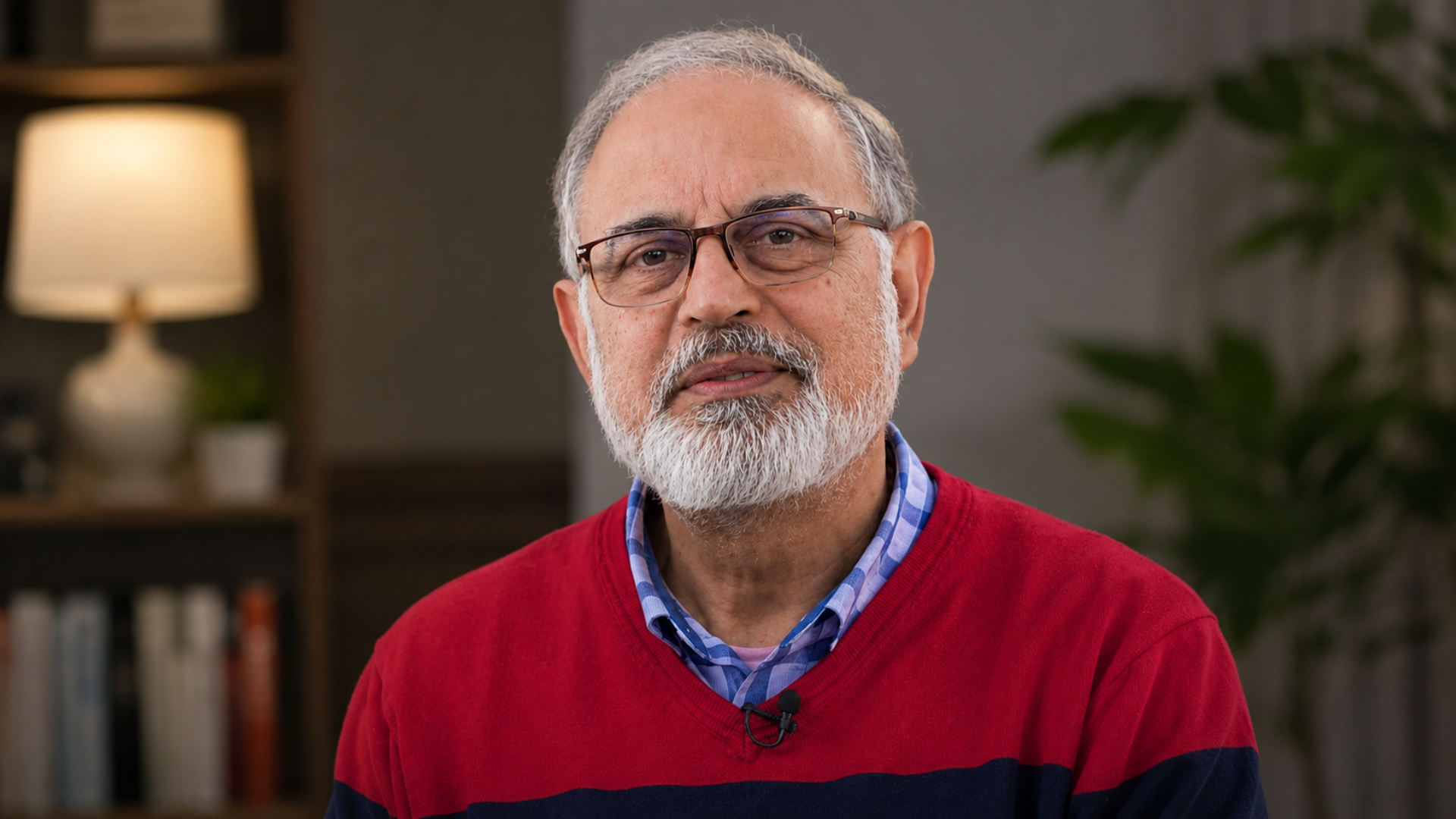
Shahid A. Bajwa responded to the developments in a statement provided to Fox News Digital. He confirmed that the institution had been sued personally alongside two other directors for $1 million in civil penalties. He said the institution failed to understand how facts of compliance had been overlooked and that they are ready to resolve any misunderstanding. He confirmed the institution submitted written compliance confirmation to the coordinating board by email on May 11, noting the deadline had been extended beyond the original May 8 date. He said TexAM had taken down its website and social media accounts, ceased calling itself a university, and stopped offering or advertising degree programs. He also stated no fees had ever been charged to students.
Why Unauthorized Degrees Put Students at Real Risk
The state’s Certificate of Authority requirement exists specifically to protect students from investing time and money in credentials that carry no legal or professional standing. Students who enrolled in TexAM’s programs before the shutdown may find their coursework has no transferable value toward a recognized degree. Employers, accreditation bodies, and other academic institutions have no obligation to recognize coursework from an unauthorized institution. Texas law addresses this risk directly because it has happened before: degree mills have operated across the country, leaving students with worthless credentials and no legal recourse. The potential criminal and civil penalties attached to unauthorized operation are designed to deter exactly this kind of situation.
The Lawsuit Is Moving Forward. The Questions It Raises Are Not Simple Ones.

TexAM’s founder says the institution has already complied with the coordinating board’s demands and is ready to resolve the legal dispute through discussion. The attorney general’s lawsuit, however, is proceeding independently and is seeking permanent closure, not a settlement. Whether the courts ultimately impose the full penalties or find a different resolution will determine the final outcome. What the timeline has already established is that TexAM operated for at least one semester, enrolled students, and advertised degree programs without ever holding the state authorization required to do so legally. Texas has made clear it intends to see the case through.