Texas Plan to Require Bible Passages in Schools Sparks Strong Reactions from Parents
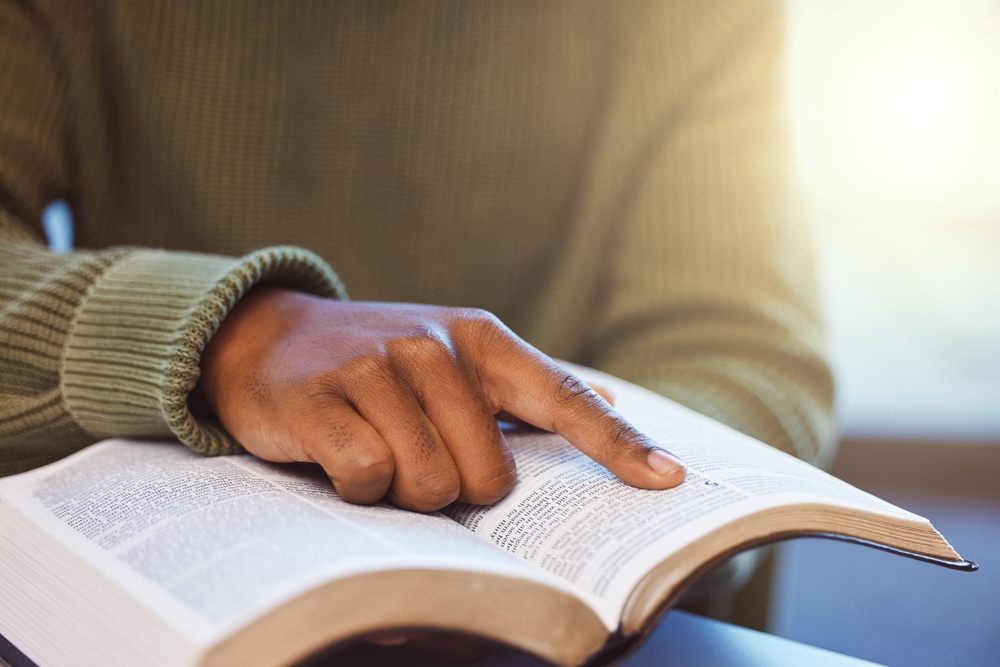

A new proposal in Texas is stirring intense reactions across the state, as education officials consider requiring students to read selected Bible passages in public schools. What supporters frame as a push for cultural literacy has quickly become a flashpoint, drawing emotional testimony from parents, teachers, and religious leaders who see the move very differently.
What the Texas Plan Would Require

At the center of the controversy is a state-developed reading list that would apply to all public school students from kindergarten through 12th grade. The list includes a wide range of materials, from classic children’s books to historical texts, but it also incorporates multiple Bible stories such as Jonah and the whale, the Book of Job, and the Road to Damascus. If approved, the curriculum would not take effect until the 2030–31 school year.
A Heated Public Response

When the proposal came before the Texas State Board of Education, it drew hours of public testimony and an overflow crowd. Parents, students, educators, and clergy packed hearings to voice their opinions, turning what might have been a routine curriculum discussion into a high-profile cultural debate. The intensity of the response reflects how deeply the issue resonates beyond the classroom.
Supporters See Cultural and Historical Value

Backers of the plan argue that understanding the Bible is essential to understanding American history and literature. Nathan Irving, a Texas pastor, told the board that teaching biblical content reflects the country’s foundations, saying, “This country and this state were founded upon a Christian worldview”. Supporters believe the readings provide moral context and shared cultural knowledge for students.
Critics Warn of Constitutional Concerns
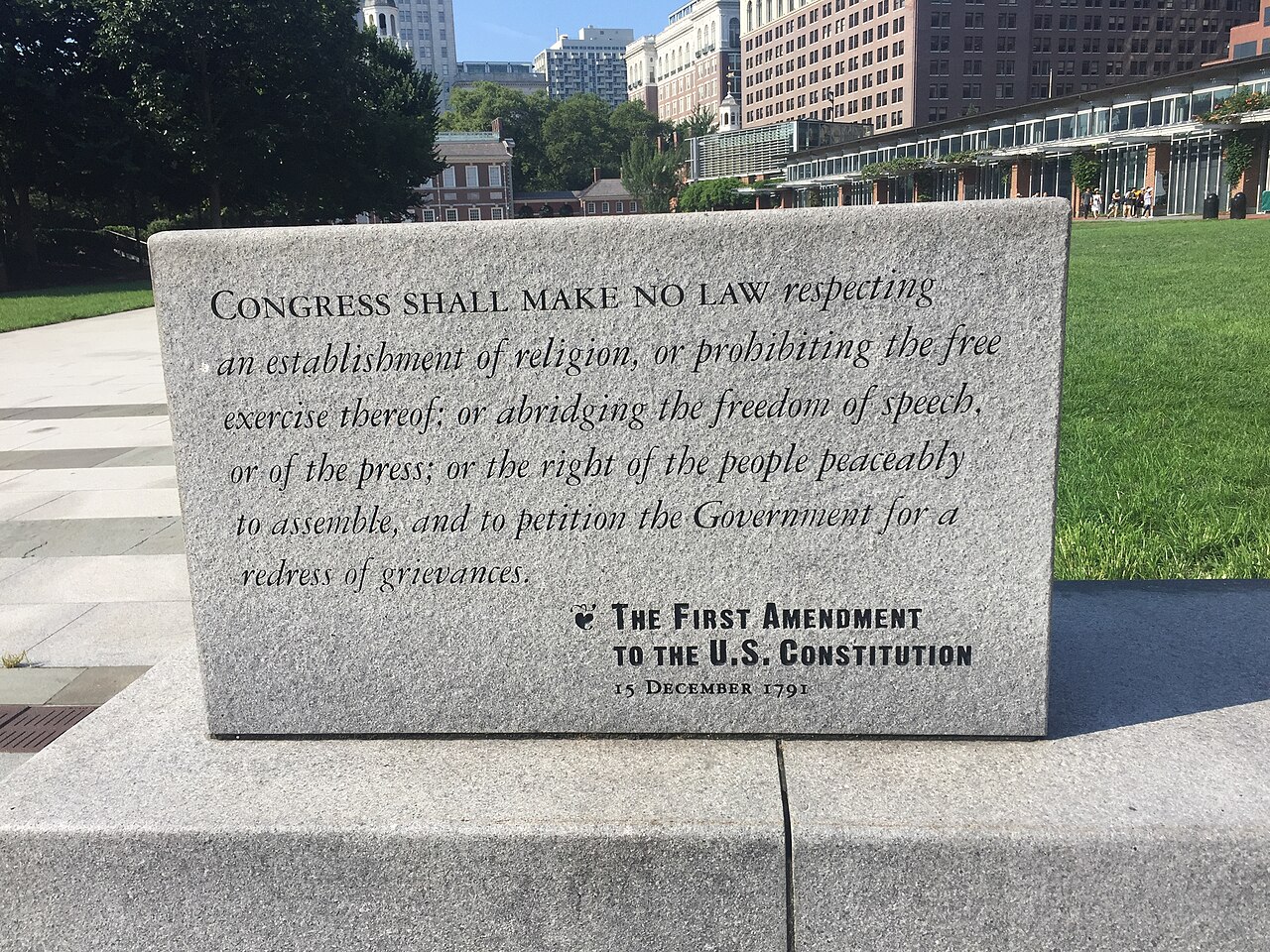
Opponents, however, argue the proposal crosses a constitutional line. Many speakers cited the First Amendment’s establishment clause, which prohibits government endorsement of religion. Rabbi Josh Fixler told the board the list is “a tool of proselytization,” warning that it blurs the line between teaching about religion and promoting it.
Parents Voice Personal and Religious Concerns
Some of the most pointed objections came from parents who said the policy interferes with their role in guiding their children’s faith. Megan Boyden, a mother from Denton, told CBS News that she questioned whether Bible passages might be taught in ways that conflict with her beliefs and asked how non-Christian students would be affected. Her concerns echoed a broader anxiety about how a statewide mandate could impact diverse families.
Advocates Say the Plan Limits Teachers

Education advocates have also raised alarms about how the reading list could affect classrooms. Critics argue the proposal is too extensive and prescriptive, limiting teachers’ ability to tailor lessons to their students. Organizations like the Texas Freedom Network warn that a mandated list could undermine educators’ expertise and local decision-making while narrowing what students are exposed to.
Questions About Diversity and Representation

Beyond religion, critics say the list raises concerns about whose voices are included and whose are left out. Earlier versions were criticized for lacking diversity and emphasizing Christian perspectives, even as they included some works by figures like Frederick Douglass and Martin Luther King Jr. Opponents argue that a required canon should better reflect the state’s wide range of cultures and beliefs.
Part of a Broader National Movement
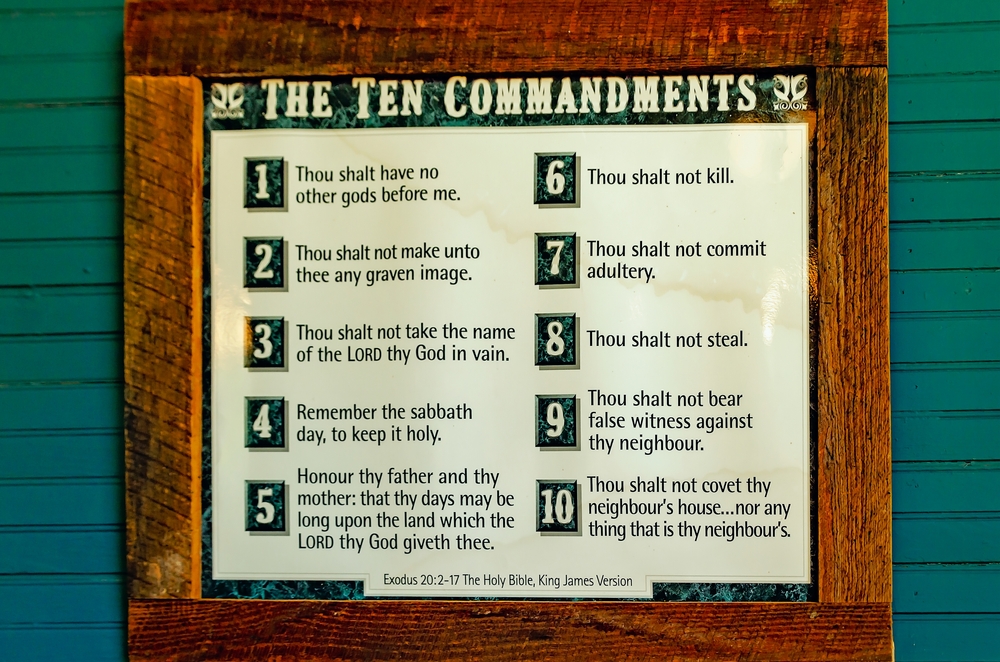
The Texas proposal does not exist in isolation. It comes amid a wider push in several Republican-led states to expand the role of religion in public education. Texas has already approved policies allowing school chaplains and requiring the display of the Ten Commandments in classrooms, though some districts have challenged those measures in court. The outcome here could influence similar efforts nationwide.
What Happens Next

The State Board of Education has given the reading list preliminary approval, with a final vote expected in June. As the debate continues, the decision will likely shape not just what Texas students read, but how the state navigates the enduring tension between education, religion, and public life.