Tesla Issues Recall After Finding a Key Part Could Come Loose While Driving
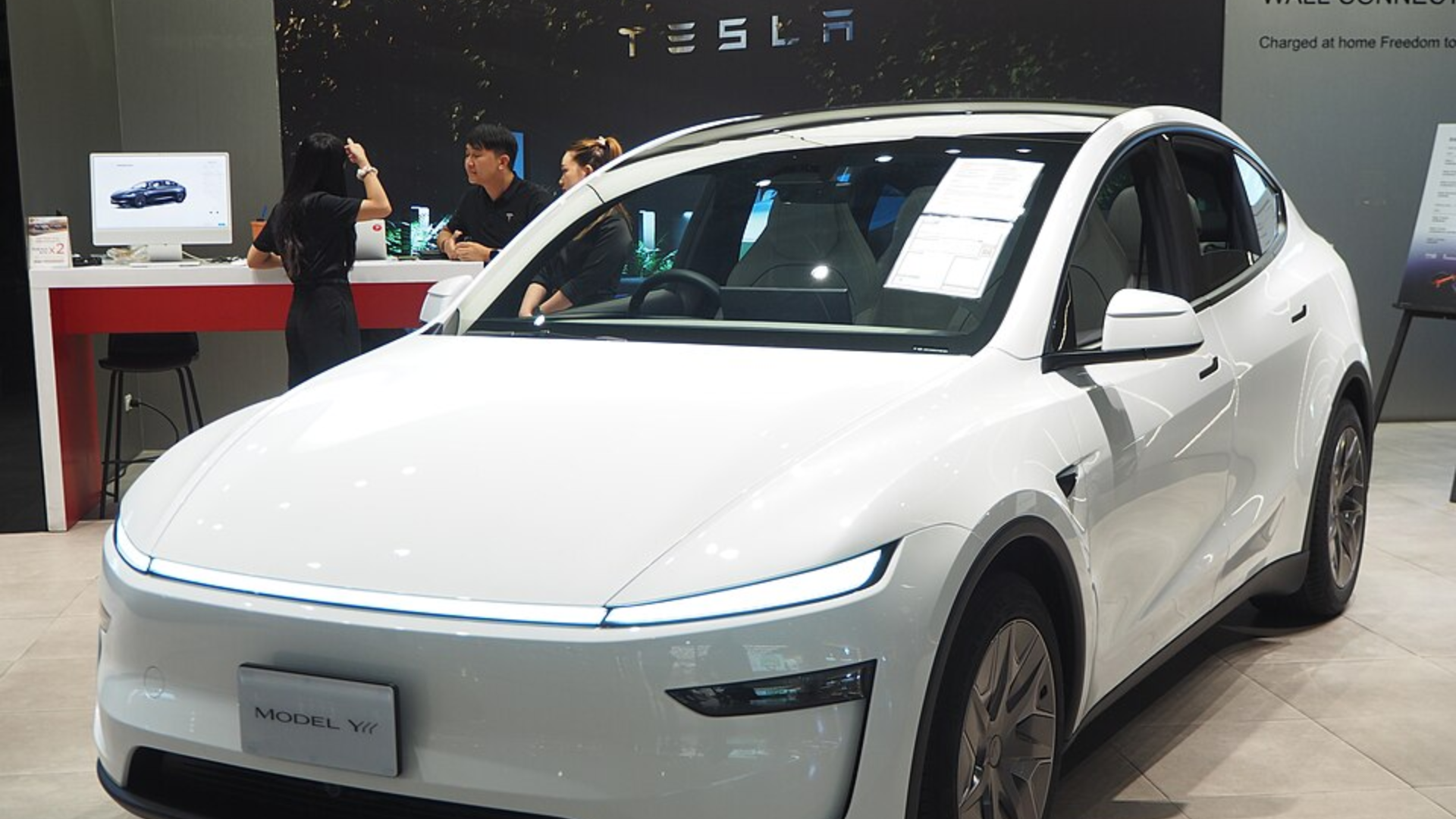

The word “recall” usually conjures images of thousands of cars rolling back into dealerships at once. This one is different. Tesla is recalling a small number of 2026 Model Y vehicles after discovering that a front suspension bolt may not have been properly tightened on the assembly line, a defect the company says could eventually cause a driver to lose control of the vehicle.
The recall covers just 19 Model Y vehicles built between July 26 and August 4, 2026, according to NHTSA campaign number 26V558000. Tesla estimates that roughly 75% of those specific vehicles actually have the defect. The issue involves two fasteners connecting the front suspension’s lateral link to the subframe, the component responsible for positioning each front wheel and managing cornering and braking forces.
Tesla first caught the problem almost by accident. On Aug. 7, a technician flagged one Model Y for unusual handling and noise during a routine check at the Fremont factory. An end-of-line inspection revealed a missing fastener entirely. That single discovery triggered a deeper investigation into exactly how a bolt like that could have left the assembly line without being properly torqued in the first place.
A Deactivated Safety Controller Let an Under-Torqued Bolt Slip Through
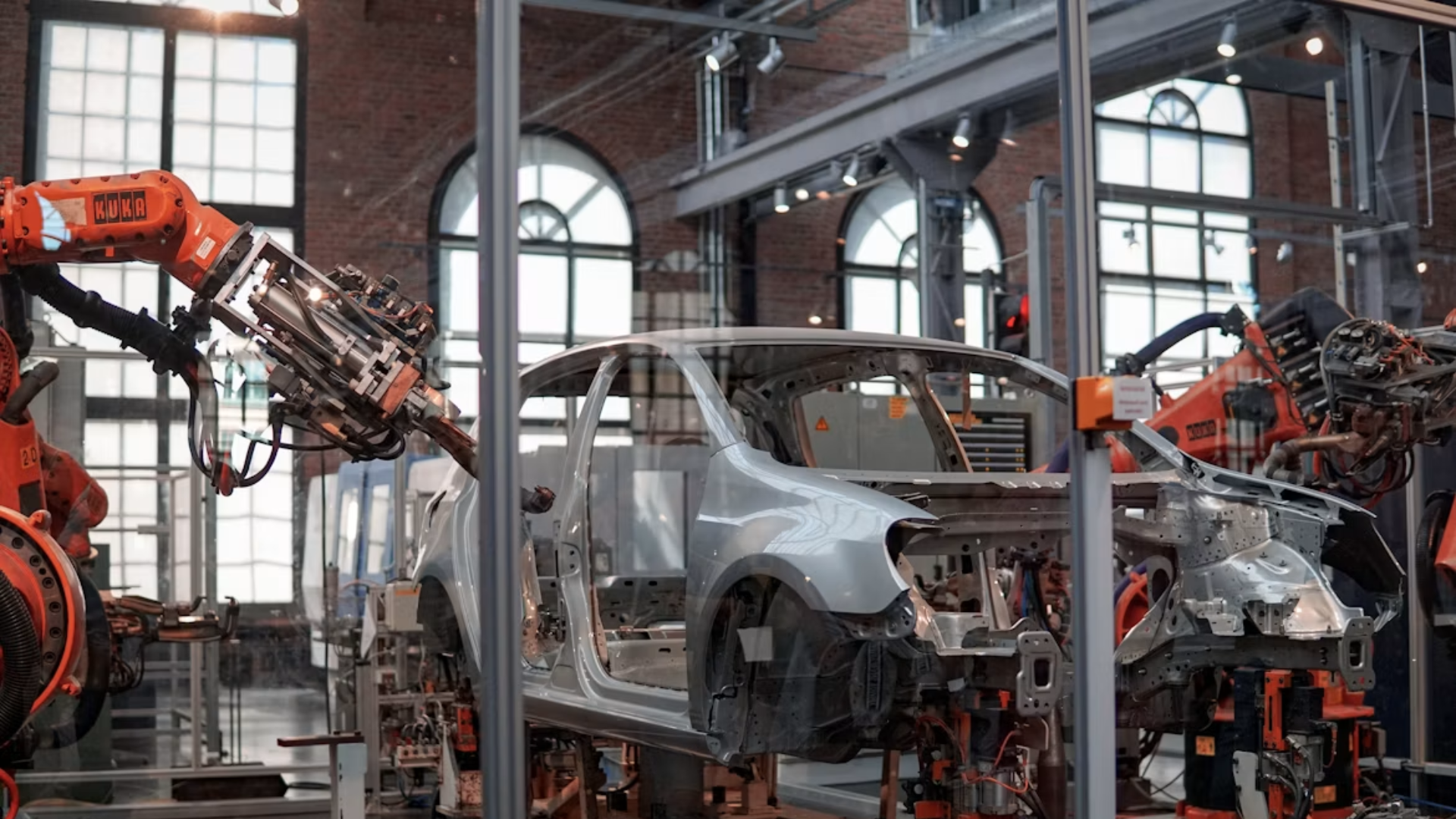
The investigation traced the problem back to a programmable logic controller, a piece of automated equipment responsible for confirming that fasteners were torqued correctly during production. That controller had been inadvertently deactivated on July 26. Without it running, the automated process meant to verify proper torque on the lateral link fasteners simply stopped functioning, letting under-tightened bolts pass through the line undetected for more than a week.
If one of these fasteners loosens or separates entirely while a car is being driven, the front suspension’s geometry can shift suddenly and unpredictably. That shift compromises steering stability and raises the real risk of a driver losing control. Tesla’s remedy is straightforward: service centers will inspect the affected fasteners, retorque them to proper specification, or replace any damaged hardware entirely, all at no cost to owners. Notification letters are scheduled to go out by late October.
Nineteen cars and one deactivated controller might sound like a narrow, contained problem. The bolt itself tells a different story. This is not the first time this exact fastener, on this exact joint, has triggered a federal safety recall, and understanding that longer history changes how seriously the small scope of this particular filing should actually be taken by anyone shopping for a used Model Y today.
This Is the Same Bolt That’s Failed Four Times Since 2021
Federal records show this specific lateral link fastener has now triggered recalls on three separate occasions before this one. In October 2021, Tesla recalled 2,791 Model Y and Model 3 vehicles for the identical problem: front suspension lateral link fasteners that could loosen and separate from the subframe. A second campaign covering the same joint followed in 2022. This 2026 filing marks the fourth time federal regulators have documented essentially the same failure.
There is a second, larger investigation. It is worth keeping separate in your head. NHTSA has a much bigger preliminary evaluation open into roughly 1.2 million older Model 3 and Model Y vehicles, examining separate complaints about front suspension detachment. That inquiry has not resulted in a recall yet, and it involves a different population of vehicles than the 19 cars covered here, but it points toward the same general area of the car drawing sustained federal scrutiny.
Put together, these two things are not the exact same defect. But they are both circling the same corner of the car, again and again, in a way that raises a fair question about whatever process fix actually followed the original 2021 recall, and whether it truly held up as production scaled to new plants and new vehicle lines.
Software Updates Can’t Fix a Bolt That Was Never Tightened
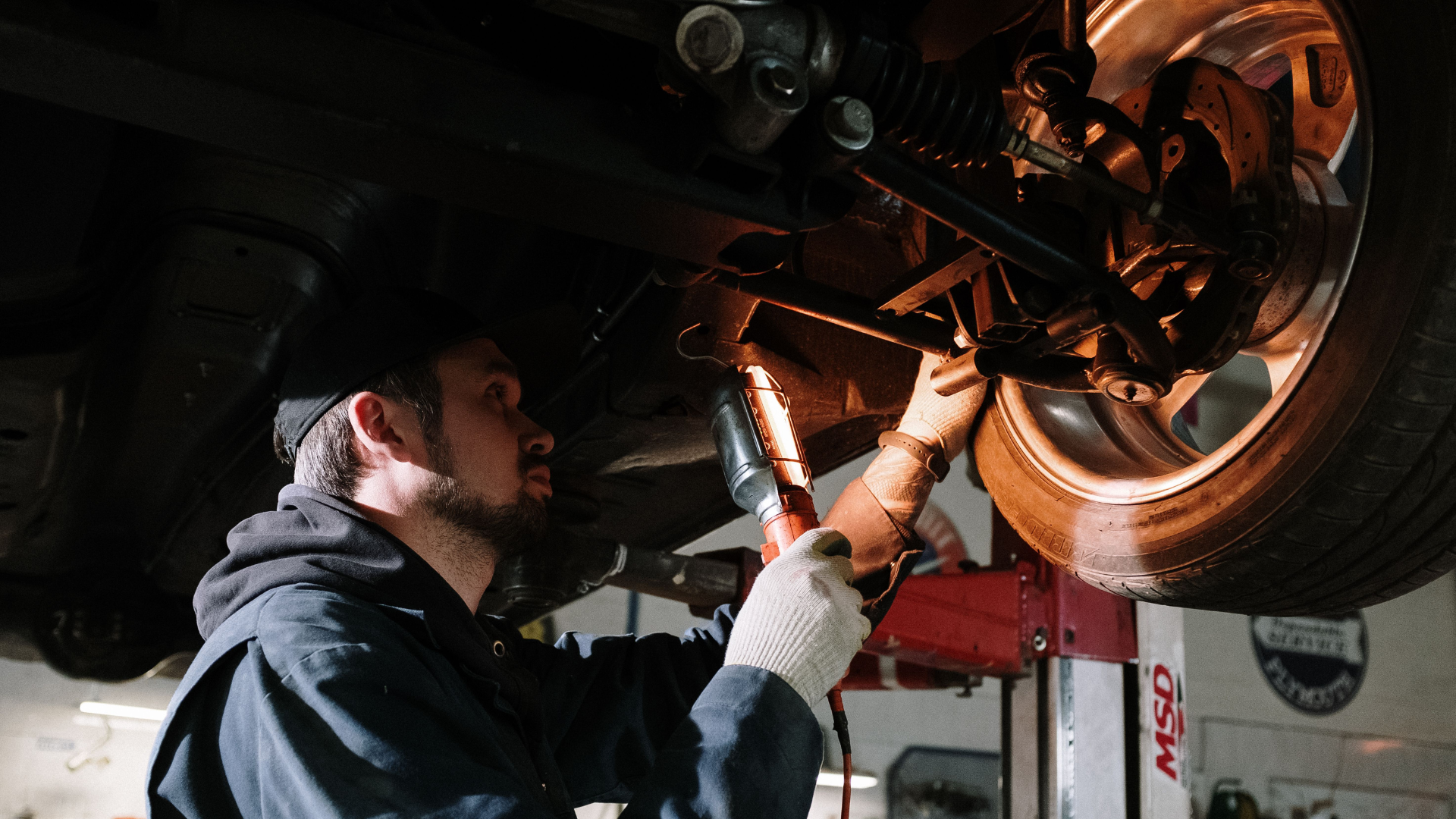
Tesla has genuinely earned a reputation for resolving problems remotely. The company recently addressed a potential issue affecting 2.26 million vehicles primarily through over-the-air software updates rather than requiring owners to visit a service center at all. A loose suspension bolt simply cannot be pushed out as an update. It requires a technician, a torque wrench, and a physical inspection of the actual hardware bolted to the car.
That distinction matters more as Tesla scales production across new global plants. Industry tracking data shows the company ranks ninth among automotive brands in total recall filings so far this year, a middling position that reflects ongoing manufacturing consistency challenges rather than any single catastrophic failure. Automated torque tools are standard equipment across the entire auto industry, but they only work as intended when the systems checking their own accuracy are actually running.
A bolt has now failed the same way four times in five years, across three different vehicle lines. That is not really a story about 19 cars. It is not even about one deactivated controller on one day in July. It is a story about whatever process was supposed to catch this after the very first recall in 2021, and why, five years later, it still hasn’t fully stuck.