Tesla Faces Major Losses After 11 Battery Trailers Are Stolen, Raising Supply Chain Concerns
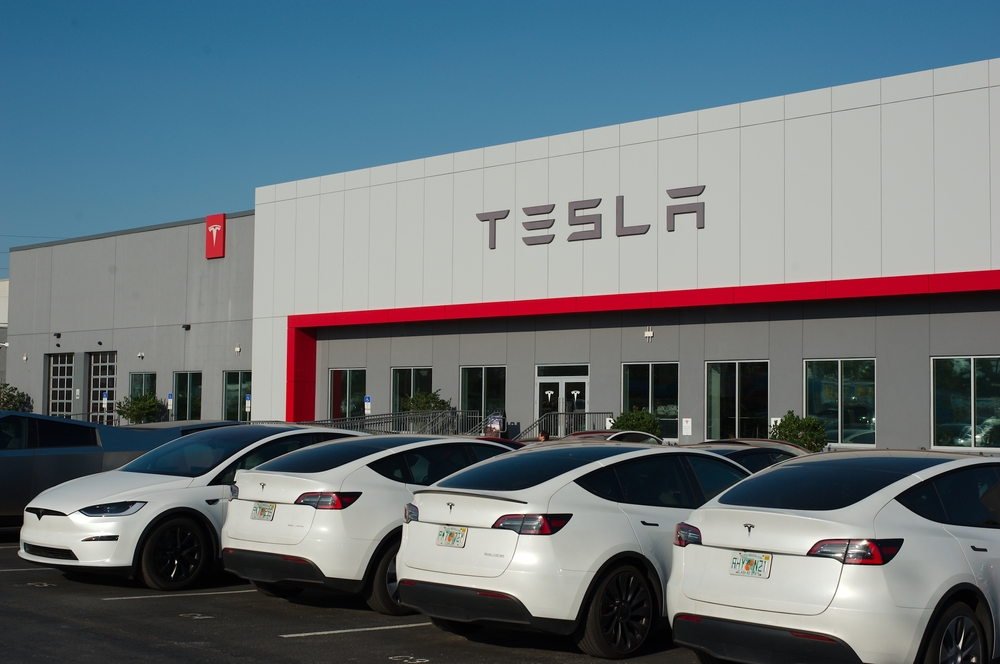

Millions of dollars’ worth of Tesla batteries disappeared before reaching customers after thieves allegedly stole at least 11 semi-trailers loaded with Powerwall systems and battery products from the company’s Nevada operations. The thefts have drawn attention not only because of their scale, but because they targeted shipments before they even left the factory, highlighting growing concerns about organized cargo theft in modern supply chains.
The Thefts Happened Over Just A Few Weeks

According to sheriff’s records first obtained by WIRED, the suspected thefts occurred between December and late January, with nine incidents reported in January alone. Rather than stealing individual products, investigators say organized groups allegedly took entire trailers carrying finished Tesla batteries worth hundreds of thousands of dollars each, allowing criminals to move high-value cargo quickly before companies realized shipments had gone missing.
Powerwall Shipments Were Among The Primary Targets

Several of the stolen trailers contained Tesla’s Powerwall 3 home battery systems, which homeowners often pair with rooftop solar panels for backup electricity and energy storage. In one December incident, two trailers each carried more than $475,000 worth of Powerwall units. Another shipment containing 123 Powerwalls destined for Tesla’s Hayward, California, facility never arrived after investigators say a freight broker unknowingly reassigned the load to a fraudulent carrier.
Investigators Believe Organized Groups Exploited Shipping Weaknesses
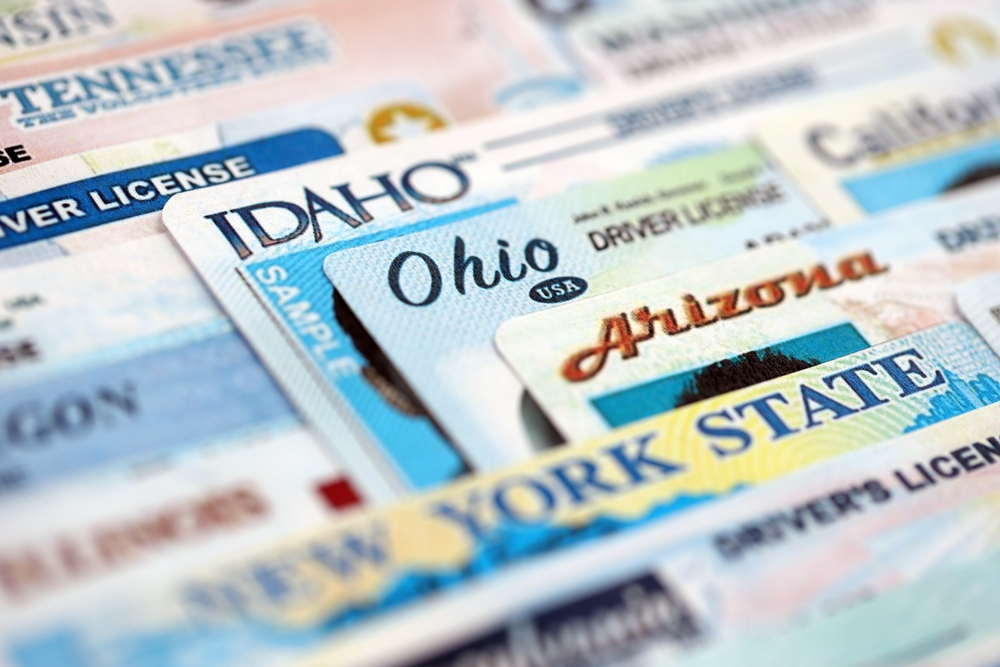
Authorities say the thefts fit a growing pattern known as strategic cargo theft. Instead of intercepting trucks on the road, organized groups allegedly used forged commercial driver’s licenses, fake transportation companies, and fraudulent logistics arrangements to collect trailers directly from loading docks. Investigators say this approach exploits vulnerabilities in freight brokerage and identity verification rather than relying on traditional cargo theft methods.
Law Enforcement Says Cargo Theft Is Becoming More Common
Storey County Sheriff’s Detective Sam Hatley described cargo theft as “an epidemic right now,” noting that investigators were tracking numerous cargo theft cases involving Tesla and other businesses in the region. Transportation industry researchers cited by WIRED estimate that shipping thefts in the United States have roughly doubled in recent years and now cost businesses nearly $18 million every day, with electronics among the most frequently targeted products.
The Disruptions Could Reach Beyond Tesla

Large-scale cargo theft can ripple through the supply chain by delaying deliveries, increasing transportation costs, and forcing companies to strengthen security procedures. Because Tesla’s Powerwall systems are installed in homes alongside solar energy systems, shipment delays could also postpone installations for customers waiting on residential battery storage projects.
Stolen Batteries May Not Work For Buyers

One factor that may reduce the appeal of stolen Powerwalls is Tesla’s ability to disable them. According to investigators, some stolen units later appeared for sale online, but Powerwalls flagged as stolen reportedly cannot be activated. That means unsuspecting buyers could spend thousands of dollars on equipment that ultimately cannot function, reducing the value of the products on the black market.
Tesla Has Already Tightened Security Measures
Investigators say some of the earliest thefts occurred after routine security procedures were not consistently followed. Since then, Tesla has reportedly strengthened factory security by verifying driver identities before trailers leave the site, while GPS tracking has helped authorities recover several stolen trailers. Detective Hatley said the additional safeguards appear to be reducing the frequency of successful thefts, although incidents have not completely stopped.
Lawmakers And Federal Agencies Are Responding

The thefts come as federal authorities devote greater attention to organized cargo crime. The FBI has warned companies about increasingly sophisticated cyber-enabled cargo theft schemes, while the U.S. House of Representatives approved the bipartisan Combating Organized Retail Crime Act, legislation that would classify organized cargo theft as a federal offense and create a coordination center within the Department of Homeland Security if enacted.
The Case Reflects A Broader Challenge For Modern Logistics

The Tesla investigation illustrates how increasingly valuable technology products are becoming attractive targets for organized criminal networks that understand the complexities of modern logistics. As manufacturers move expensive batteries, electronics, and energy storage systems across interconnected supply chains, companies may need to invest more heavily in identity verification, shipment tracking, and coordination with law enforcement. The outcome of this investigation could influence how manufacturers across multiple industries protect high-value cargo before it ever reaches the road.