Teen Prodigy Rejects $300,000 Dropout Offer to Protect His Viral AI Farming Tool
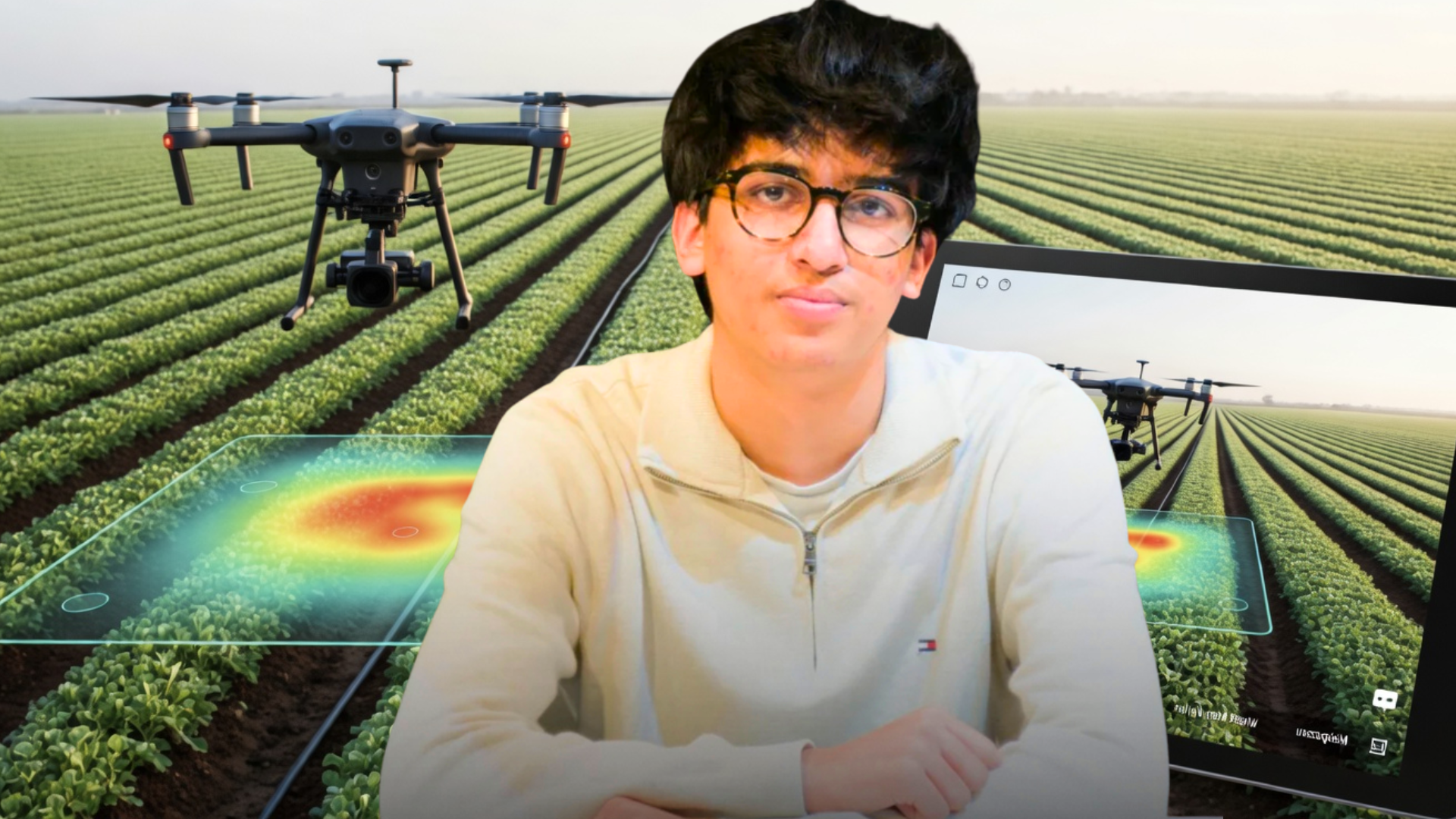

Most teenagers stress over homework and college applications. Rudrojas Kunvar spent his summer building an AI company, and then turned down $300,000 to keep running it on his own terms. The 16-year-old from Germantown, Maryland, received the offer from a venture capitalist who wanted him to drop out of high school and operate his startup full-time. What Kunvar did next reveals something unexpected about why he built it in the first place.
The offer wasn’t easy to dismiss. “It was definitely a rough couple of weeks of contemplating,” Kunvar told Business Insider. “That’s a lot of money.” But after weighing it carefully, he declined. Not out of indifference, but out of conviction. Accepting the funding, he concluded, risked turning a tool he had designed for accessibility into something that prioritized profit over the farmers it was built to serve. That distinction mattered more to him than the check.
The startup at the center of that decision is called Evion. It is a free AI crop-analysis tool that uses images captured by basic consumer camera drones to generate detailed crop health maps for farmers. Green areas indicate healthy crops. Red flags trouble. The simplicity is deliberate. Kunvar designed Evion specifically so that small and midsize farms; the ones least likely to afford expensive precision agriculture services, could access the same quality of data as large commercial operations.
Why American Farmers Are Still Guessing About Their Own Crops
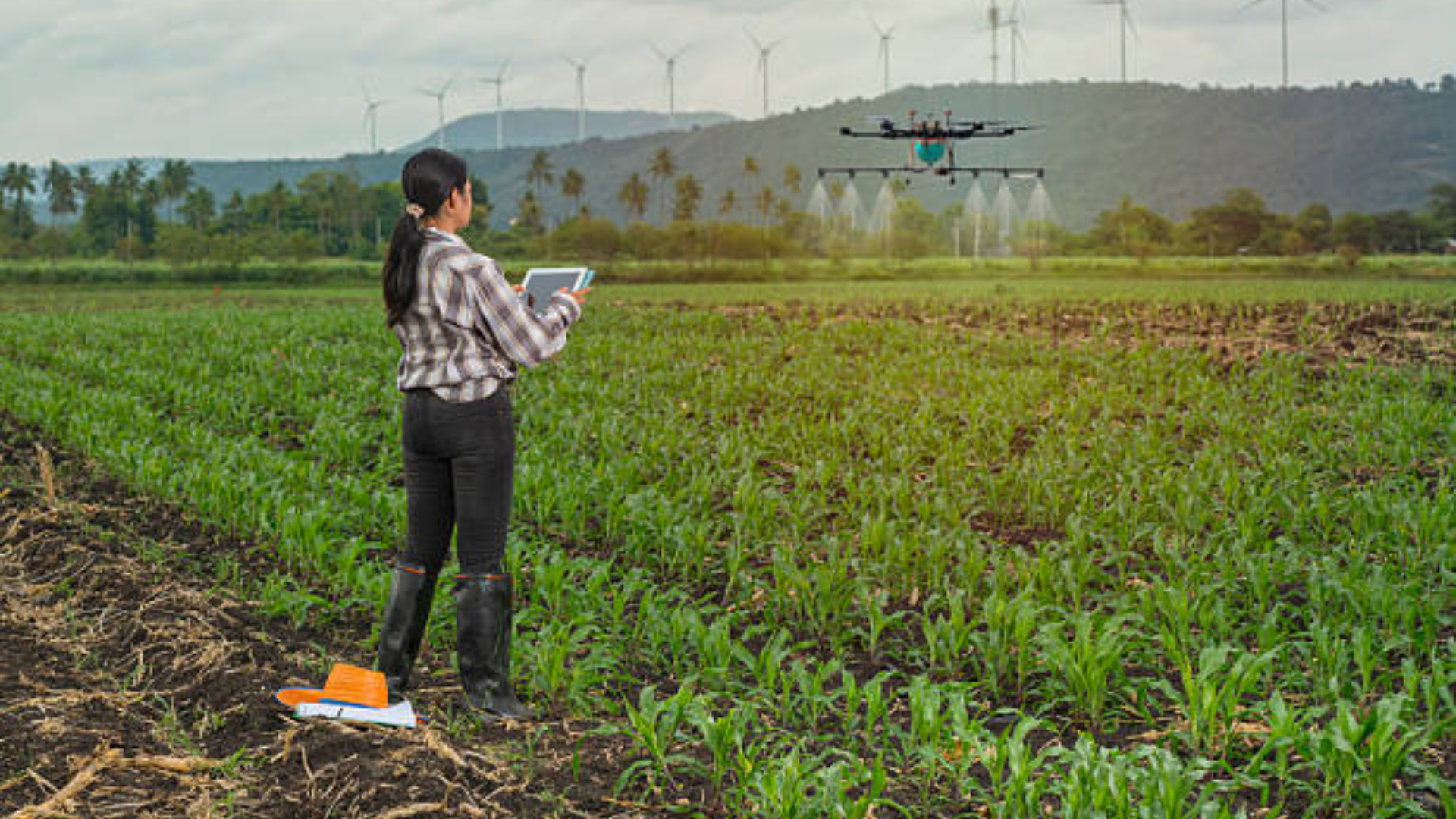
The idea for Evion didn’t come from a classroom or a tech incubator. It came from a conversation at a community festival near Poolesville High School in Montgomery County, Maryland, where one-third of the county is designated as protected agricultural land. Kunvar approached a farmer with a simple question: how do you know when a disease is spreading through your crops, or what a slight change in color actually means? The answer he received stopped him cold. The farmer said he was guessing.
That single admission unlocked something. Kunvar spoke to several more farmers and found the same pattern repeating. Despite decades of technological advancement, many small and midsize agricultural operations were still relying on visual estimates and intuition to make critical decisions about water, fertilizer, and pest management. “We’ve had a lot of AI advancements in various verticals and various industries,” Kunvar told Business Insider. “Why isn’t there much happening for agriculture?” That question became the foundation of everything that followed.
The solution Kunvar originally envisioned looked different from what Evion became. He initially wanted to build a fleet of fully autonomous drones capable of gathering the data independently. But after consulting with mentors and running the numbers, a more practical path emerged. The expensive component in agricultural drones, he discovered, isn’t the drone itself, it’s the multispectral camera. By replacing it with a standard camera lens and training an AI model to extract comparable insights, he could eliminate the biggest barrier to entry for small farms entirely.
The $300,000 Question Behind Every Startup That Claims to Care About Access
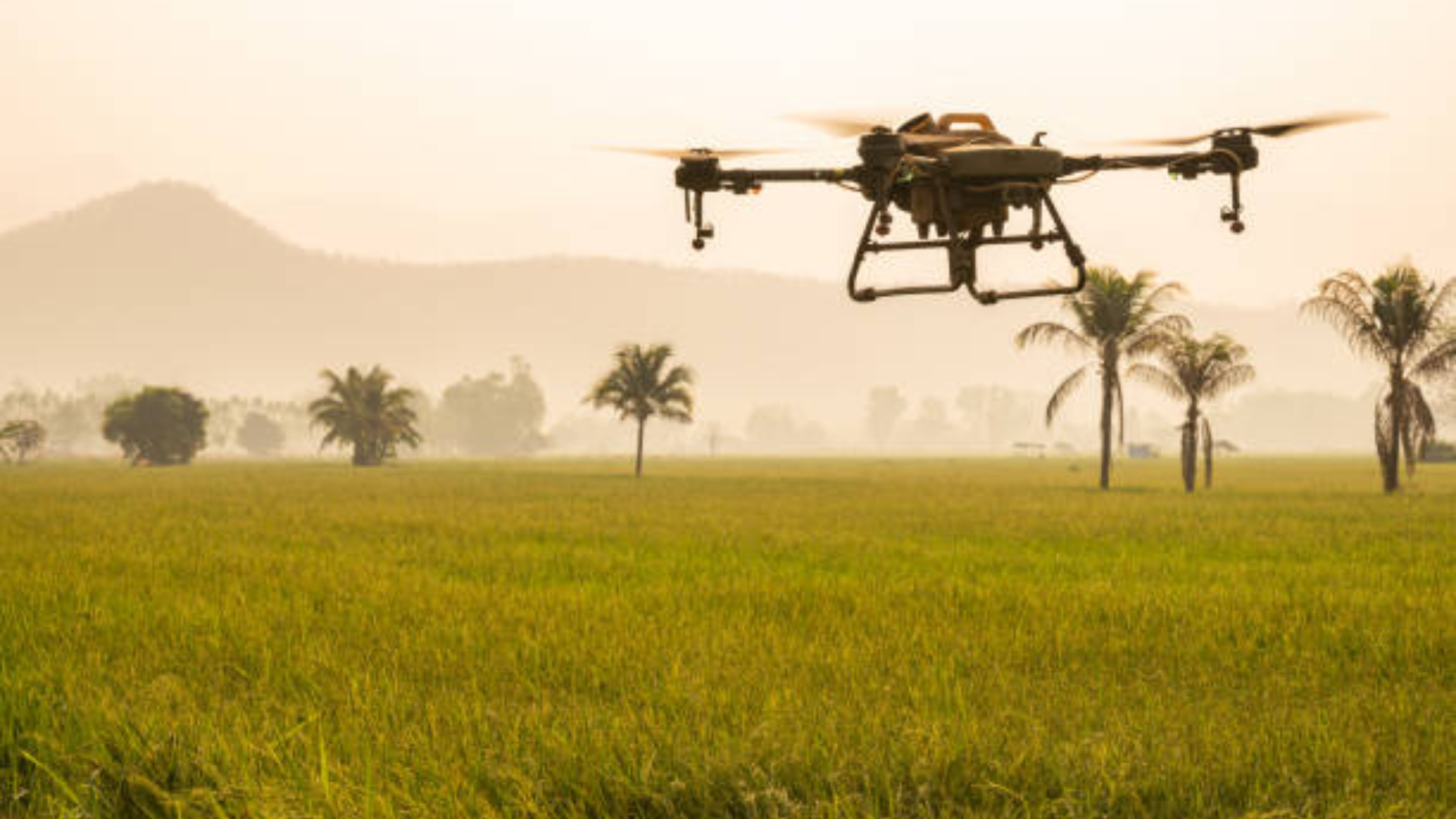
Evion’s business model is built around a deliberate contrast. Premium agricultural drone services and multispectral imaging products already exist, but they are priced for large commercial operations. Kunvar positioned Evion as something different: farmers buy an inexpensive consumer camera drone, take their own aerial photos, upload the images, and receive a full crop health analysis at no cost. The AI model does the interpretation, and the results integrate directly into whatever farm management platform the farmer already uses.
The Tesla comparison Kunvar draws is instructive. While competitors like Waymo invested heavily in lidar systems to power autonomous vehicles, Tesla built its self-driving technology around cameras alone and demonstrated that the simpler, cheaper component could achieve comparable results when paired with the right AI model. Kunvar applied the same logic to agriculture. The camera wasn’t a compromise. It was a design choice that made the entire tool viable for the farmers who needed it most.
Growth has followed a similar principle of pragmatism. Cold emails and LinkedIn outreach to farmers produced limited results. Partnering with agriculture-oriented nonprofits and organizations proved far more effective, giving Evion a path to the communities it was designed to reach. Today, the technology supports farmers across North America, Southeast Asia, and India. Kunvar also brought in Jacob Lee, a collaborator with experience building tech tools, to help expand its reach after the initial pilot launched in fall 2024.
What a Teen Founder’s Decision Reveals About the Future of AI in Agriculture
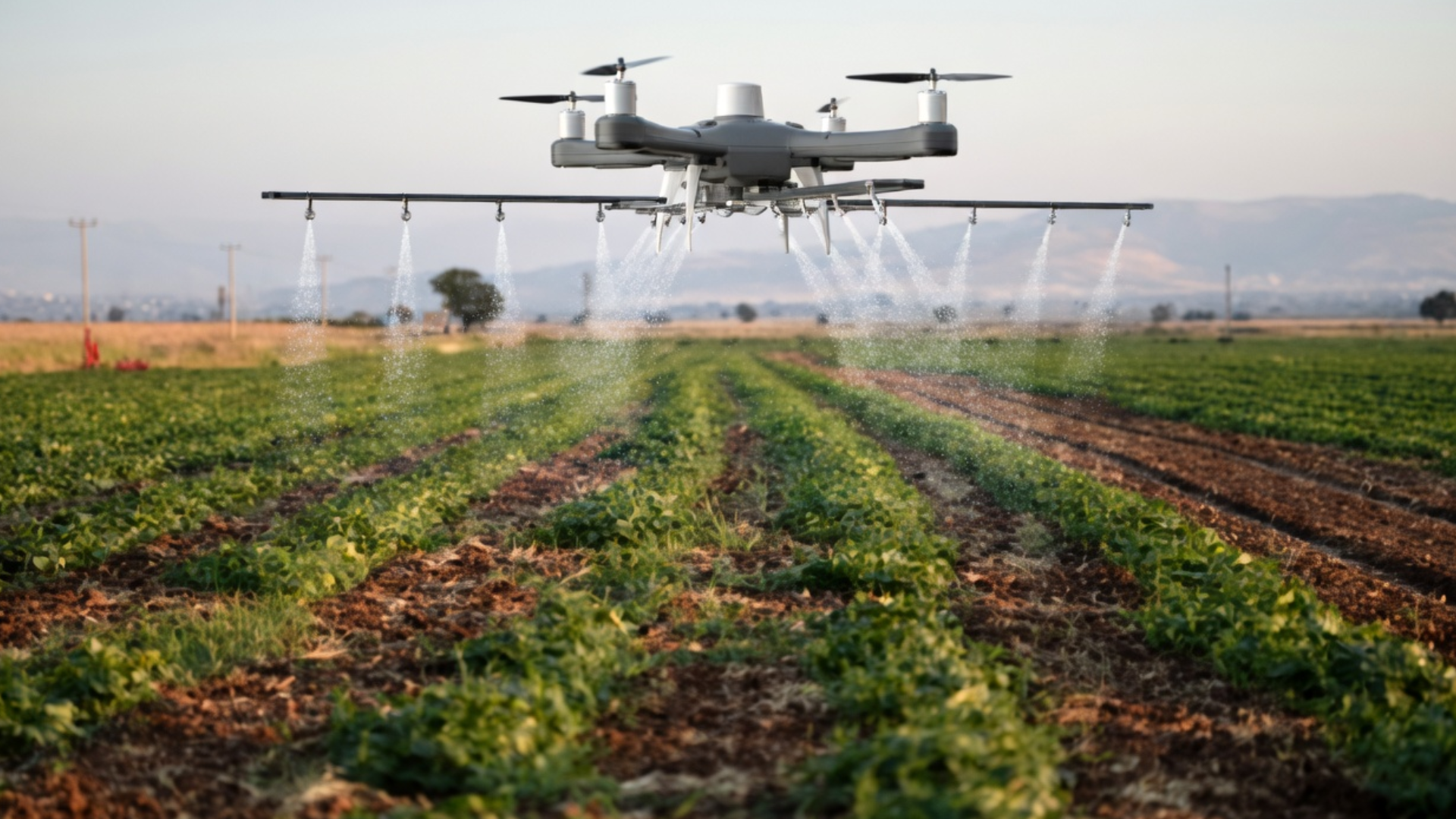
The agricultural drone sector is expanding fast. According to researchers at Michigan State University, roughly 5,500 agricultural drones were registered with the Federal Aviation Administration in 2025, up from around 1,000 the year before. That fivefold increase reflects a broader shift in how farms are beginning to collect and act on field data. Evion sits at the intersection of that growth and a persistent affordability gap that larger companies have shown little interest in closing.
Kunvar’s rejection of the $300,000 offer was less about the money and more about what accepting it would have required. Venture capital doesn’t arrive without expectations around revenue, scale, and return. For a tool built around free access for low-to-midscale farms, those pressures create a structural tension that is difficult to resolve without eventually compromising the original mission. Staying in high school, for Kunvar, was also a way of staying in control of what Evion is actually for.
Looking ahead, Kunvar says he wants to continue growing Evion while exploring opportunities in AI infrastructure. “There’s so much ambiguity in entrepreneurship, especially in startups, but I’ve learned there’s beauty in ambiguity,” he told Business Insider. The story of a teenager turning down a life-changing check to protect a free tool for farmers is easy to frame as idealism. But it may also be a preview of what it looks like when the next generation of founders decides that access, not acquisition, is the point.