Tech Giants Expand Data Centers Nationwide, Small Towns Push Back ‘We Can’t Handle This’
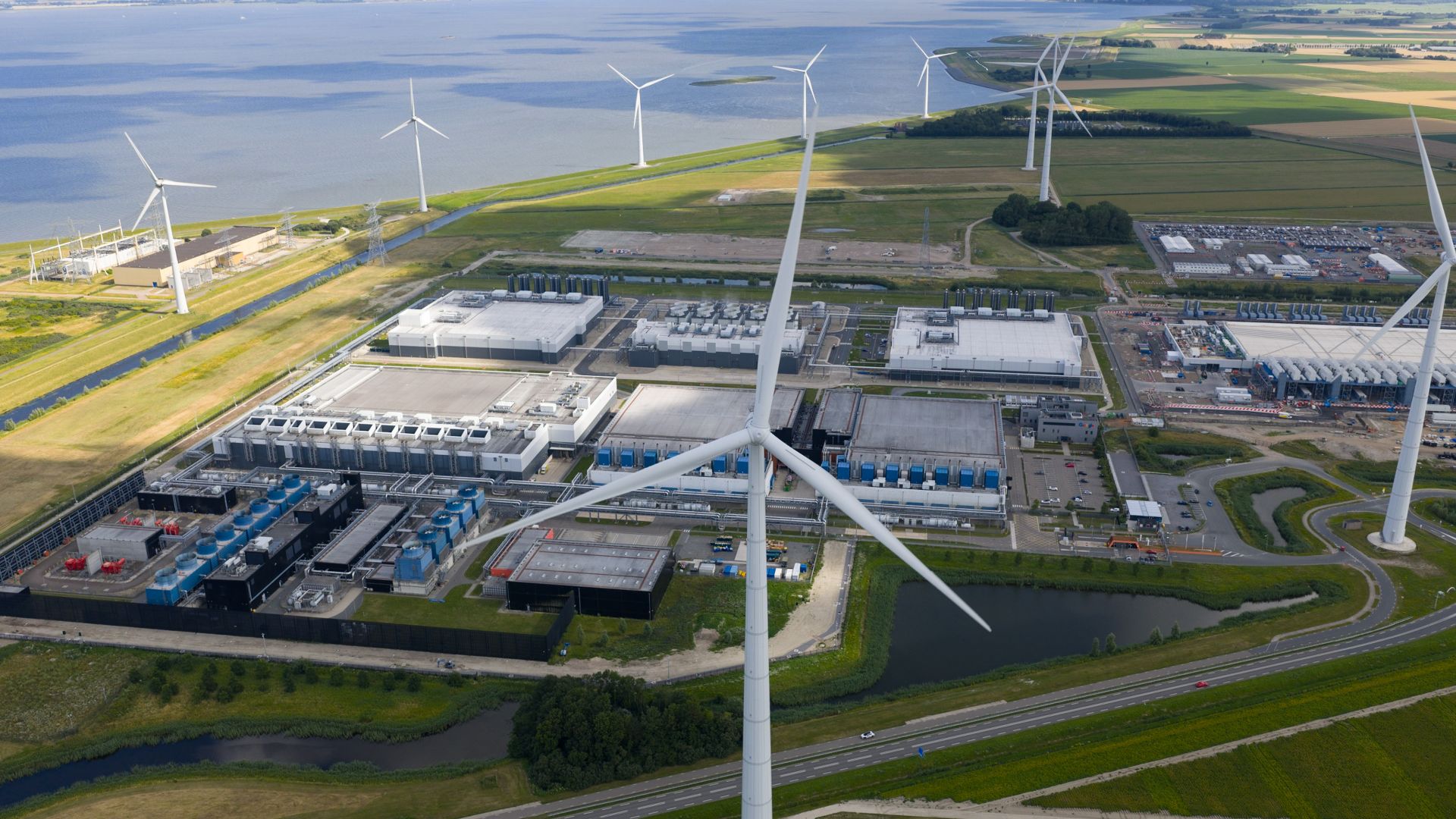


As the race to power artificial intelligence accelerates, massive data centers are spreading across the United States at an unprecedented pace. While tech companies highlight economic benefits, many small communities are raising concerns about infrastructure strain, environmental impact, and lack of transparency. What once seemed like a distant issue is now unfolding locally, prompting lawmakers and residents to reconsider how fast this expansion should move.
Data Centers Reach Unexpected Places

In states like Maine, where rugged coastlines and traditional industries define the landscape, large-scale tech infrastructure once felt unlikely. That perception shifted quickly when proposals for multiple data center projects surfaced, catching both lawmakers and residents off guard. The sudden interest revealed how far-reaching the industry’s expansion has become, extending well beyond traditional tech hubs.
A Lawmaker’s Surprise Discovery

State representative Melanie Sachs initially introduced a bill to pause new data center developments without expecting immediate relevance. However, the proposal uncovered ongoing projects that had not been widely communicated to local communities. This lack of awareness highlighted gaps in permitting processes, especially in rural areas where oversight mechanisms are often limited or unclear.
States Consider Temporary Moratoriums

Maine is now among several states exploring temporary bans on large data centers, aiming to better understand their long-term effects. Similar legislative efforts are emerging across politically diverse regions, reflecting a shared concern about infrastructure demands. These pauses are designed to give regulators time to evaluate energy consumption, water usage, and broader economic consequences.
Rapid Industry Growth Outpaces Policy

The expansion of hyperscale data centers has been driven by growing demand for artificial intelligence and cloud computing. With thousands of facilities already operating nationwide, the industry continues to scale at a speed that public policy struggles to match. Lawmakers from both parties acknowledge that regulations have not kept pace with the rapid evolution of this sector.
Communities Voice Rising Concerns

As new projects emerge, local resistance is becoming more organized and widespread. Residents are questioning how these developments will affect their daily lives, particularly in terms of resource consumption and environmental impact. In many cases, opposition is less about rejecting technology and more about demanding transparency and accountability.
Industry Highlights Economic Benefits

Supporters of data center expansion argue that these facilities bring meaningful advantages, including job creation, infrastructure investment, and increased tax revenue. Industry groups emphasize their role in supporting digital economies and enabling technological innovation. For many regions, the promise of economic growth remains a compelling argument in favor of development.
Debate Over Long-Term Economic Signals

Critics of moratoriums warn that restricting data center projects could discourage broader investment. Business advocates suggest that such measures may signal uncertainty to other industries that rely on stable regulatory environments. This tension reflects a larger debate about how to balance economic opportunity with responsible planning.
Local Opposition Gains Momentum

Across the country, grassroots efforts have successfully delayed or halted billions of dollars in proposed data center investments. Communities are increasingly organizing to influence decisions that directly affect their resources and infrastructure. This growing movement demonstrates the power of local voices in shaping large-scale development projects.
Concerns Over Secrecy And Speed

Experts note that many data center proposals move forward under tight timelines, often with limited public disclosure. This combination of speed and secrecy leaves communities struggling to keep up with decisions that carry significant long-term implications. Greater transparency is becoming a central demand in ongoing policy discussions.
Energy Costs And Resource Strain
One of the most pressing concerns is the impact on electricity prices and resource availability. Data centers require vast amounts of energy, raising fears that local residents could face higher utility costs. For many communities, especially those already dealing with rising expenses, the prospect of additional strain has intensified calls for a more cautious approach.