Tariff Refund Checks Begin Reaching Americans After Court Decision, but Businesses Get First Payments
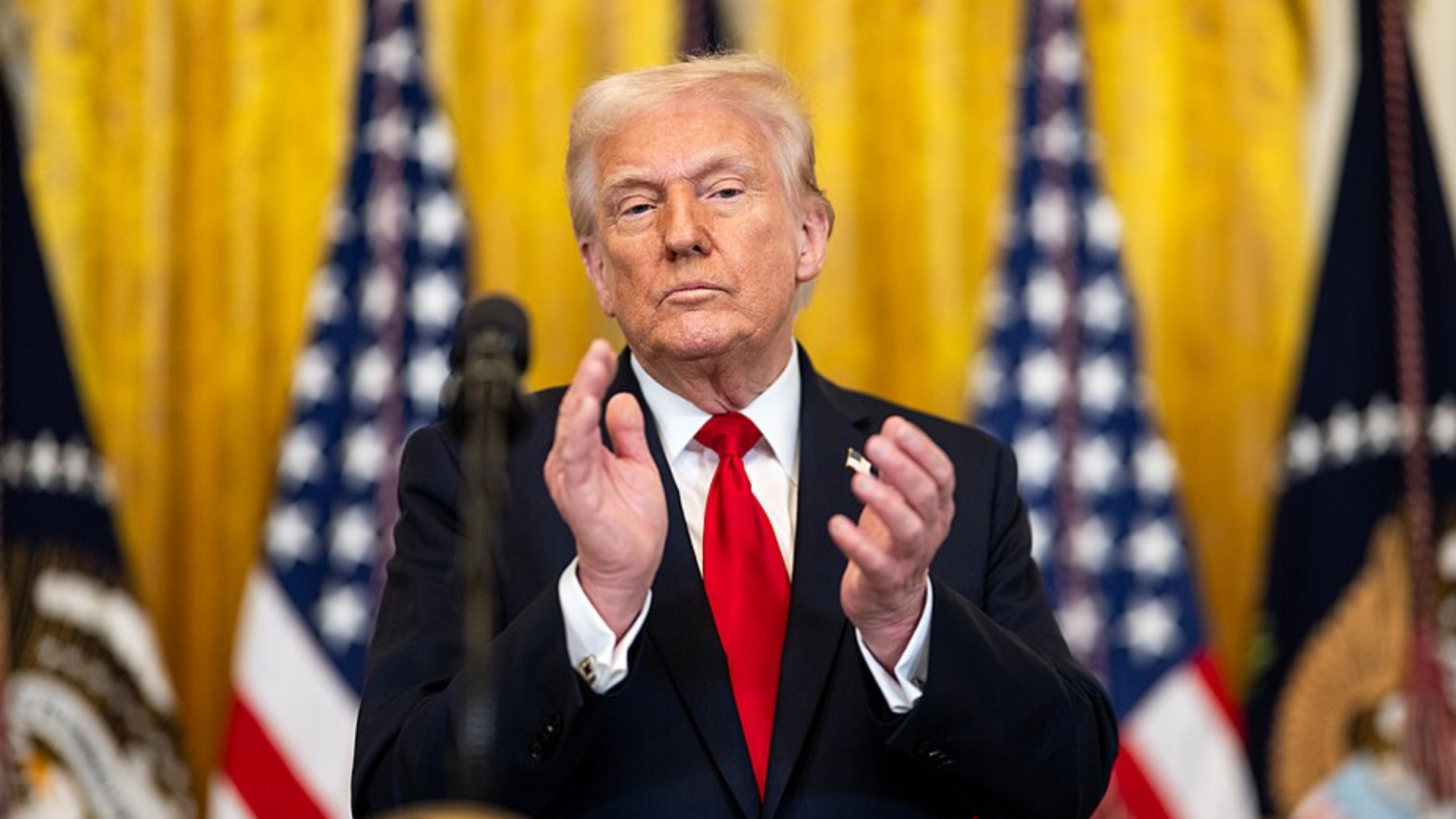

Tariff refund payments are now beginning to reach Americans and businesses following a major court ruling that struck down certain Trump-era import tariffs, triggering one of the largest reimbursement processes in recent trade policy history. The U.S. government is currently processing tens of billions of dollars in refunds after the Supreme Court found that the tariffs were imposed without proper congressional authority. However, early reports show that businesses and importers are receiving the first wave of payments, while most individual consumers are unlikely to see direct checks anytime soon. Officials say the process is already underway but will roll out in phases as claims are verified and processed.
Court Ruling Triggers Massive Refund Program
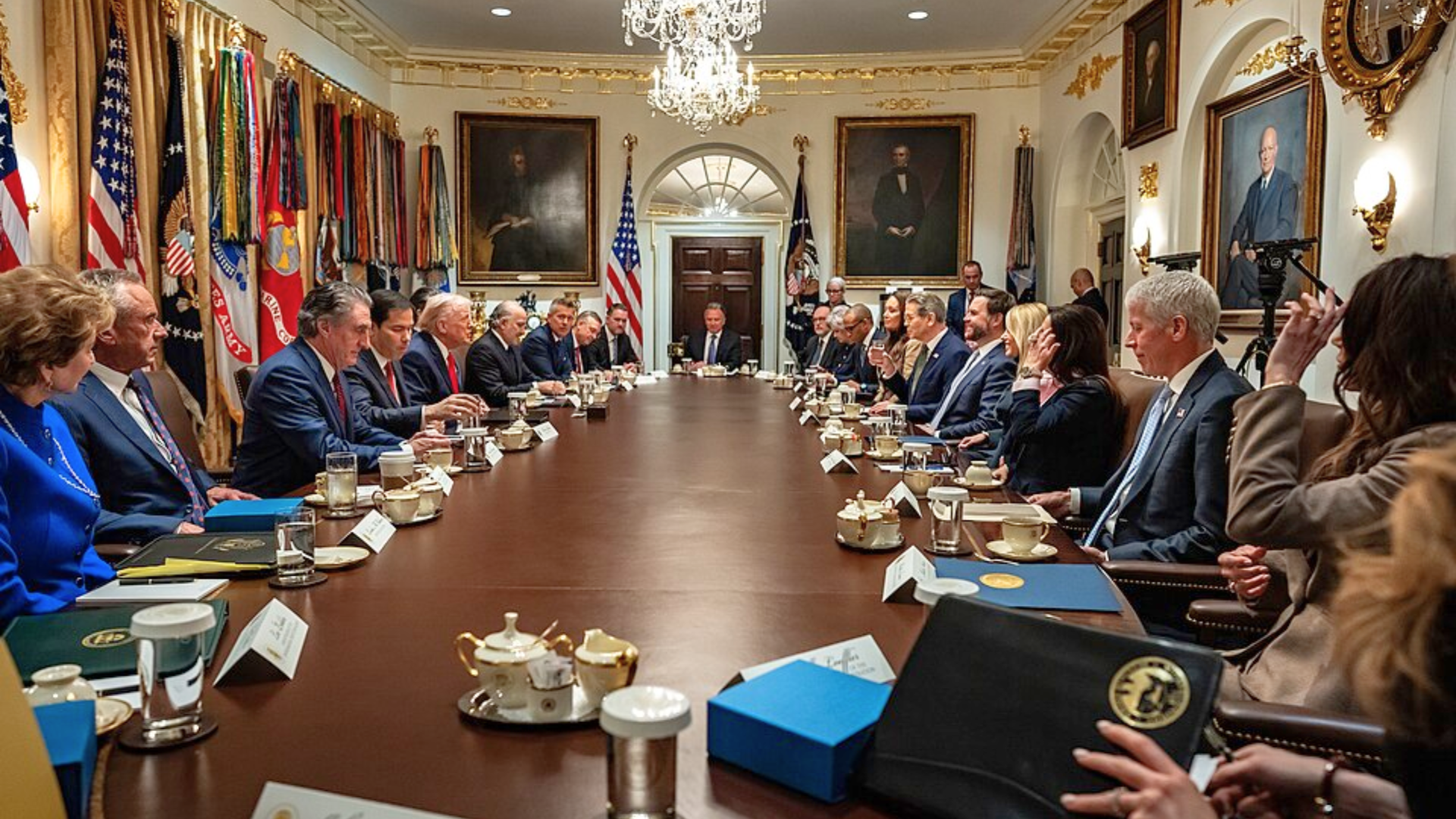
The refund process began after a Supreme Court decision invalidated tariffs imposed under emergency economic powers, determining that the executive branch exceeded its authority. That ruling opened the door for importers who paid duties at the border to seek repayment through a federal refund system managed by U.S. Customs and Border Protection. Legal experts say the decision could ultimately require repayment of more than $160 billion in collected tariffs. The scale of the program makes it one of the most complex financial reversals in recent trade history.
Businesses Are First in Line for Payments

Importers and corporations are receiving priority in the initial phase of refund distribution because they are the entities that directly paid the tariffs at customs. Companies such as manufacturers, retailers, and distributors submitted claims documenting duties paid on millions of shipments. These businesses are now beginning to see partial reimbursements as federal systems validate entries. Officials emphasize that the process is designed to return funds first to “importers of record,” which are overwhelmingly commercial entities.
Early Payments Already Reaching Bank Accounts
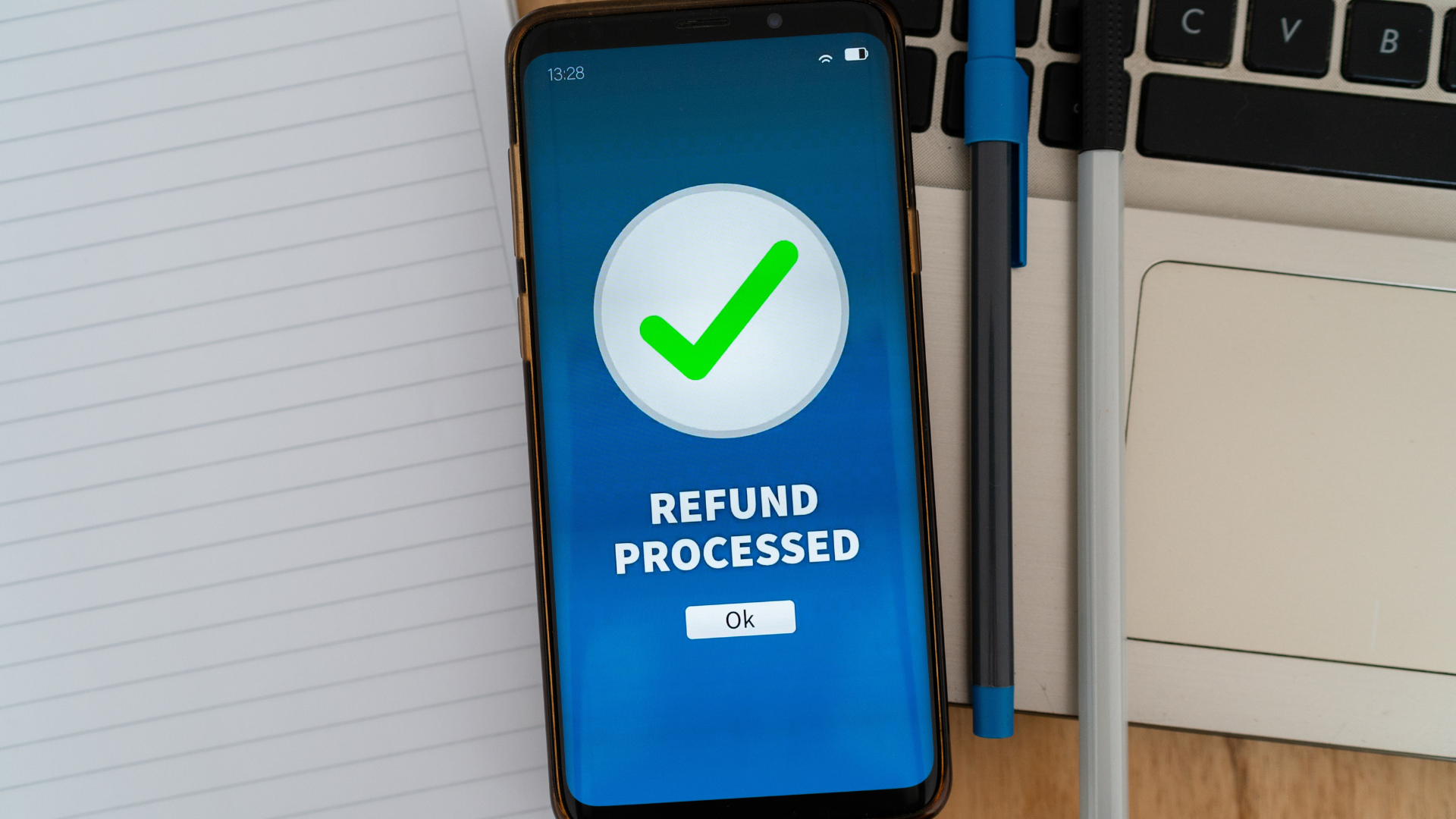
Some companies have already confirmed receiving partial refunds, signaling that the payment system is active and moving forward. However, early recipients report that the amounts are only a fraction of what they originally paid in tariffs. The government has processed billions in claims so far, but the total eligible refund pool remains far larger. Customs officials say payments will continue to roll out over the coming weeks and months as more claims are approved.
Why Consumers Are Mostly Left Out

Although tariffs often raise consumer prices, most individuals are not eligible for direct refunds because they did not pay the duties at customs. Instead, importers are the legal entities that file claims and receive payments from the government. While some companies may choose to pass savings back to customers, there is no legal requirement for them to do so. This has raised concerns among policymakers and consumer advocates who argue that households also bore the cost of higher prices.
Billions in Refunds Still Processing

U.S. Customs and Border Protection is currently managing a massive backlog of refund claims covering millions of shipments. Officials estimate that tens of billions of dollars have already been validated for repayment, but only a portion has been distributed so far. The agency is prioritizing recently finalized entries and high-confidence claims before expanding to more complex cases. Even with automation and digital systems, experts warn the process could take months or longer to fully complete.
Legal and Financial Complexity Slows Distribution
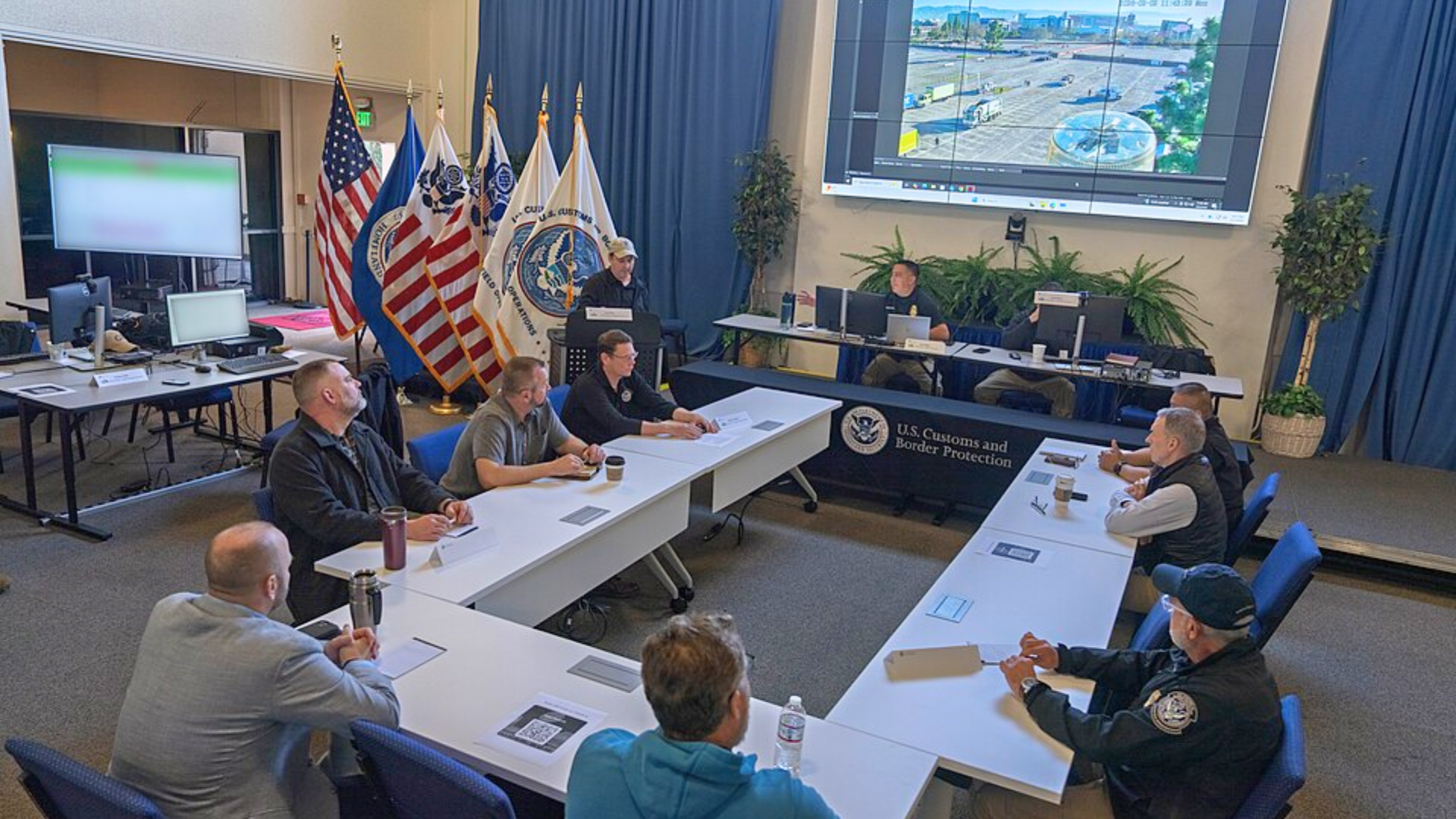
The refund program is complicated by legal, logistical, and administrative challenges tied to identifying eligible shipments and verifying documentation. Many importers rely on customs brokers, adding layers of complexity to tracking payments. Courts are also still addressing related disputes about eligibility and scope, which could further delay distribution. Financial analysts describe the situation as one of the largest government reimbursement efforts in modern trade policy.
Businesses Debate Whether to Pass Money to Customers

Some companies are now facing pressure to pass tariff refunds on to consumers who indirectly paid higher prices during the tariff period. However, many businesses argue that they absorbed additional costs or incurred expenses to file refund claims. Others say the legal system does not require them to share recovered funds. This has sparked debate over fairness and whether consumers should benefit from the refunds at all.
Economic Impact Could Be Significant but Uneven

Economists say the refund program could inject significant liquidity back into corporate balance sheets, but the broader economic impact will depend on how funds are used. Some companies may reinvest the money into operations, while others could offset past losses. Because consumers are not guaranteed direct payouts, the distribution of benefits may remain uneven across the economy. Analysts continue to monitor whether the refunds will influence pricing or inflation trends.
A Historic Refund Process Still Unfolding
The rollout of tariff refund checks marks a significant reversal in U.S. trade policy following a landmark court decision, but the process remains in its early stages. While businesses are beginning to receive payments, most Americans will not see direct refunds, even though they may have been affected by higher prices. The full financial impact will depend on how quickly claims are processed and whether companies pass benefits downstream. For now, the refund system remains a complex and evolving effort with billions still in motion.