Supreme Court Vacates Mississippi Redistricting Ruling, Sidestepping High-Stakes Voting Rights Act Dispute
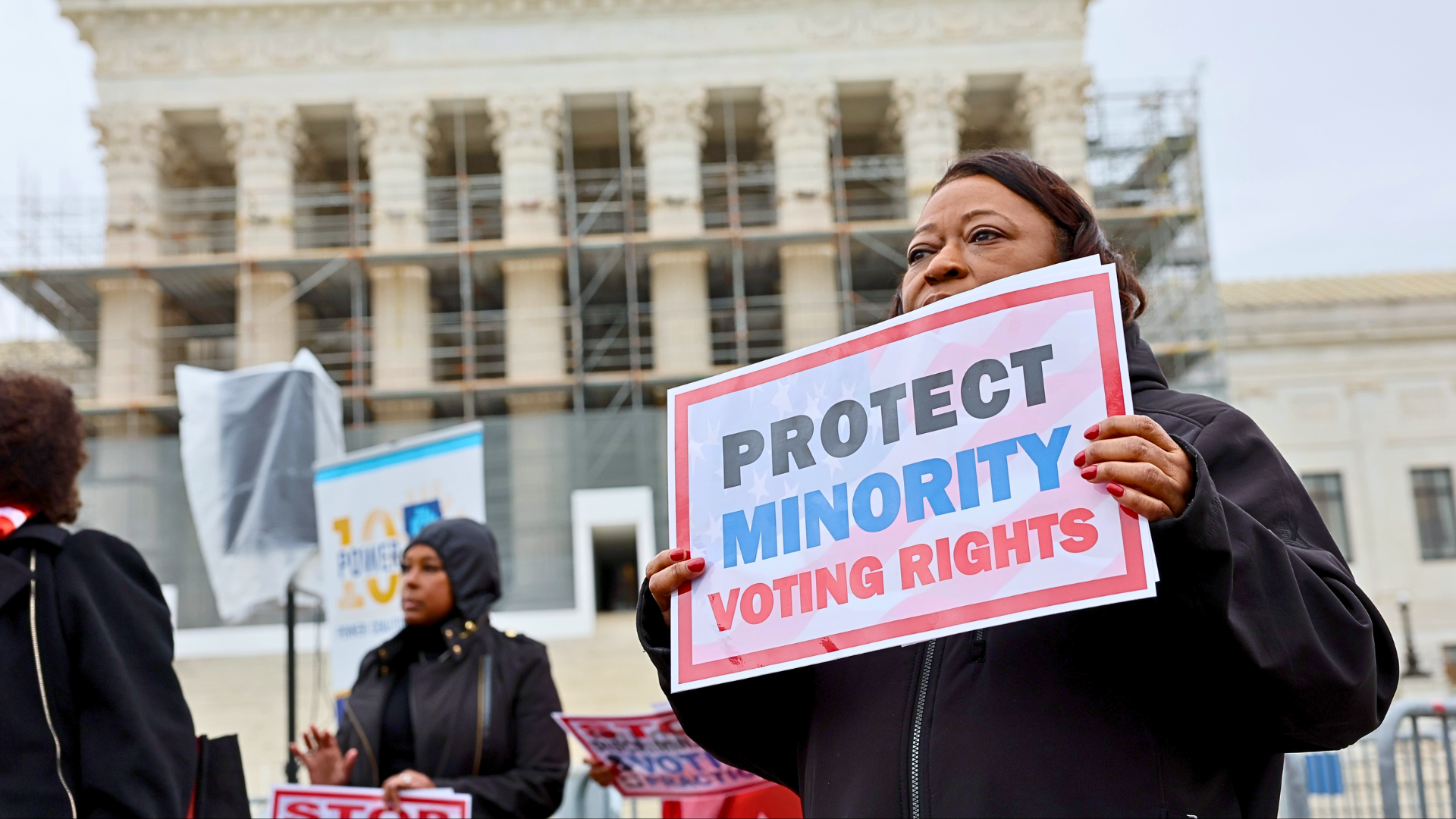

A brief, unsigned order from the nation’s highest court has abruptly canceled a lower court’s redistricting mandate, plunging Mississippi’s political landscape back into a state of intense legal volatility. The U.S. Supreme Court completely wiped away a federal decision that had accused state lawmakers of violating civil rights laws, entirely avoiding a critical constitutional question regarding who has the right to sue over voting discrimination. The unexpected intervention has sent shockwaves through regional political parties, directly threatening recent electoral gains achieved by minority voting blocks.
The high-stakes intervention, issued on May 18, 2026, officially nullified a comprehensive ruling from a federal three-judge panel that had previously found Mississippi’s 2022 legislative maps unconstitutional. The initial panel had determined that state lawmakers unlawfully diluted Black voting strength across several key geographic corridors, ordering immediate mid-term adjustments to the state’s House and Senate boundaries. Instead of validating or permanently striking down those findings, the Supreme Court vacated the entire lower court order, sending the case back down for a complete re-evaluation.
The Supreme Court’s conservative majority directed the lower federal judges to reconsider the entire Mississippi dispute through the lens of its blockbuster April 2026 ruling, Louisiana v. Callais. The highly controversial Callais precedent fundamentally shifted the national legal framework for minority voting protections, establishing that race cannot be used as a determinative factor when drawing state boundaries. By anchoring the Mississippi remand to the Callais decision, the high court essentially signaled that the previous state legislative maps may be valid under its updated constitutional standards.
Shifting Evidentiary Standards Under the Callais Precedent
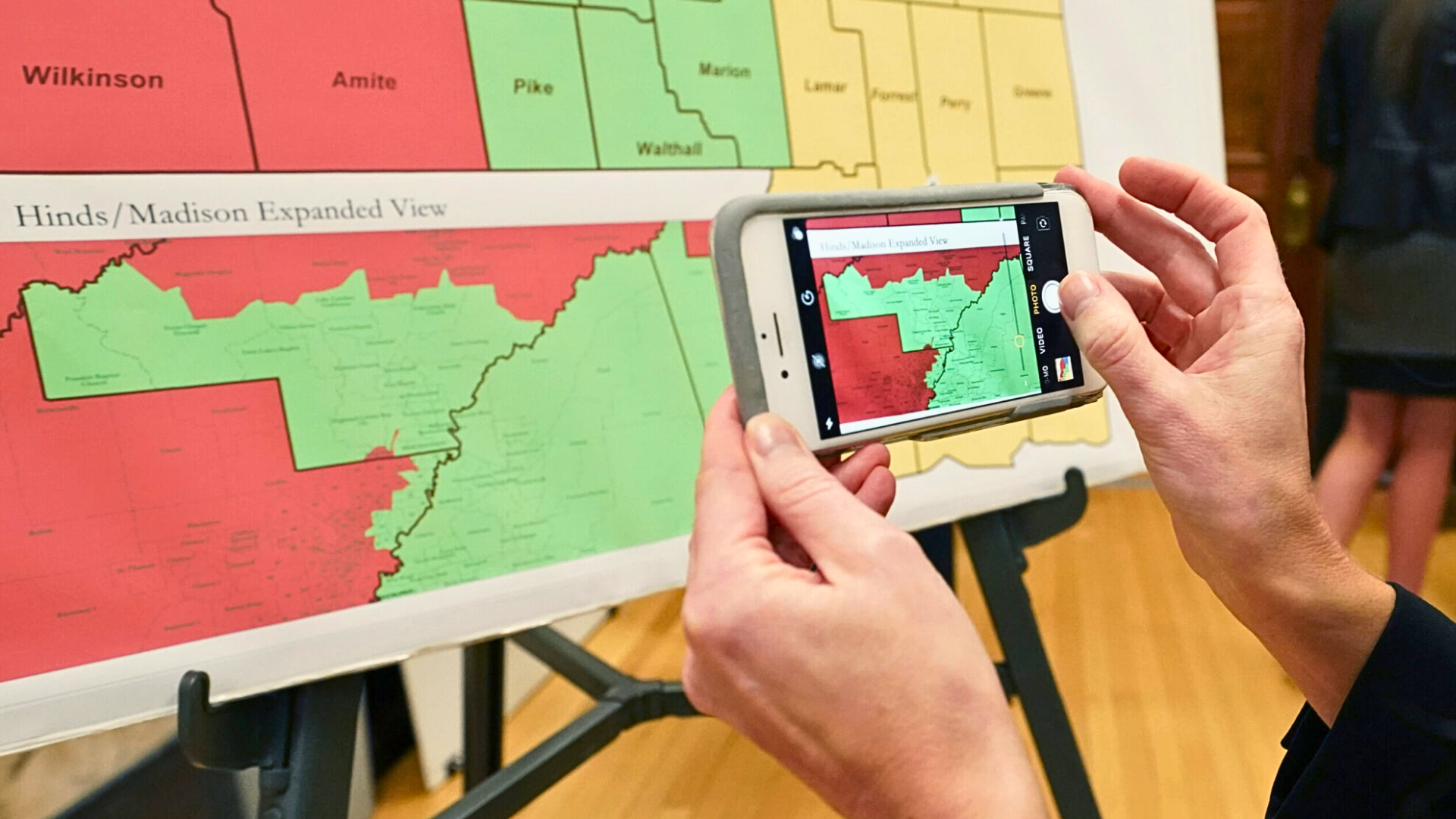
The Supreme Court’s insistence on applying the Callais standard marks a profound transformation in how federal courts evaluate racial vote dilution claims under Section 2 of the Voting Rights Act of 1965. Under previous judicial precedents, plaintiffs simply needed to demonstrate an unequal outcome, proving that a state’s newly drawn political lines mathematically diminished or packed cohesive minority voting populations to prevent them from electing their candidates of choice. That outcome-based safety net has been effectively dismantled by the high court’s modern conservative supermajority.
Following the Callais ruling, minority voters and civil rights coalitions face an exponentially higher legal bar to overturn disputed political maps. Plaintiffs must now present definitive, ironclad proof of discriminatory intent, demonstrating that state legislators actively intended to marginalize voters based on race rather than simply engaging in aggressive, partisan gerrymandering. Conservative lawmakers have lauded the shift, arguing it establishes a more constitutional approach to redistricting that treats voters as individuals rather than monolithic racial blocks, while preventing federal overreach into state-level map drawing.
Conversely, voting rights advocates and civil rights groups have condemned the new evidentiary framework, arguing it effectively paralyzes the core enforcement mechanisms of the Voting Rights Act. Legal analysts warn that proving intentional racism behind closed legislative doors is an almost impossible standard to satisfy in modern map-making sessions. The decision has already sparked a frantic race among several state legislatures nationwide to dismantle previously mandated majority-minority districts ahead of the upcoming 2026 midterm elections, threatening a massive rollback of diverse representation.
Punting on the Enforceability of the Voting Rights Act
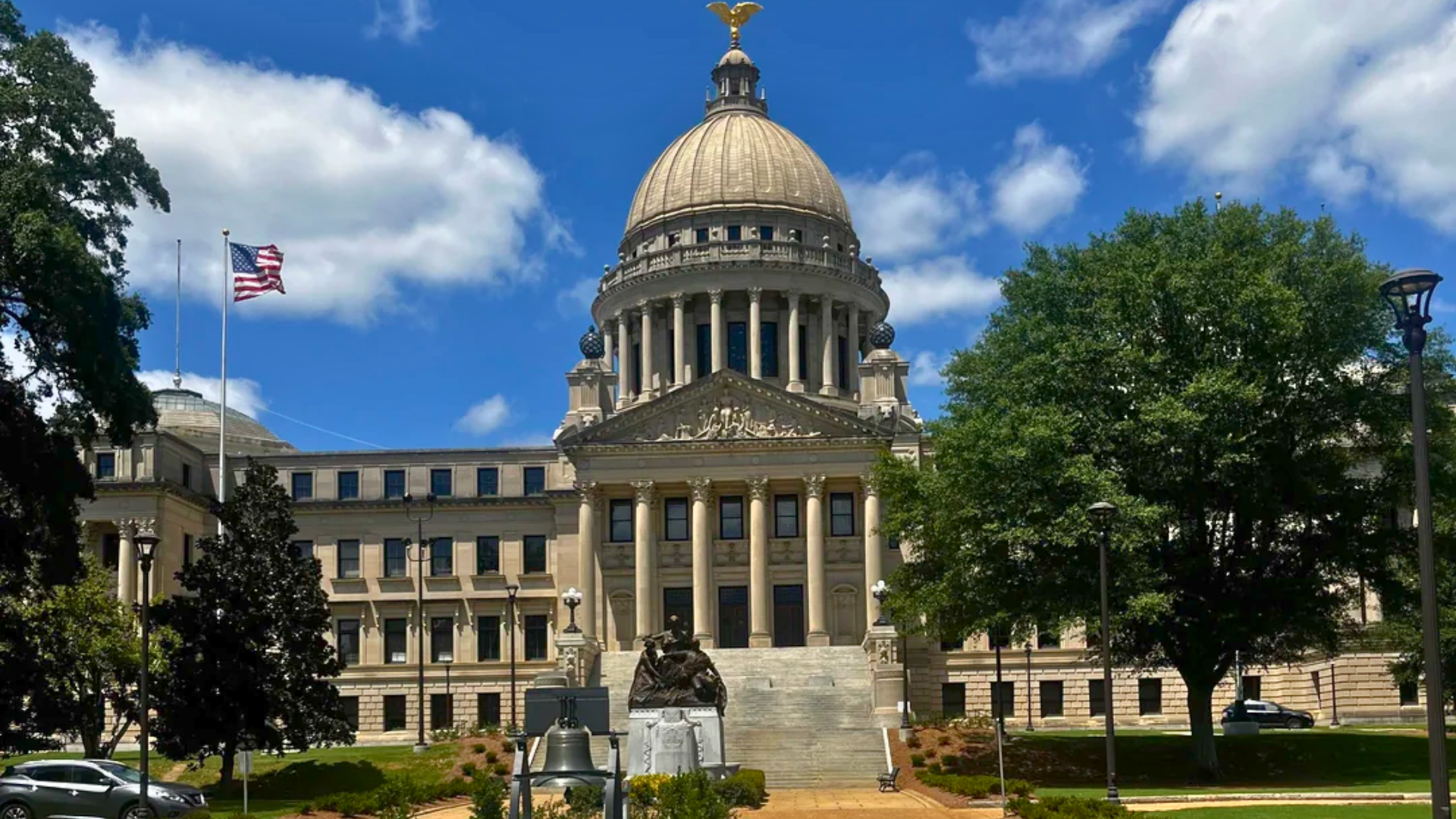
What makes the Supreme Court’s summary disposal of the Mississippi case particularly unusual is how the justices managed to entirely sidestep the specific legal question they were asked to answer. The Mississippi NAACP and 14 individual Black voters originally brought the lawsuit to the lower court, successfully securing the remedial maps. When the Mississippi Attorney General’s office appealed the ruling to the Supreme Court, the state did not actually ask the justices to review the physical boundaries of the districts or the underlying data regarding racial vote dilution.
Instead, state attorneys and the Mississippi Republican Party asked the high court to rule on a highly explosive procedural technicality: whether private citizens and independent advocacy organizations have any legal standing to file lawsuits to enforce Section 2 of the Voting Rights Act in the first place. The state contended that the text and structure of the historical 1965 statute explicitly grants enforcement authority exclusively to the U.S. Attorney General, arguing that Congress never intended to deputize private entities to launch sweeping legal challenges against sovereign state maps.
By completely vacating the lower court order on the grounds of the Callais decision, the Supreme Court’s majority completely punted on the private right of action question. Legal experts suggest the majority chose to ignore the standing issue because it believed the lower court’s redistricting order was already substantively invalid under their new racial gerrymandering rules. However, by refusing to formally resolve the enforcement question, the court has left a looming legal cloud over the future of civil rights litigation, leaving voters unsure if they retain the right to defend their own ballot access.
Jackson’s Lone Dissent and the Local Political Fallout
The high court’s brief order featured a sharp, formal dissent from Justice Ketanji Brown Jackson, who stood as the solitary voice objecting to the summary disposition. Jackson argued that vacating the lower court’s hard-fought ruling was an unnecessary and highly irregular overreach by the conservative majority. She pointed out that because the state’s appeal was strictly limited to the narrow question of private enforceability, the Callais decision, which focused entirely on map-drawing remedies rather than plaintiff standing, had absolutely no relevance to the issue presented, accusing the majority of reaching beyond the scope of the appeal.
“The court should have simply resolved the one issue that the state of Mississippi chose to present on appeal, rather than casting aside a carefully considered decision that was rendered following trial,” the American Civil Liberties Union stated in a public release, echoing Jackson’s frustration. “The decision below in our favor expanded representation for Black Mississippians. That decision remains correct.” The immediate real-world consequences of the Supreme Court’s intervention are poised to throw Mississippi’s legislative chambers into structural chaos. Following the lower federal court’s initial order, the state was forced to implement temporary remedial maps and execute 15 highly competitive special legislative elections in November 2025. During those mid-term contests, Democratic candidates successfully flipped one seat in the state House and two vital seats in the state Senate, effectively breaking the Republican party’s long-standing supermajority in the upper chamber.
With the Supreme Court now wiping that initial order off the books, state Republican leaders are confidently moving to have the original 2022 legislative maps fully reinstated, a move that could potentially invalidate the results of the special elections and restore their legislative supermajority. Civil rights groups have vowed to return to the lower three-judge panel to mount a ferocious defense of the districts, setting the stage for a bitter, summer-long courtroom battle. For everyday Mississippians, the ongoing judicial tug-of-war stands as a stark reminder that the boundaries of political power remain profoundly unstable.