Summer Travelers Urged to Check CDC Health Notices Before Flying Abroad

As millions of Americans prepare for summer vacations and international travel, health officials are urging travelers to check CDC Travel Health Notices before boarding flights abroad. The Centers for Disease Control and Prevention says several outbreaks and health concern, including Ebola, measles, dengue, and hantavirus, are currently affecting destinations around the world. Officials warn that travelers who fail to review updated advisories could unknowingly expose themselves to serious illnesses or face unexpected entry restrictions and screening measures overseas.
What CDC Travel Health Notices Actually Mean

The CDC uses Travel Health Notices (THNs) to alert travelers about disease outbreaks, environmental hazards, and public health risks in specific countries or regions. These notices range from Level 1 (“Practice Usual Precautions”) to Level 4 (“Avoid All Travel”), depending on the severity of the threat. Officials say the system is designed to help travelers make informed decisions and prepare appropriate health precautions before leaving the country.
Ebola Alerts Are Triggering New Travel Restrictions

One of the most serious current alerts involves Ebola outbreaks in Uganda and the Democratic Republic of the Congo. The CDC recently introduced enhanced screening measures, monitoring programs, and temporary travel restrictions for travelers arriving from affected regions. Some passengers entering the U.S. from those countries may now face additional health checks, mandatory monitoring, or rerouted flights through designated airports.
Measles Is Becoming a Major Travel Concern Again

The CDC is also warning travelers about rising measles outbreaks around the world. Officials say most imported measles cases in the United States occur when unvaccinated travelers become infected abroad and return home carrying the virus. Health experts strongly recommend that all international travelers ensure they are fully vaccinated against measles before flying overseas this summer.
Hantavirus Monitoring Has Expanded Internationally

Health officials are also closely watching a rare hantavirus outbreak tied to the expedition cruise ship MV Hondius. The outbreak has resulted in multiple confirmed or probable cases and three deaths internationally. Although the public risk remains low, U.S. officials have monitored American travelers connected to the outbreak because the Andes strain involved is one of the few hantaviruses capable of limited human-to-human spread.
Dengue Cases Are Rising Across Popular Destinations
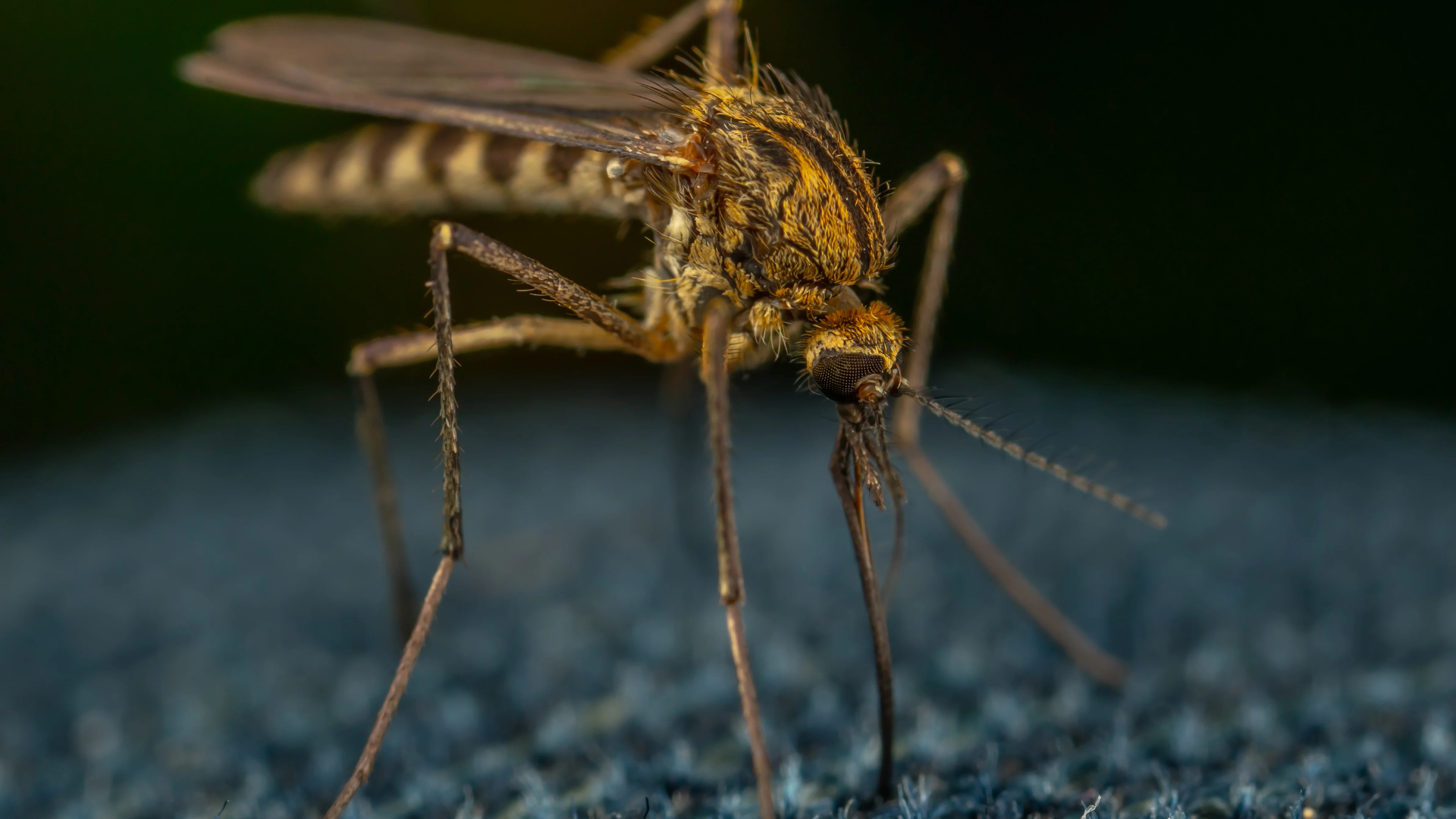
The CDC has also issued alerts about growing dengue activity in parts of Latin America, Asia, and other tropical regions frequently visited during summer travel season. Dengue is spread through mosquito bites and can cause high fever, severe pain, and hospitalization in serious cases. Officials recommend using insect repellent, protective clothing, and mosquito precautions when traveling to affected areas.
Travel Advisories Can Change Quickly

Experts say travelers should schedule medical consultations several weeks before departure whenever possible. Depending on the destination, travelers may need vaccines, malaria medication, or other preventive treatments. The CDC also recommends carrying copies of vaccination records and ensuring routine immunizations are fully up to date before international travel.
Travelers Should Review Vaccines and Medications Early

Experts say travelers should schedule medical consultations several weeks before departure whenever possible. Depending on the destination, travelers may need vaccines, malaria medication, or other preventive treatments. The CDC also recommends carrying copies of vaccination records and ensuring routine immunizations are fully up to date before international travel.
Health Risks Extend Beyond Infectious Diseases

CDC travel notices are not limited to viruses and outbreaks. Advisories may also warn about natural disasters, heat waves, poor air quality, unsafe water conditions, or limited medical infrastructure that could affect travelers’ health and safety abroad. Officials say checking notices can help travelers prepare for environmental risks they might not otherwise anticipate.
Officials Say Awareness Is the Best Defense
Health experts stress that most international travel remains safe, but preparation and awareness are becoming increasingly important as global outbreaks emerge more frequently and spread rapidly through international movement. By checking CDC health notices, updating vaccines, and understanding destination-specific risks, travelers can reduce the chances of serious illness and avoid disruptions that could turn a summer vacation into a public health emergency.