Subscribers Outraged After Prime Video Automatically Phases Out Ad-Free Plan for Pricey Upgrade

Amazon Prime members are discovering a hard truth this month: the ad-free viewing they signed up for no longer exists. On July 2, subscribers received a reminder email about a switch that quietly reshaped their service back in April. The old Ad Free plan is gone. In its place sits Prime Video Ultra, and it comes with strings attached.
The Switch Nobody Could Opt Out Of
Amazon confirmed the shift in March, giving subscribers barely a month’s notice before it took effect. Starting April 10, Prime Video Ad Free was officially announced as being replaced by Prime Video Ultra, with subscriptions renewing automatically every month. There was no option to keep the old plan. If you wanted ad-free streaming, Ultra became the only door in.
A Two-Dollar Jump Nobody Asked For
The Ad Free plan used to cost $2.99 a month. Ultra raised that to $4.99, a jump of roughly 67%. Amazon also introduced a yearly option priced at $45.99, offering a 23% discount over paying monthly. For subscribers who just wanted a quiet, ad-free stream, the upgrade came bundled whether they wanted the extras or not.
What Ultra Actually Adds
Amazon didn’t raise the price for nothing. Ultra now streams in 4K UHD with Dolby Atmos sound, a real jump in picture and audio quality over the old plan. Offline downloads quadrupled too, climbing from 25 titles to 100. For subscribers who binge shows on planes or during commutes, that alone might justify the switch. But the bigger sting was still coming.
More Screens, Same Household

Unlike Netflix, Disney+ and HBO Max, Amazon hasn’t cracked down on password sharing. Instead, Ultra sweetened the deal with more simultaneous streams, jumping from three to five at once. For larger households or people splitting accounts with family, that flexibility softens the blow of the price hike.
The Feature Amazon Didn’t Advertise Loudly
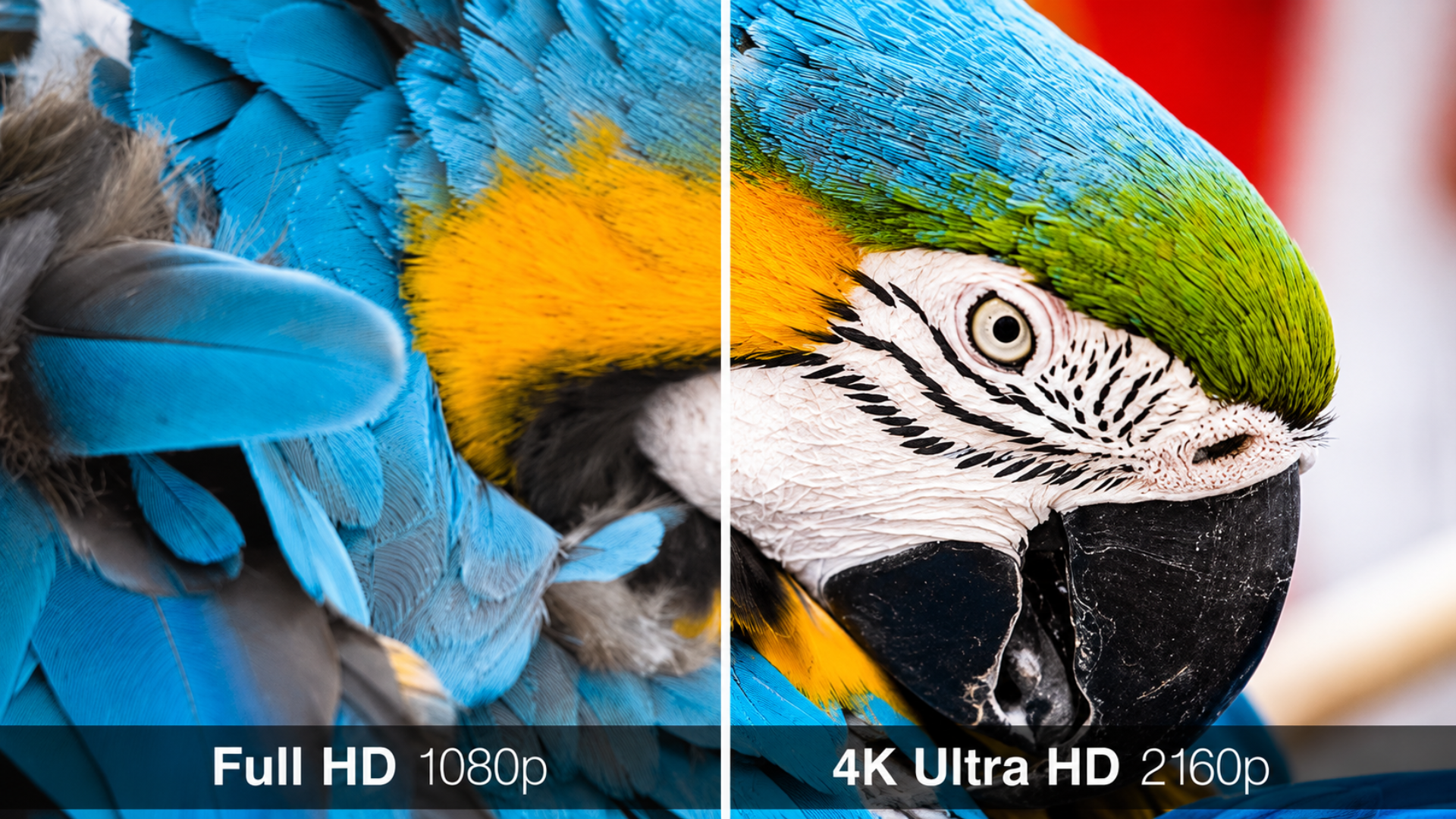
Buried in the announcement was a change that hit even non-Ultra subscribers. Base Prime members lost access to 4K and Dolby Atmos, features many assumed came standard with Prime. Regular subscribers were capped at 1080p and HD streaming, with those perks now locked behind the paid Ultra tier. Suddenly, this was a downgrade for everyone who didn’t upgrade.
Why Subscribers Are Furious

Public reaction has skewed heavily negative, with many subscribers accusing Amazon of moving standard features into a paywalled tier. The backlash centers less on the ad-free price hike and more on losing 4K from what felt like a baseline experience. Some subscribers joke that streaming used to mean paying to skip ads. Now they’re paying just to keep the picture quality they already had.
Amazon’s Side of the Story
Amazon frames the change as a premium upgrade rather than a cash grab, arguing that better streaming technology requires investment. The company insists the core Prime membership price hasn’t budged, positioning Ultra as an optional add-on for viewers who want more. Whether that argument lands depends on how many subscribers actually opt in over the coming months, and early sentiment suggests skepticism.
Meanwhile, Prime Video Keeps Winning Content Wars
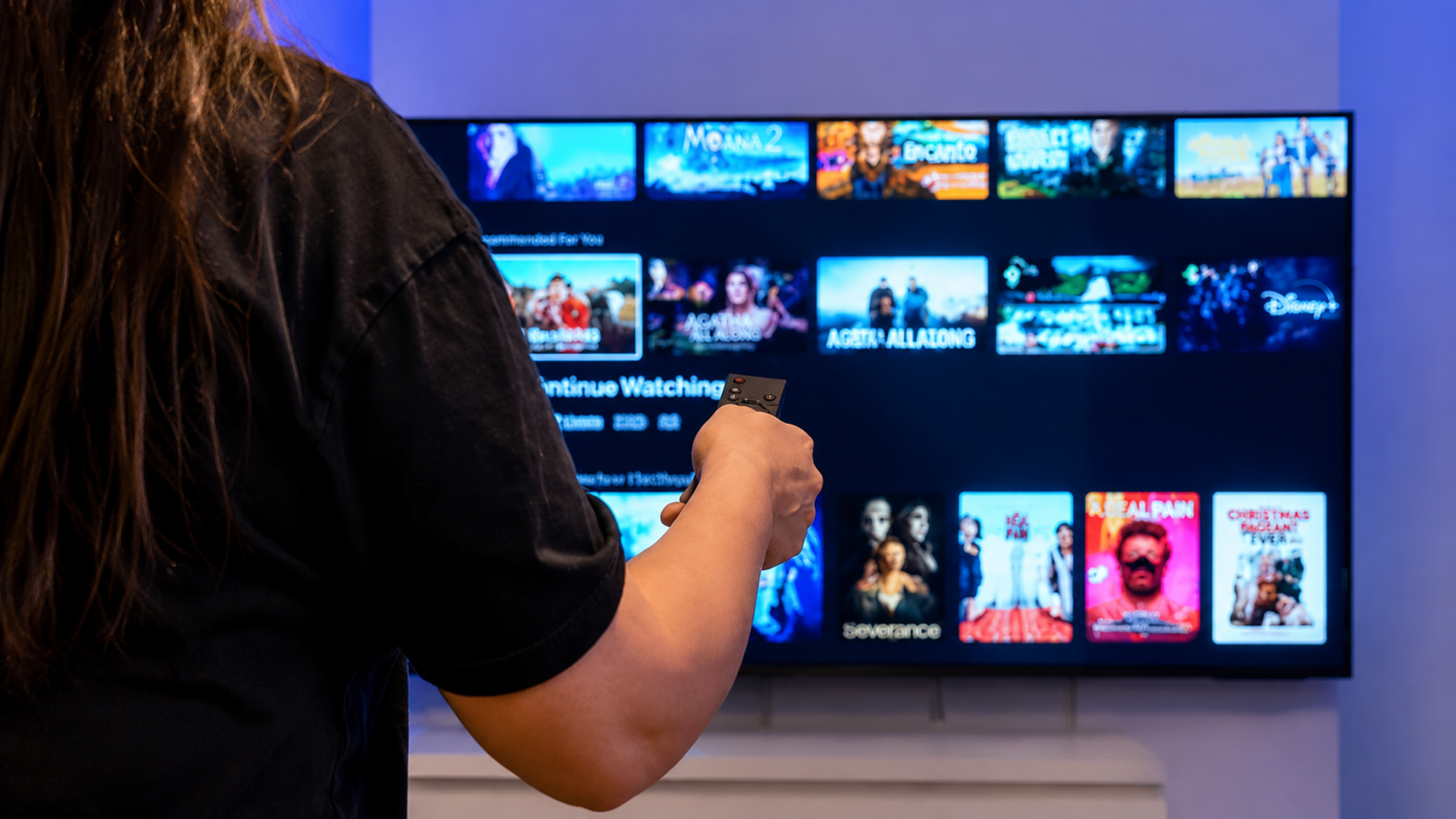
Price complaints aside, Prime Video’s content library keeps growing. Amazon MGM Studios turned Project Hail Mary into a box office success, while adaptations like The Boys, Fallout and We Were Liars built loyal audiences. Off Campus alone pulled in 36 million viewers in 12 days, becoming one of the platform’s best launches ever. More book-to-screen adaptations, including The Love Hypothesis, are already on the way.
A Trade-Off Subscribers Didn’t Choose
Prime Video’s Ultra rollout reveals the new math of streaming: better quality now costs extra, even for features once considered standard. Amazon bet that stronger originals and a growing content library would offset subscriber frustration over the price hike. For now, that bet is paying off in viewership even as the anger over Ultra lingers, proof that content can outweigh pricing backlash.