Fuel Rationing Risks Rise As Strait of Hormuz Blockade Triggers Historic Oil Supply Crash
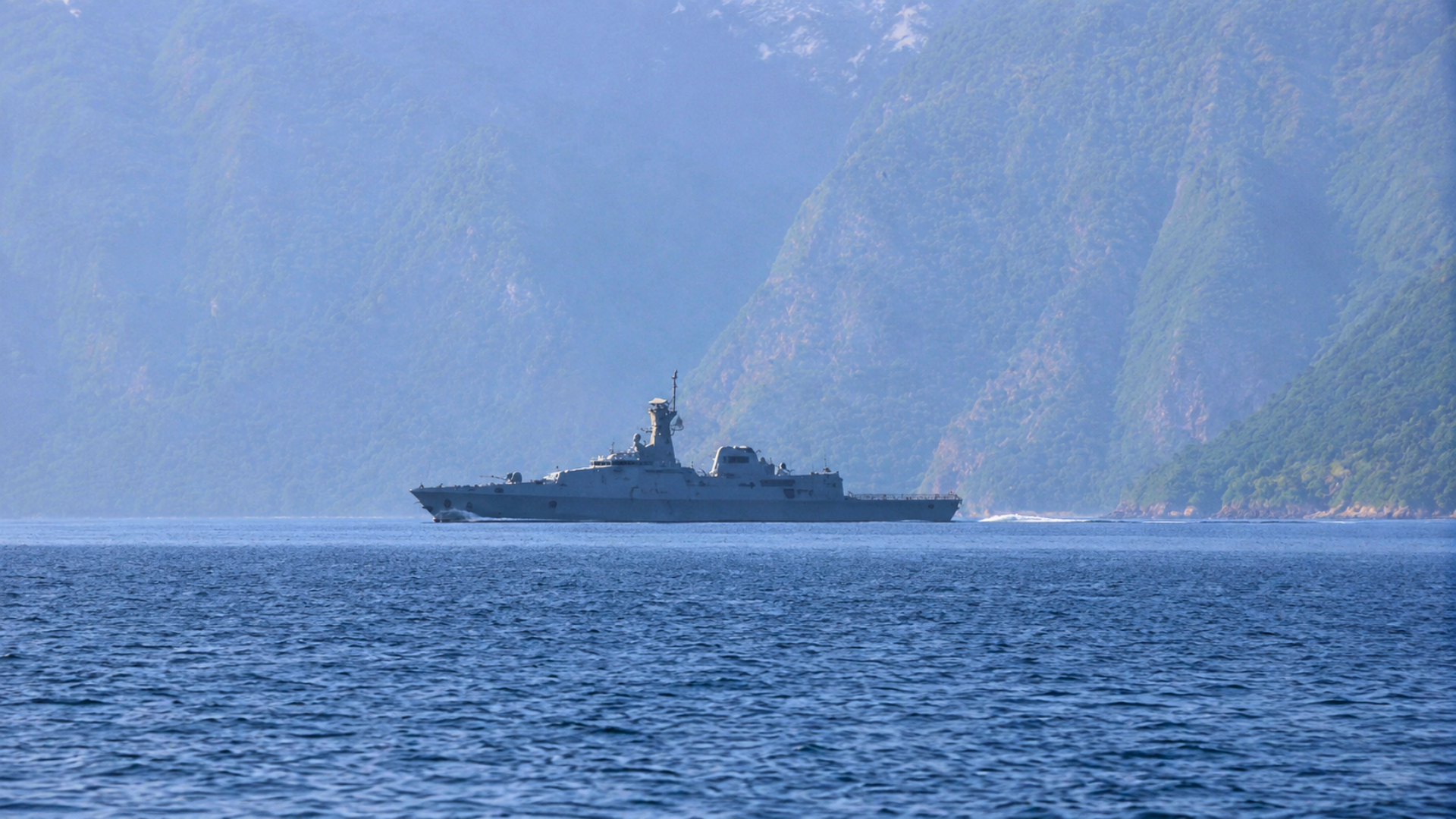

The Strait of Hormuz is a narrow body of water connecting the Persian Gulf to the Arabian Sea. Before February 28, 2026, roughly 20 percent of the world’s seaborne oil and liquefied natural gas passed through it every day. That day, the United States and Israel launched coordinated airstrikes on Iran, and tanker traffic through the strait collapsed. From approximately 70 ships per day, traffic has fallen to as few as two to five. The International Energy Agency has called it the largest supply disruption in the history of the global oil market. Experts are now warning that fuel rationing could begin within weeks if the blockade holds.
One Billion Barrels Have Vanished From the Global Market
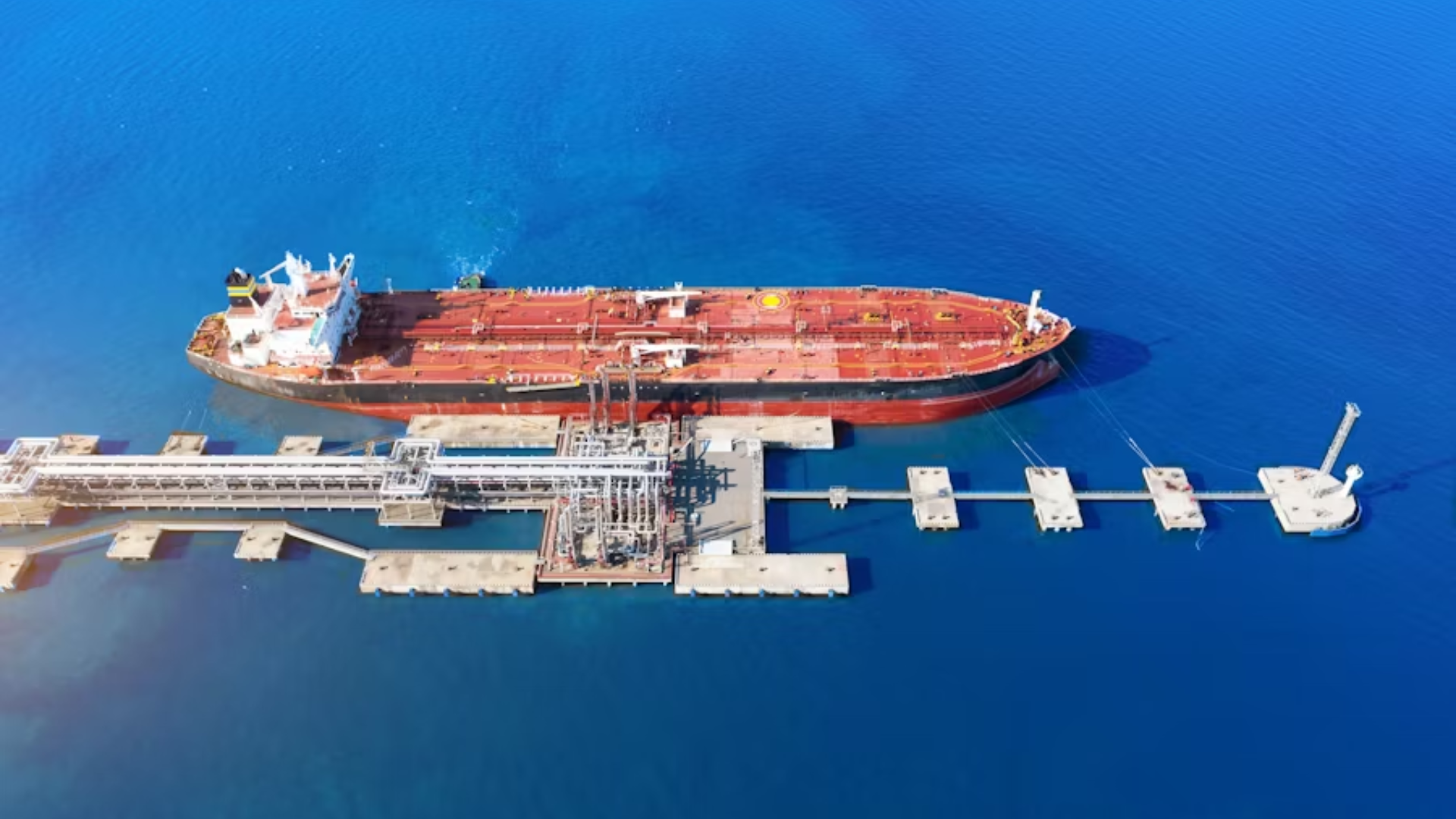
Since the Strait of Hormuz was effectively closed on February 28, the global oil market has lost an estimated one billion barrels of supply. Saudi Aramco CEO Amin Nasser has publicly estimated the world is losing 100 million barrels of oil every week as a result of the disruption. TotalEnergies CEO Patrick Pouyanné has stated that 500 million barrels are already gone from accessible supply. OPEC output has fallen to its lowest level since 2000 as the closure compounds production challenges across member states. These are not projections. They are figures being cited by the chief executives of the world’s largest energy companies based on current market conditions.
The IEA Released Its Largest Reserve Package in History. It Is Not Enough.
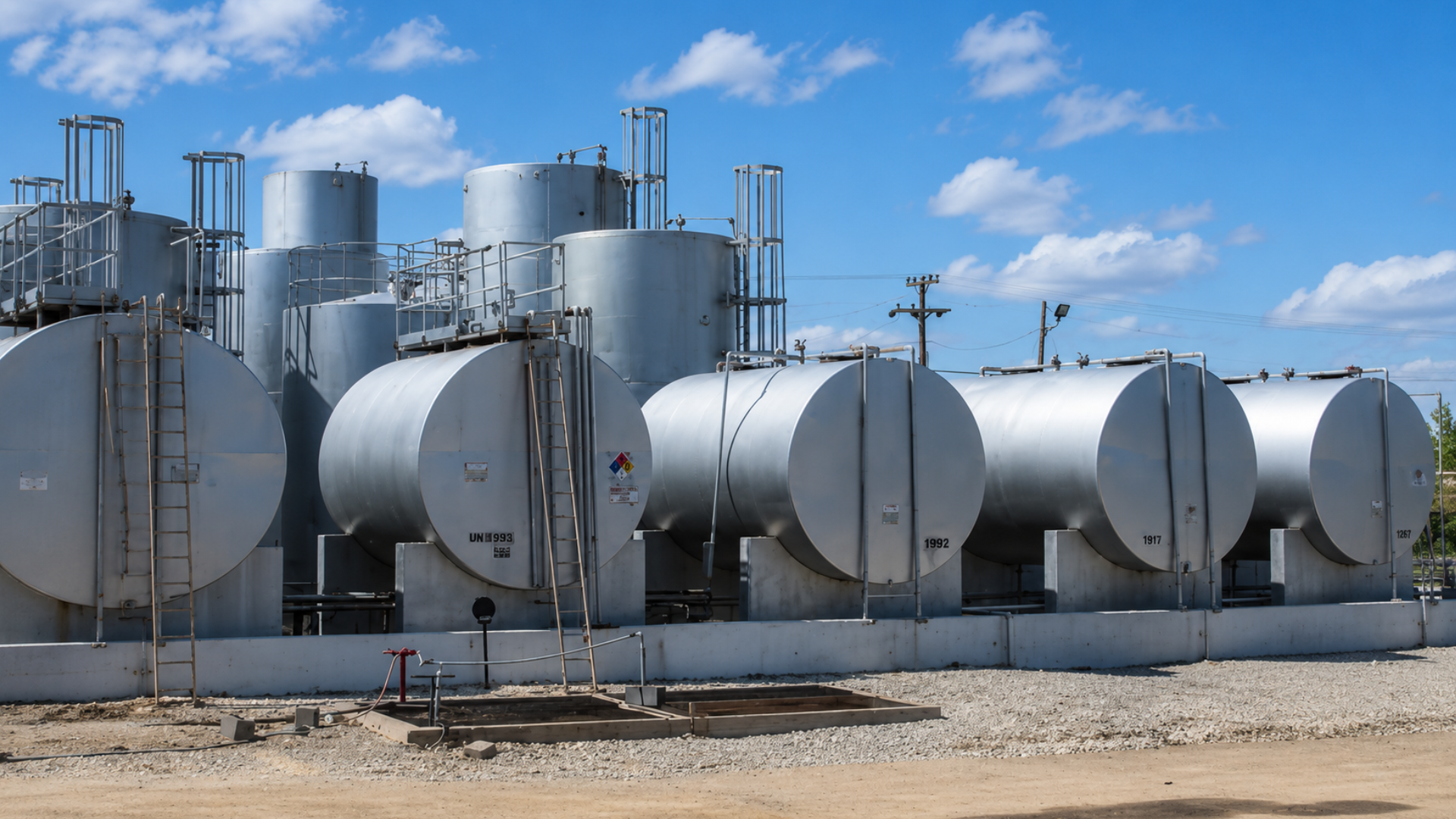
The International Energy Agency responded to the crisis by authorizing its largest-ever release from strategic reserves, totaling 400 million barrels. The release was designed to buy time for markets and governments to respond. But at a loss rate of 100 million barrels per week, the entire reserve release is mathematically exhausted in approximately four weeks. Analysts and energy economists have described the IEA action as necessary but insufficient, characterizing it as a measure that delays a more severe shortage rather than resolves it. The world is drawing down its emergency cushion faster than any equivalent moment in modern energy history.
JPMorgan Is Warning of Operational Stress by Early June

JPMorgan has issued a specific and alarming projection: if current conditions persist, OECD oil inventories could reach what analysts call operational stress levels by early June 2026. Operational stress is the threshold at which inventories are low enough to cause extreme price volatility and trigger rationing in markets most exposed to supply shortages. Beyond that, JPMorgan projects that inventories could fall to an operational minimum by September 2026, a level at which demand simply cannot be met regardless of what price buyers are willing to pay. Both thresholds occurring simultaneously would be unprecedented in modern oil market history.
Americans Are Already Paying More at the Pump
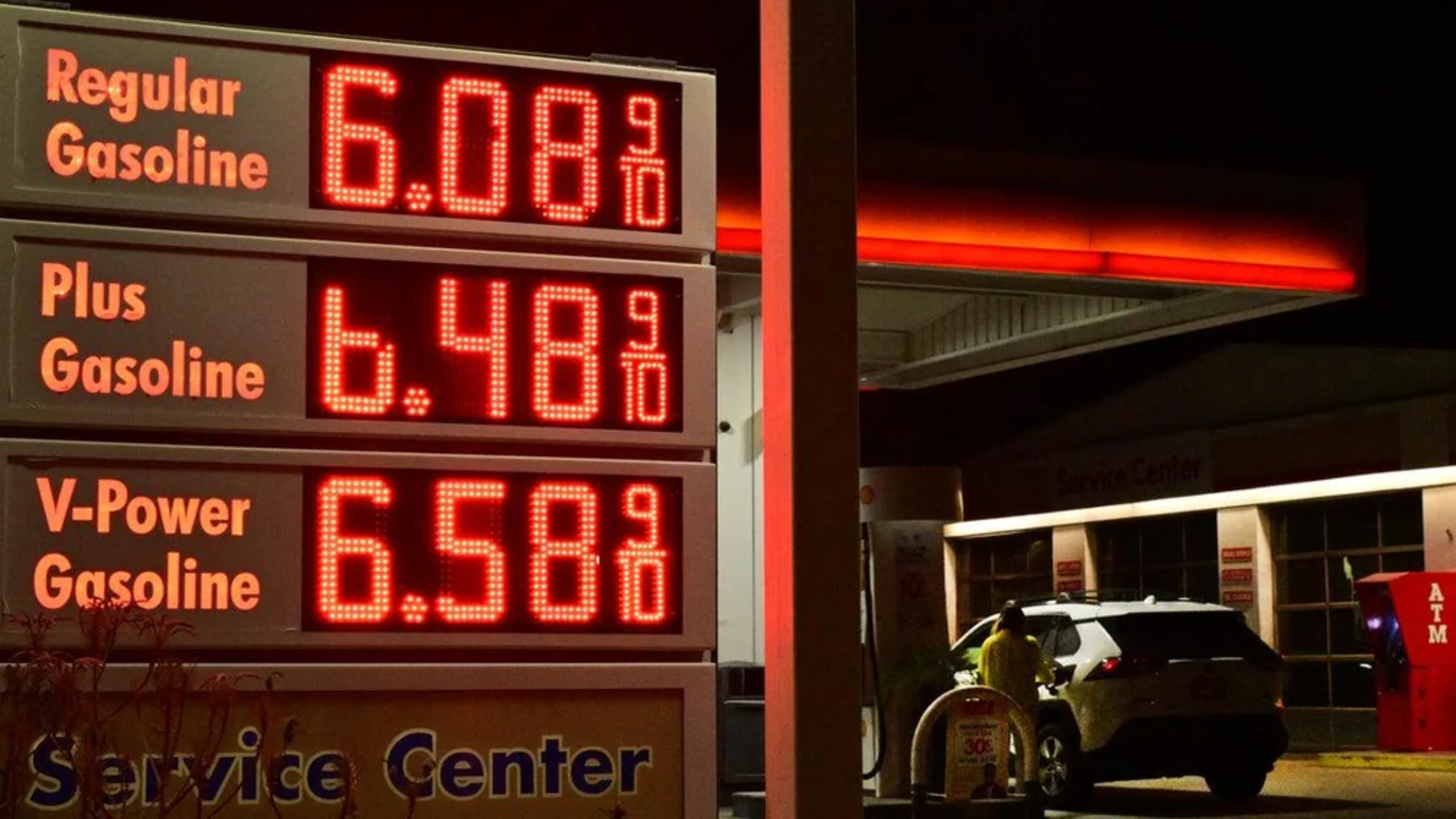
The crisis is not abstract for American consumers. Gas prices in California were photographed above $6 per gallon at multiple locations as recently as late April and early May 2026. The national average has risen significantly since the strait closed, with JPMorgan issuing specific warnings about ongoing gas price increases and their inflationary effects on the broader U.S. economy. Analysts have warned that if the blockade persists into the third quarter of 2026, consumer price index inflation could exceed 5 percent. The demand destruction already visible in the market, where high prices cause people and businesses to consume less, is occurring at a scale not seen since 2008.
Some Asian Buyers Are Paying Over $200 Per Barrel
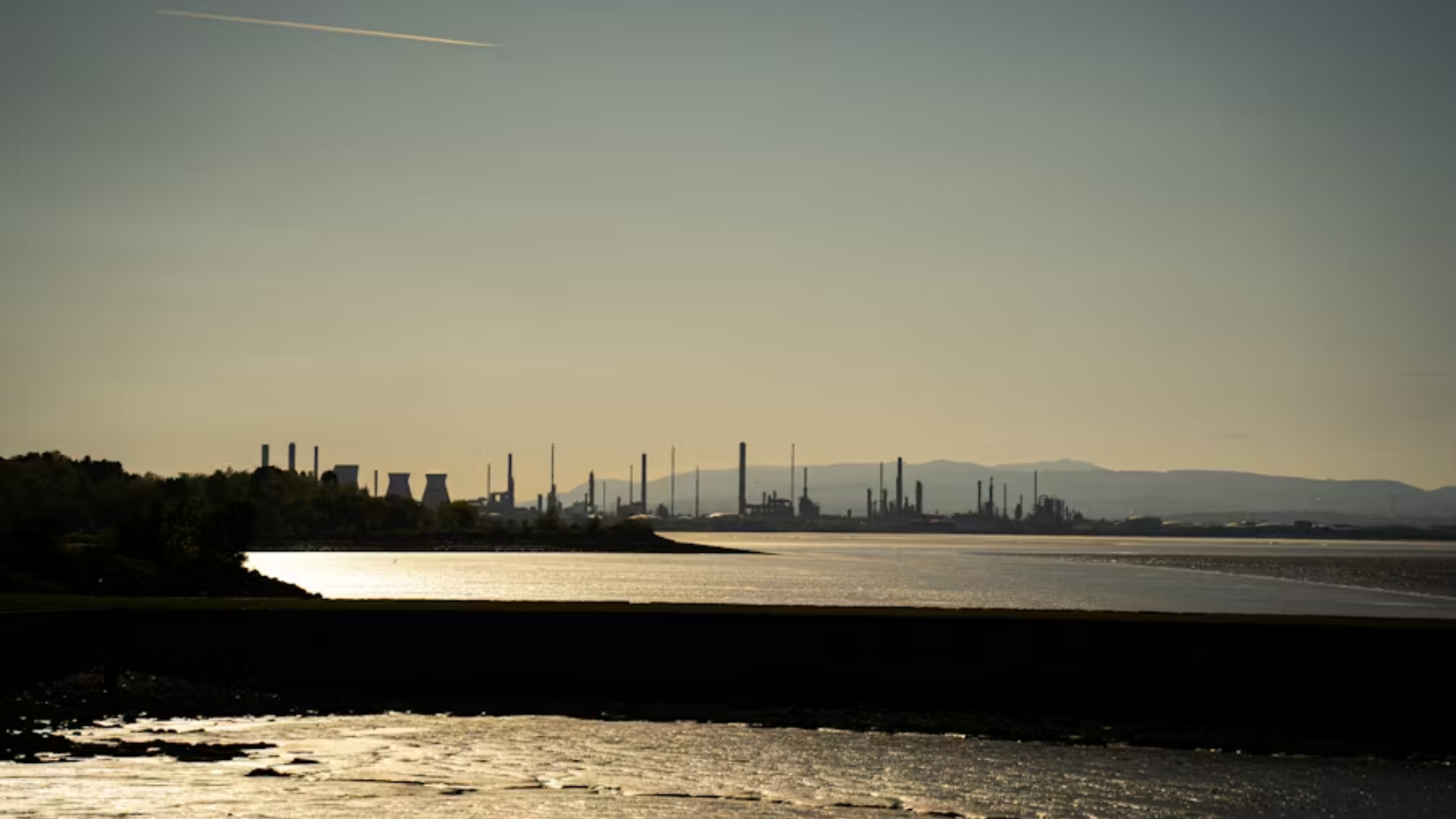
The price impact is most extreme in Asia, where import-dependent nations have the fewest alternatives to Hormuz-routed oil. Some buyers in the region have paid more than $200 per barrel in spot market transactions during periods of acute tightness, compared to a pre-crisis price range that was a fraction of that figure. Pakistan, one of the countries most exposed to the disruption, currently holds approximately 20 days of oil reserves. China’s crude oil imports fell 20 percent in April compared to prior levels, a decline that has provided some marginal relief to global prices while simultaneously signaling a slowdown in the world’s largest oil-importing economy.
Fuel Shortages Could Begin in Asia and Then Spread to Europe
Analysts tracking inventory levels and import dependency have outlined a sequenced scenario for how shortages could spread geographically. Fuel-import-reliant nations in Asia, which are most directly exposed to the Hormuz disruption and have fewer strategic reserves, are expected to experience shortages first. Europe, which has larger strategic stockpiles and more diverse supply routes, would face shortages in a subsequent wave. The cascading dynamic reflects how interconnected global energy markets are: when supply disappears from one region, it pulls available supply from others, tightening conditions globally even in countries that do not directly depend on Hormuz-routed oil.
The Aramco CEO Is Warning of a Multi-Year Disruption
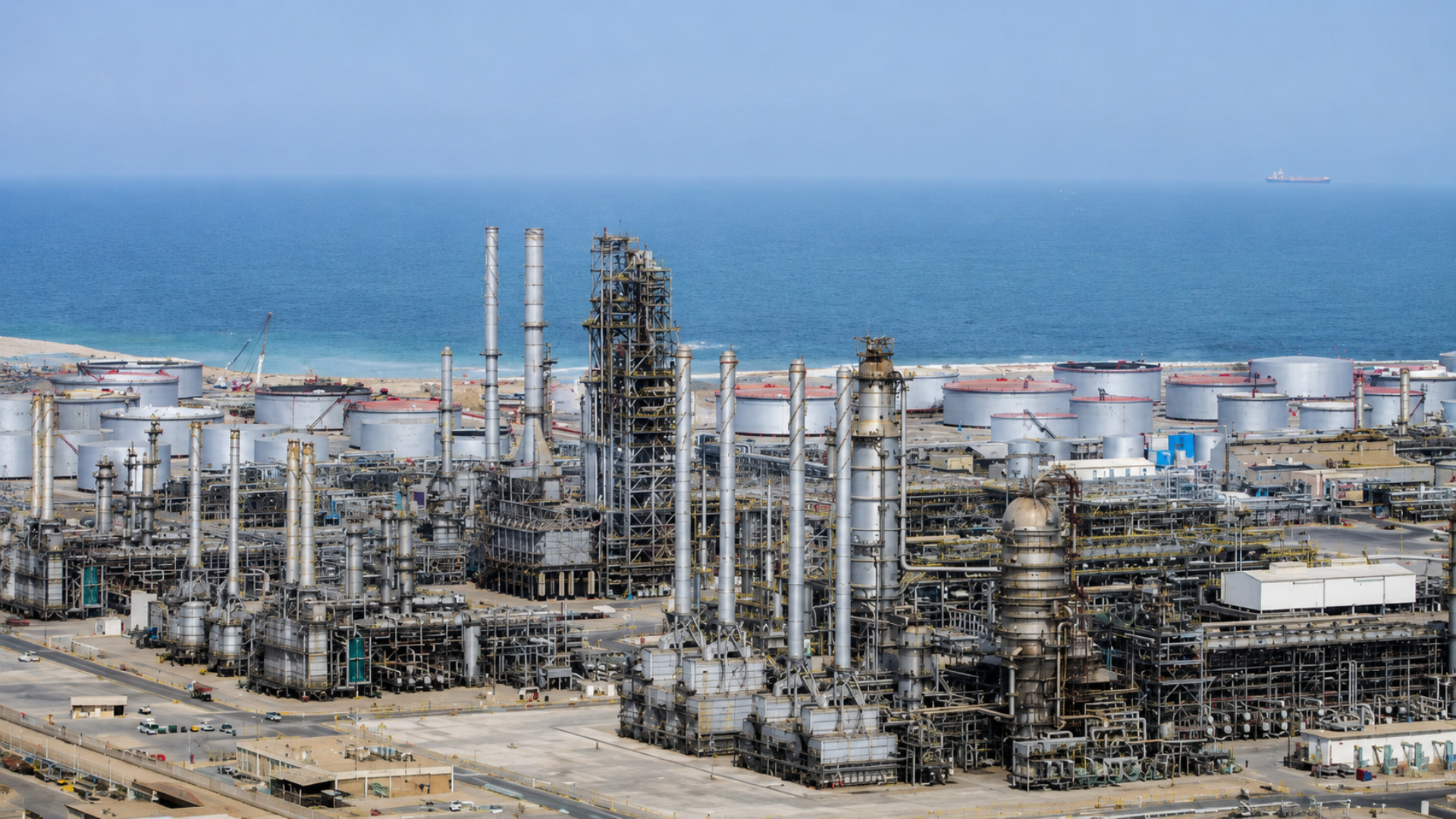
Saudi Aramco CEO Amin Nasser has gone beyond warning about the immediate crisis to caution about its long-term consequences. He has stated publicly that if oil shipments remain blocked through the Strait of Hormuz, the resulting energy disruption could last for multiple years. Restoring production capacity, rebuilding depleted strategic reserves, and restoring normal tanker routing patterns all take time measured in months to years rather than days or weeks. Analysts tracking the longer-term picture have projected that elevated oil prices are likely to persist well into 2027 even if the strait reopens in the near term, because the supply deficit accumulated during the closure will take that long to rebuild.
What Could Reduce the Crisis and What Makes It Worse
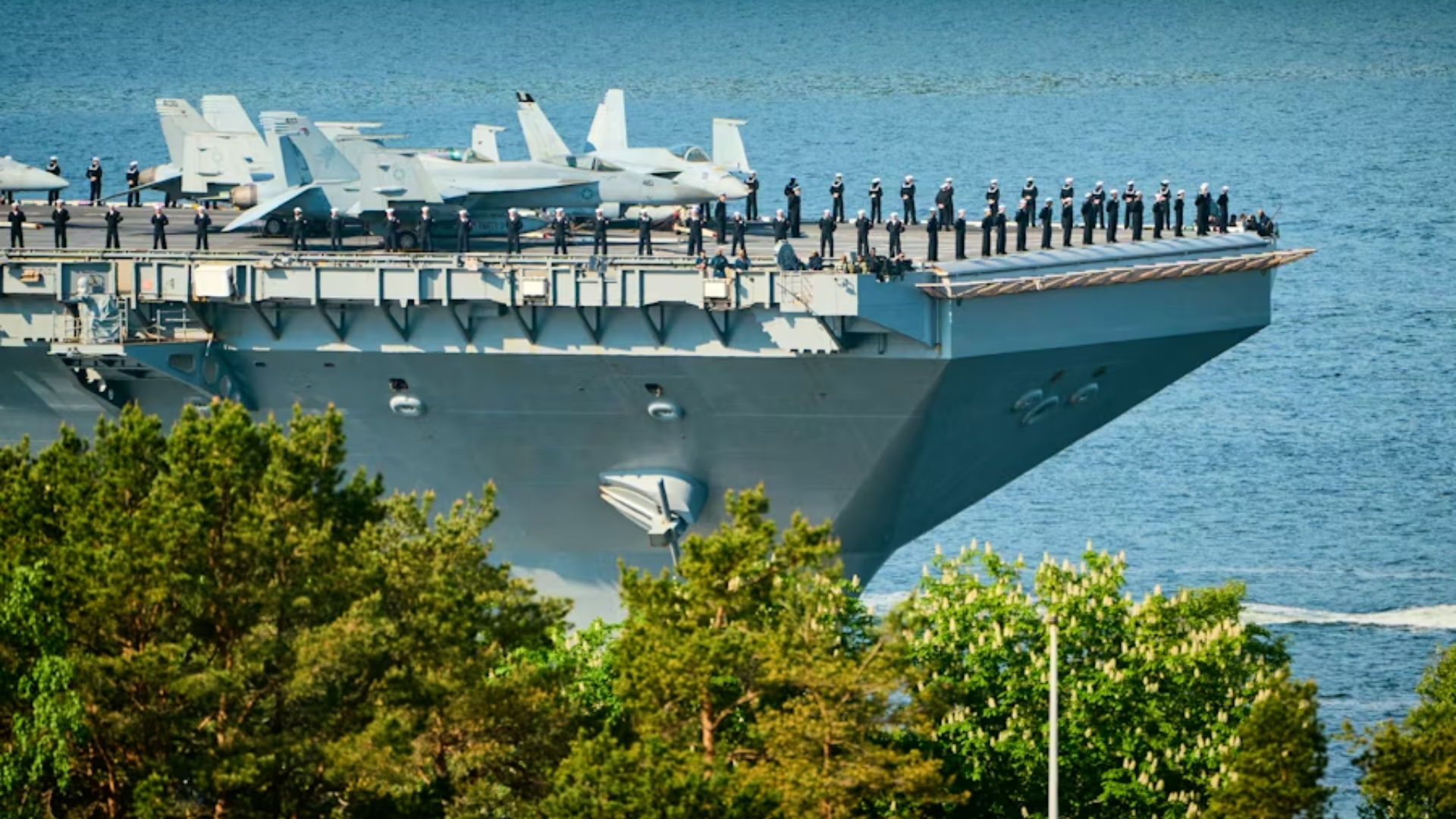
Analysts have outlined two divergent scenarios for how the situation develops. In the more optimistic scenario, a combination of alternative pipeline routes and naval escorts for commercial vessels partially offsets the lost Hormuz volume, keeping the most severe shortages at bay while diplomatic efforts proceed. In the more pessimistic scenario, the blockade continues long enough to exhaust strategic reserves entirely, forcing governments to implement formal rationing systems. The difference between these scenarios depends heavily on whether the U.S.-Iran conflict moves toward a negotiated resolution or continues to escalate. Iran’s navy fired warning shots at U.S. warships in the strait as recently as May 4, 2026.
The Largest Supply Disruption in Oil Market History Is Still Unresolved

The IEA’s designation of the Hormuz closure as the largest supply disruption in global oil market history is a statement that deserves to be taken seriously. Previous oil shocks, including the 1973 Arab oil embargo and the 1979 Iranian Revolution crisis, caused significant economic damage and lasting changes to how governments, industries, and consumers relate to energy. This disruption is operating at a larger scale with a faster inventory drawdown than either of those events. Whether it ends through diplomacy, military resolution, or the slower pressure of global demand destruction will determine how much of the economic damage is permanent. For American consumers, the effects are already visible every time they fill up their tank.