Stink Bugs Are Moving Into Homes as Temperatures Drop, and They Could Be Inviting More Friends
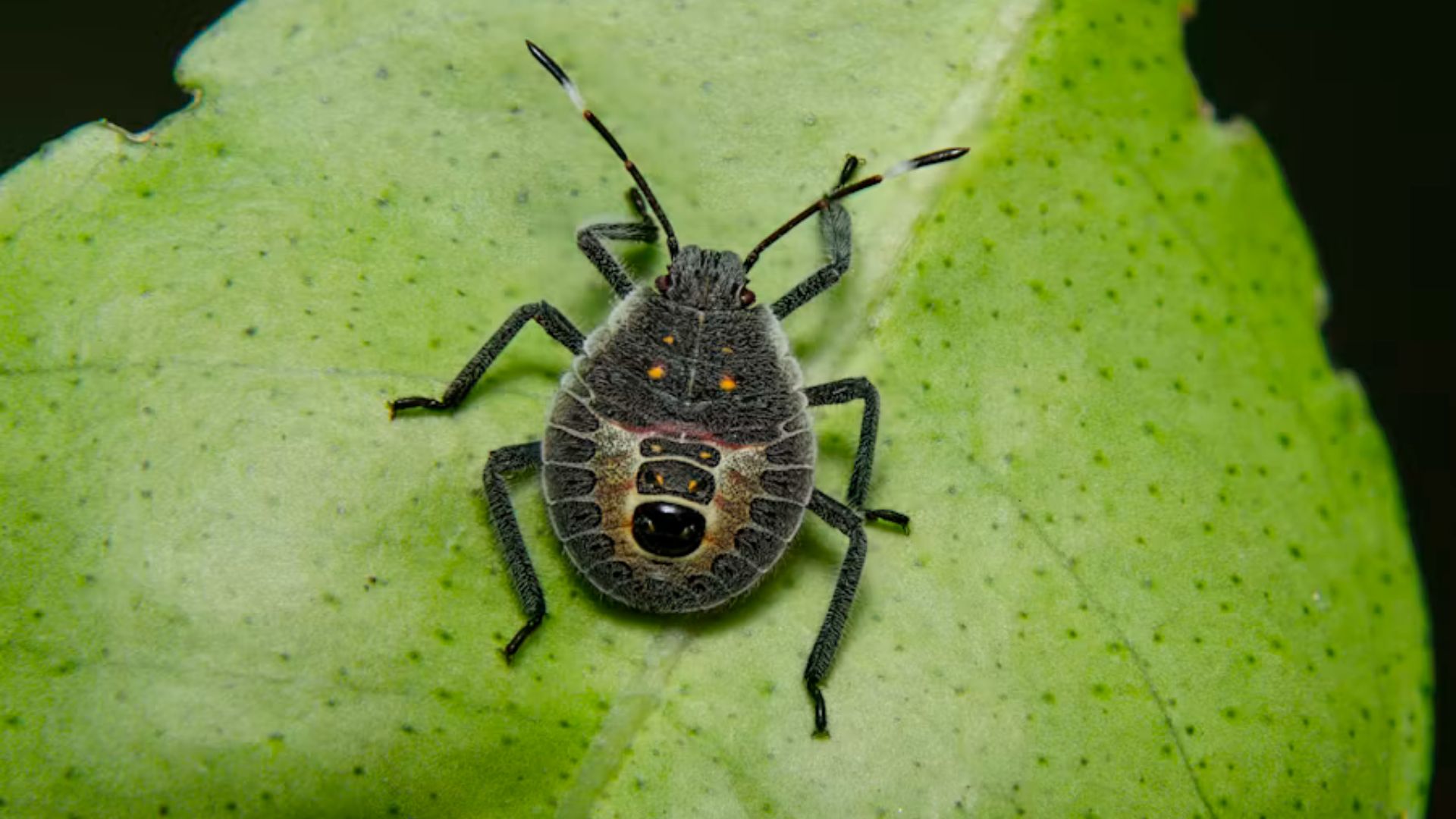

Have you noticed an unfamiliar, shield-shaped bug lingering near your windows as the weather gets cooler? It might seem like a harmless visitor looking for a temporary hiding place, but stink bugs can become an unwelcome part of your fall household routine. As temperatures drop, these insects begin searching for somewhere to spend the colder months, and even a well-maintained home can offer exactly what they need.
The brown marmorated stink bug is an invasive pest recognizable by its mottled brown coloring and shield-shaped body. Outdoors, stink bugs feed on plants such as tomatoes, peppers and fruit, while indoors, they may also target houseplants. Fortunately, they do not bite, sting, transmit diseases or damage a home’s structure. Their unpleasant odor and tendency to gather indoors, however, make them frustrating houseguests.
According to Southern Living, these insects become particularly noticeable in fall, when shorter days and cooler temperatures send them searching for shelter. They often settle in quiet areas where homeowners may not immediately spot them, making early prevention especially useful. And while discovering one stink bug might not seem concerning, there is a surprising reason homeowners should pay attention before more appear. What makes one suitable hiding place potentially attractive to other stink bugs?
One Stink Bug Could Be Signaling Others to Follow
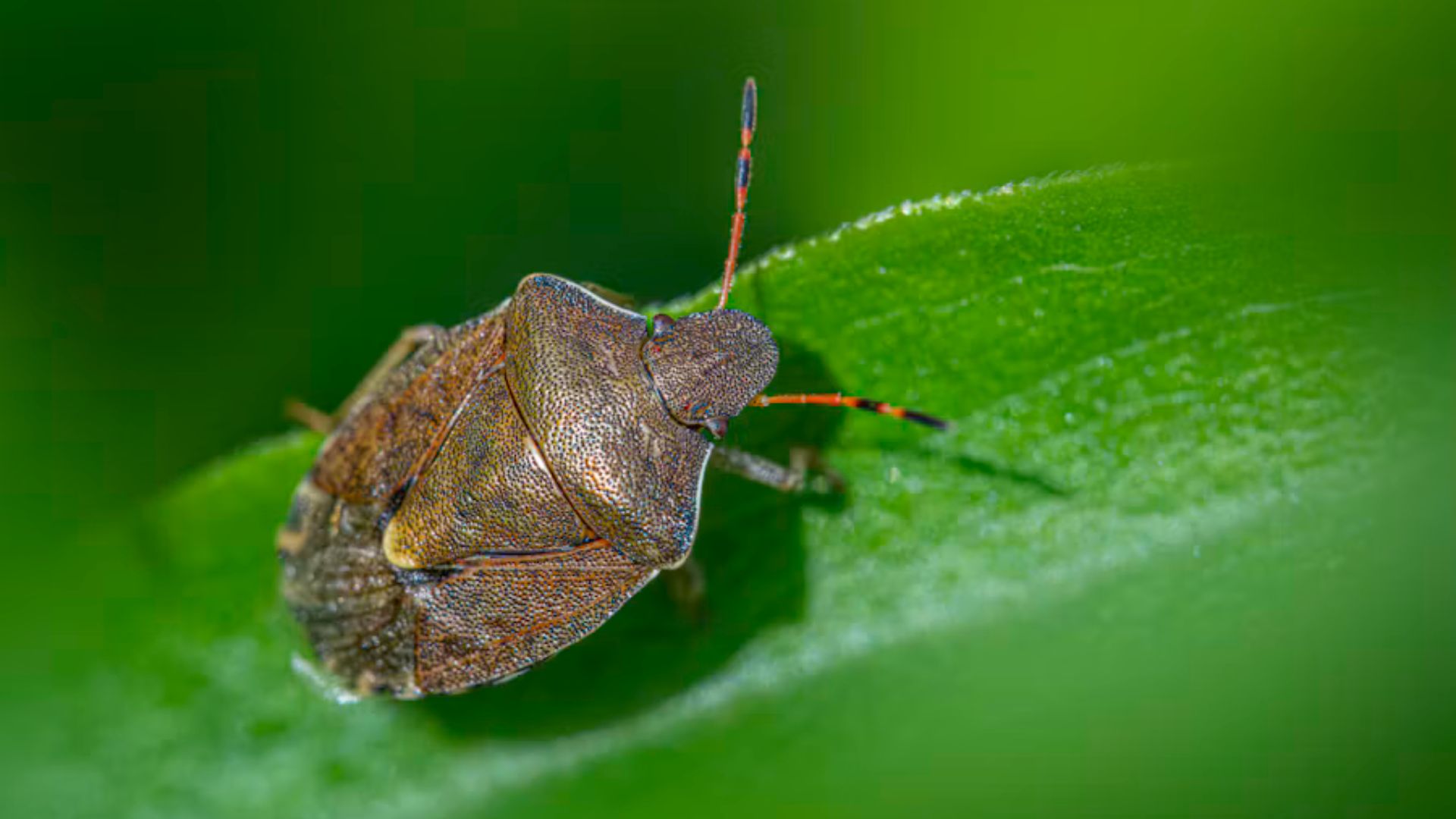
The unexpected problem is that stink bugs can communicate through pheromones. When they find a suitable place to shelter, they can release chemical signals that let other stink bugs know about the location. This does not mean every insect that enters will automatically bring a crowd, but it helps explain why a protected spot may attract additional visitors. Keeping them from entering in the first place becomes especially important.
These insects typically move indoors during fall to find dark, secluded places where they can remain sheltered through winter. They are attracted to warmth and light, which helps explain why homeowners may notice them gathering on sunny exterior walls before they enter. Once inside, they can settle into attics, crawlspaces, wall spaces and other undisturbed areas that provide protection from colder outdoor conditions.
Getting inside can be surprisingly easy. Stink bugs can squeeze through gaps in siding, cracks around windows and doors, and openings near vents or utility pipes. Even small entry points can give them access to areas that are difficult to inspect. Because the brown marmorated stink bug can spread rapidly, stopping that first wave of visitors matters. So which overlooked areas around a house should homeowners check before the insects settle in?
The Best Defense Starts Before They Get Inside
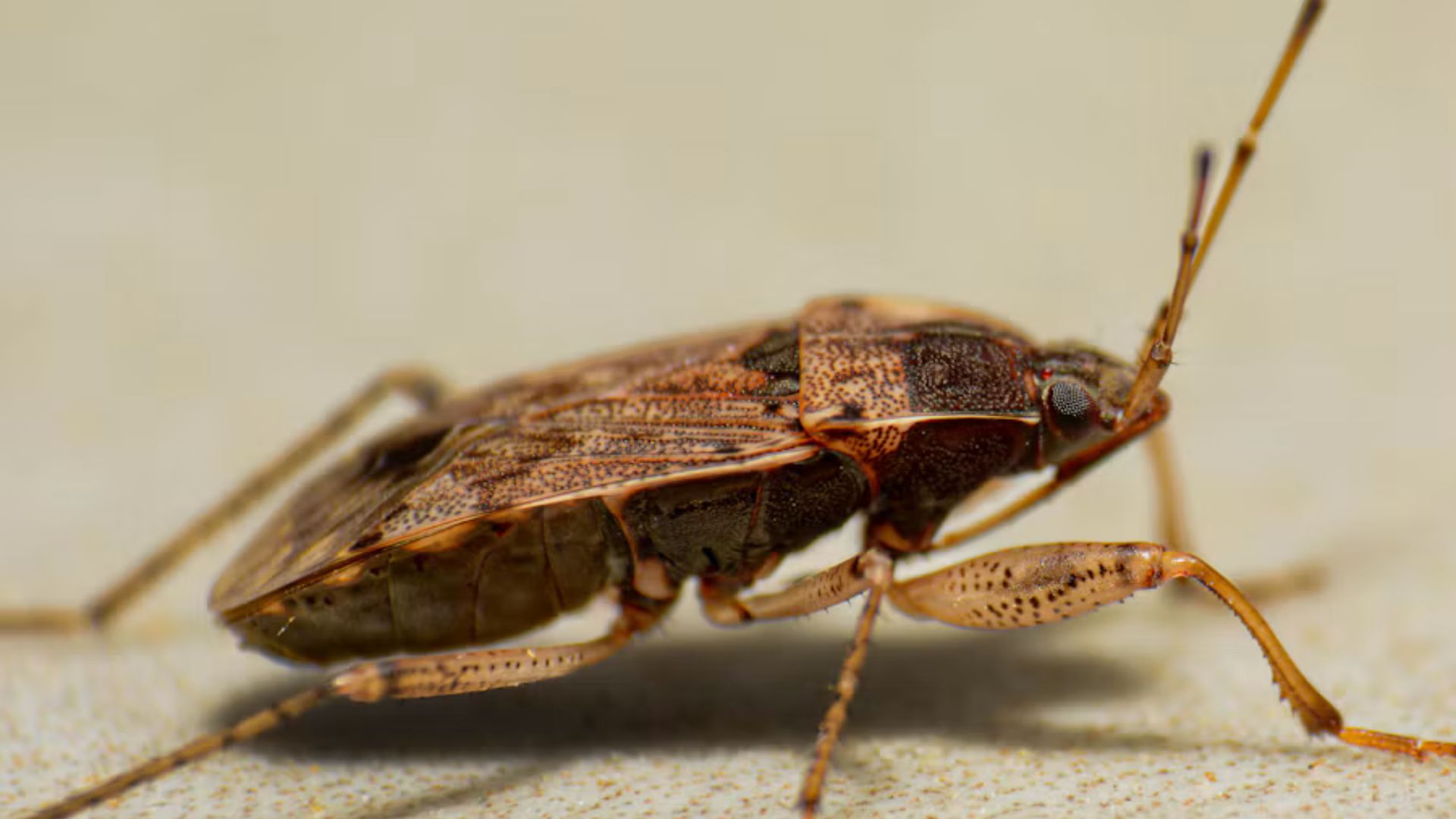
The most effective approach is to block the entry points stink bugs use. Start by sealing cracks around siding, windows, doors, utility pipes, chimneys and eaves. Repairing or adding weather stripping can also help close gaps beneath doors. Meanwhile, checking window and door screens for holes, loose edges or poor fits can prevent insects from slipping through when windows are open on warmer fall days.
Next, pay attention to what surrounds the house. Stink bugs are attracted to vegetation, including plants that provide sap and nectar, so reducing appealing food sources near the home may help. Keep lawns mowed, clear away leaf litter and remove fallen fruits or vegetables. Outdoor lighting also deserves attention because stink bugs are drawn to light. Southern Living suggests minimizing exterior lighting or considering yellow bulbs that are less attractive to insects.
Finally, consider the spaces inside your home that rarely receive much attention. Garages, attics and basements can provide sheltered hiding places, particularly when cluttered with storage boxes, old clothes or magazines. Reducing those piles leaves fewer undisturbed spots where insects can settle. Together, these steps make the house less welcoming before stink bugs arrive in larger numbers. But what should you do if some have already made it indoors?
A Few Simple Steps Can Keep a Small Problem Manageable
If you discover stink bugs inside, resist the temptation to squash them. Their name comes from the unpleasant odor they release when threatened or crushed, which can leave a lingering smell and stains. Instead, Southern Living recommends vacuuming them up, emptying the vacuum canister into the trash, and disposing of the collected contents. This provides a practical way to remove the insects without deliberately triggering their odor.
Another option involves soapy water. You can hold a cup containing soapy water beneath a stink bug and wait for the startled insect to drop into it. If several have appeared, a homemade trap may help collect more than one at a time. Place a pan of soapy water beneath a bright light, which attracts the insects toward the water. These methods offer alternatives to crushing the bugs when they are already inside.
Ultimately, keeping stink bugs under control is easier when homeowners address the conditions attracting them rather than focusing only on individual insects. Sealing entry points, reducing outdoor attractants and removing indoor hiding places can all make a difference as temperatures fall. And because stink bugs can signal others toward suitable shelter, preventing access early is especially worthwhile. A little seasonal maintenance could help ensure that the first unexpected visitor does not become the beginning of a much larger gathering.