States Spend Millions to Enforce New Trump Law That Could Leave Many Americans Without Healthcare


States across the country are spending millions of dollars to enforce a sweeping new federal law, even as experts warn it could leave millions of Americans without healthcare. What makes the situation more striking is the contrast at the heart of it all. Governments are investing heavily in new systems designed to remove people from public benefits, raising concerns about both cost and human impact.
What the New Law Requires

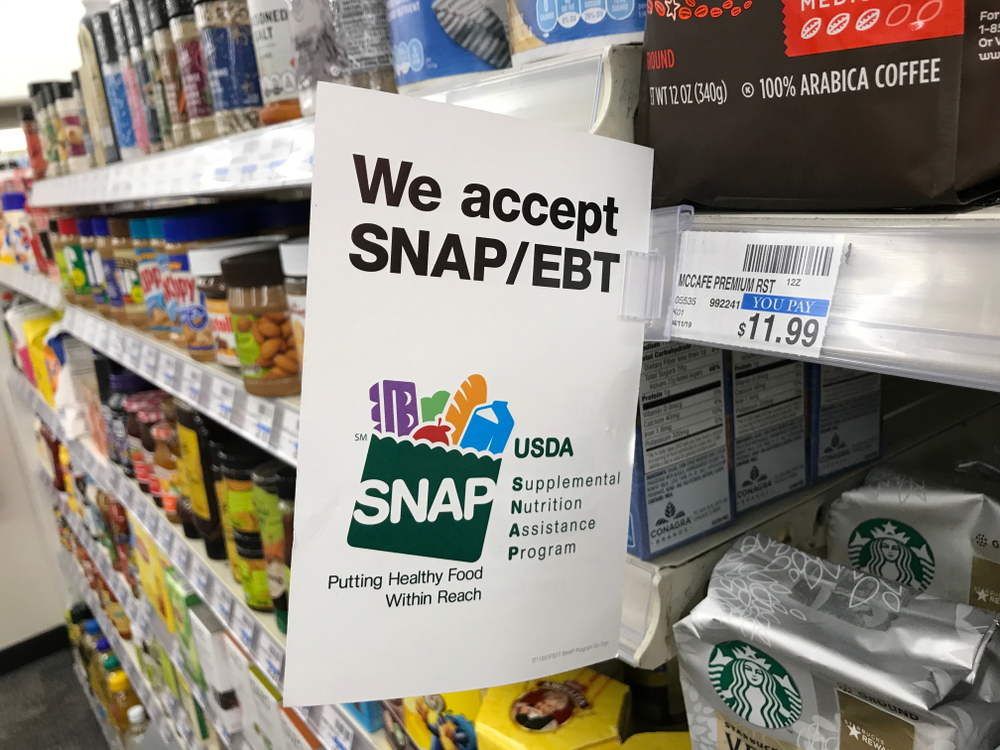
The law, often referred to as the One Big Beautiful Bill Act, introduces major changes to programs like Medicaid and SNAP. It requires many recipients to meet strict work requirements, often around 80 hours per month, and mandates more frequent eligibility checks. These rules mark a major shift in how safety net programs operate, adding new layers of verification and oversight.
Millions Could Lose Coverage

Estimates suggest the impact could be significant. According to projections, about 7.5 million people could lose Medicaid coverage in the coming years, while millions more could lose access to food assistance. Separate analyses suggest that as many as 5 to 10 million people could be affected depending on how states implement the changes.
States Are Spending Big to Comply

To meet the new requirements, states are turning to large consulting firms like Deloitte, Accenture, and Optum. These companies are being paid millions to redesign eligibility systems that determine who qualifies for benefits. In just a handful of states, the combined cost of updates has already reached tens of millions of dollars.
Breaking Down the Costs
The spending varies widely by state, but the numbers add up quickly. Wisconsin alone is expected to spend around $6 million on Medicaid system changes and another $4.2 million on SNAP updates. Iowa’s overhaul could cost more than $20 million, while Illinois is looking at at least $12 million in modifications. Even smaller states like Vermont are facing multi million dollar upgrades just to comply with the new rules.
Why These Changes Are So Complex

At the center of the issue are the computer systems that determine eligibility. These systems must now track work status, exemptions, and frequent rechecks, which adds significant complexity. Officials say the changes are not just technical but structural, requiring states to rethink how they manage benefits from the ground up. As one state official described it, the process is “a big, big lift.”
The Risk of Errors and Lost Coverage

One major concern is that these systems already have a history of mistakes. Past issues have led to eligible individuals being wrongly removed from programs. With added requirements and more paperwork, experts worry that even more people could lose coverage not because they are ineligible, but because they cannot navigate the system.
Work Requirements and Red Tape

Supporters argue that work requirements encourage employment and reduce dependency. However, critics point out that many Medicaid recipients are already working or face barriers such as illness or caregiving responsibilities. Even those who meet the requirements may struggle to prove it due to paperwork or reporting challenges, increasing the risk of losing benefits despite qualifying.
Who Could Be Most Affected

Certain groups may feel the impact more than others. The law tightens access for immigrants, reduces exemptions for vulnerable populations, and requires more frequent eligibility checks. Veterans, homeless individuals, and former foster youth could all face new hurdles under the updated rules. These changes raise concerns about whether the system will fairly account for real life circumstances.
A Debate Over Cost and Purpose

The financial side of the policy has also sparked debate. States are spending millions upfront to implement changes that are expected to save money by reducing enrollment. In some cases, the savings from cutting coverage far exceed the cost of building the systems to do it. Still, critics question whether investing in removing people from healthcare programs is the best use of public funds.
What Happens Next
As the law rolls out, much will depend on how states implement it. Some may take steps to reduce coverage losses by simplifying processes or improving verification systems, while others may enforce stricter rules. Either way, the outcome will shape healthcare access for millions of Americans. For now, the combination of rising costs, complex systems, and potential coverage losses ensures that this issue will remain at the center of national debate.