Starbucks Korea Fired Its CEO After Its ‘Tank Day’ Campaign Launched on the Anniversary of a Military Crackdown
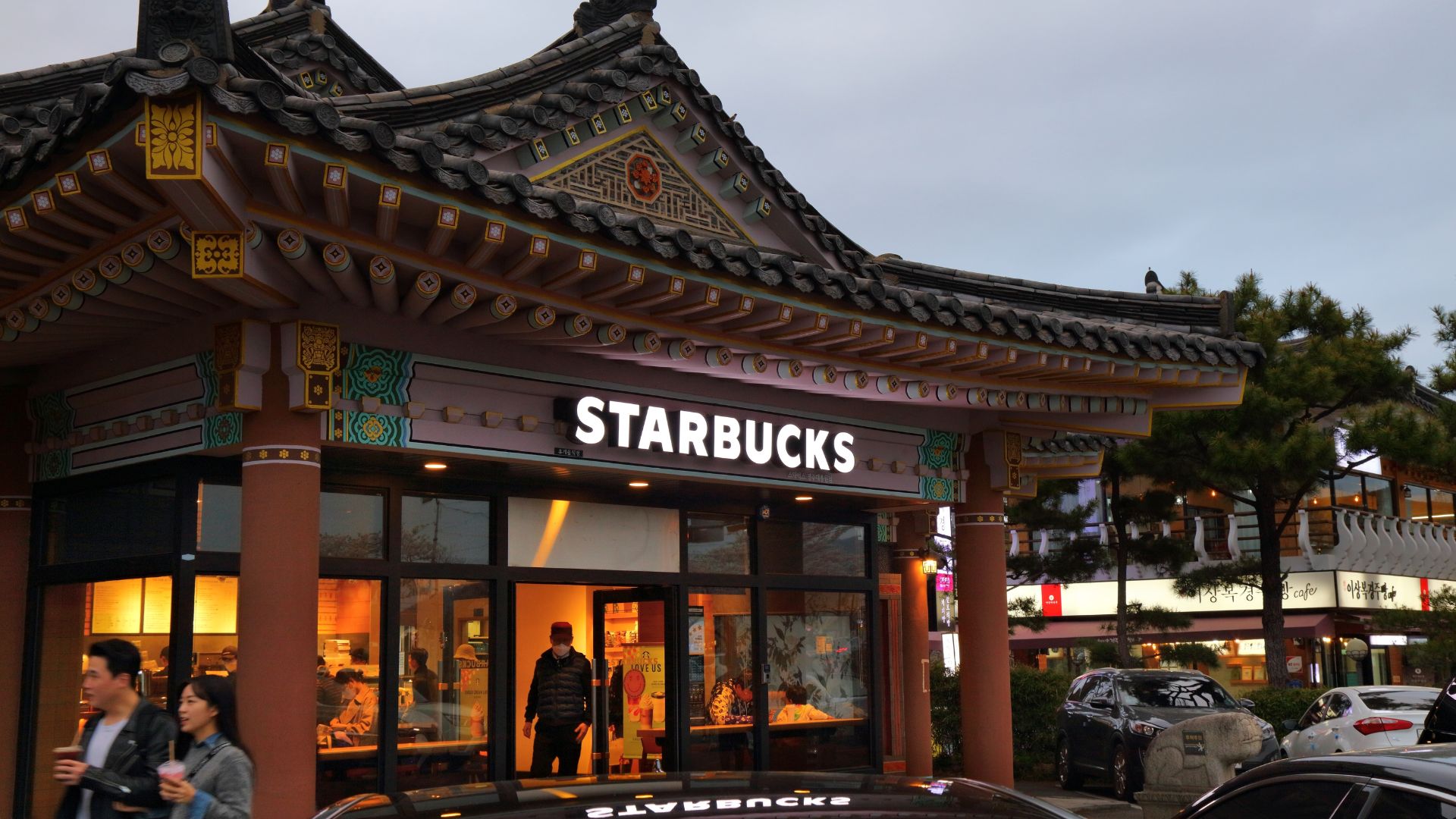

A tumbler promotion cost Starbucks Korea its chief executive. On Monday, the South Korean branch of the global coffee chain rolled out a marketing campaign called “Tank Day,” promoting its line of drink tumblers with the tagline “put it on the table with a sound of ‘Tak!'” Within hours, the promotion had sparked widespread public outrage, and before the day was out, CEO Son Jeong-hyun had been fired.
Monday also happened to be May 18, Democratisation Movement Day in South Korea, marking the 1980 Gwangju Uprising, when Chun Doo-hwan’s military dictatorship moved to crush pro-democracy protesters. Government records show about 200 people died, though activists say the true toll was much higher, and many details, including who gave the order to open fire, have never been officially confirmed. Starbucks Korea launched its campaign on that exact date.
Shinsegae Group, the retail conglomerate that licenses and manages Starbucks Korea, confirmed Son’s dismissal and said it had launched an internal investigation. The company acknowledged that the campaign content had not been reviewed properly before going live. Starbucks Korea pulled the promotion and posted a public apology on its website, saying its promotional language carried references that the company acknowledged as deeply inappropriate.
Why the Date Carried So Much Weight
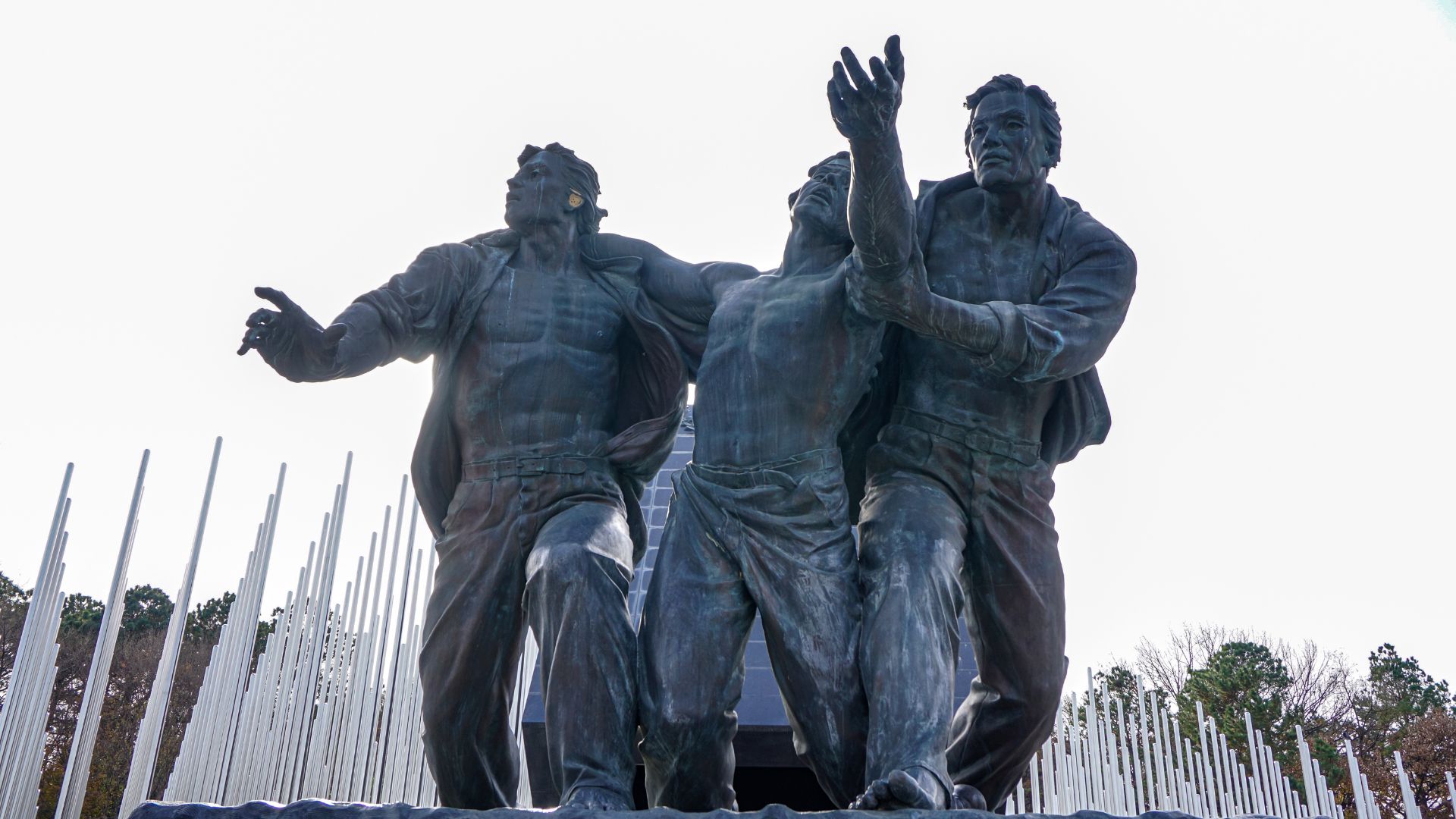
The Gwangju Uprising began on May 18, 1980, when university students and residents of the southern city took to the streets to protest military rule. The government responded by deploying paratroopers and tanks against the demonstrators. In the aftermath, Chun’s government also imprisoned tens of thousands of people, saying it was working to root out what it called social evils.
The event is widely regarded as a foundational moment in South Korea’s path to democracy. Public anger over Chun’s dictatorship led to massive nationwide protests in 1987, forcing a constitutional revision that introduced direct presidential elections. The change is widely seen as the start of South Korea’s democratic transition, and Chun stepped down the following year amid growing calls for reform.
The sensitivity around the campaign was also sharpened by more recent events. Former President Yoon Suk Yeol briefly declared martial law in late 2024, sending South Korea into a political crisis and prompting many citizens to draw direct parallels to the authoritarian era. Yoon was later convicted of masterminding an insurrection and is now serving a life sentence, a backdrop that gave the campaign’s timing particular force for many South Koreans.
Officials and Police Join the Growing Public Backlash

Public anger spread quickly across social media. Videos circulated of people smashing Starbucks mugs and tumblers with hammers, and screenshots showed users deleting the app from their phones. South Korean President Lee Jae Myung weighed in publicly, describing the campaign as inhumane and saying it showed contempt for the sacrifices made for South Korean democracy, calling it the act of a “degenerate peddler.”
Critics also took issue with a specific phrase in the campaign copy. The tagline’s use of the sound “tak” drew comparisons to a deeply painful episode from 1987, when police claimed a student activist had died after investigators struck a desk. It was later revealed that the student, Park Jong-cheol, had been tortured to death. The police account became a widely cited symbol of the regime’s brutality during that era. Starbucks Korea also apologized to Park’s family.
Police opened a formal investigation following complaints from victims’ families, while Interior and Safety Minister Yoon Ho-jung announced that Starbucks products would no longer be used at South Korean government events, describing the chain’s conduct as “anti-historical.” Shares of E-Mart, the Shinsegae subsidiary holding a 67.5 percent stake in Starbucks Korea, also dropped 5.5 percent by the close of trade in Seoul on the day the campaign launched.
Three Layers of Apology and a Commitment to Change

Two weeks later, Shinsegae Group Chairman Chung Yong-jin issued a second apology, bowing three times in a televised statement and pleading for forgiveness from victims’ families and the broader public, the Associated Press reported. He said he took very seriously the pain and anger the campaign caused, and that all executives and employees, himself included, would undergo historical awareness and ethics training. Starbucks Global said any offense was unintentional and an investigation was underway.
Yang Jae-hyeok, 58, who participated in the uprising alongside his older brother, and whose brother required medical treatment for two decades because of the trauma he sustained, leads an association of victims’ relatives. He told the New York Times that the outrage over the campaign was amplified by how recently South Korea had faced another democratic crisis, adding that former President Yoon’s brief declaration of martial law had shown many that democracy could not be taken for granted.
Yang described the reaction among victims’ relatives as devastating and furious, saying the campaign amounted to an insult to May 18 and to those who fought for South Korean democracy. He added that the events of 1980 should not be treated as settled history, saying they remained something that could become a direct reality for South Koreans at any moment.