Trump Wants to Buy Spirit Airlines and Almost Everyone Around Him Says It Is a Bad Idea
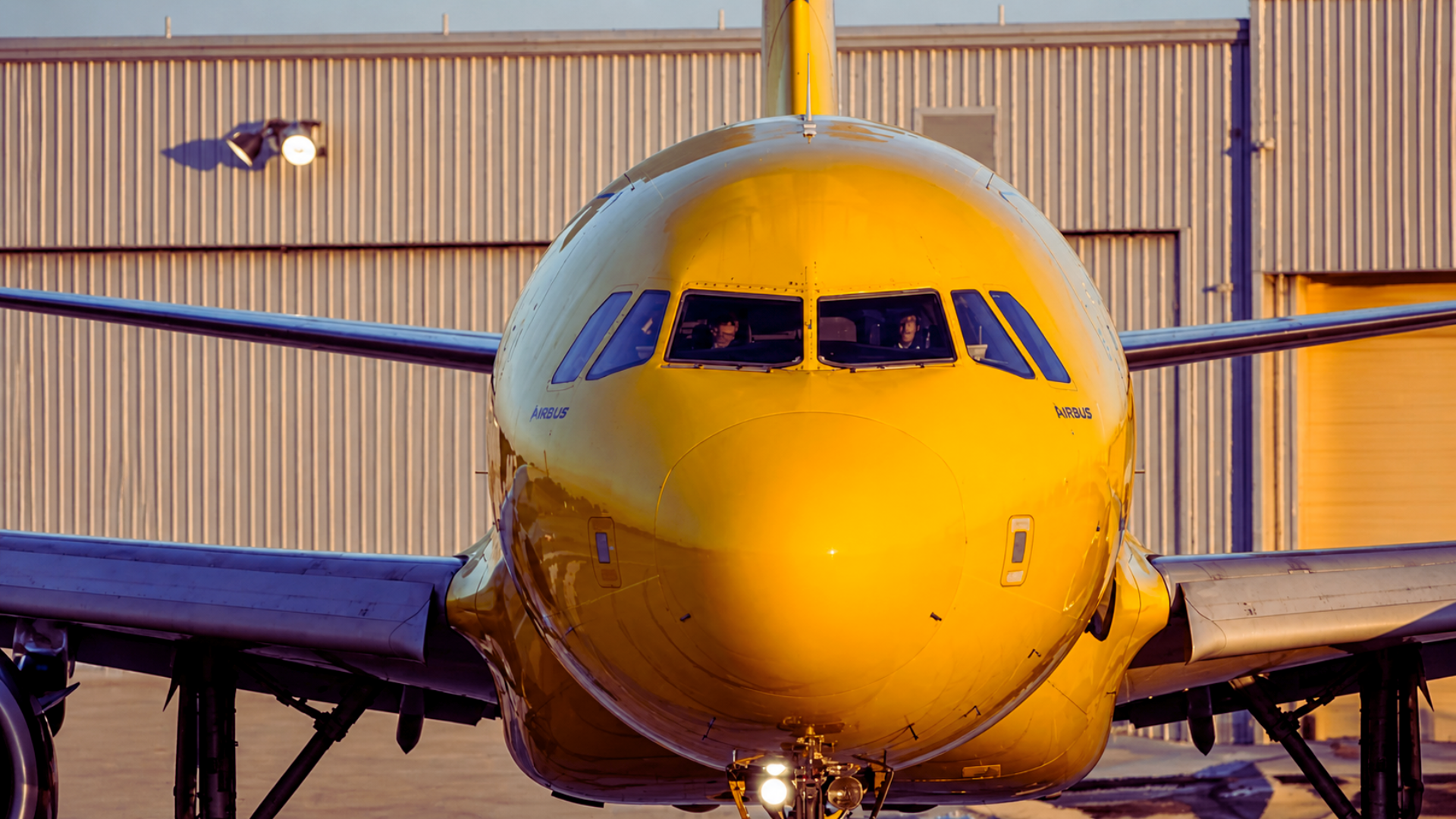

President Donald Trump has ignited a fierce economic debate by suggesting the federal government could solve Spirit Airlines’ financial woes by simply purchasing the carrier outright. During a recent bankruptcy hearing, the president indicated he would consider a full acquisition if the price is right, viewing the airline’s fleet as a valuable asset. This unconventional proposal has sent shockwaves through Washington, as it suggests a level of government intervention rarely seen in the American aviation industry.
The struggling discount carrier has been on life support for years, facing a mountain of debt and a business model that many analysts believe is fundamentally broken. Spirit has struggled to reach profitability since the pandemic, a situation made worse by the recent surge in jet fuel prices tied to international conflict. While the administration is already discussing a five hundred million dollar bailout package, the idea of a total government takeover is a far more radical step.
White House officials have defended the administration’s focus on the airline, pointing to previous regulatory decisions that they claim weakened Spirit’s standing. Specifically, they criticized the blocking of a proposed merger with JetBlue Airways in 2022, arguing that the move left Spirit in a precarious financial position. As the administration monitors the health of the aviation sector, the debate over whether to save or buy the airline continues to intensify behind closed doors.
A Bipartisan Chorus of Concern in Washington
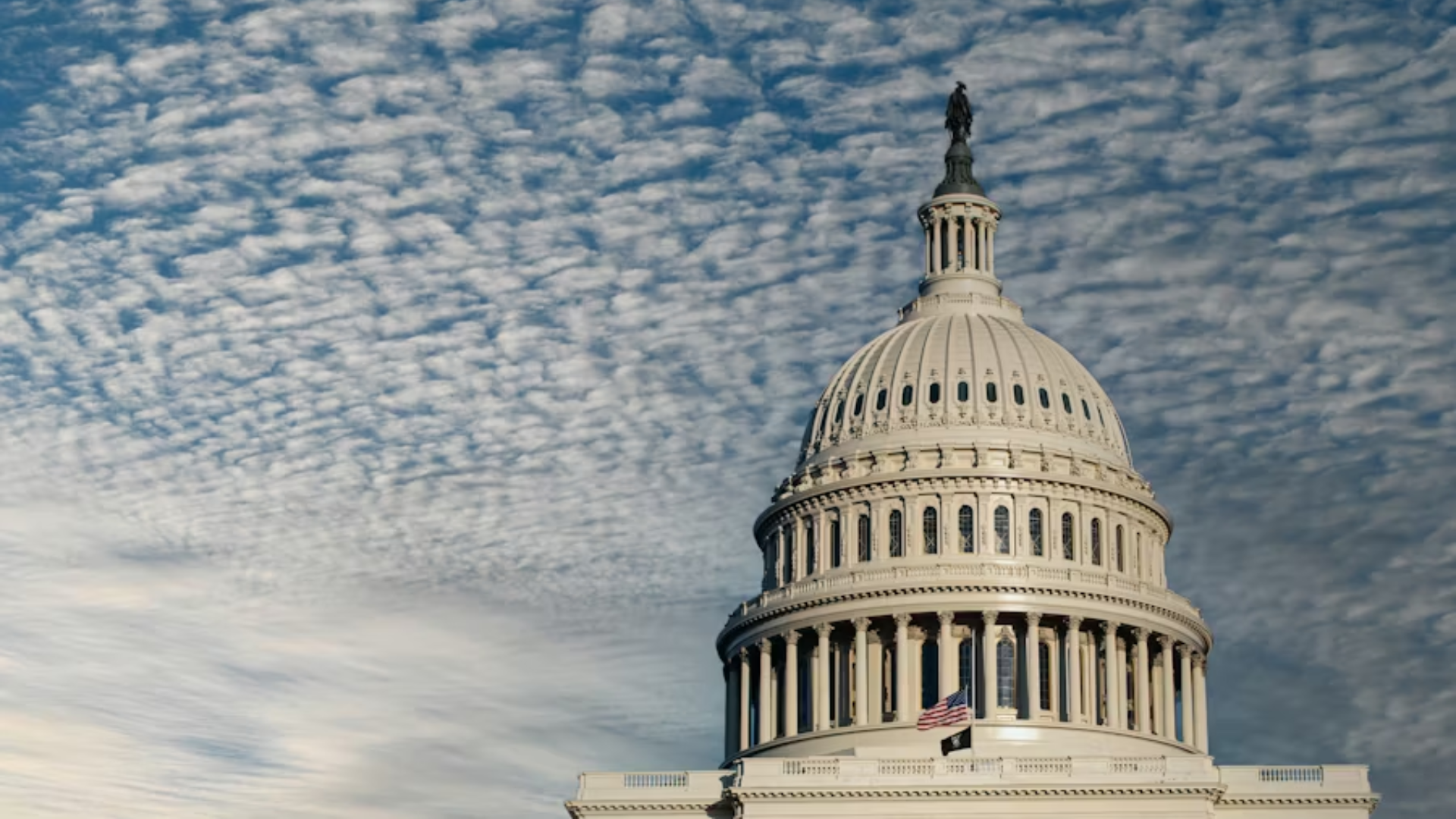
Despite the president’s interest, a rare bipartisan group of lawmakers has emerged to voice serious concerns about the plan. High profile senators from both parties, including Ted Cruz and Elizabeth Warren, have expressed skepticism about using taxpayer money to prop up a failing business. The primary worry is that a government buyout would essentially be throwing good money after bad, with no guarantee that the airline could ever become profitable under federal management.
Even members of Trump’s own cabinet have signaled hesitation regarding the move. Transportation Secretary Sean Duffy recently questioned the logic of forestalling what many see as an inevitable collapse. He noted that a significant amount of money has already been directed toward Spirit without yielding positive results. By taking ownership of the airline, the government would also take on its massive liabilities and operational headaches: a prospect that few fiscal conservatives find appealing.
The skepticism extends to the leaders of rival airlines who argue that a bailout is unnecessary for the industry as a whole. United Airlines CEO Scott Kirby pointed out that larger carriers have successfully adapted to the current fuel crisis without needing federal assistance. He suggested that Spirit’s troubles are the result of a flawed business model rather than external market forces alone. This perspective reinforces the idea that a government intervention might be an artificial fix for a natural market exit.
The Collapse of the Ultra-Low-Cost Model
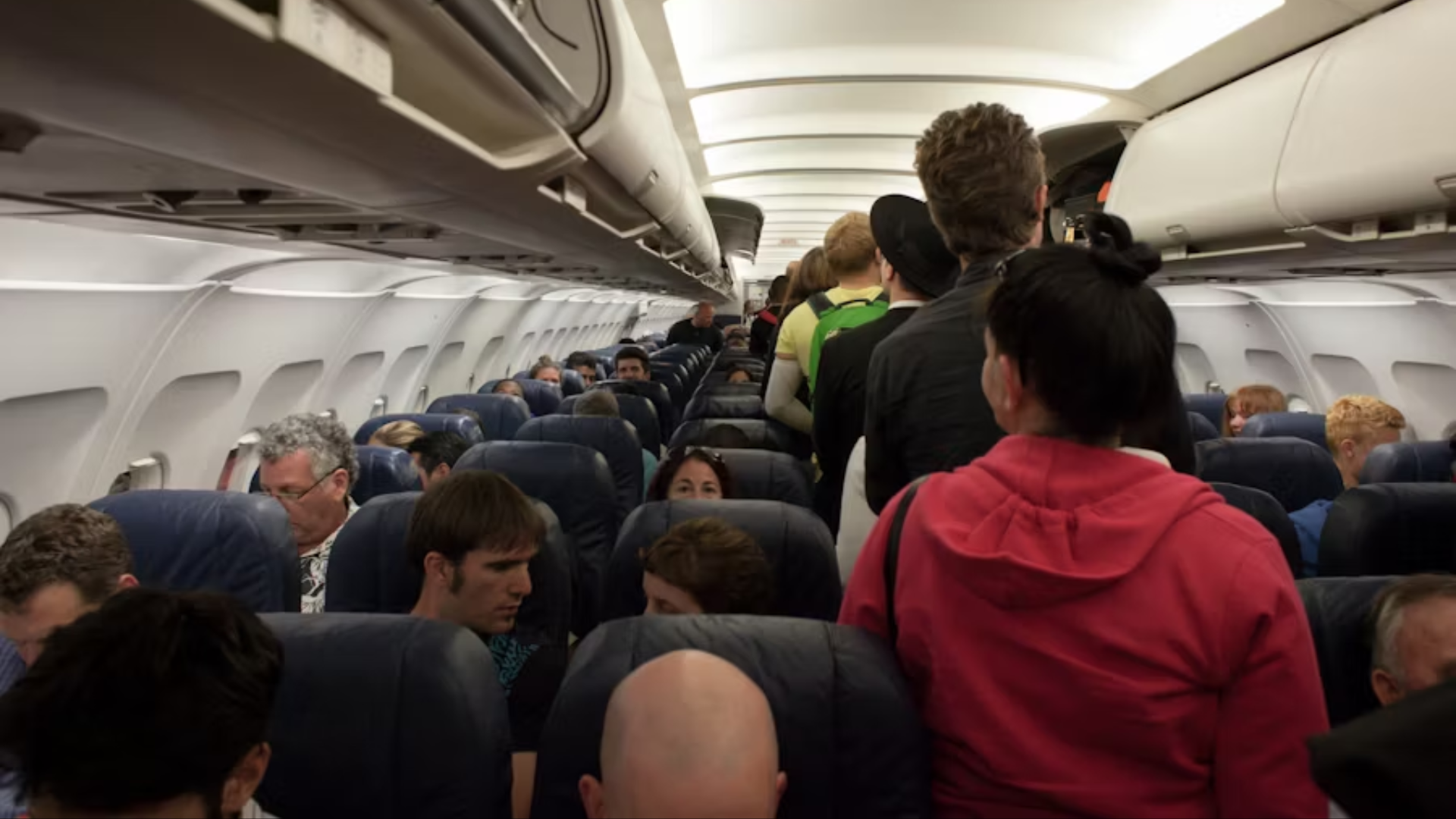
For years, Spirit Airlines thrived by offering bare bones fares that attracted budget conscious travelers across the country. However, the pandemic shifted consumer preferences, and many passengers are now willing to pay slightly more for extra legroom and basic comforts. Major carriers like Delta and United have also introduced their own basic economy tickets, effectively neutralizing the price advantage that Spirit once held. This shift has left the discount pioneer without a clear competitive edge in the modern market.
Operating an airline is a business of incredibly thin margins, where even small changes in costs can lead to catastrophic losses. Spirit’s reliance on cheap fuel was shattered when prices doubled this year due to the war in Iran. While the airline attempted to restructure its debt through bankruptcy in August 2025, the sudden spike in operating expenses quickly derailed those plans. The company now finds itself caught in a cycle of insolvency that has proven difficult to break.
Legal experts and bankruptcy attorneys argue that a federal package could allow the company to sell off assets and reorganize more effectively. Spirit’s own legal team claims the airline was in great fighting shape before the latest fuel crisis began. However, some shareholders disagree, arguing that the problems run much deeper than just the cost of gas. This internal disagreement highlights the uncertainty surrounding the true value of the company and whether it is worth a government rescue.
Navigating the Turbulent Future of Flight

The proposed purchase of Spirit Airlines raises profound questions about the role of the federal government in the private sector. If the deal moves forward, it would represent a historic shift toward a state owned model for a major American carrier. Supporters believe it could save thousands of jobs and maintain competition, while critics see it as a dangerous precedent that rewards failure. The final decision will likely depend on whether the president remains committed to his vision of a government run airline.
As the bankruptcy proceedings continue, the fate of Spirit’s employees and passengers hangs in the balance. A total liquidation would leave many communities with fewer travel options and higher prices on remaining routes. On the other hand, a failed government takeover could result in billions of taxpayer dollars being lost in a volatile industry. The administration must now weigh the political benefits of saving jobs against the economic risks of a bad investment.
The situation with Spirit Airlines serves as a stark reminder of how quickly the global economy can disrupt even the most established business models. Whether the government buys, bails out, or walks away, the outcome will reshape the landscape of American aviation for years to come. Drivers and flyers alike are watching closely to see if this unconventional plan will take flight or stay grounded. The true cost of this deal may not be known until well after the papers are signed.