The Government May Bail Out Spirit Airlines for the Second Time and Senators Are Already Calling It a Mistake
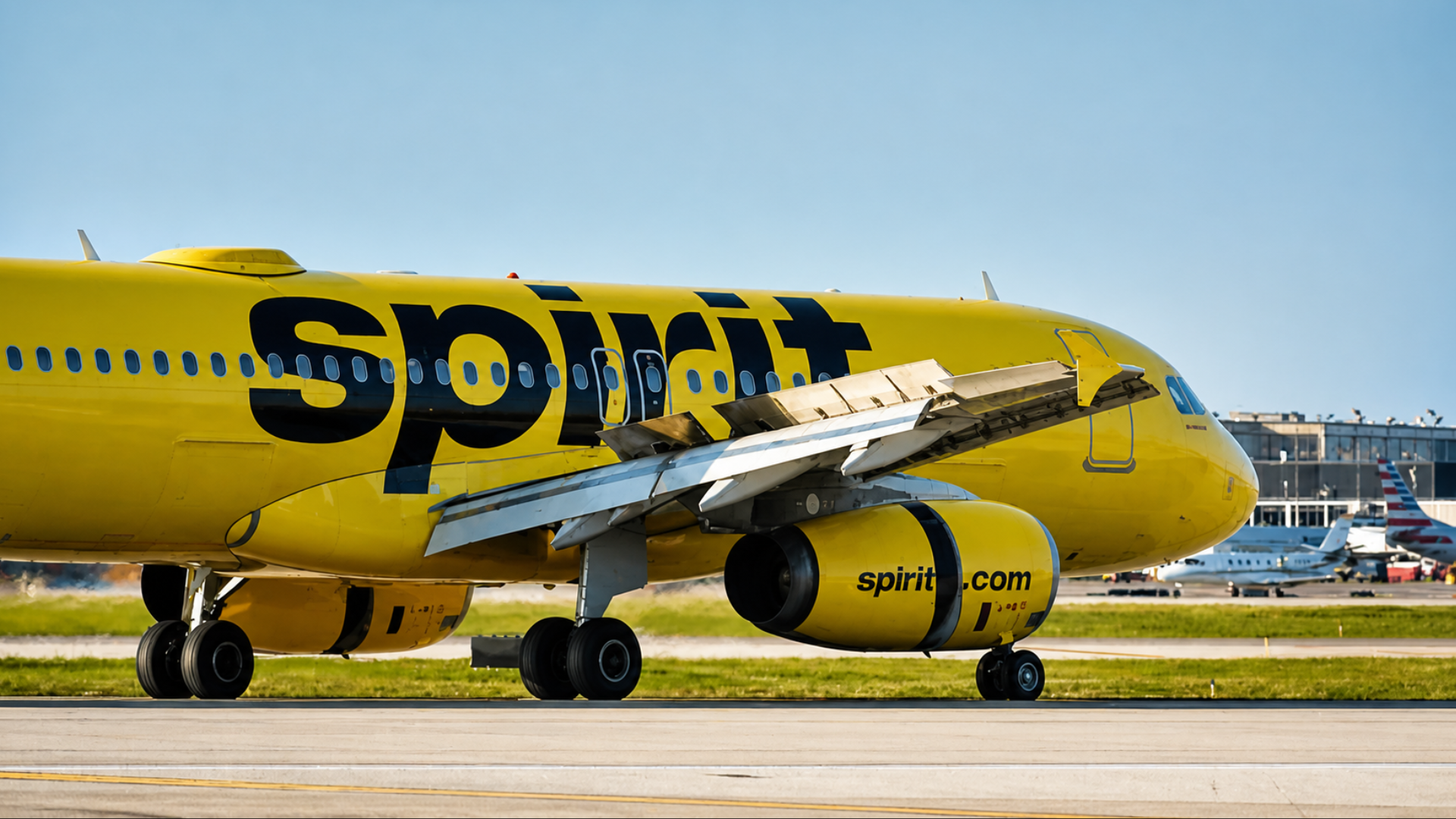

Spirit Airlines is in bankruptcy for the second time since 2025, and the Trump administration is reportedly nearing a deal to rescue it with up to $500 million in government-backed financing. According to Reuters, the package would likely function as a loan to keep Spirit operating during the bankruptcy process, which would then convert into a longer-term loan when the airline exits bankruptcy. The deal would also include warrants giving the US government a potential stake of up to 90% in the carrier. Lawmakers on both sides of the aisle are questioning whether that is a responsible use of taxpayer money.
The reaction from the Senate was immediate and came from both parties. Republican Senator Ted Cruz, chair of the Senate Commerce Committee, called the potential bailout “an absolutely terrible idea,” adding that “the government doesn’t know a damn thing about running a failed budget airline.” Republican Senator Tom Cotton said that if Spirit’s creditors and other potential investors do not believe they can run the airline profitably coming out of its second bankruptcy in under two years, he doubts the US government can either, calling it “not the best use of taxpayer dollars.” Democratic Senator Elizabeth Warren said Donald Trump’s war with Iran caused the sky-high fuel prices that “finally did Spirit Airlines in,” and asked what American taxpayers would get from the bailout and whether failed airline executives would be held accountable.
Even the administration’s own Transportation Secretary expressed serious reservations. Sean Duffy told Reuters in an interview Tuesday that he had significant concerns about the potential rescue. “What we don’t want to do is put good money after bad, and there’s been a lot of money thrown at Spirit, and they haven’t found their way into profitability,” Duffy said. “Would we just forestall the inevitable and then own that? We can’t make dumb investments.” He also noted that no private buyers appear interested in the airline, asking: “If no one else wants to buy them, why would we buy them?” The White House and Spirit did not immediately comment on the reported deal.
What the Bailout Package Would Actually Look Like

The structure of the proposed rescue, as reported by Reuters, is specific enough to understand what the government would be taking on. The initial component is a loan designed to keep Spirit operational while it works through its second bankruptcy proceeding. That loan would not disappear when the bankruptcy ends. Instead, it would convert into a longer-term loan, extending the government’s financial exposure beyond the immediate restructuring period. Alongside the loan, the deal includes warrants that would give the US government a potential ownership stake of up to 90% in Spirit Airlines.
That ownership provision is the detail that makes this arrangement different from a straightforward government loan. A 90% potential stake would place the US government in the position of dominant owner of a budget airline that has filed for bankruptcy twice in under two years, has not achieved profitability, and has attracted no credible private buyers willing to take it on. The warrants are structured as potential stakes rather than guaranteed ownership, but the scale of the potential position raises the question that Senator Cotton and Transportation Secretary Duffy both asked directly: what would the government actually own, and what would it do with it?
The $500 million figure represents the upper end of what is being discussed, according to Reuters sources. The exact terms, including the interest rate on the loan, the specific conditions attached to the warrants, and the timeline for the conversion from bankruptcy loan to longer-term financing, have not been publicly detailed. What is confirmed by Reuters reporting is that the administration was nearing a decision, that the structure involves both a loan and an equity stake mechanism, and that the political reaction across party lines was swift and largely negative. The White House and Spirit have not commented publicly on the details.
Why the Proposed Deal Is Drawing Skepticism From Every Direction
The most pointed skepticism about the Spirit rescue has come not from outside critics but from within the administration itself. Transportation Secretary Duffy’s Tuesday interview with Reuters covered the same ground that Cruz and Cotton raised in their public statements, but from the vantage point of someone who would be responsible for overseeing the outcome. His concern about forestalling the inevitable is a direct acknowledgment that the bailout may not address the underlying reasons Spirit has been unable to reach profitability through two bankruptcy processes.
Duffy’s question about who would want to buy Spirit gets at the market signal embedded in the current situation. When the Reuters story broke, Spirit had not attracted offers from creditors willing to restructure it, strategic buyers who might absorb its operations, or private investors willing to bet on a turnaround. Duffy described that absence directly: “It appears no one wants to buy Spirit. What would someone buy?” That framing positions the government not as a smart buyer seeing opportunity that others missed but as a buyer of last resort considering a purchase that the market has already assessed and passed on.
Senator Warren’s argument introduces a different layer of accountability. Her position is that the Iran conflict’s effect on fuel prices administered the final blow to an already vulnerable airline, and that before committing taxpayer money to a rescue, there should be clear answers about what Americans receive in exchange and whether the executives who managed Spirit through two bankruptcies face any consequences. That question, about the terms attached to government financial support, is separate from the debate about whether the rescue makes business sense. Both questions remain publicly unanswered as of the Reuters reporting.
What This Debate Reveals About Government Rescues and Airline Industry Vulnerability

The bipartisan nature of the opposition to the Spirit rescue is notable precisely because Cruz, Cotton, and Warren start from very different political premises. Cruz and Cotton are expressing standard Republican resistance to government intervention in private market outcomes. Warren is expressing concern about corporate accountability and the adequacy of terms protecting taxpayers. Both critiques converge on the same practical problem: the proposed deal as described does not obviously fix what caused Spirit to fail, and it commits public money to an outcome that private investors have already decided is not worth their capital.
The fuel cost dimension that Warren raised connects the Spirit situation to the broader economic consequences of the Iran conflict. Elevated jet fuel prices have placed financial pressure across the airline industry, and carriers with thinner financial cushions feel that pressure more acutely than larger, better-capitalized competitors. Spirit, as an ultra-low-cost carrier whose model depends on operating at extremely tight margins, is particularly exposed to cost spikes of the kind that elevated fuel prices represent. Whether the current fuel environment is a temporary shock that a bridge loan could help Spirit survive, or whether it has accelerated the failure of a business model that was already under structural pressure, is the question the proposed rescue implicitly bets on.
Transportation Secretary Duffy’s public skepticism about the deal, expressed in an interview with the same news agency that broke the story, is an unusual moment of candor from within an administration that is simultaneously reported to be nearing a decision to proceed. His questions, about whether the government would just be forestalling the inevitable, whether the investment is smart, and why the government would buy what no one else wants, are the same questions senators from both parties are asking. Whether those questions produce a different outcome than the reported rescue remains to be seen. Spirit’s second bankruptcy is unresolved. The administration’s decision is unannounced. And the senators who have spoken are waiting for an answer that has not arrived.