Spencer Pratt Says His LA Homelessness Plan Would Send Homeless Residents to Seattle


Reality television personality and Los Angeles mayoral candidate Spencer Pratt has sparked major controversy after discussing a homelessness strategy that critics say could push unhoused residents out of Los Angeles and into cities like Seattle. Pratt, best known from MTV’s “The Hills,” has recently gained national attention for his aggressive campaign positions on homelessness, crime, and public safety as he challenges Mayor Karen Bass in the 2026 mayoral race. His comments quickly ignited backlash from housing advocates, political critics, and social policy experts who argue the proposal oversimplifies a deeply complex crisis affecting major American cities. The debate has also intensified broader discussions about homelessness policy, addiction treatment, public safety enforcement, and interstate migration between West Coast cities.
Spencer Pratt Has Emerged as a Serious Mayoral Candidate

Although once known primarily as a reality television star, Pratt has transformed himself into one of the most talked-about candidates in the Los Angeles mayoral race. His campaign gained traction following public frustration over homelessness, wildfire recovery efforts, affordability issues, and crime concerns throughout the city. Polling and fundraising reports have shown Pratt attracting substantial attention as an outsider candidate running against establishment political figures. His rise reflects growing voter frustration with traditional approaches to some of Los Angeles’ biggest problems.
Pratt Blames Drug Addiction for the Homelessness Crisis
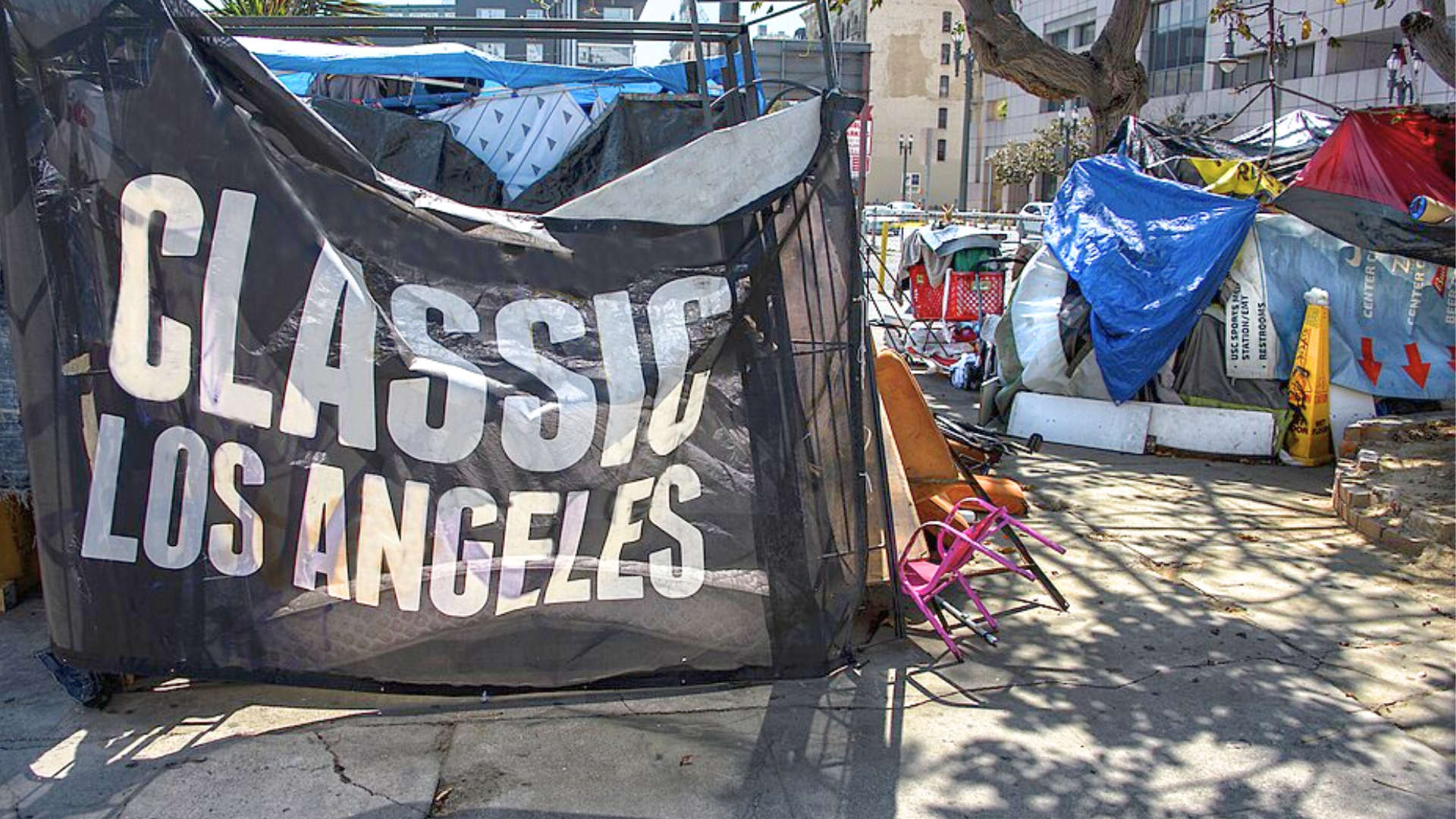
Pratt has repeatedly argued that Los Angeles does not primarily have a housing problem, but instead faces what he describes as a severe drug addiction crisis. On campaign platforms, podcasts, and interviews, he has claimed that fentanyl and methamphetamine abuse are major drivers of homelessness across the city. He has strongly criticized California’s “housing first” approach, which prioritizes placing unhoused individuals into stable housing before requiring treatment or sobriety. Pratt argues that addiction treatment and stricter enforcement must come before long-term housing solutions.
His Comments About Seattle Quickly Sparked Backlash

The controversy intensified after Pratt suggested that stronger enforcement in Los Angeles could push unhoused residents toward cities such as Seattle, which already faces its own homelessness challenges. Critics argued the comments sounded less like a solution and more like an attempt to shift the problem elsewhere rather than address its root causes. Housing advocates warned that homelessness is a regional and national issue that cannot simply be relocated from one city to another. The remarks quickly spread online and fueled heated political debate across social media platforms.
Pratt Supports Aggressive Enforcement Measures

Pratt has proposed far tougher enforcement policies than many current Los Angeles officials support. He has discussed arresting individuals involved in drug activity, increasing encampment sweeps, and expanding mandatory addiction and mental health treatment programs. During podcast appearances and campaign interviews, Pratt argued that stricter law enforcement would rapidly reduce visible homelessness throughout the city. Critics, however, say many of his ideas could face legal, logistical, and constitutional challenges.
Experts Say the Crisis Is More Complicated
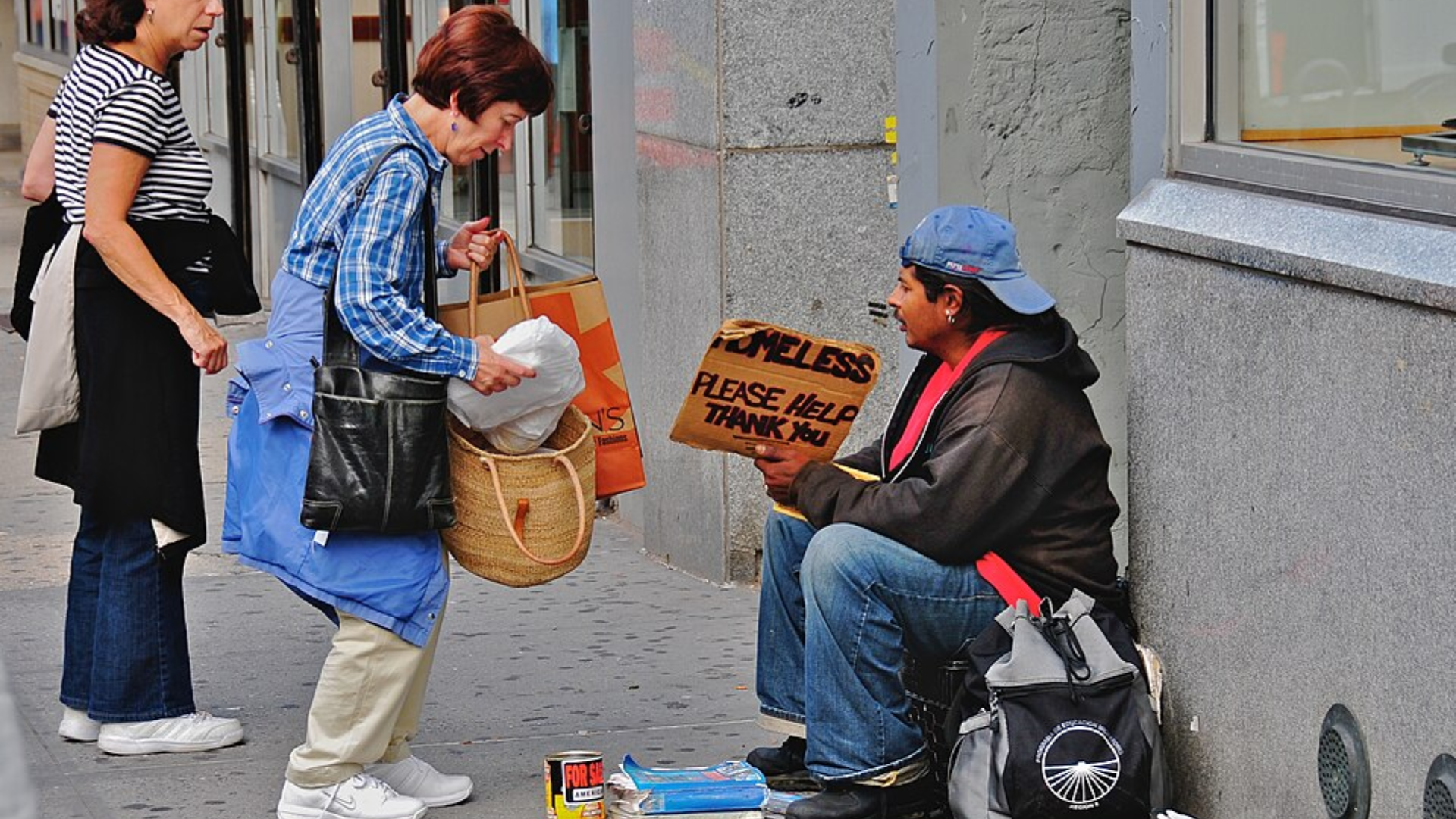
Homelessness experts and legal analysts say Los Angeles faces a far more complicated situation than campaign rhetoric often suggests. Specialists point to rising housing costs, mental illness, addiction, economic instability, and shortages of affordable housing as interconnected causes of homelessness. Many experts also note that forced treatment and aggressive policing approaches have historically produced mixed results when implemented in major cities. Critics argue that long-term solutions require substantial investments in housing, healthcare, addiction treatment, and social services simultaneously.
Seattle Is Facing Its Own Housing and Shelter Pressures

Seattle has spent years attempting to address homelessness through expanded shelter systems, tiny home villages, and supportive housing programs. City leaders recently approved larger temporary shelter villages as part of a broader effort to increase housing capacity and reduce street homelessness. Despite these efforts, Seattle continues to struggle with affordability problems, addiction concerns, and public frustration over encampments. Pratt’s comments therefore resonated strongly because Seattle is already viewed as one of the cities most affected by homelessness challenges in the United States.
Critics Say the Proposal Risks Deepening Divisions
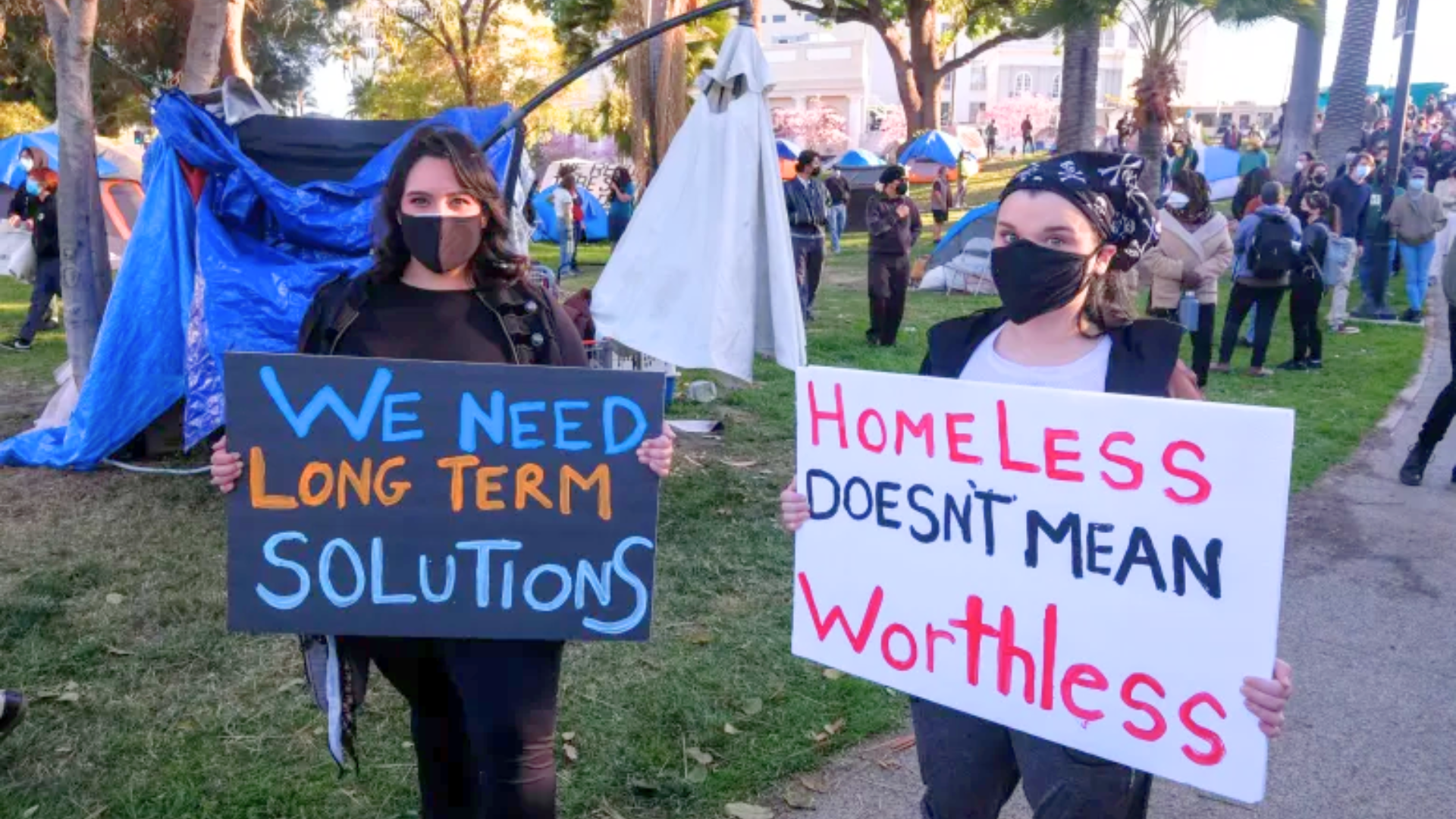
Advocates for unhoused residents say rhetoric about moving homeless populations between cities can deepen social tensions and stigmatize vulnerable individuals. Some critics accused Pratt of using inflammatory language and oversimplified messaging to energize frustrated voters. Others argued the comments reflect growing political polarization surrounding homelessness policy across many major American cities. Supporters of Pratt, however, say his blunt approach reflects the urgency many residents feel about deteriorating street conditions and public safety concerns.
The Debate Reflects Broader National Frustration
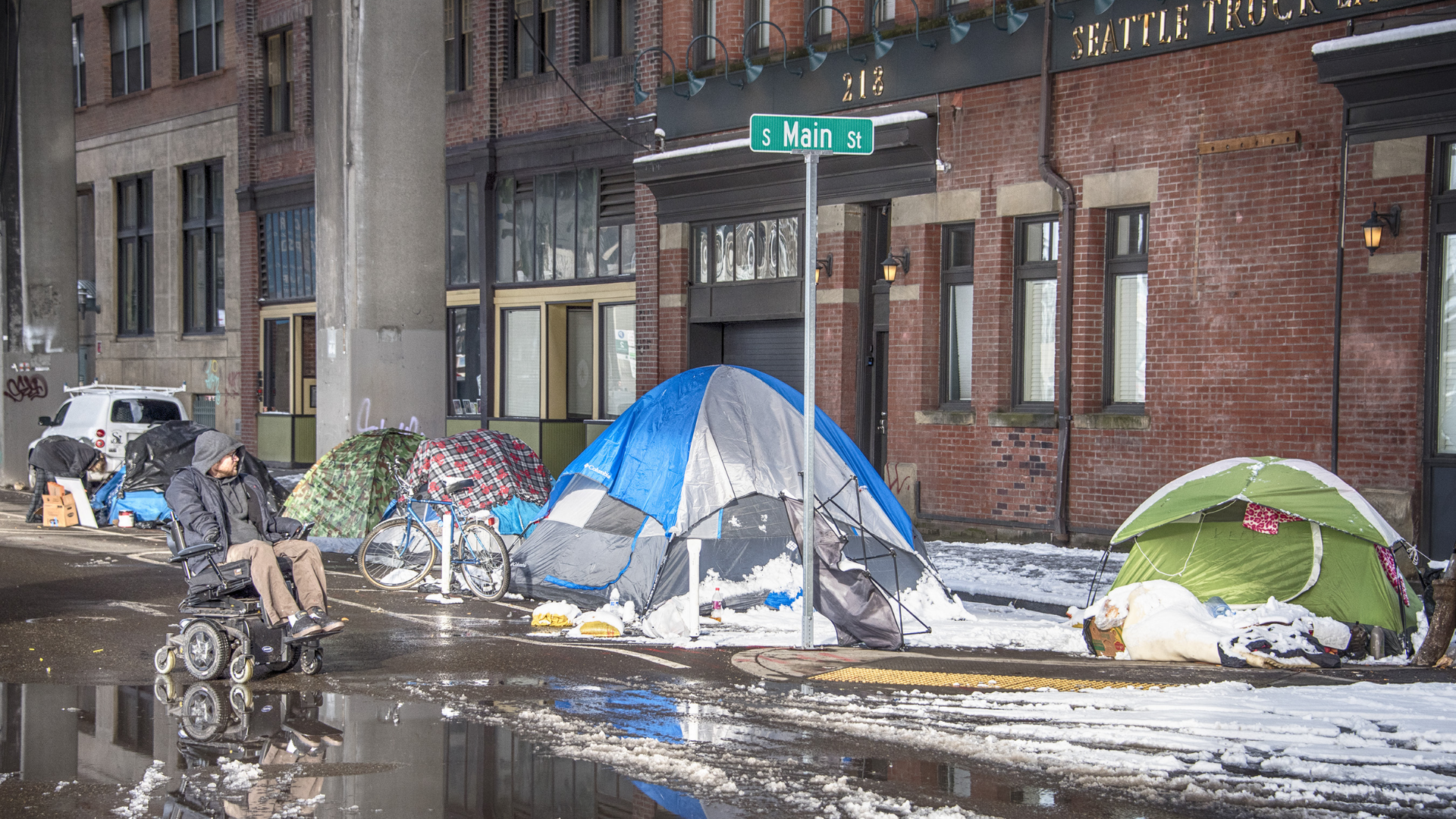
The controversy surrounding Pratt’s remarks highlights broader national frustration over how cities are handling homelessness, addiction, and public safety concerns. Across the United States, political leaders continue debating whether enforcement-focused policies or housing-centered approaches are more effective. West Coast cities in particular have faced increasing scrutiny as homelessness numbers remain highly visible in urban centers. Pratt’s campaign has become one of the most high-profile examples of how homelessness policy is reshaping local political debates.
Pratt’s Comments Intensify an Already Heated Debate

Spencer Pratt’s comments about homelessness and cities like Seattle have added another explosive chapter to the increasingly contentious Los Angeles mayoral race. His proposals for tougher enforcement, mandatory treatment, and aggressive encampment policies have resonated with some frustrated voters while alarming critics who warn the ideas oversimplify a deeply rooted crisis. The backlash also reflects growing tensions nationwide over how cities should respond to homelessness, addiction, and public safety concerns. As the campaign continues, Pratt’s controversial remarks are likely to remain central to broader debates about homelessness policy throughout the United States.