Southwest Scraps Open Seating and Changes Plus-Size Policy, Forcing Some to Pay More
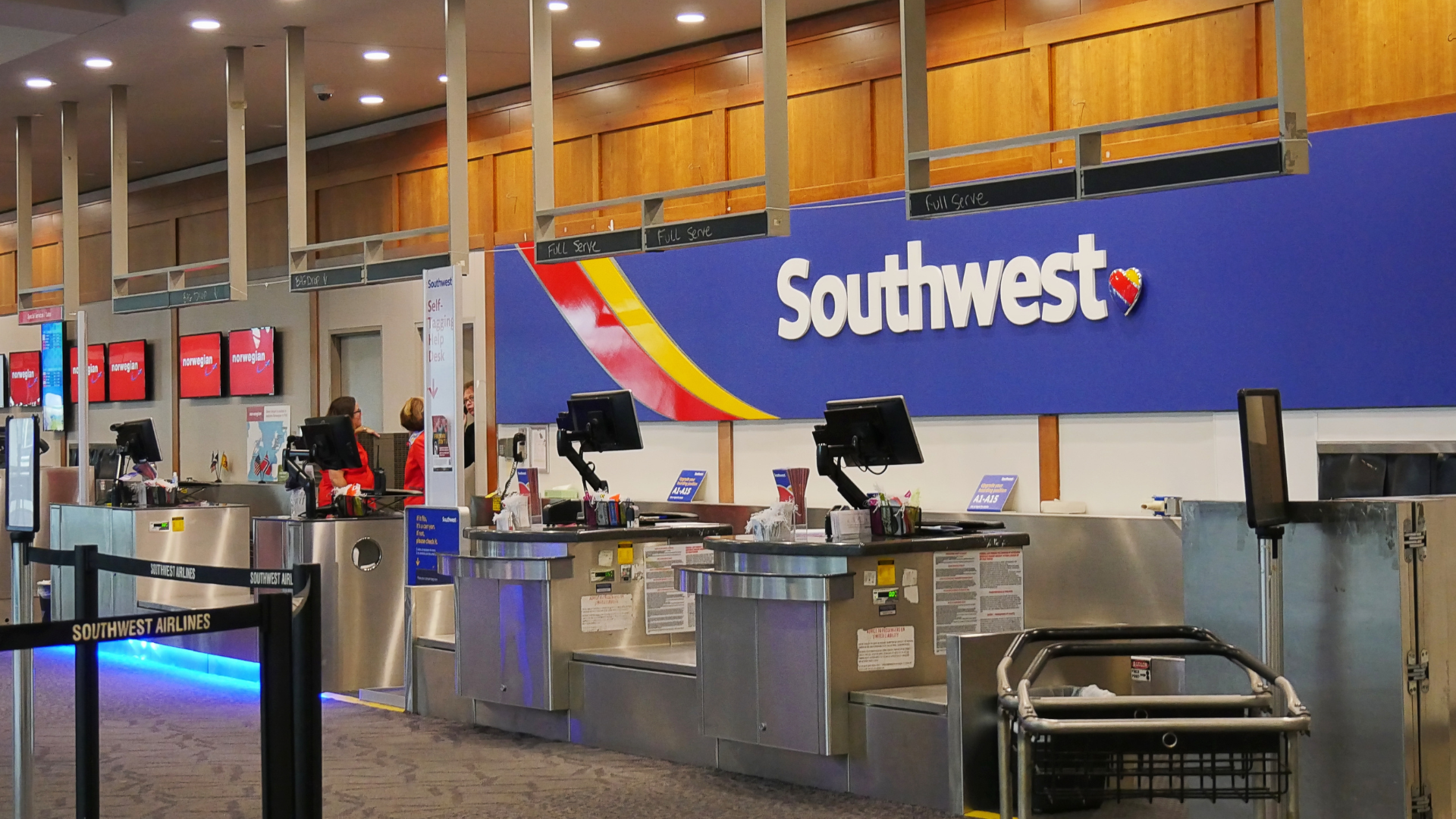

For decades, Southwest Airlines built its brand on doing the opposite of everyone else. No assigned seats. No awkward upgrades. No forcing passengers to pay extra just to sit comfortably. That era is now officially over. This week, Southwest quietly flipped two of its most defining policies, ending open seating and rewriting how plus-size passengers are treated. The changes mean higher costs for some travelers and a boarding experience that now looks far more like the airlines Southwest once mocked. Company executives call it “modernization.” Loyal flyers call it betrayal. What is clear is that Southwest has crossed a line it spent decades promising it never would. And once an airline gives up its identity, getting it back is far harder than selling a seat.
The End of Open Seating After Decades
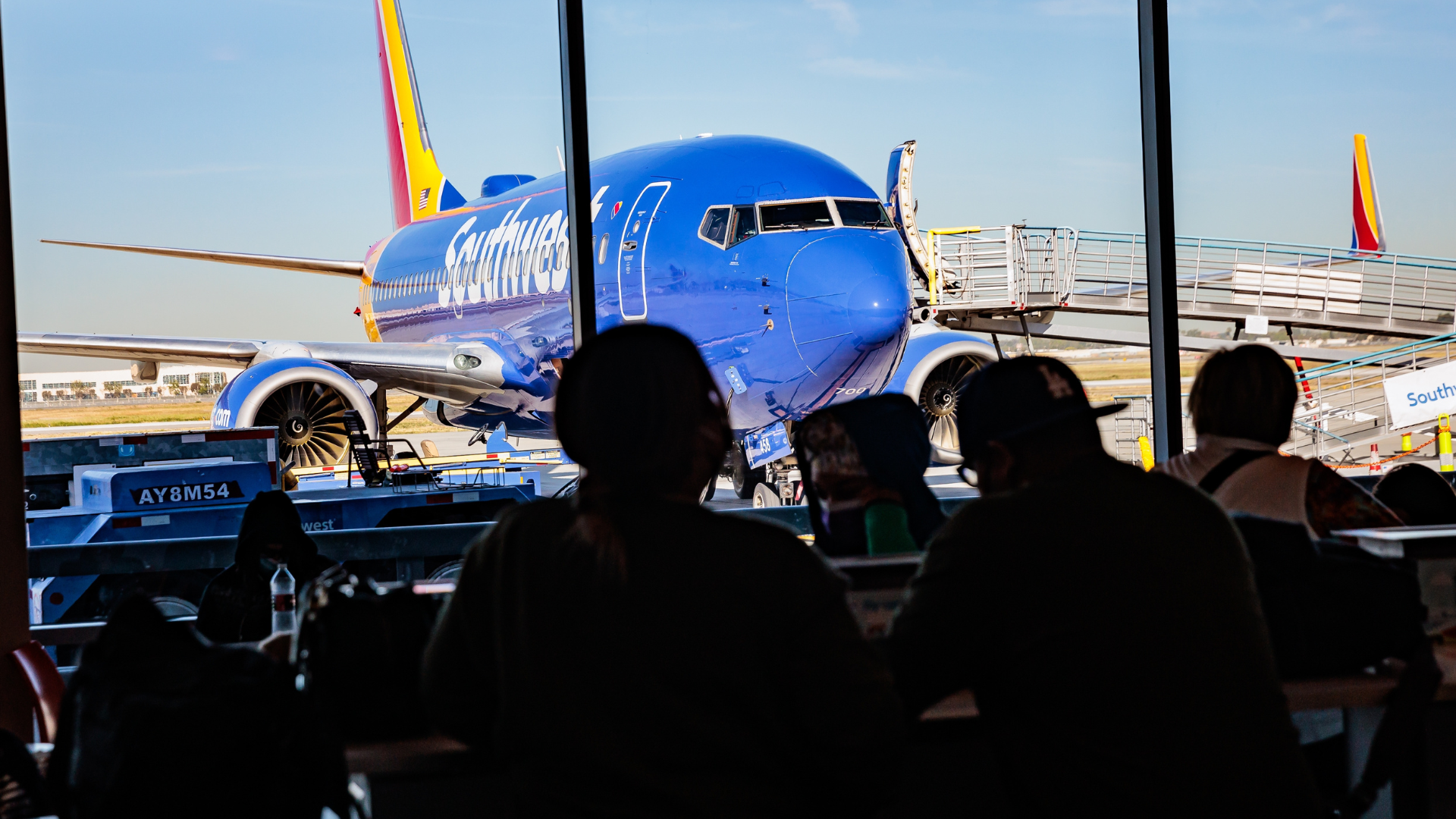
For years, Southwest proudly resisted assigned seating while competitors monetized seat selection. The open-seating model, paired with A, B, and C boarding groups, became part of the airline’s culture. Passengers lined up early, boarded quickly, and chose their own seats. Now that system is gone. Southwest says customers increasingly want certainty and control, especially families and business travelers. Executive Tony Roach said assigned seating removes the anxiety of not knowing where you’ll sit. The airline believes the old model no longer fits modern expectations. Critics counter that Southwest just surrendered to industry pressure and revenue temptation.
A New Boarding System Takes Over
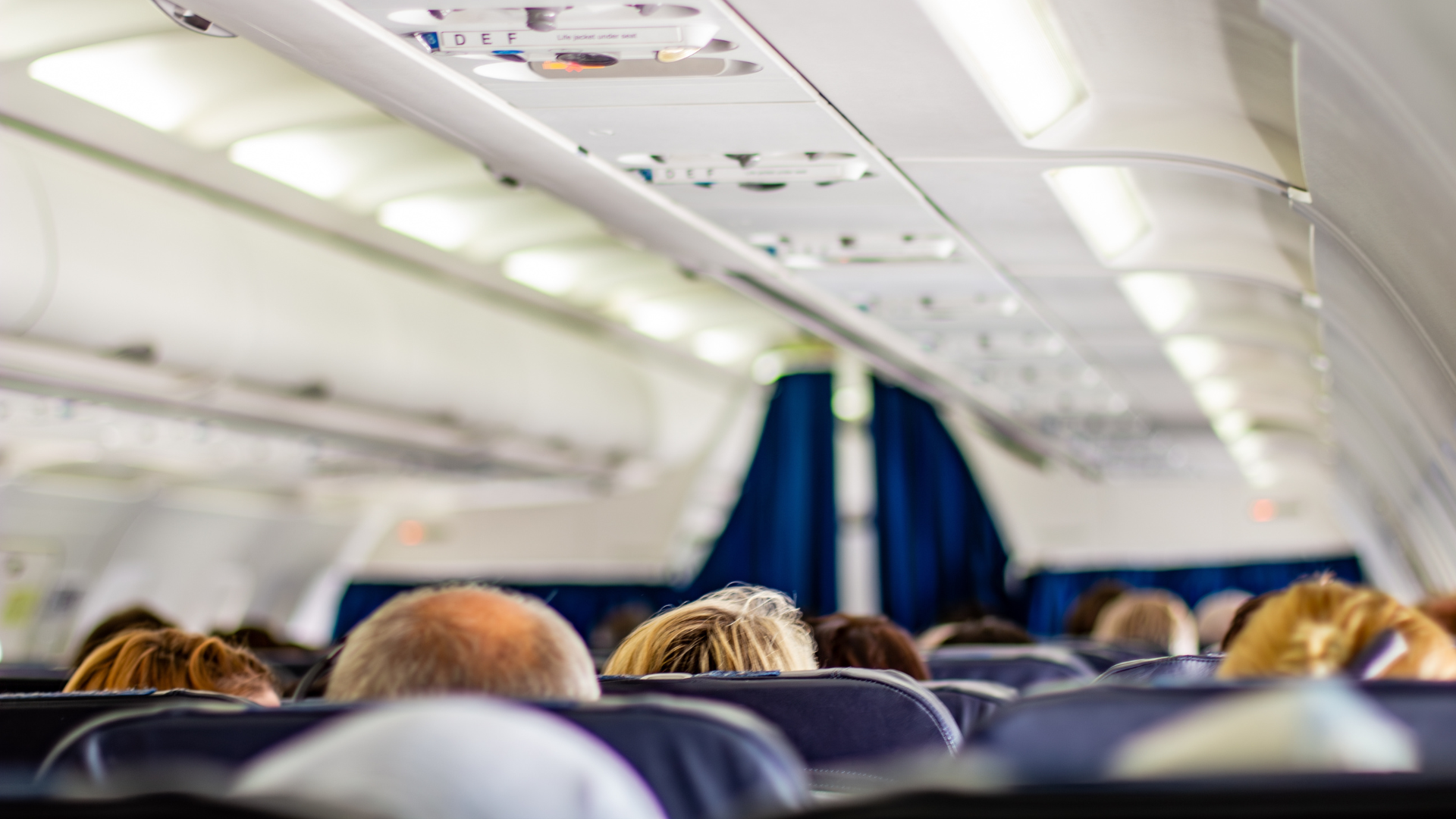
The familiar A1 through C60 boarding cards are being replaced with Groups 1 through 8. Instead of racing for a good seat, passengers will board knowing exactly where they are sitting. Southwest now offers three seat categories: Standard, Preferred, and Extra Legroom. Extra Legroom seats can offer up to five additional inches of space. This change transforms the boarding experience from a first-come strategy into a pay-to-upgrade system. For travelers who loved Southwest’s simplicity, the new structure feels like a fundamental rewrite of the rules.
Premium Seats Come With Premium Prices
The shift to assigned seating is not just about convenience. It is about revenue. Southwest admits the move unlocks “new opportunities” to sell premium seats. Extra Legroom and Preferred seats will cost more, pushing Southwest closer to legacy airline pricing models. For years, Southwest advertised itself as different. No seat fees. No hidden upgrades. Now, customers who want more space or better placement will pay for it. The airline insists base fares will remain competitive. Skeptics say the low-fare promise is quietly eroding, one add-on at a time.
Plus-Size Policy Marks a Major Reversal
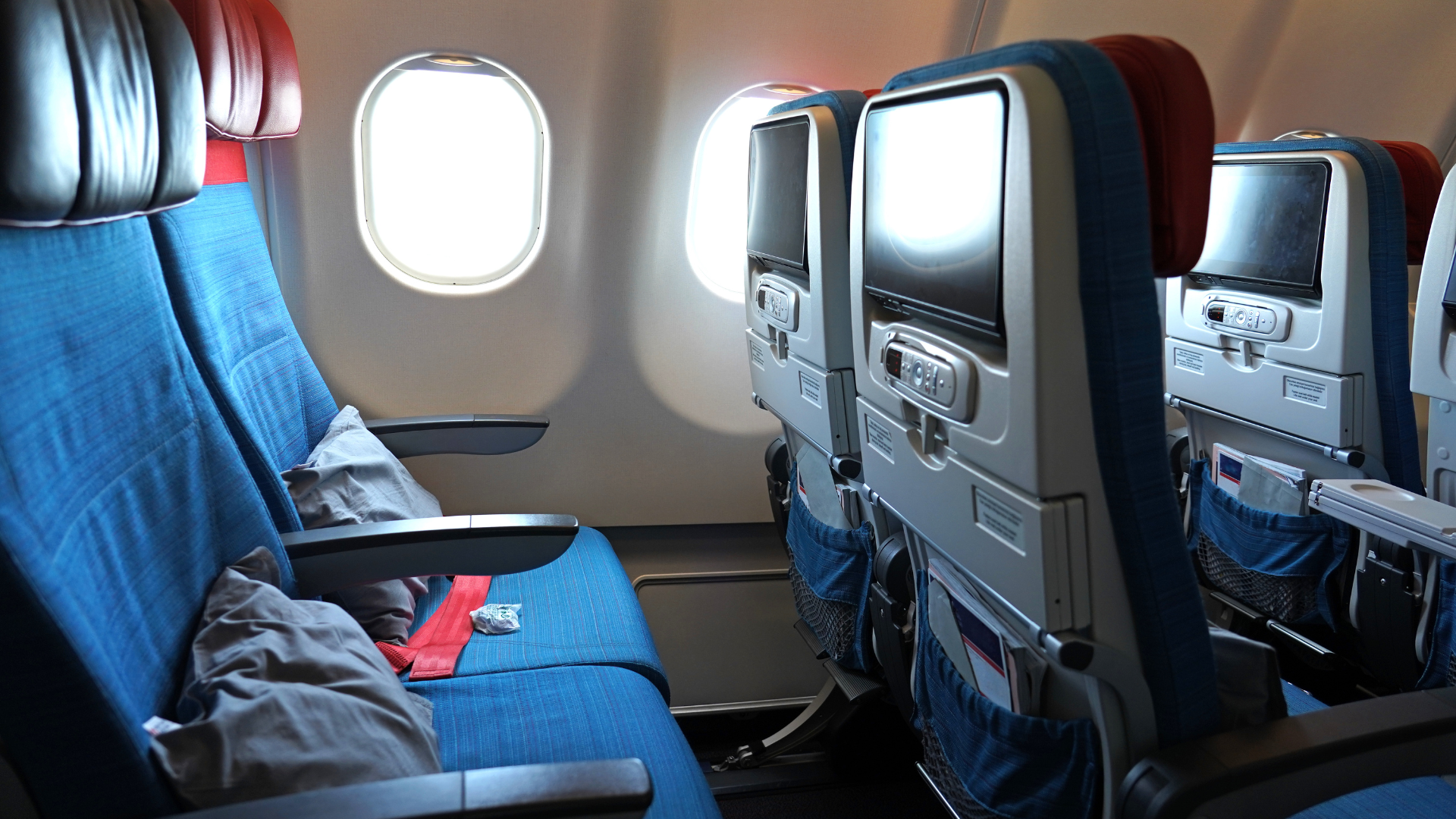
The most controversial change affects “customers of size.” Under the new policy, passengers who cannot fit between armrests must purchase the necessary number of seats in advance. This replaces a system many travelers relied on. Previously, plus-size passengers could buy a second seat and often receive a refund later, or request a free extra seat at the airport if space allowed. That flexibility is now gone. Critics argue the change effectively raises prices for certain passengers while adding stress and uncertainty to the booking process.
Refunds Are No Longer Guaranteed

Under the old policy, refunds for extra seats were relatively straightforward. Under the new rules, refunds are conditional. Passengers must purchase the additional seat during booking to guarantee space. They can only receive a refund if their fare class is not full. The refund must also be requested within 90 days of travel. If a plus-size passenger does not reserve an extra seat and one is needed, Southwest will only provide a complimentary seat if space is available. If the flight is full, the passenger may be rebooked or even required to deplane.
Critics Say This Punishes Passengers
Advocates for plus-size travelers argue the policy shift feels punitive. They say requiring upfront payment creates financial barriers and public embarrassment. The possibility of being removed from a flight after boarding has raised alarms online. Supporters of the change argue the policy clarifies expectations and avoids last-minute disruptions. Southwest says the goal is fairness and safety for all passengers. The backlash suggests many see it as a cost-cutting measure dressed up as policy clarity.
Why Southwest Says It Had No Choice
Southwest executives point to changing customer behavior and competitive pressure. Assigned seating and premium upgrades generate billions across the airline industry. With rising costs and investor demands, Southwest says it must evolve to remain profitable. The airline believes most customers already expect assigned seats and are willing to pay for comfort. Ending open seating and tightening plus-size policies align Southwest with industry norms. The risk is alienating loyal customers who chose Southwest precisely because it rejected those norms.
Loyal Flyers Feel Betrayed
Reaction from longtime Southwest customers has been fierce. Many say the airline has lost what made it special. Open seating rewarded flexibility and early planning. The previous plus-size policy was seen as humane and discreet. Now, critics argue, Southwest feels indistinguishable from its competitors, just without first class. The airline insists its culture remains intact. For many passengers, the changes feel less like evolution and more like abandonment.
A New Era With Uncertain Consequences
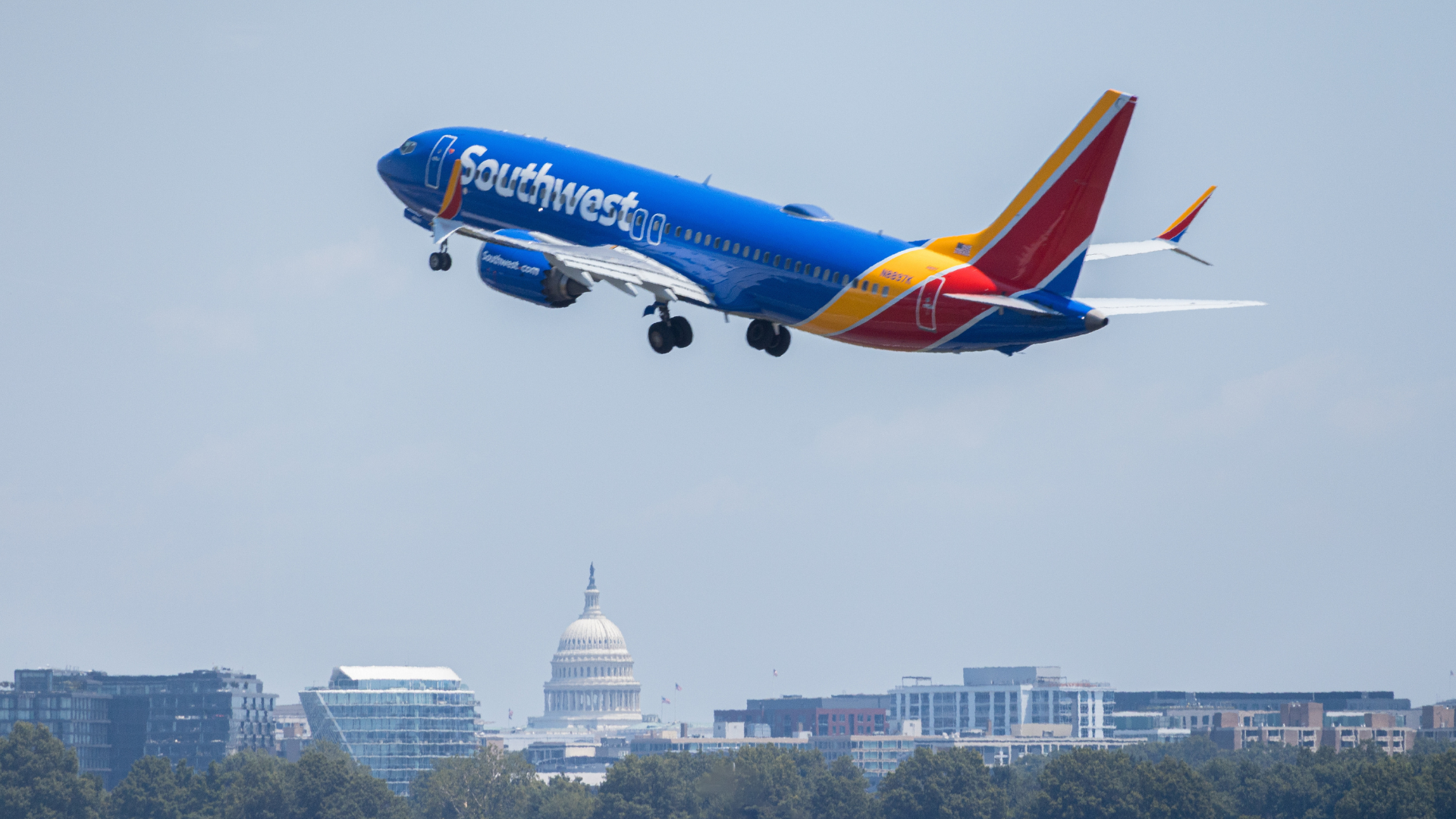
Southwest’s gamble is clear. More structure. More upgrades. More revenue opportunities. But also more complexity and higher costs for some travelers. Ending open seating and revising the plus-size policy reshapes the airline’s relationship with its customers. Whether this move strengthens Southwest or erodes its loyal base will become clear over the next year. One thing is certain. The airline that once bragged about being different just crossed a line it spent decades defending.