Southwest Cities Are Racing to Conserve Water While a Key Colorado River Reservoir Shrinks
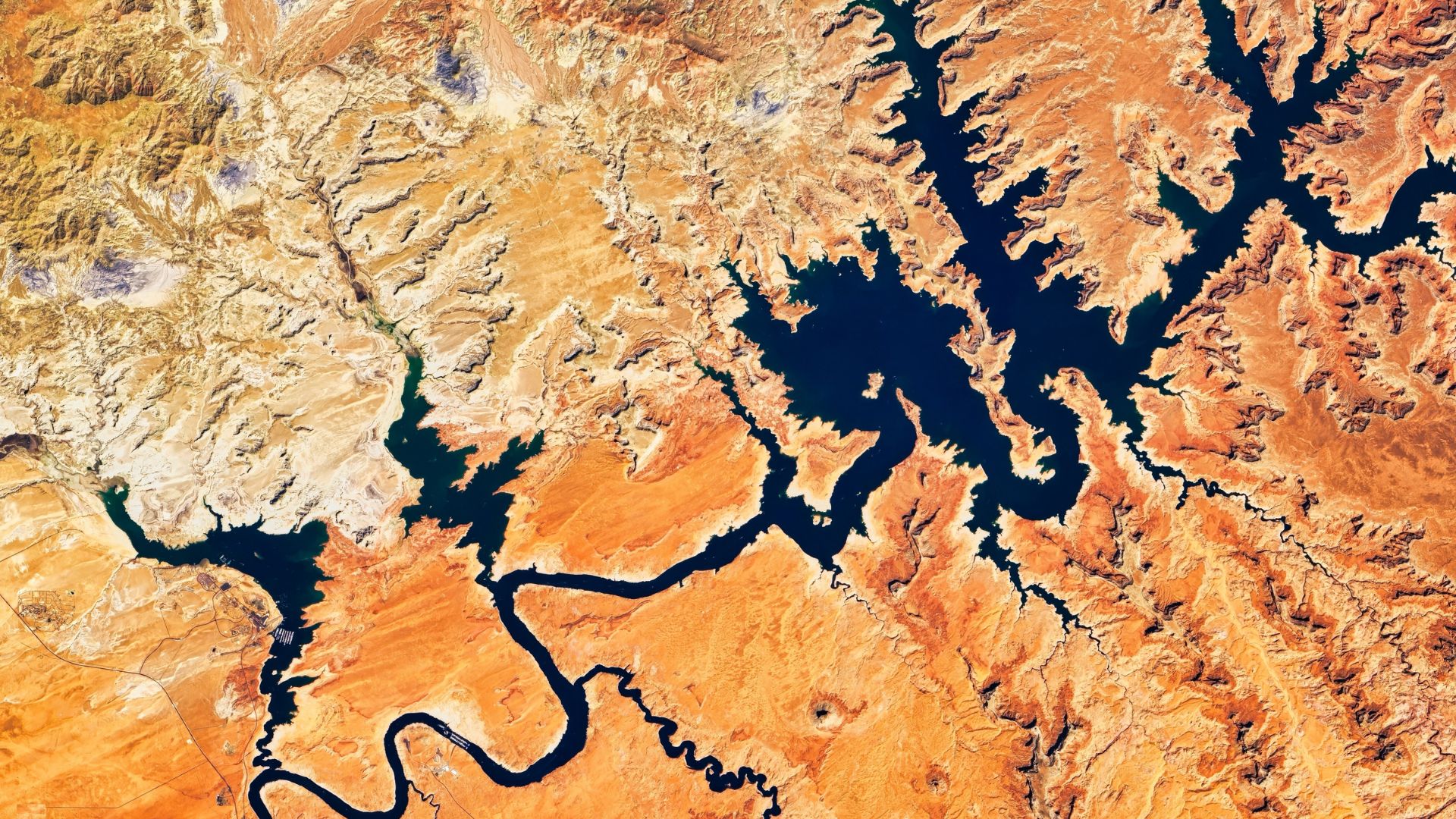

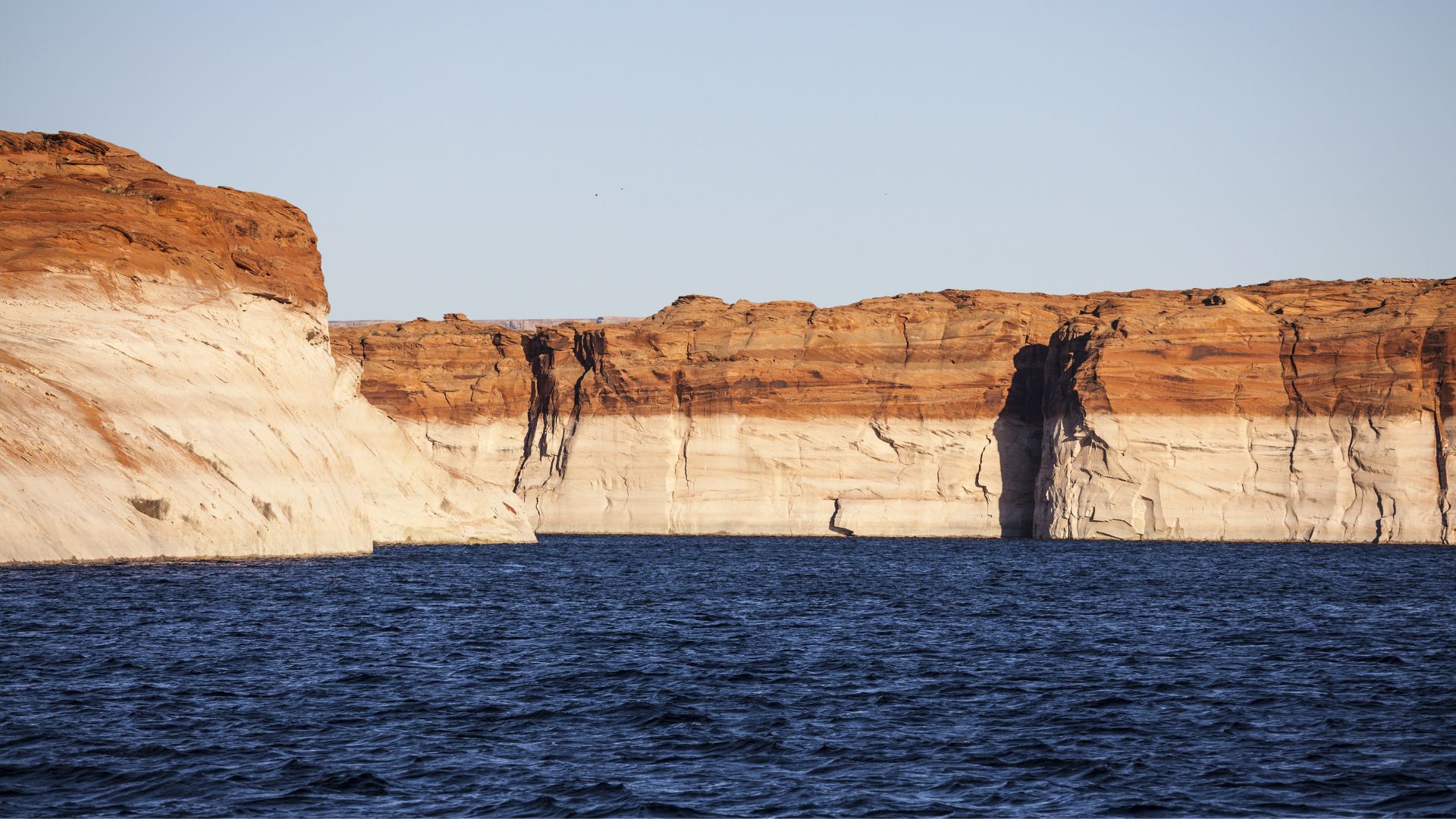
Arizona, California, New Mexico and Utah have built decades of growth around one steady source, the Colorado River. That’s no longer a safe bet. Lake Powell, the river’s second-largest reservoir, was only 23.4% full on July 19, the lowest mark for late July since it last topped out in 1983. Water bills could climb for millions of residents, though experts say drinking water itself remains secure for now.
Rather than wait on a fix from Washington or the six other states that share the river, cities in the region are acting on their own. Some are recycling wastewater or pulling drinking water from the ocean. Others are rethinking what a lawn should look like. None of it solves the underlying shortage alone, but local leaders say it buys time while state and federal negotiators remain stuck.
“Cities have the responsibility to ensure reliable, safe tap water supplies,” said Kathryn Sorensen, research director for Arizona State University’s Kyl Center for Water Policy. She said municipalities have stepped up where state and federal action has stalled, though she noted the biggest water user on the river, agriculture, will eventually have to join the effort for any real fix to take hold.
Lake Powell Is Approaching a Threshold It Has Never Crossed
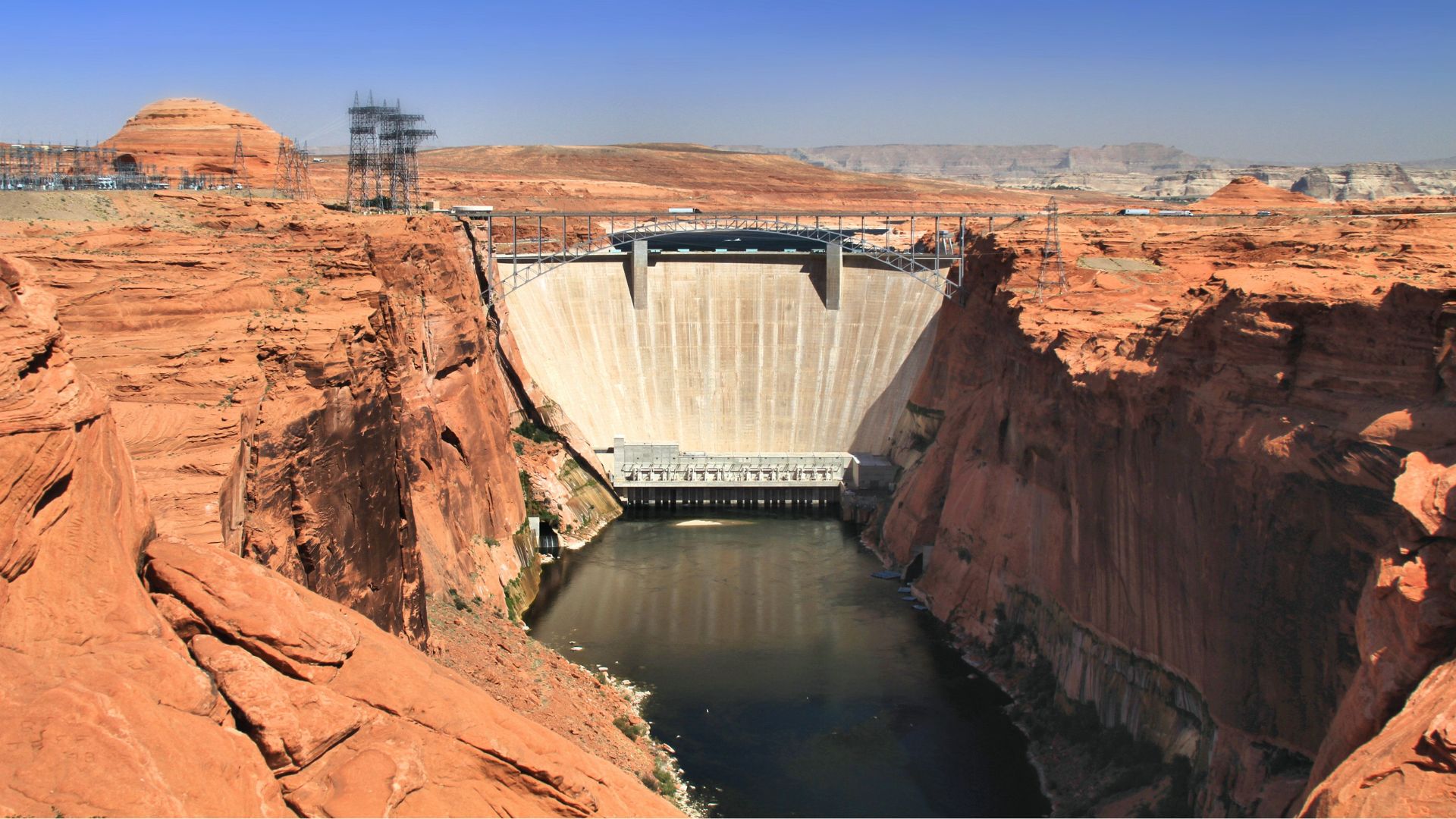
If Lake Powell keeps falling, it could eventually stop generating power altogether. The reservoir needs to stay above 3,490 feet for its turbines to spin, and it sat at 3,522.78 feet this week, edging toward the record low of 3,519.92 feet set in April 2023. A further drop to 3,370 feet would trigger dead pool, the point at which Glen Canyon Dam can no longer release water downstream without pumps.
It started with a dry winter. Much of the West entered the season already in drought, and warmer-than-normal temperatures kept snow from piling up in the mountains that feed the river. Snowmelt normally supplies a large share of water across the region, in some states up to 75%, according to the U.S. Geological Survey. With less snowpack, less water reached the reservoirs come spring.
This isn’t just a Southwest problem. Glen Canyon Dam generates up to 1,320 megawatts of hydropower, enough to serve roughly 1 million homes, though output has slipped as water levels have fallen. California alone produces close to half of the nation’s vegetables and over three-quarters of its fruit and nut supply, much of it irrigated with Colorado River water, according to the state’s Food and Agriculture Department.
Cities Are Testing Every Tool They Have
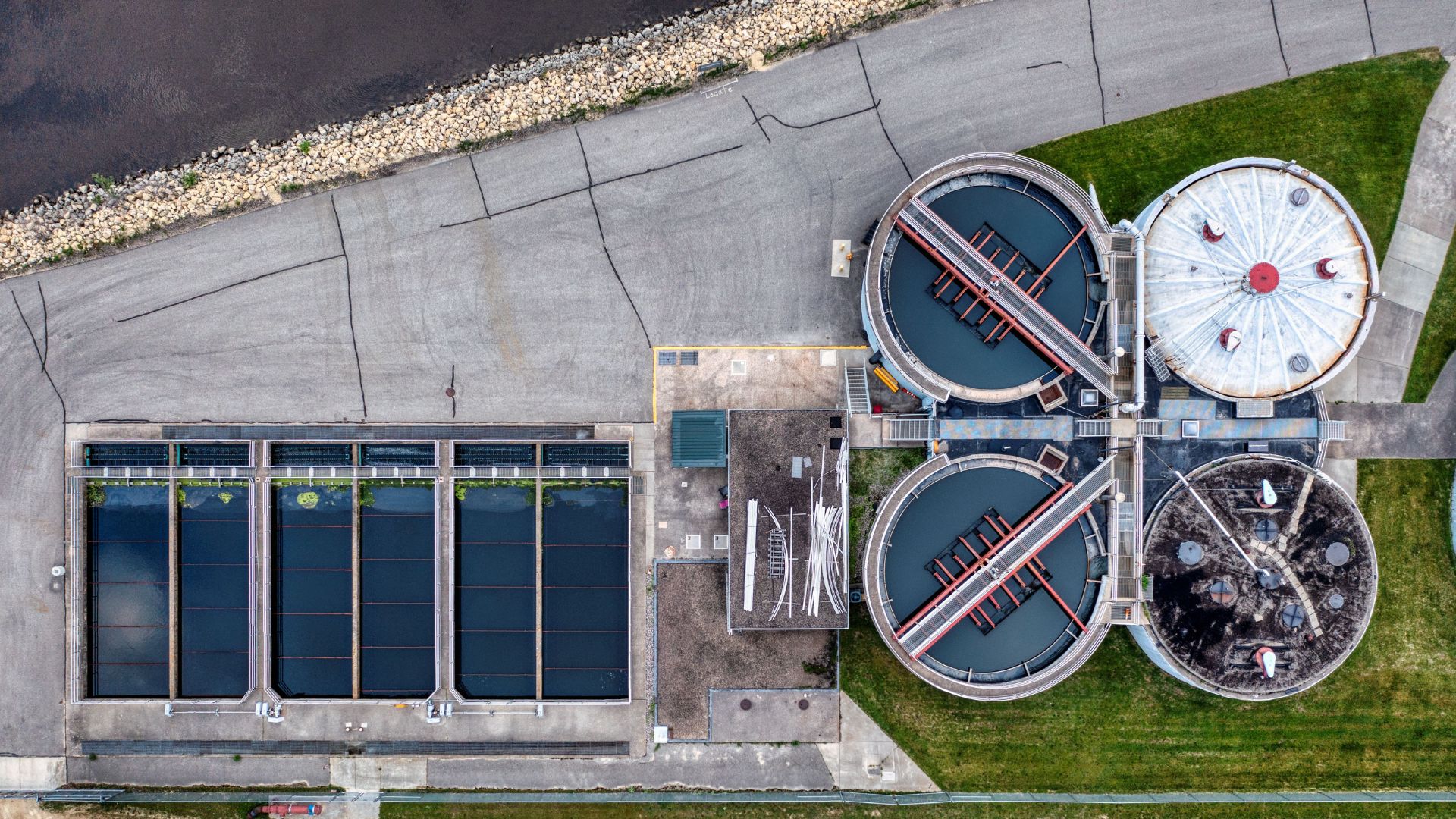
Some cities are creating water rather than just saving it. Phoenix has invested in three water purification facilities and serves 1.7 million water customers, receiving about 47.9 million gallons of water per year from the Colorado River. San Diego built the country’s largest ocean desalination plant, supplying up to 400,000 residents annually. The city receives about 97.8 million gallons from the river, said Meena Westford, who oversees imported water for the San Diego County Water Authority.
Other cities target demand. Tucson spent decades swapping lawns for desert landscaping, keeping water use flat despite population growth, said John Kmiec, director of Tucson Water. Albuquerque draws about 70% of its water from the river in drought years, encourages plant watering three days a week, and bans lawn watering between 11 a.m. and 7 p.m., halving daily use since the mid-1990s, said David Morris, a spokesperson from the Albuquerque Bernalillo County Water Utility Authority.
Money is moving too. On July 14, the federal government agreed to pay the Metropolitan Water District of Southern California up to $65 million to stop drawing water from the Colorado River. The district has also paid farmers to leave land unplanted to conserve water. Dave Owen, an associate dean for research at UC Law San Francisco, said there is likely enough water in the river if it’s used wisely.
Conservation Alone Won’t Solve the Shortage
Cities can only do so much. Agriculture accounts for an estimated 74% of direct human water use from the Colorado River, according to a study published in Nature Portfolio Journals. Sorensen said the shortage is too large for cities to fix alone, and that any lasting solution depends on agriculture joining the effort. Most of the water diverted from the Colorado River goes to farming, with about 20% designated for residential use.
California and the six other states that share the river have not reached a compromise on dividing shrinking supplies. Lower basin states have submitted their own allocation plan, but there is no consensus among the upper basin states, said Dave White, director of the Global Institute of Sustainability and Innovation at Arizona State University. If the states cannot agree, the Bureau of Reclamation may have to step in, said Patrick Reed, a Cornell University engineer.
Forecasters at NOAA’s Climate Prediction Center expect a wetter fall, with above-average precipitation favored across much of the West as an intensifying El Niño and active monsoon season move in. That could offer short-term relief, but not a solution. Julianne Quinn, an associate professor of systems engineering at the University of Virginia, said continuing to use water at the current pace means these reservoirs “are not going to be able to save us forever.”