Something Strange Is Happening on Jupiter, and Scientists Say It’s “Not Acting Like a Planet”
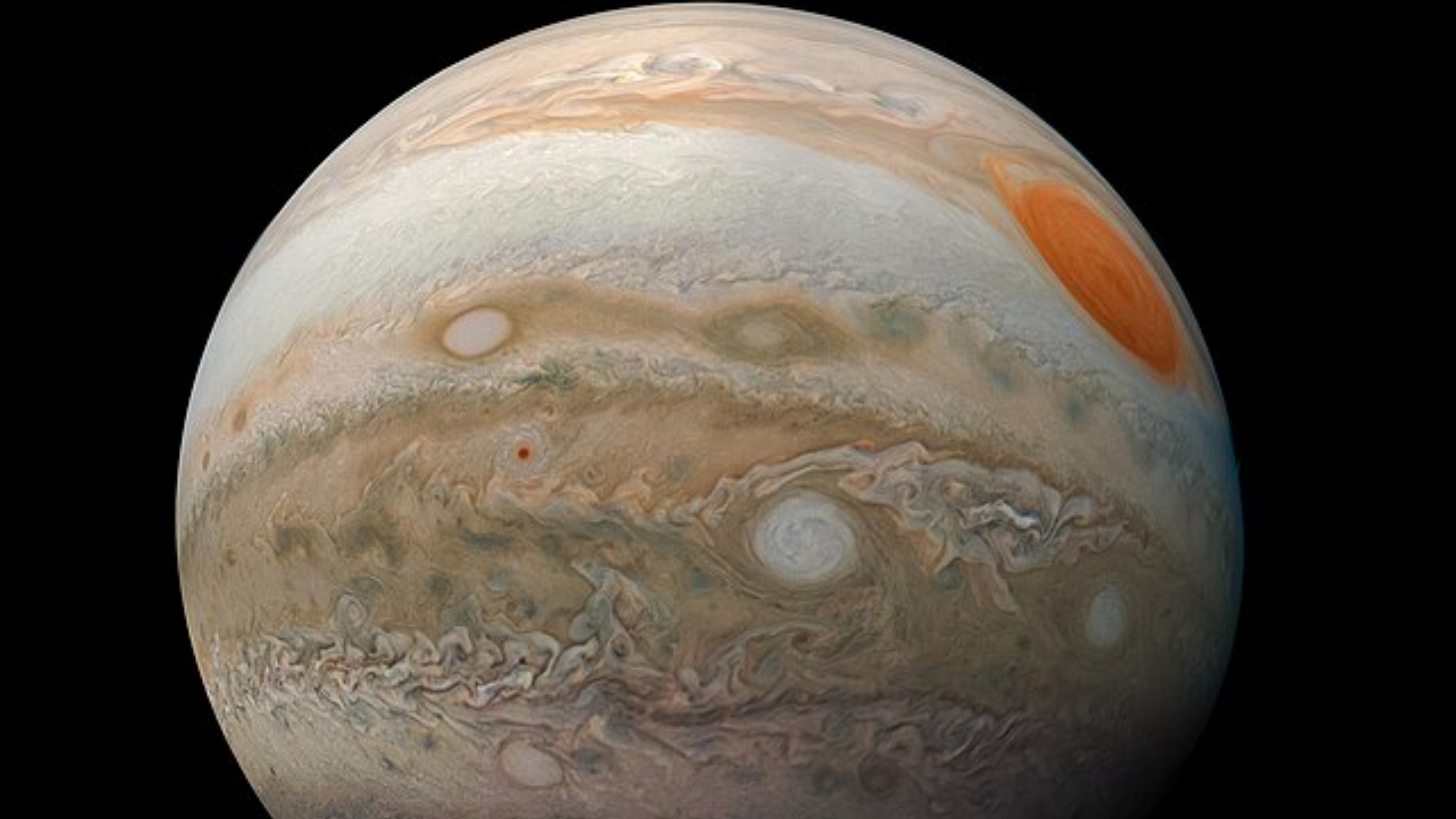

Scientists studying Jupiter are discovering unusual behavior in the giant planet’s atmosphere and magnetic environment that challenges long-held assumptions about how the world should behave compared with the traditional model of a gas giant. Data from NASA’s Juno spacecraft and observations from Earth-based telescopes have revealed patterns in atmospheric temperature, storm dynamics, and auroral activity that raise intriguing questions about Jupiter’s internal and external processes. These findings reveal that even our best planetary models may need updating as researchers peel back layer after layer of complexity on the largest planet in our solar system.
Unexpected Atmospheric Temperature Variations
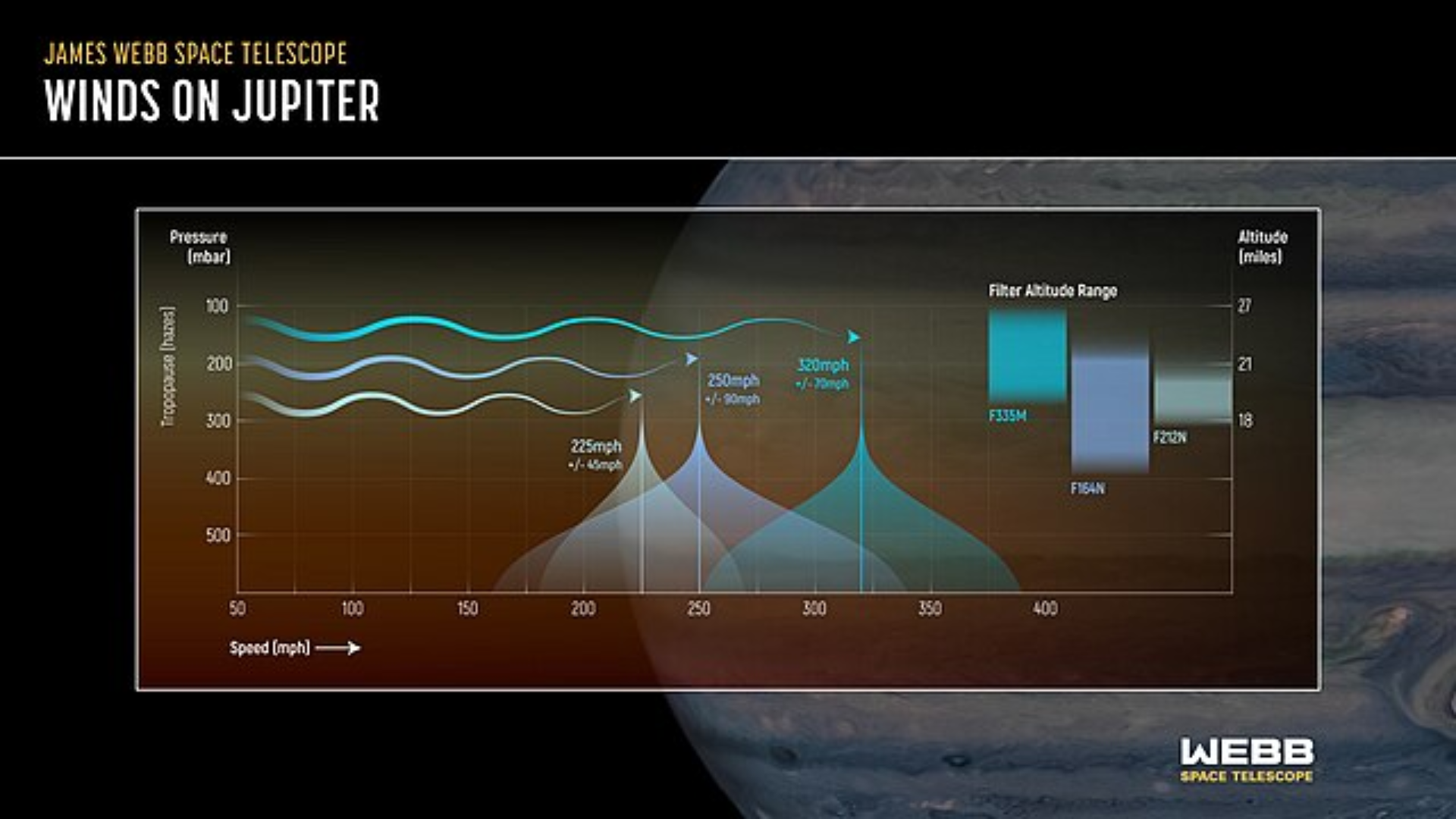
A study analyzing decades of infrared measurements found that Jupiter’s atmospheric temperatures fluctuate in a way that does not match simple seasonal expectations, even though the planet’s axis is only slightly tilted and should not create dramatic seasonal changes like Earth. These variations show almost mirror-like temperature changes between the northern and southern hemispheres over time, and scientists are working to understand the mechanisms that drive these unexpected thermal patterns.
Violent Storms and Deep Weather Dynamics
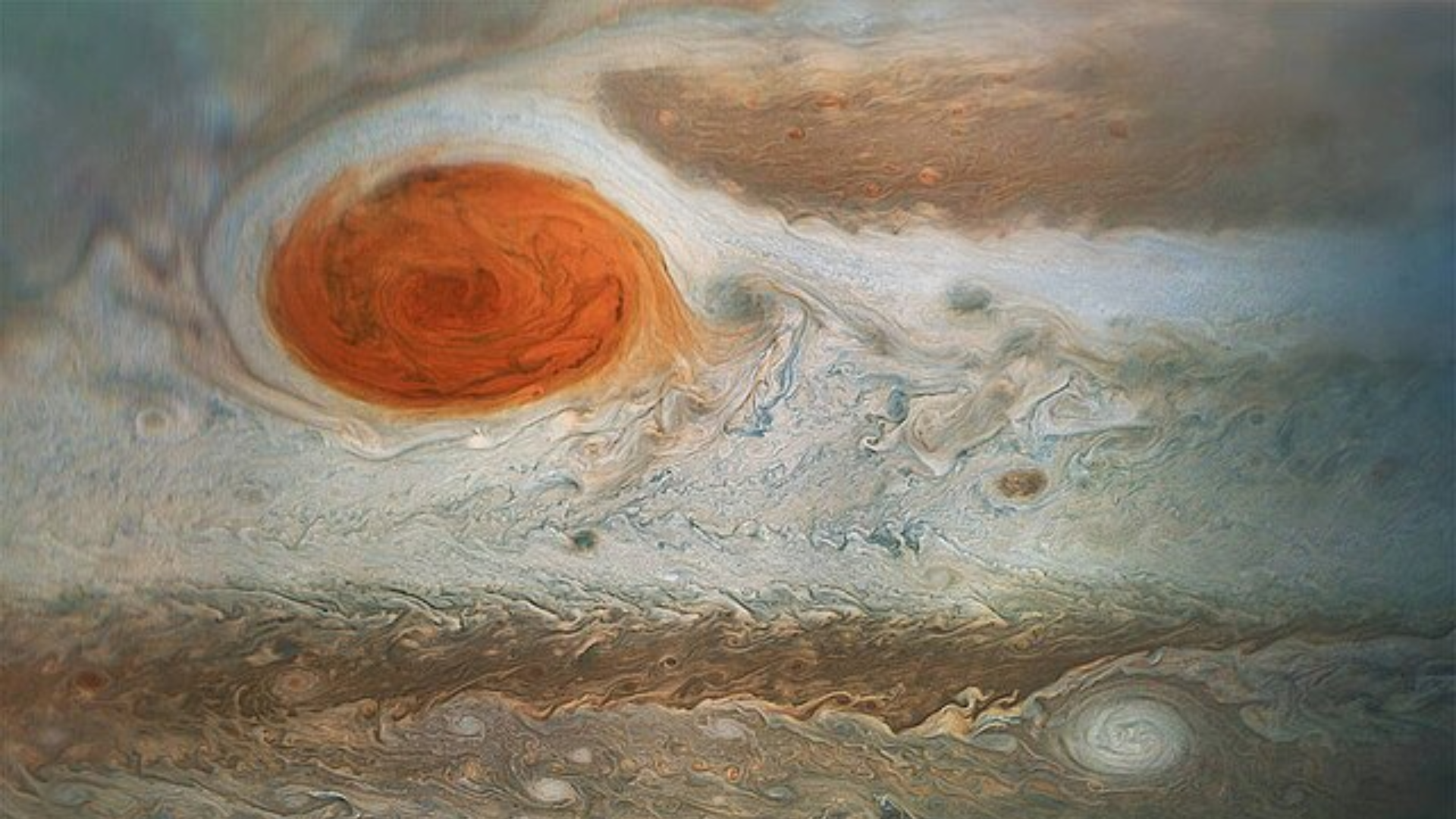
Jupiter is famous for its intense storms, but recent research suggests that atmospheric processes such as huge hail-like ammonia-water “mushballs” and deep storm updrafts are redistributing gases in ways that defy earlier expectations, dragging ammonia far below the visible cloud tops and altering the chemical balance of the atmosphere. This phenomenon helps explain why ammonia appears depleted in certain regions and shows how dynamic and surprising Jupiter’s weather systems truly are.
Magnetic Field Weirdness and Auroras

Jupiter has the strongest magnetic field of any planet in the solar system, and spacecraft observations have revealed plasma waves and auroral behaviors that do not conform to the patterns seen around Earth and other planets, with waves transitioning between known plasma modes under extreme magnetic conditions. These findings indicate that Jupiter’s magnetosphere is engaging in physics that researchers do not yet fully understand and could reshape models of magnetic field interactions on giant planets.
Complex Weather Systems and “Mushballs”
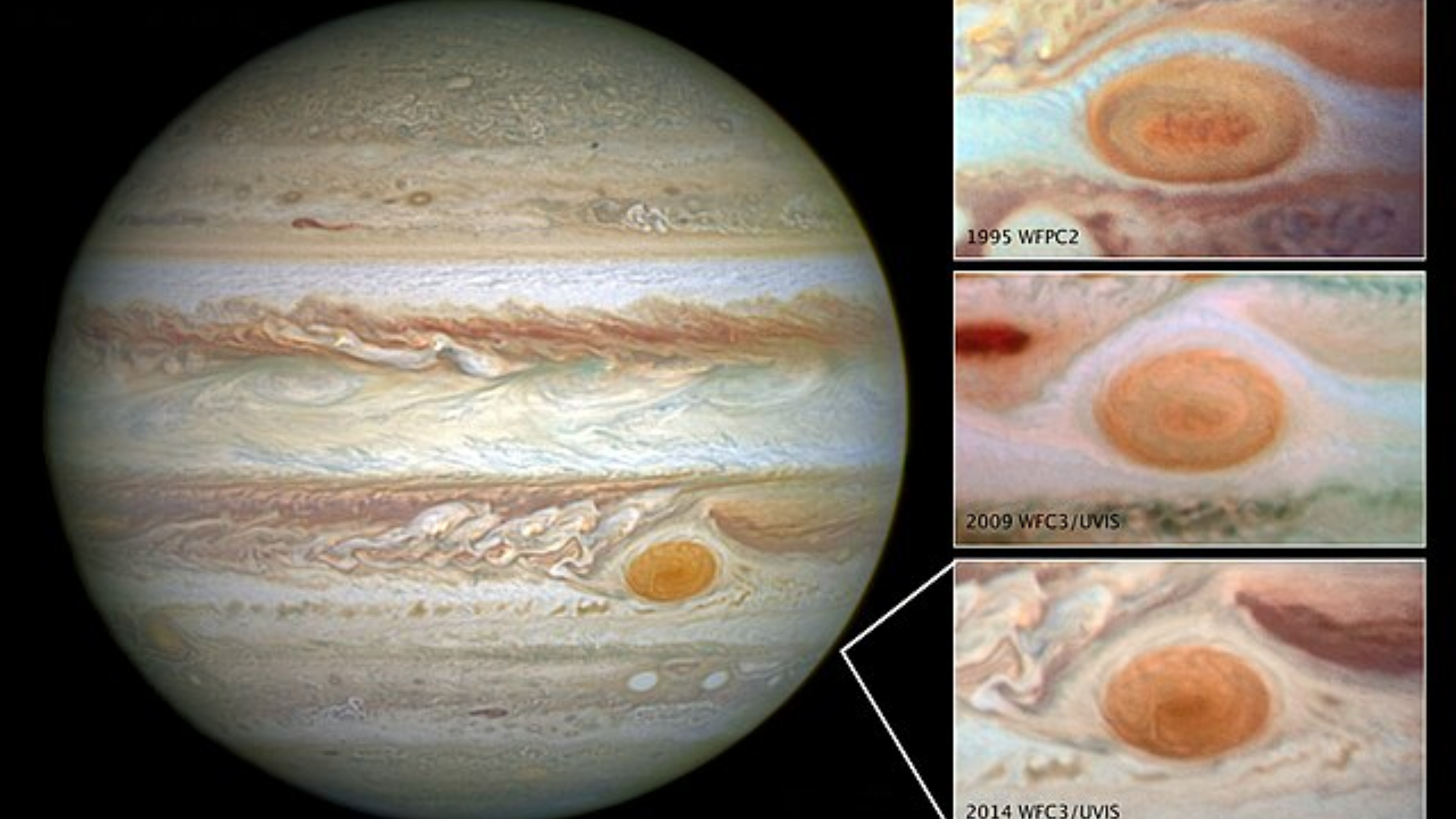
Scientists have observed that Jupiter’s thunderstorms may produce massive slushy hailstones composed of ammonia and water that rise and fall through the atmosphere, a process unlike anything seen on Earth. These mushballs appear to play a key role in moving gases and heat deep within the planet’s atmosphere, contributing to its nonuniform chemical distribution and challenging assumptions about how giant planet atmospheres should mix and circulate.
Cyclones Larger Than Continents
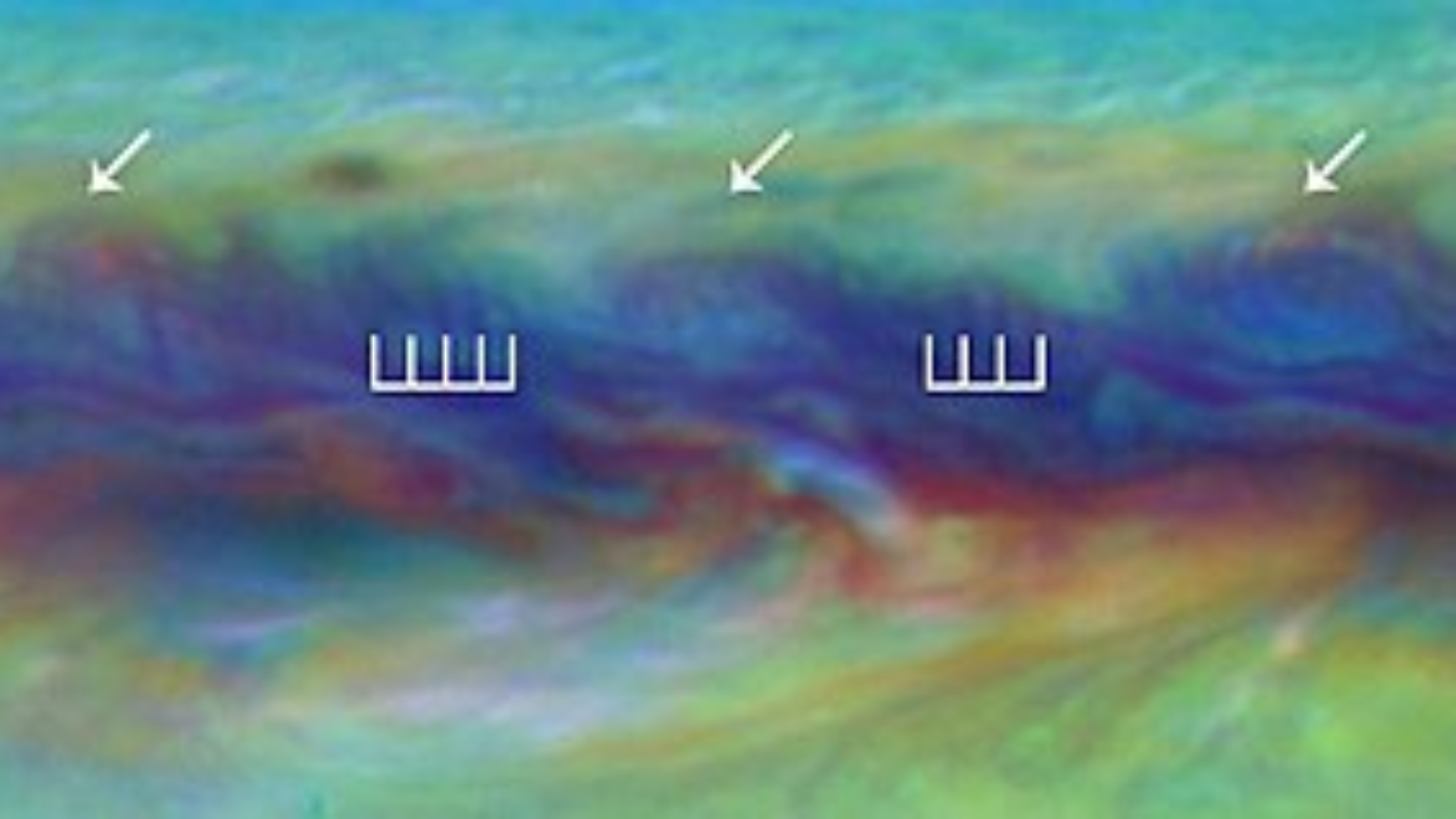
Juno’s close flybys have revealed clusters of massive cyclones at both of Jupiter’s poles that are large enough to dwarf entire continents and exhibit surprising stability despite their chaotic appearance. These swirling vortexes interact and persist in ways that defy simple atmospheric expectations, suggesting complex interactions between deep winds, heat flow, and Jupiter’s rapid rotation that scientists are still trying to decipher.
Rethinking Planetary Behavior
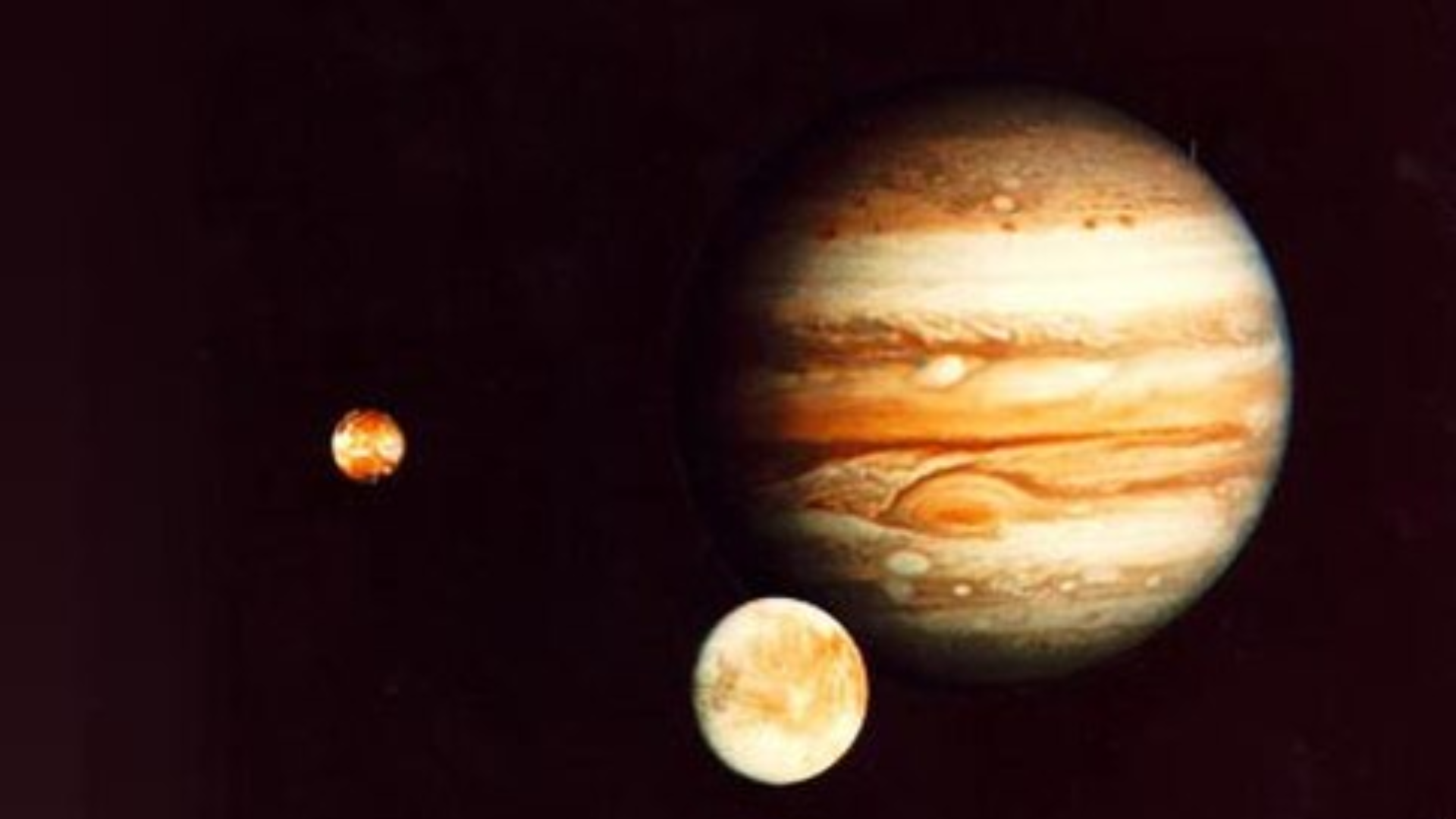
Collectively, these discoveries are prompting scientists to rethink what it means for a giant planet to “behave” like a planet, with Jupiter displaying atmospheric circulation, magnetic phenomena, and internal dynamics that blur the line between standard models and more exotic physics. Findings about temperature swings, gas distribution, and plasma behavior show that Jupiter is far more complex than a simple ball of gas, and ongoing data from missions like Juno continue to refine our understanding.
The Role of Juno in Decoding Jupiter
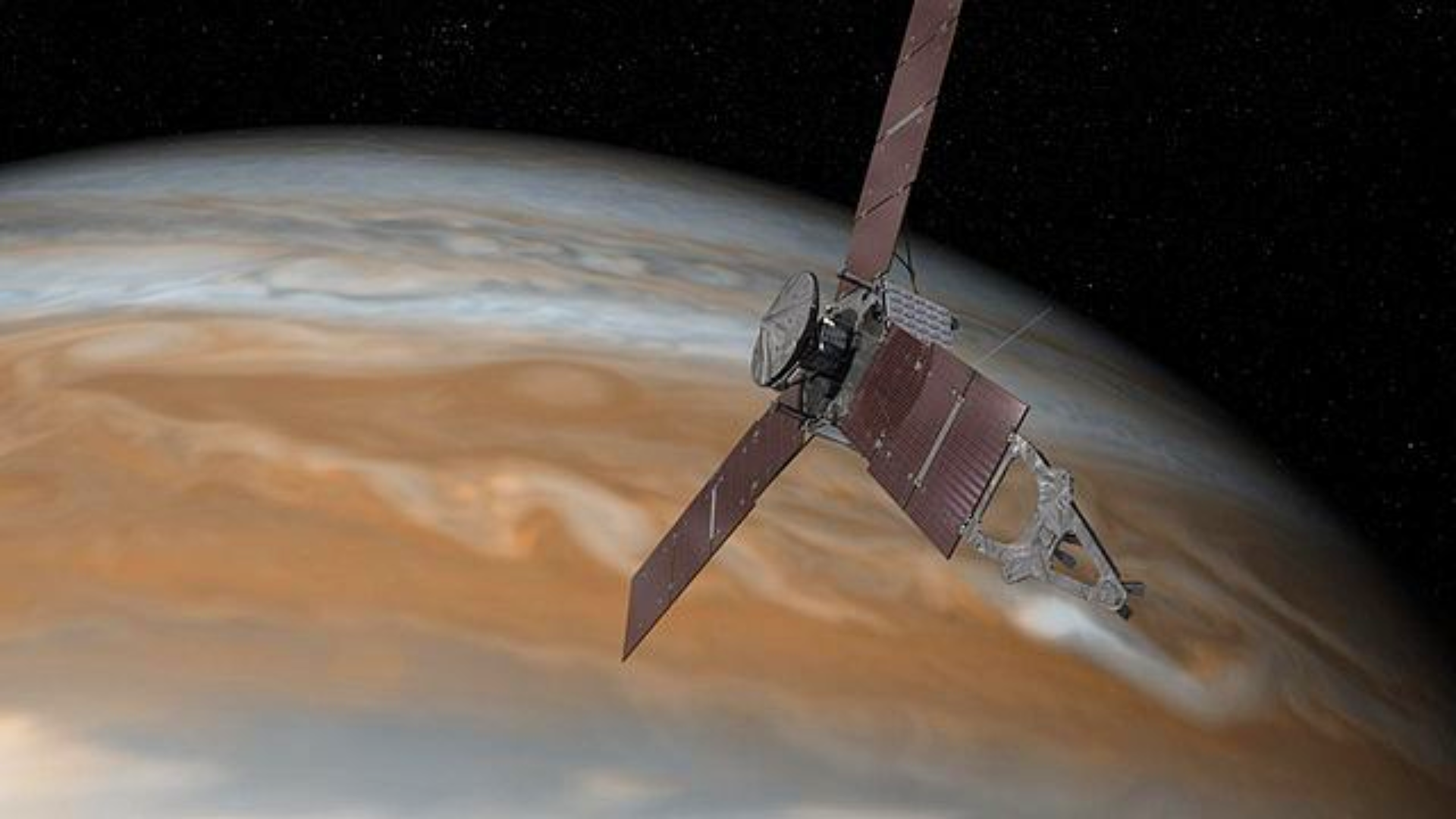
NASA’s Juno spacecraft, now many years into its mission, has revolutionized our understanding of Jupiter by providing detailed maps of its magnetic field, atmospheric composition, and weather dynamics through close passes over the planet’s poles and cloud tops. Juno’s instruments have helped reveal that Jupiter’s magnetic field is more irregular than expected and that its internal processes produce phenomena that are not fully explained by current planetary models, offering a clearer but still puzzling picture of this giant world.
What This Means for Planetary Science
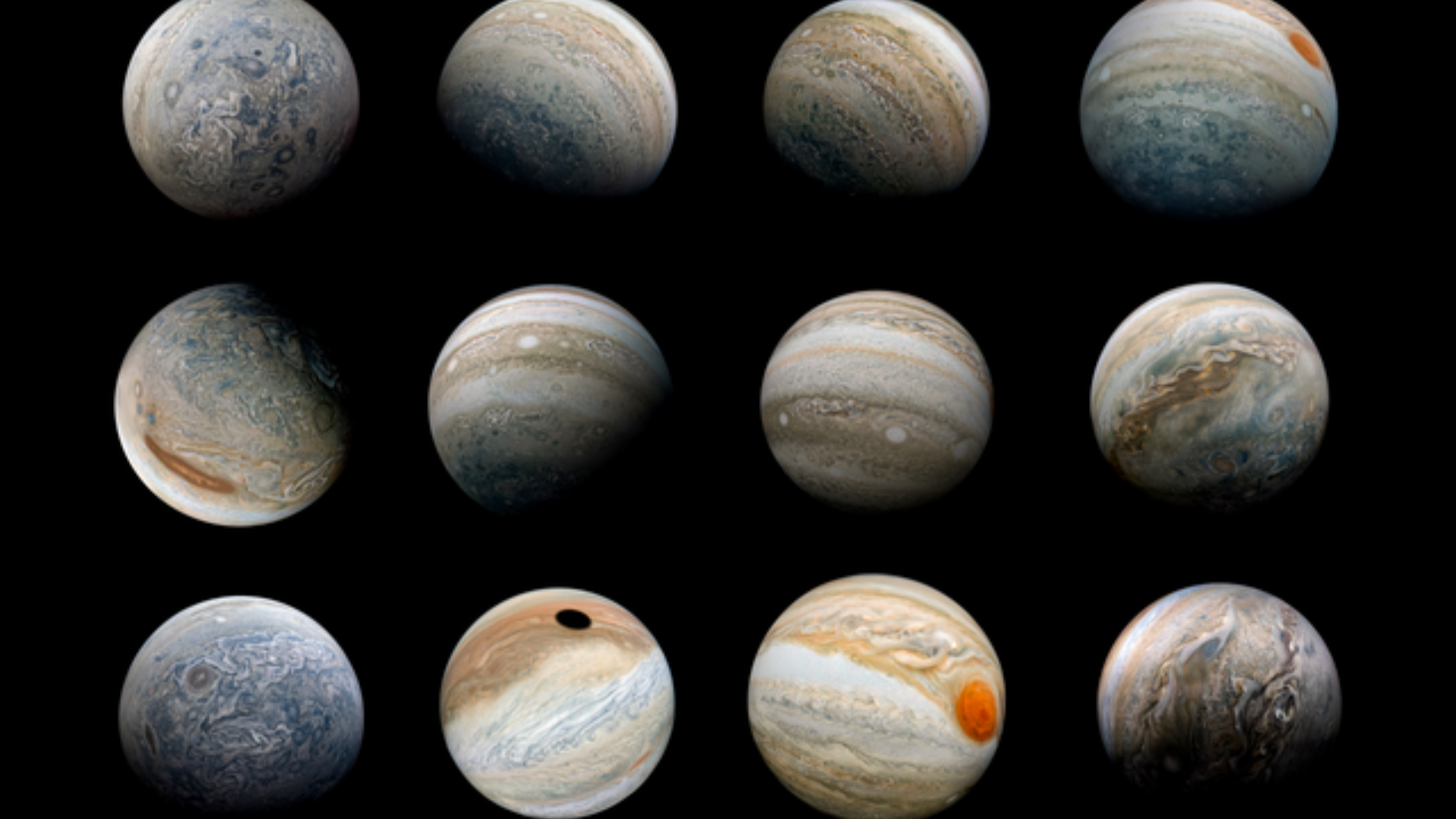
These strange behaviors on Jupiter push scientists to revise theories about how giant planets form and operate, with implications for understanding exoplanets in other star systems as well. As research continues, Jupiter’s surprising traits provide a valuable laboratory for testing ideas about atmospheric dynamics, magnetic fields, and planetary evolution that could reshape how astronomers define what planets should look like and how they should behave.
What is Happening on Jupiter
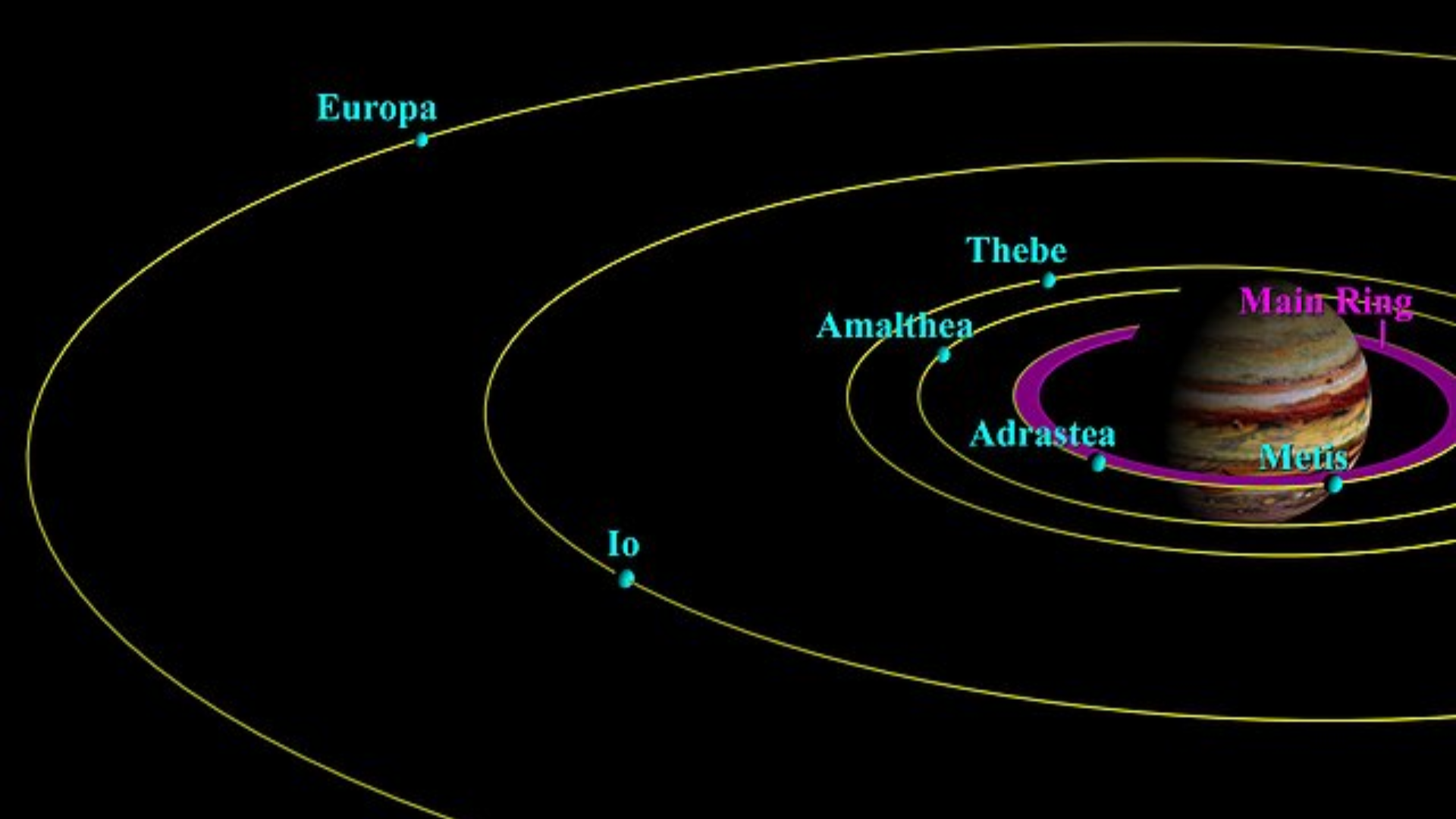
In conclusion, a constellation of discoveries from spacecraft and telescopic observations shows that Jupiter is not behaving in ways that fit simple planetary expectations, from unanticipated atmospheric temperature variations and bizarre storms to magnetic oddities and deep weather dynamics. These findings underline just how much there still is to learn about the largest planet in our solar system, and ongoing missions like NASA’s Juno will continue to unravel Jupiter’s mysteries and help scientists refine the very definition of planetary behavior.