Some States Are Passing Laws That Could Jail Homeless People for Sleeping in Public
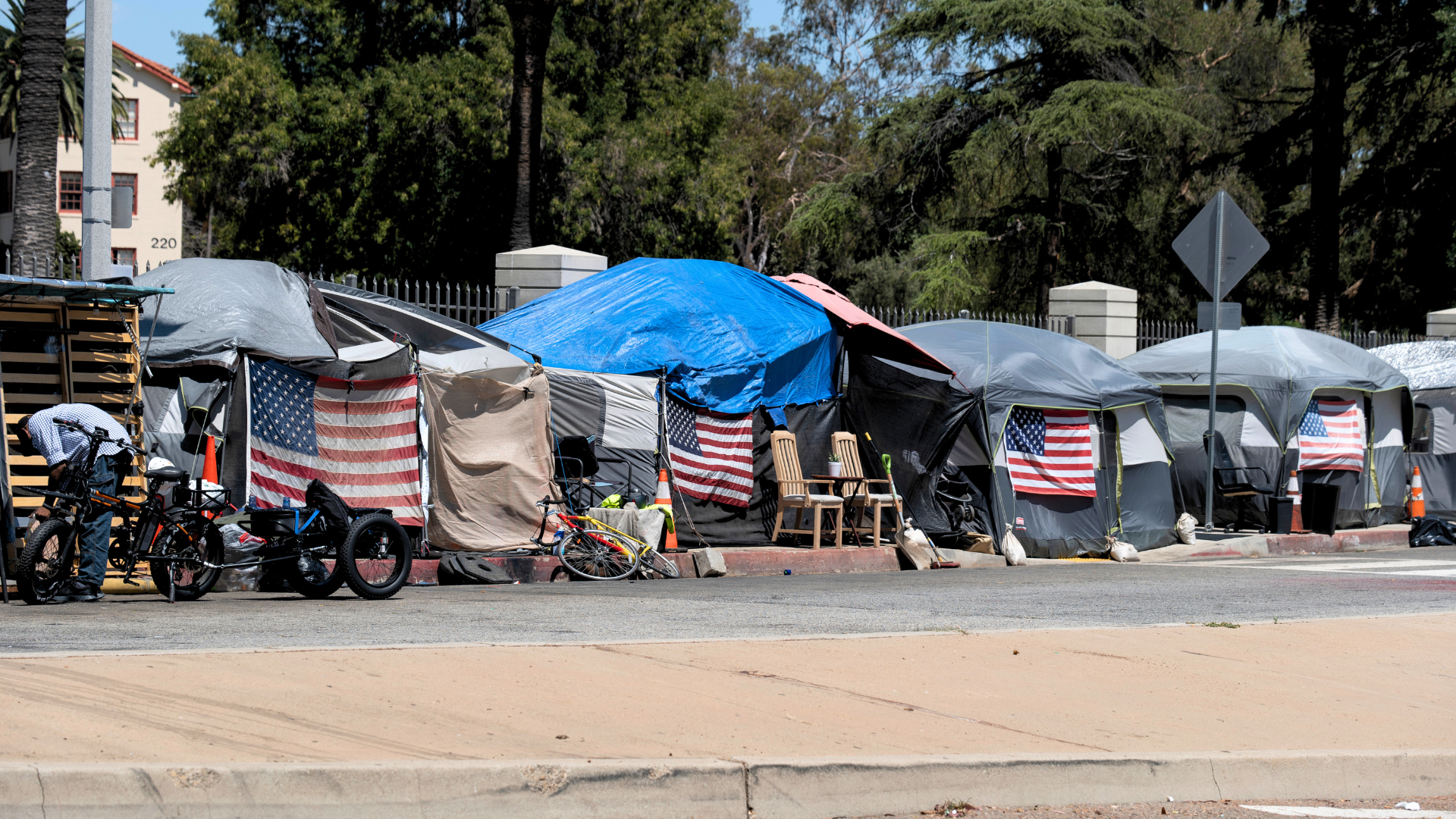

Several states are adopting stricter policies aimed at reducing homelessness in public spaces, with some measures allowing people to face fines, jail time, or involuntary treatment under certain circumstances. The renewed push follows a series of legal and policy changes, including a U.S. Supreme Court ruling that gave local governments greater authority to enforce public camping bans and new federal guidance encouraging broader use of civil commitment for people with severe mental illness or substance use disorders. Supporters say the changes improve public safety and connect vulnerable individuals with treatment, while critics argue they could criminalize homelessness without solving its underlying causes.
The Supreme Court Changed the Legal Landscape
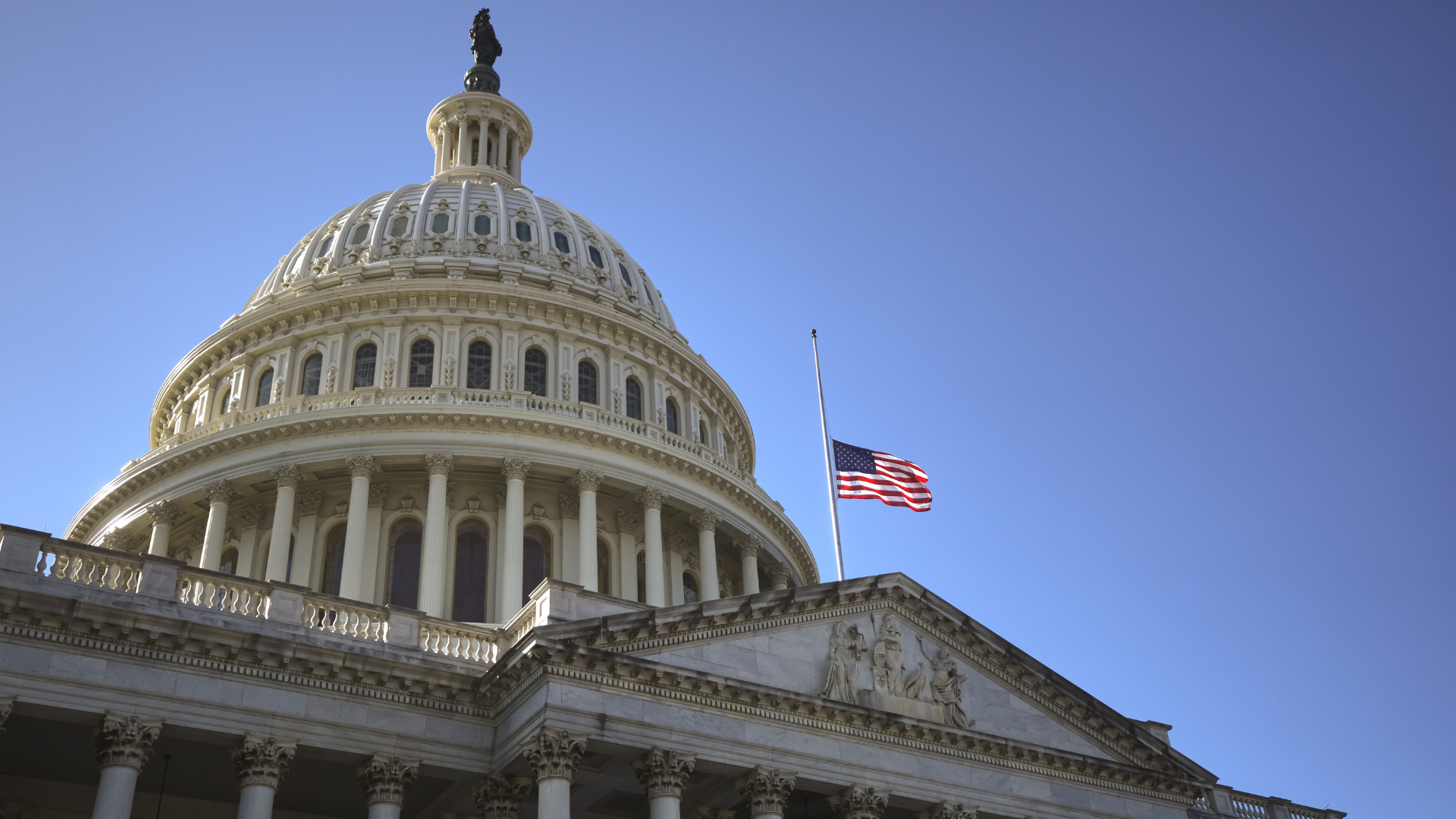
In 2024, the U.S. Supreme Court ruled in City of Grants Pass v. Johnson that cities may enforce bans on sleeping or camping in public, even when shelter space is limited. The decision overturned years of legal precedent that had restricted how communities could regulate homelessness. Since that ruling, many states and local governments have moved forward with stricter enforcement policies targeting unauthorized encampments.
Some States Have Adopted Tougher Camping Laws
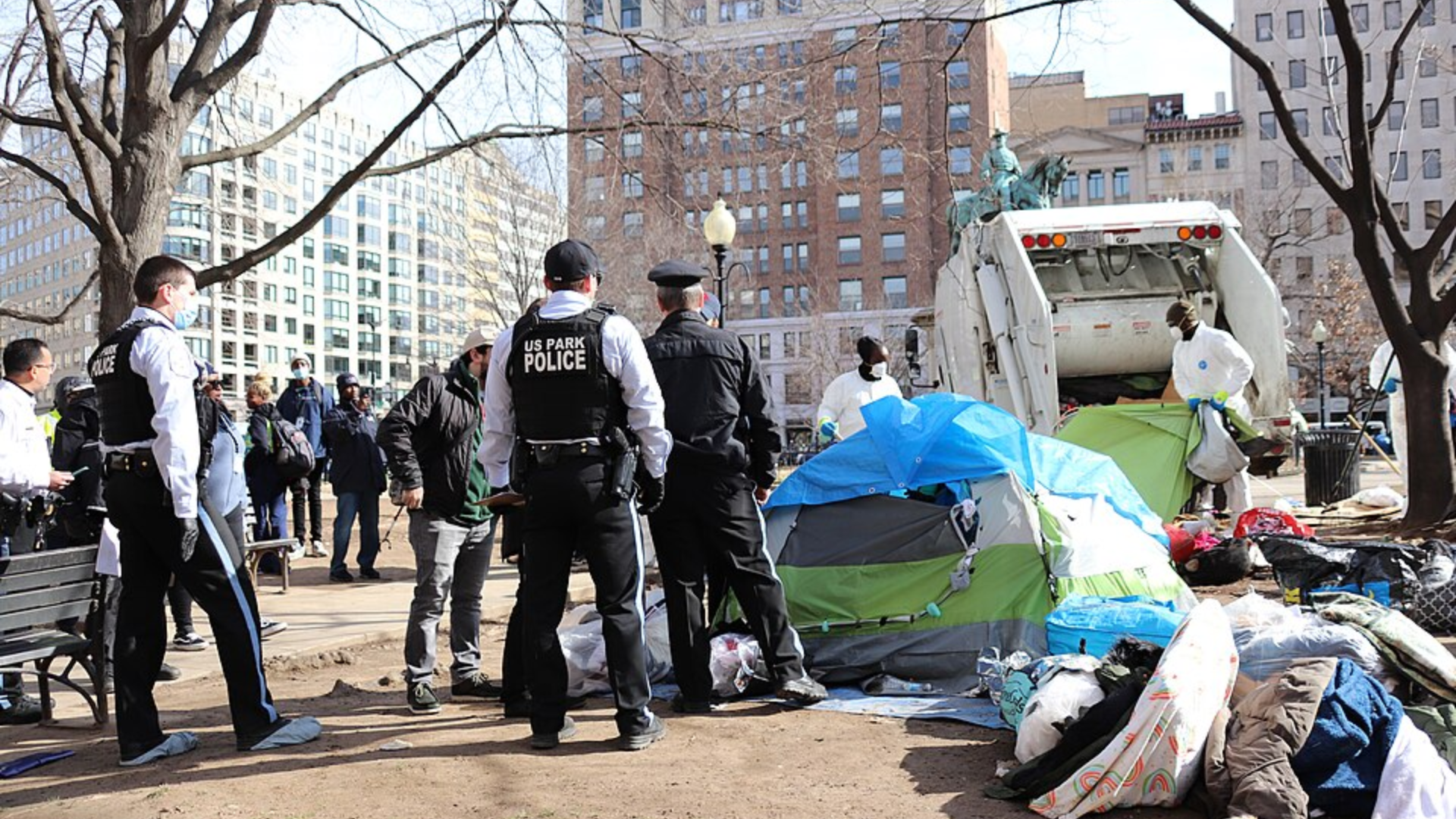
States including Florida, Kentucky, Iowa, Oklahoma, Tennessee, Texas, and Utah have enacted or strengthened laws restricting public camping or requiring local governments to remove unauthorized encampments. Penalties vary by state and locality but may include citations, misdemeanor charges, fines, or short jail sentences for repeated violations. Several other states are considering similar legislation as homelessness remains a growing concern.
The New Federal Policy Focuses on Civil Commitment
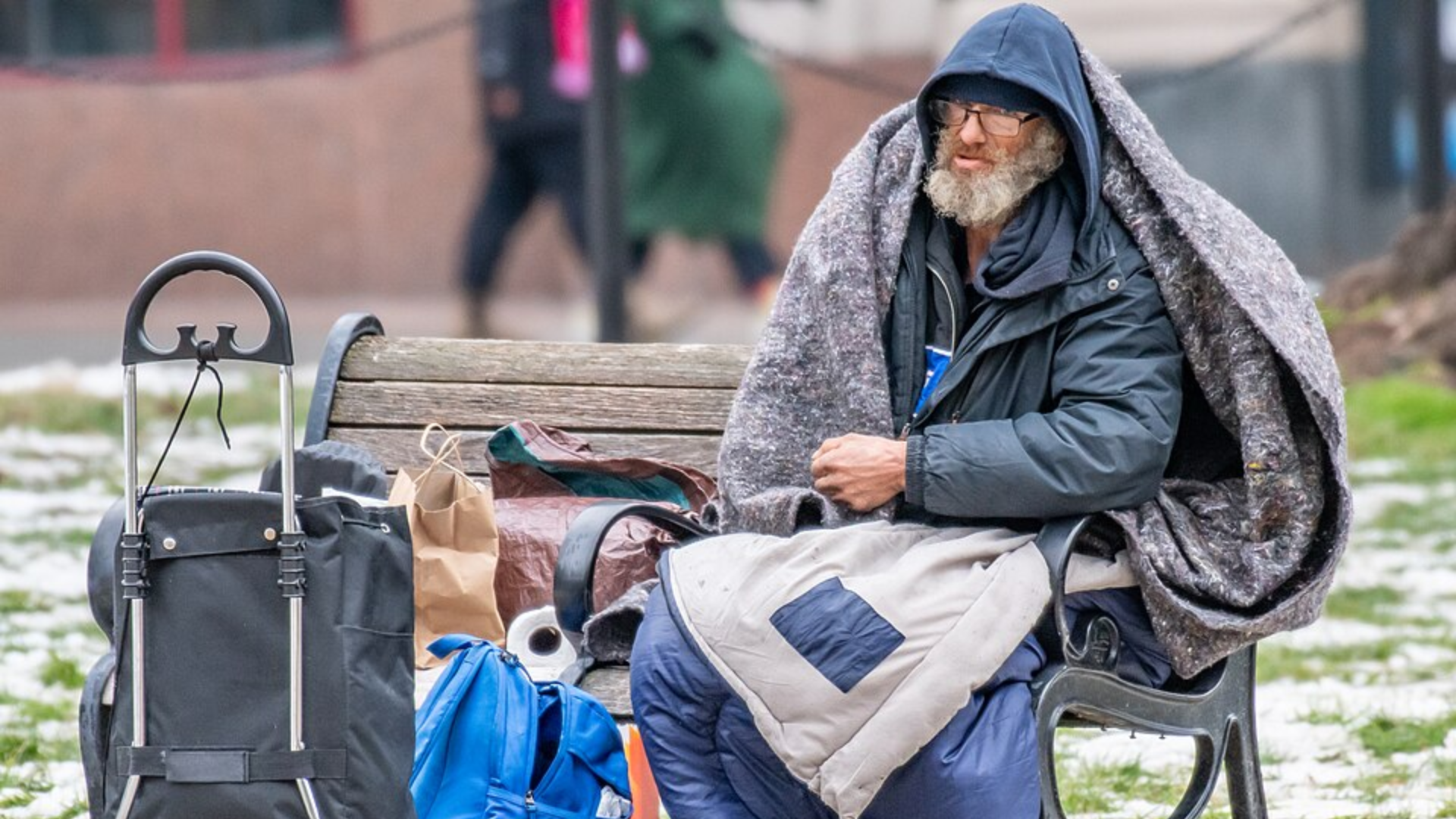
The Trump administration recently issued guidance encouraging states to make greater use of civil commitment laws for individuals experiencing severe mental illness or substance use disorders who are unable to care for themselves or may pose a danger to themselves or others. Civil commitment is a legal process that allows a court to order treatment under specific circumstances. The policy does not automatically apply to every homeless person and generally requires standards established under state law.
Civil Commitment Is Different From Criminal Charges

Being civilly committed is not the same as being arrested or convicted of a crime. Instead, the process typically involves court hearings, medical evaluations, and judicial findings that legal requirements have been met before treatment can be ordered. Each state sets its own standards regarding who qualifies, how long treatment may last, and what legal protections are available.
Why Supporters Back the Changes
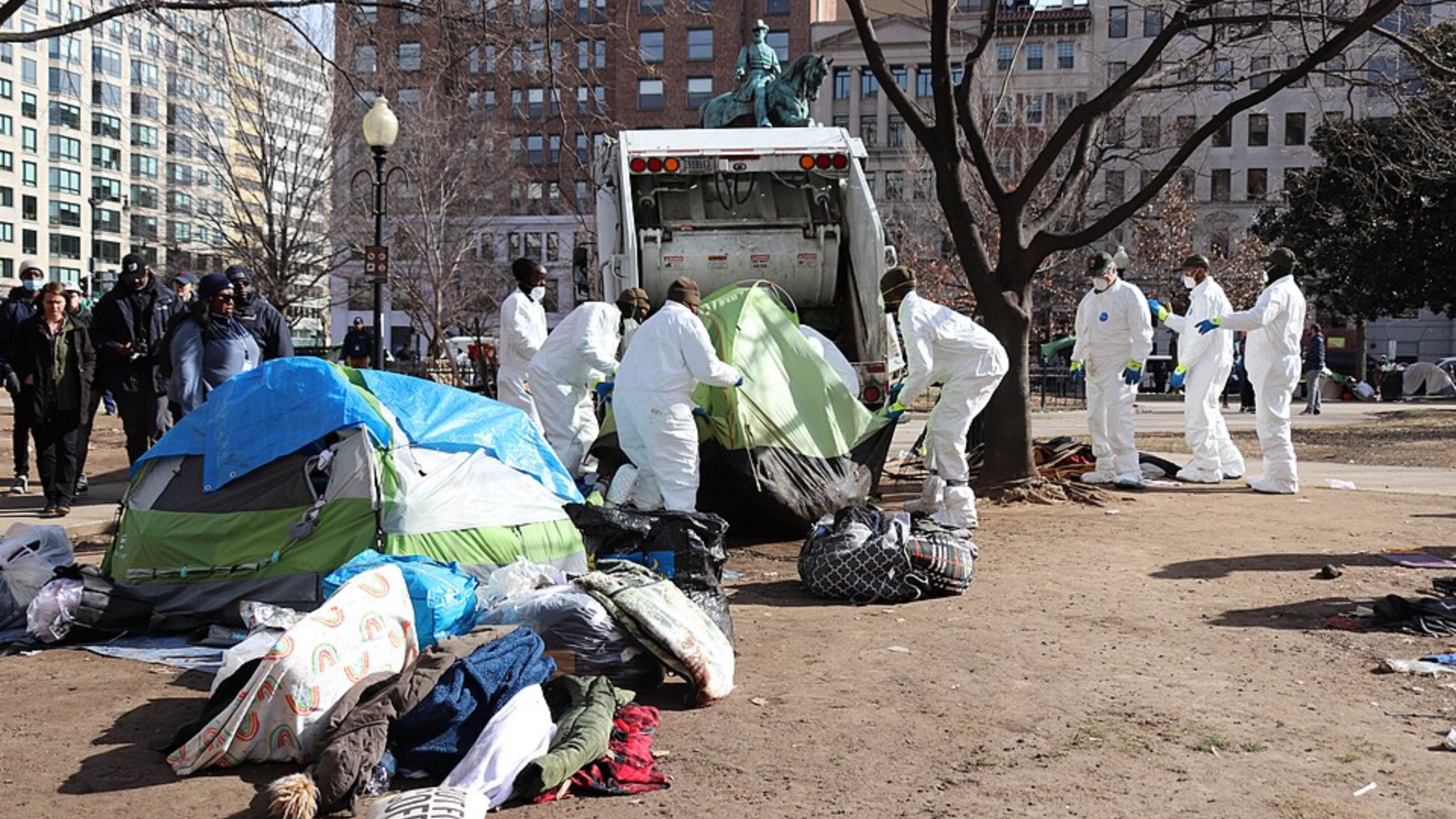
Supporters argue that many people living on the streets struggle with untreated mental illness or addiction and need intervention beyond voluntary services. They believe stronger enforcement can improve public safety, reduce hazardous encampments, and help connect vulnerable individuals with housing, medical care, and treatment programs. Some local officials also say businesses and residents have demanded greater action to address growing encampments.
Critics Say Housing and Treatment Remain the Bigger Need

Advocates for homeless individuals argue that stricter camping laws do little to address the root causes of homelessness, including rising housing costs, limited affordable housing, mental health challenges, and substance use disorders. They warn that issuing citations or jail sentences may simply move people from one location to another without providing permanent solutions. Critics also question whether enough treatment facilities and shelter beds exist to support expanded enforcement.
Homelessness Continues to Rise Nationwide
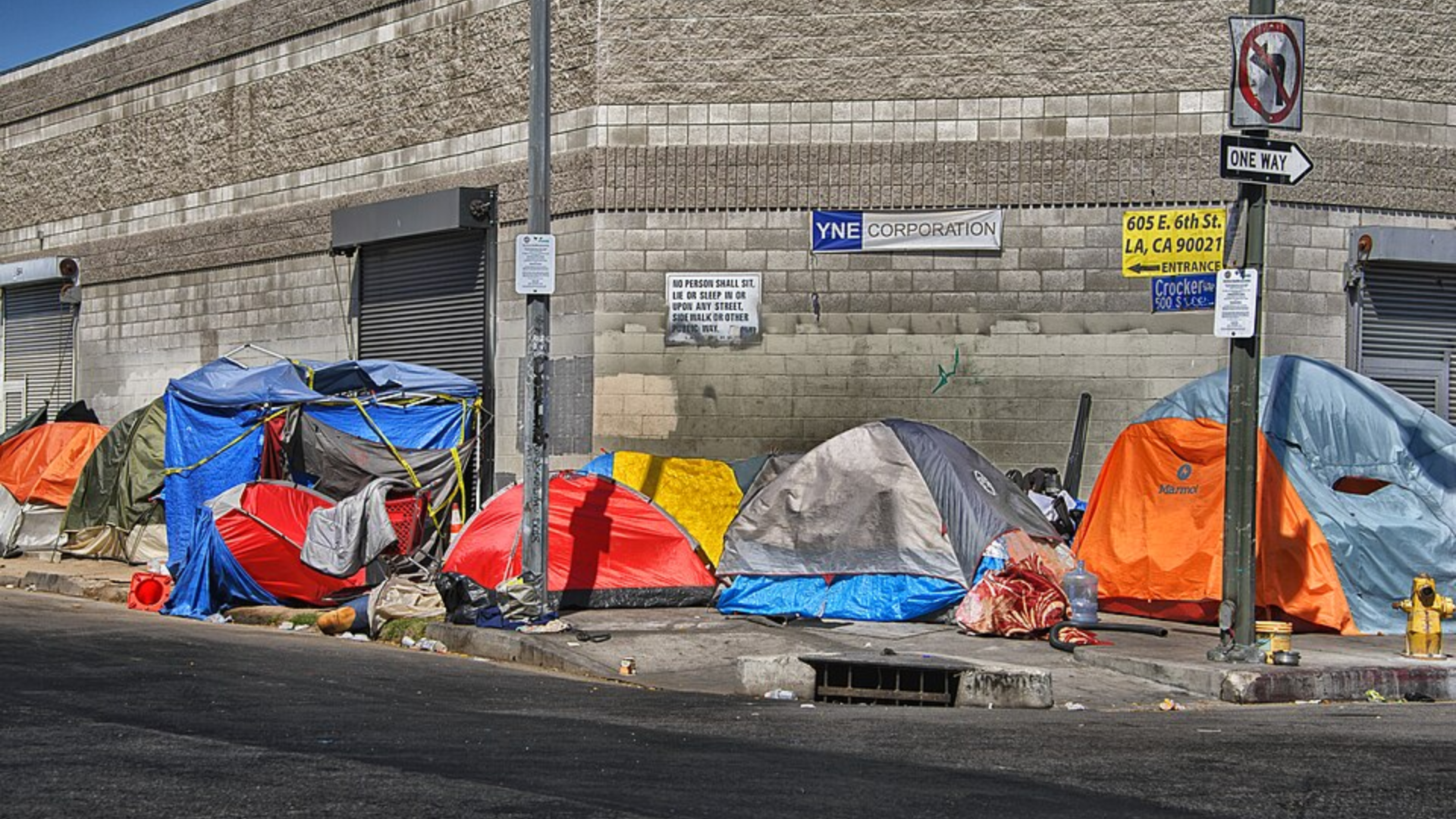
Federal data show homelessness in the United States has reached record levels in recent years, driven by housing shortages, inflation, natural disasters, and economic pressures. Many communities report increasing demand for shelters while affordable housing remains difficult to find. These ongoing challenges have intensified debates over whether enforcement, treatment, housing investments, or a combination of approaches offers the best long-term solution.
What Happens Next
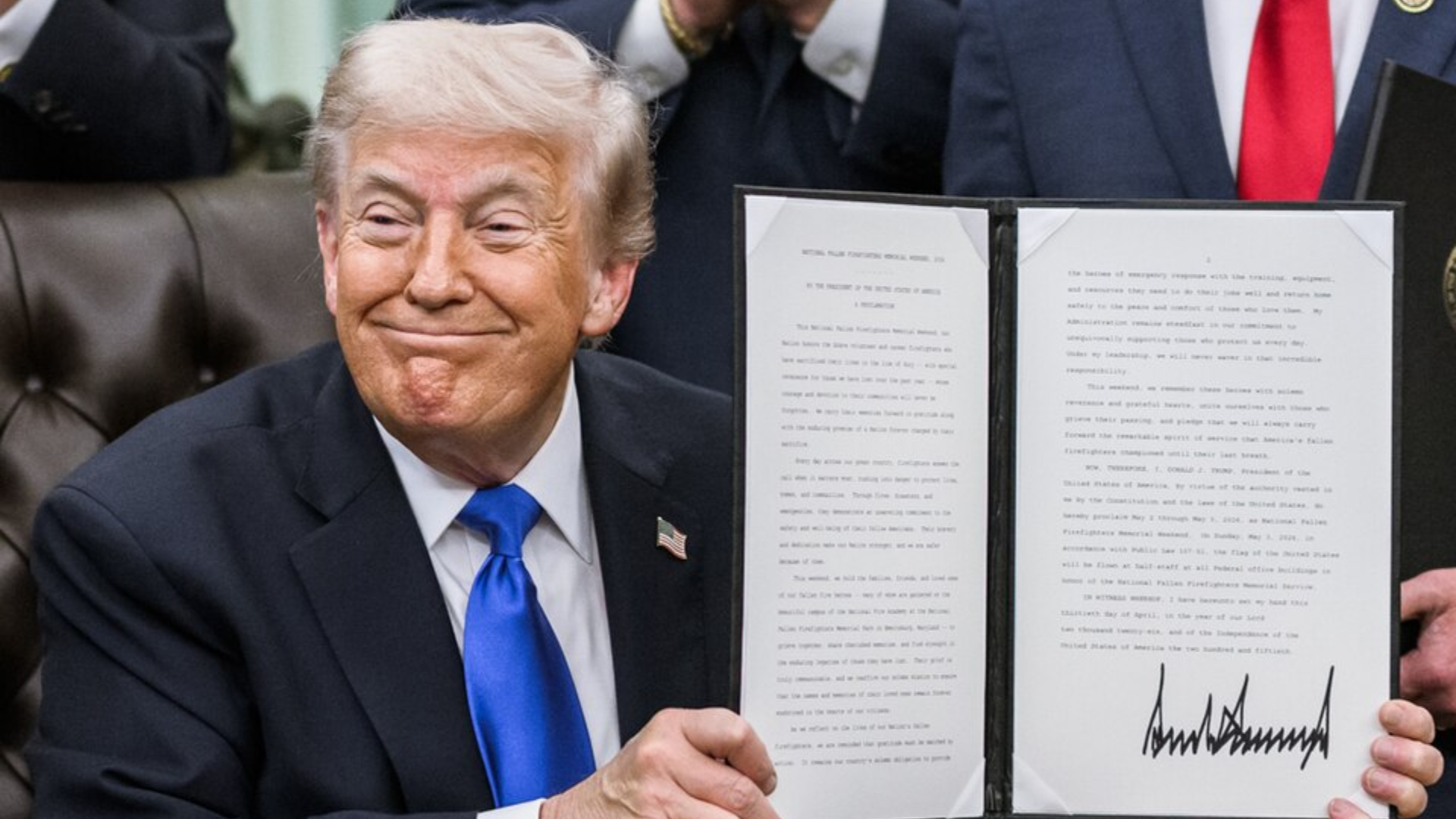
More states are expected to consider new homelessness legislation in the coming months as officials respond to court decisions and updated federal guidance. Legal challenges are also likely as advocacy groups examine how the new policies are implemented. The balance between protecting public spaces, preserving individual rights, and expanding access to treatment will remain at the center of the national debate.
The Debate Over Homelessness Policy Is Far From Settled
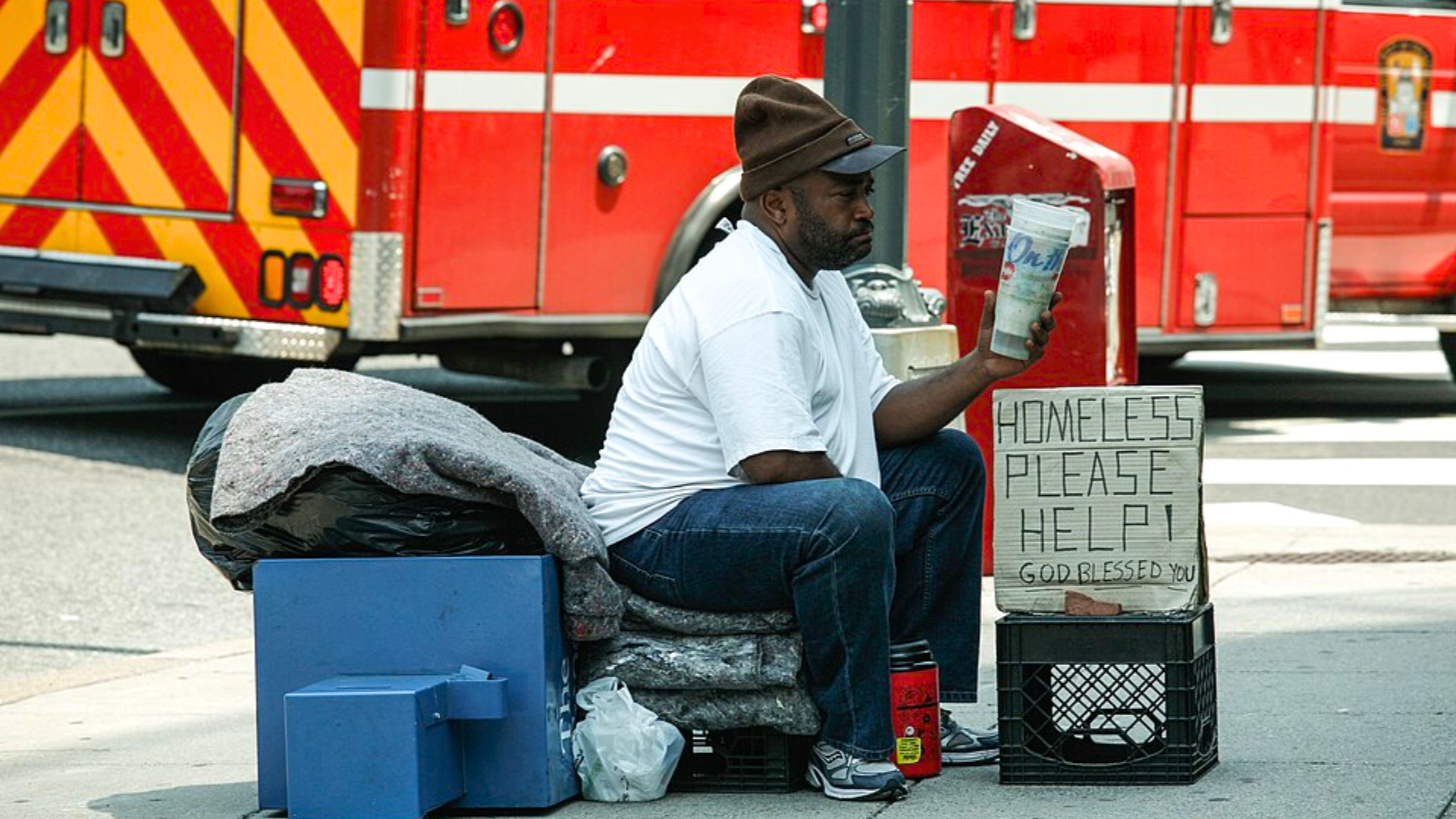
The combination of new state laws, the Supreme Court’s camping-ban ruling, and updated federal guidance has reshaped how governments may respond to homelessness. While supporters believe stronger enforcement and expanded civil commitment could improve safety and connect vulnerable individuals with treatment, critics argue that lasting progress depends on greater investments in housing, mental health care, and addiction services. As additional states weigh new legislation, communities across the country will continue debating how best to address one of America’s most complex social challenges.