Social Security’s Safety Net for Low-Wage Workers Is Becoming Nearly Obsolete


Imagine working hard for 30 years, paying your taxes, and then discovering that your safety net has quietly vanished. In 1972, Congress created a special Social Security benefit specifically for people who spent decades in low-paying jobs. It was called the Special Minimum Benefit, and it was meant to ensure that a lifetime of work produced a viable retirement check. Today, federal data confirms that for any worker who turned 62 recently, it is mathematically impossible to qualify. It exists on paper, but in practice, it is gone.
What the Special Minimum Benefit Was Designed to Do

The Special Minimum Benefit was introduced into the Social Security program in 1972 to protect long-serving, low-wage workers from retiring into deep poverty. Unlike the standard Social Security formula, which calculates your monthly check based on your total lifetime earnings, this specific benefit was calculated using years of coverage. The approach was designed to reward consistent, decades-long workforce participation rather than high income, giving low-wage workers a much better financial outcome than the standard formula would ever produce.
What It Pays and Who Could Qualify

The Special Minimum Benefit scales up based on your time in the workforce, paying a set rate for workers with 11 years of coverage and topping out for those with 30 years of coverage. To make a year count toward this protection, a worker must have earned a minimum annual threshold set by the federal government. For a dedicated worker with 30 qualifying years, this safety net was designed to add tens of thousands of dollars over a standard retirement, yet the system is failing.
The Problem Is in How the Benefit Grows Over Time

Why did this vital protection stop working? The answer lies in a hidden mathematical flaw concerning how the benefit grows over time. Standard Social Security benefits are adjusted using wage indexing, meaning they keep pace with how average wages rise across the American economy. The Special Minimum Benefit, however, was tied to price indexing, which tracks inflation instead. Because wages historically grow faster than prices, the standard formula steadily pulled ahead of the special safety net, compounding a massive gap over decades.
The Benefit Is Now Impossible to Qualify for if You Turned 62 in 2024 or Later
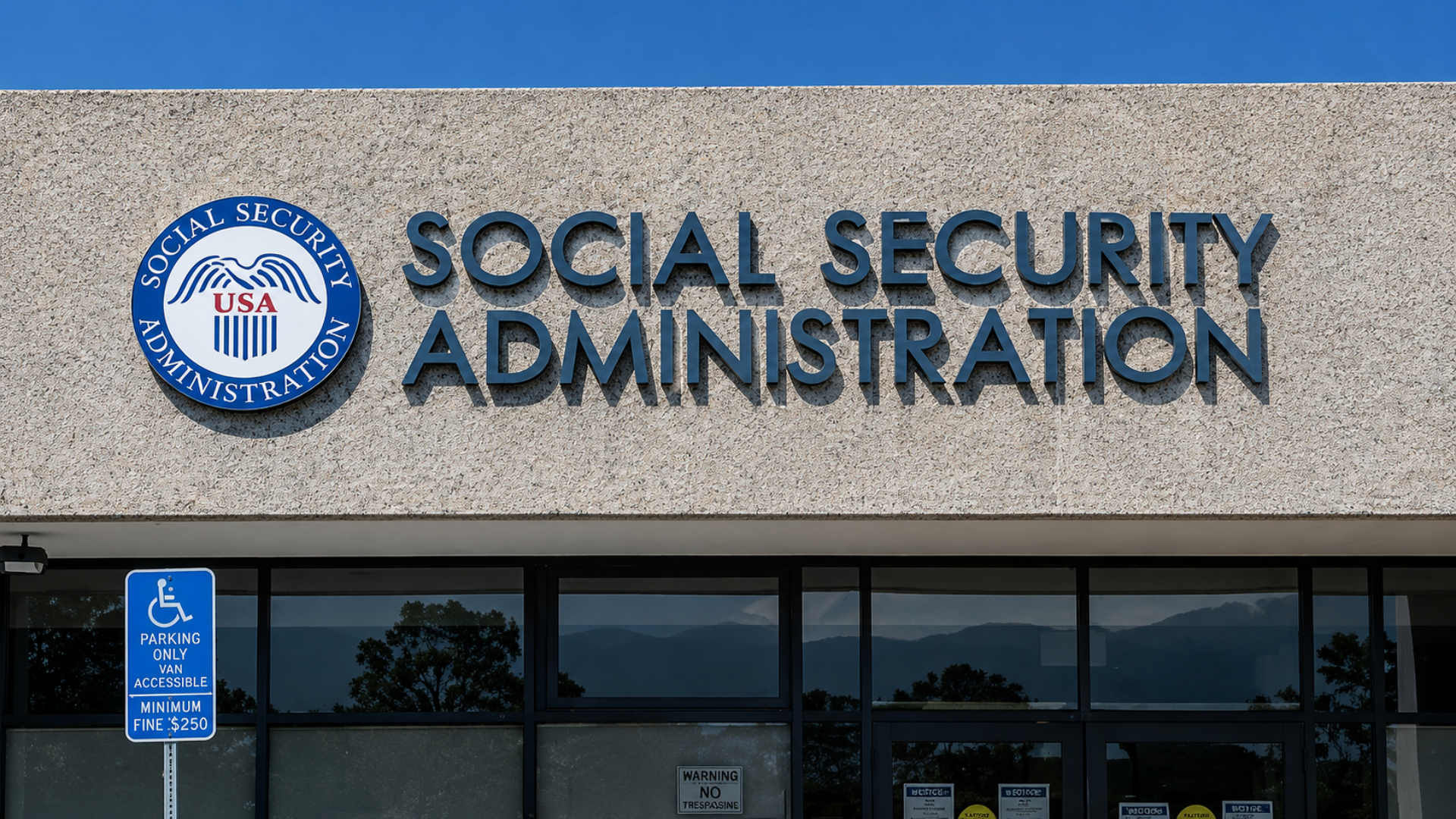
The Social Security Administration has stated plainly that for any worker who reached age 62 in 2024 or later, it is theoretically impossible to receive this payout. This is because the standard wage-indexed formula now produces a higher monthly benefit in every single demographic case, rendering the special minimum entirely irrelevant for new retirees. The benefit was never officially repealed by Congress. The standard formula simply outgrew it, leaving the safety net unable to improve on regular calculations.
The Number of Recipients Has Fallen From 200,000 to Under 30,000

The statistical decline of this program has been measurable and sustained for years. In the early 1990s, approximately 200,000 vulnerable Americans were actively receiving the Special Minimum Benefit. Recent policy briefs show that that number has plummeted to under 30,000 individuals nationwide. The people still collecting it today only qualified under earlier eligibility windows, before the regular formula completely overtook the special minimum. No new retirees will ever join the rolls, meaning the program will eventually hit zero.
The Workers Who Needed It Most Are the Ones Left Without It

The collapse of this program directly hurts the exact workers who needed it most. The Special Minimum Benefit was created for citizens who spent entire careers in grueling, low-wage jobs, such as hotel housekeepers, cashiers, diner servers, and home health aides. These individuals worked consistently for decades but never earned enough for the standard formula to produce an adequate check. Without this targeted boost, low-wage workers face a significant financial loss during their fixed-income retirement years.
The Average Social Security Retirement Benefit in 2026 Is $2,076 Per Month

For context, the average Social Security monthly benefit for retired workers reached $2,076 as of early 2026. However, that figure reflects the broad population of American retirees, including high earners who pull the average up. Low-wage workers with fragmented or part-time work histories typically receive significantly less than that average. The income gap between low-lifetime earners and average retirees continues to widen precisely because the one tool designed to narrow it has become totally unreachable.
Policymakers Have Discussed Replacing It but Nothing Has Passed

The quiet death of the Special Minimum Benefit has not gone unnoticed by economic researchers. Federal policy briefs from the Social Security Administration noted years ago that the benefit was projected to become functionally obsolete, calling for a new minimum-benefit policy to protect low-lifetime earners. Various proposals have been introduced in Congress to create a modern, wage-indexed minimum benefit that would actually function for future retirees. Despite these discussions, no legislation has been enacted by lawmakers.
A Safety Net That Still Exists on Paper but Helps Almost No One Left

The Special Minimum Benefit remains in the official Social Security rulebook. The government still calculates it automatically when workers apply for retirement and technically awards whichever formula produces the higher amount. But for anyone entering retirement today, that comparison always favors the regular calculation. What was created as a targeted protection for millions of low-wage American workers has been rendered inactive, leaving future retirees who spent careers in low-paying work without any equivalent protection today.