SoCal Shops Hit by 1,800 Disability Lawsuits Filed by One Man: ‘He’s Just Suing Everyone’


On a single afternoon last September, a 55-year-old man in a wheelchair visited several small businesses along a San Fernando Valley block, identifying legal violations at every stop. By day’s end, he had filed three lawsuits. Court records reviewed by the Los Angeles Times show Anthony Bouyer has appeared as a plaintiff in roughly 1,885 cases, targeting small neighborhood establishments across Los Angeles County, and he continues filing new claims.
Bouyer is not an attorney but describes himself as a disability advocate and internet marketer. He became paralyzed after surgery to remove a spinal cord tumor about a decade ago. In a 2023 deposition, he outlined his method: he measures anything that appears noncompliant. Carrying a 12-inch level gauge, he checks slopes, aisle widths, and counter heights, filing lawsuits when measurements fall short of legal accessibility standards.
The businesses he targets are typically small, independent operations rather than major chains. On one visit, Bouyer filed lawsuits against three nearby establishments, including two Mexican restaurants and a convenience store. One owner, Elia Barraza, received legal papers just before her birthday over issues like a cracked parking lot and door hardware. Her family described the situation as indiscriminate, with initial settlement demands reaching $25,000.
The Law That Made This Possible
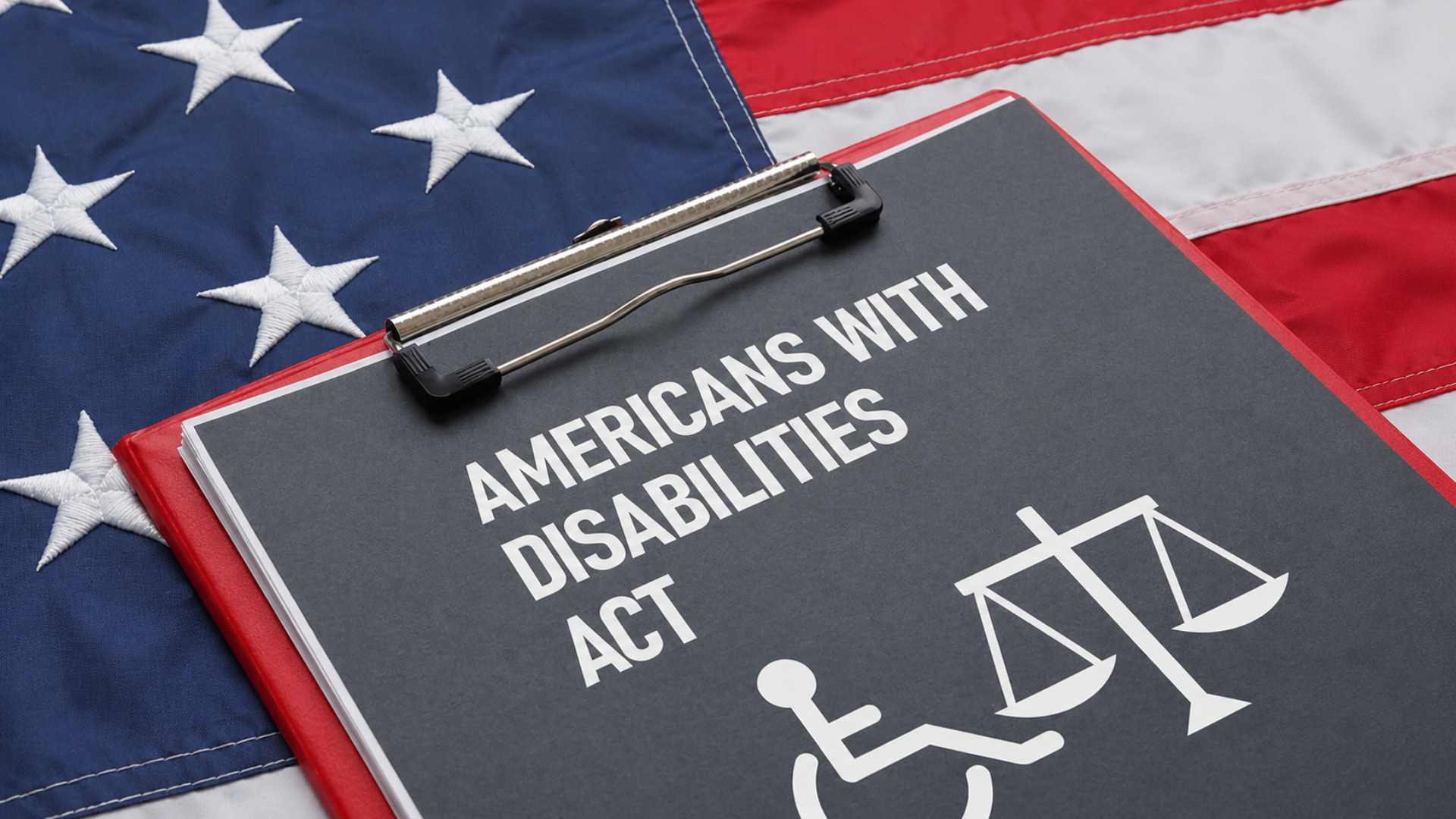
Bouyer’s actions rely on established legal frameworks. The Americans with Disabilities Act mandates equal access for individuals with disabilities, while California’s Unruh Civil Rights Act adds financial penalties. Violations can result in at least $4,000 in statutory damages, plus legal fees. These combined costs often pressure small business owners to settle quickly, even when violations are minor and could be corrected without litigation.
Manning Law, based in Orange County, represents Bouyer and other frequent ADA plaintiffs. Court filings show that several of the firm’s clients collectively sued over 1,000 businesses in a single year. The firm maintains that its cases are legitimate and carefully reviewed. Attorney Mike Manning has argued that lawsuits are necessary because many businesses only address accessibility issues after facing legal consequences.
Despite its claims, Manning Law has faced scrutiny. Its founder, Joseph Manning, was suspended by the State Bar for one year following accusations of fraudulent billing practices. Earlier, prosecutors alleged the firm filed over 100 ADA lawsuits using false information, though that case was dismissed due to legal protections around attorney communications. The controversies have intensified debate over the firm’s role in mass ADA litigation.
The Arithmetic of Giving Up

For many business owners, the financial burden of fighting a lawsuit outweighs the cost of settling. In Sylmar, liquor store manager Zuheir Nakkoud observed Bouyer measuring his parking space before filing a claim. Although customers with disabilities had used the store without issue, Nakkoud chose to settle for $14,000, concluding that legal defense costs would be even higher than paying the demand outright.
Other businesses face similar dilemmas. The Barraza family negotiated a $25,000 demand down to $10,000, still a heavy blow for a modest restaurant. Meanwhile, laundromat owner Kenny Majers, whose business gained recognition as a filming location, was sued twice. To manage expenses, he took on additional work. He expressed frustration that legal costs—not improvements—were consuming his resources.
Not all defendants accept settlements. Defense attorney Ara Sahelian, who uses a wheelchair himself, has fought over 100 cases involving Manning Law. He refuses to settle, believing the system is being exploited. Sahelian maintains detailed records on repeat plaintiffs like Bouyer. While he expects website-related cases may weaken over time, he believes physical accessibility claims will remain legally viable and continue driving litigation.
When a Civil Rights Law Becomes a Business Model

Efforts to reform the system have struggled. Senate Bill 84 proposed giving small businesses 120 days to fix accessibility violations before facing damages. The bill stalled without a hearing, with disagreements between lawmakers and advocacy groups over balancing enforcement and fairness. Critics argue that without reform, the current structure encourages repeated lawsuits rather than proactive compliance.
Supporters of strict enforcement counter that lawsuits are often the only effective way to ensure accessibility laws are followed. They emphasize that the ADA was designed to remove barriers and protect civil rights. Financial penalties, they argue, create accountability. However, the scale of filings by individuals like Bouyer raises concerns about whether enforcement has shifted toward profit-driven patterns rather than systemic improvement.
The core issue remains unresolved. While the law itself has not changed, its application has sparked debate across California. For some, it represents necessary advocacy; for others, a burdensome legal tactic targeting vulnerable businesses. As lawsuits continue to mount, the broader question persists: does the current system primarily serve individuals with disabilities or those who have learned how to navigate it most aggressively?