Smoke Rising From ‘Volcano’ at California Beach Sparks Rare Geological Alert
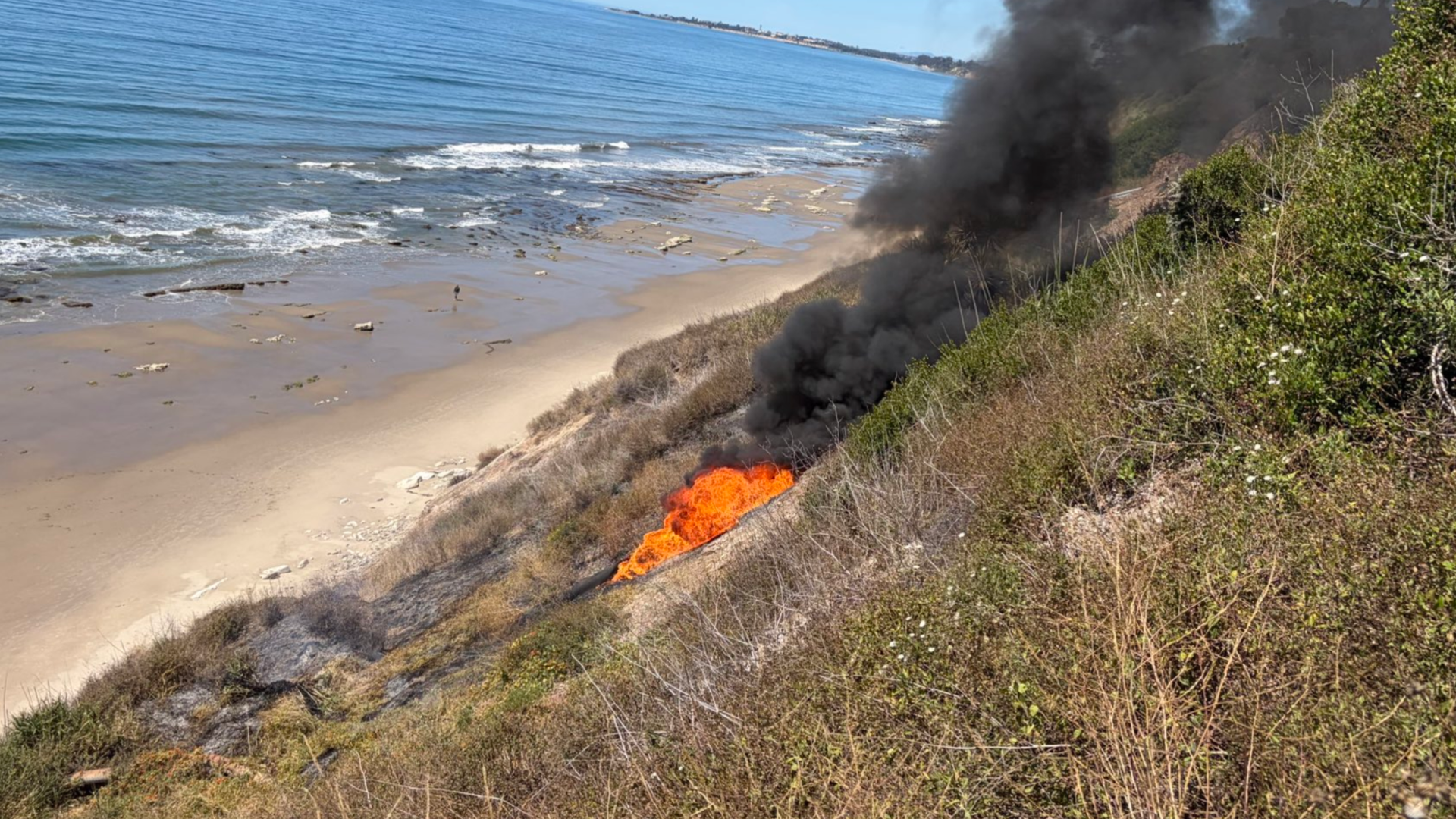

A California beach became the center of attention after smoke was seen rising from what appeared to be a volcanic formation along the coastline. The unusual sight prompted concern among visitors and triggered a rare geological alert from local authorities. Scientists quickly began investigating whether the activity was volcanic, geothermal, or related to another underground process.
The incident occurred at a beachside hill in Southern California, where observers reported smoke and steam emerging from cracks in the ground. Fire officials and geologists were called to the scene after reports of possible flames or volcanic activity surfaced.
Experts noted that while California does have volcanic systems, including geothermal and dormant volcanic zones, true coastal volcanic activity is extremely rare. The sudden appearance of smoke therefore raised immediate questions about underground gas release or heated geological material.
Investigation Into the Smoke Phenomenon
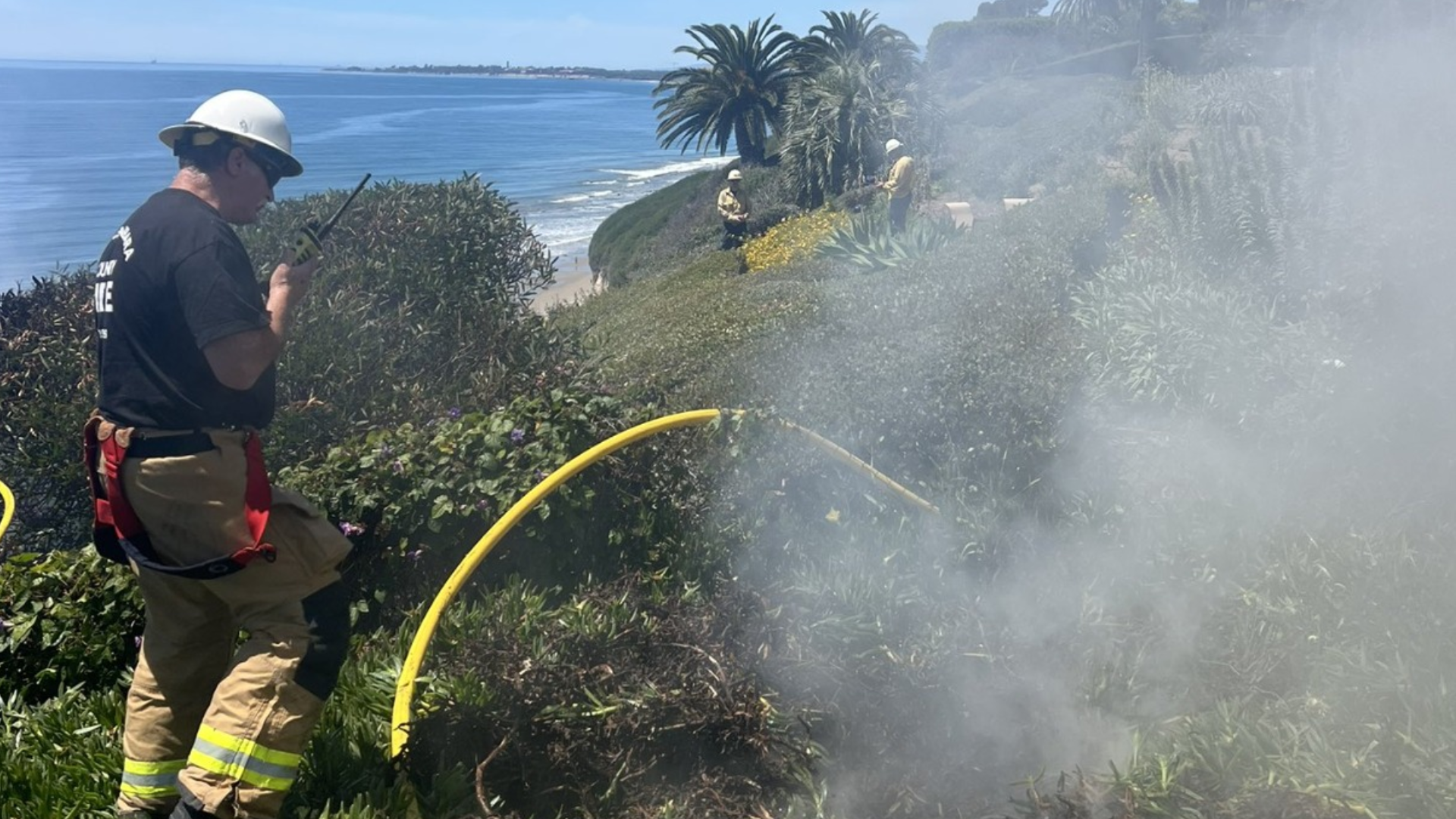
Preliminary assessments suggest the smoke may be linked to underground gas emissions rather than a newly active volcano. Geological experts often classify similar events as mud volcanoes or gas vents, where pressure forces gases and sediment to the surface rather than molten lava.
In these systems, gases such as methane and carbon dioxide can escape through weak points in the Earth’s crust, sometimes producing smoke-like plumes. Mud volcanoes and gas vents are known to occur in tectonically active regions and can appear suddenly without warning.
Authorities emphasized that no confirmed volcanic eruption has been identified at the site, and monitoring continues to determine whether the activity is stable or temporary. Scientists are also reviewing seismic and gas data to better understand the source of the emissions.
Geological Context and Possible Causes
California sits along complex fault systems where tectonic movement can create fractures that allow gases to escape to the surface. These processes can sometimes resemble volcanic activity, especially when heat and pressure force material upward through weak geological layers.
In rare cases, natural gas buildup can ignite or oxidize at the surface, creating smoke or steam-like emissions that resemble volcanic vents. Similar phenomena have been observed in other regions with active fault lines and sedimentary pressure systems.
Experts caution that visual appearances alone are not enough to confirm volcanic activity, as many non-volcanic processes can produce similar effects. Ongoing analysis will determine whether this event is purely geothermal or part of a deeper geological shift.
Rare Coastal Activity Under Scientific Review
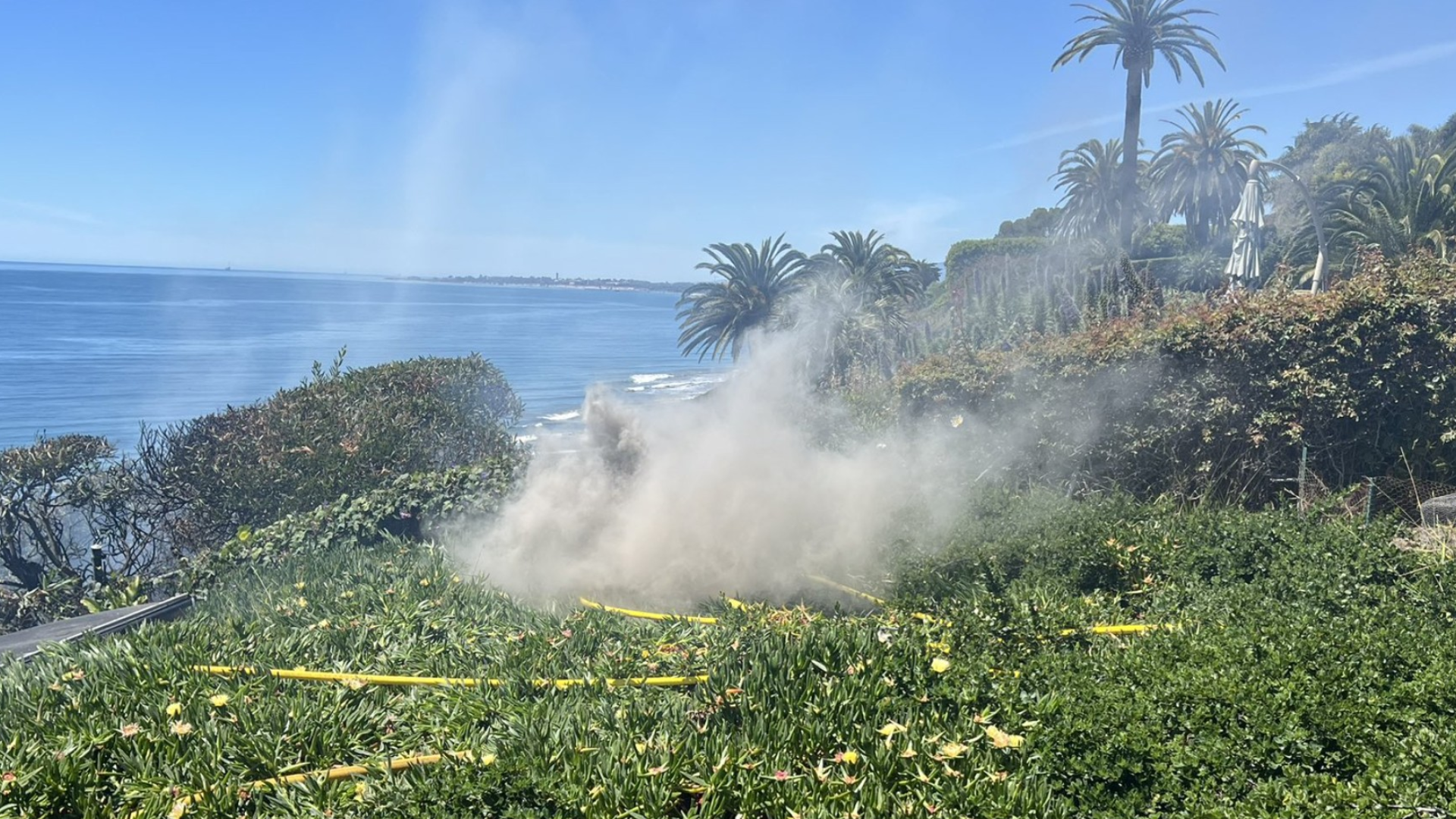
The smoke rising from the California beach has drawn attention due to its unusual appearance and rare geological context. While early reports suggested volcanic activity, experts believe the phenomenon is more likely related to underground gas release or geothermal pressure. The investigation remains ongoing as scientists gather more data.
Events like this highlight how complex and active Earth’s subsurface systems can be, even in coastal regions not typically associated with volcanoes. Geological experts stress the importance of careful monitoring before drawing conclusions about volcanic activity. The distinction between volcanic and non-volcanic processes is critical for accurate risk assessment.
For now, the site remains under observation as researchers work to determine the exact cause of the smoke. The incident serves as a reminder that rare natural phenomena can still occur in unexpected places.