Shroud of Turin Found to Contain DNA From ‘Multiple People’, According to New Scientific Findings
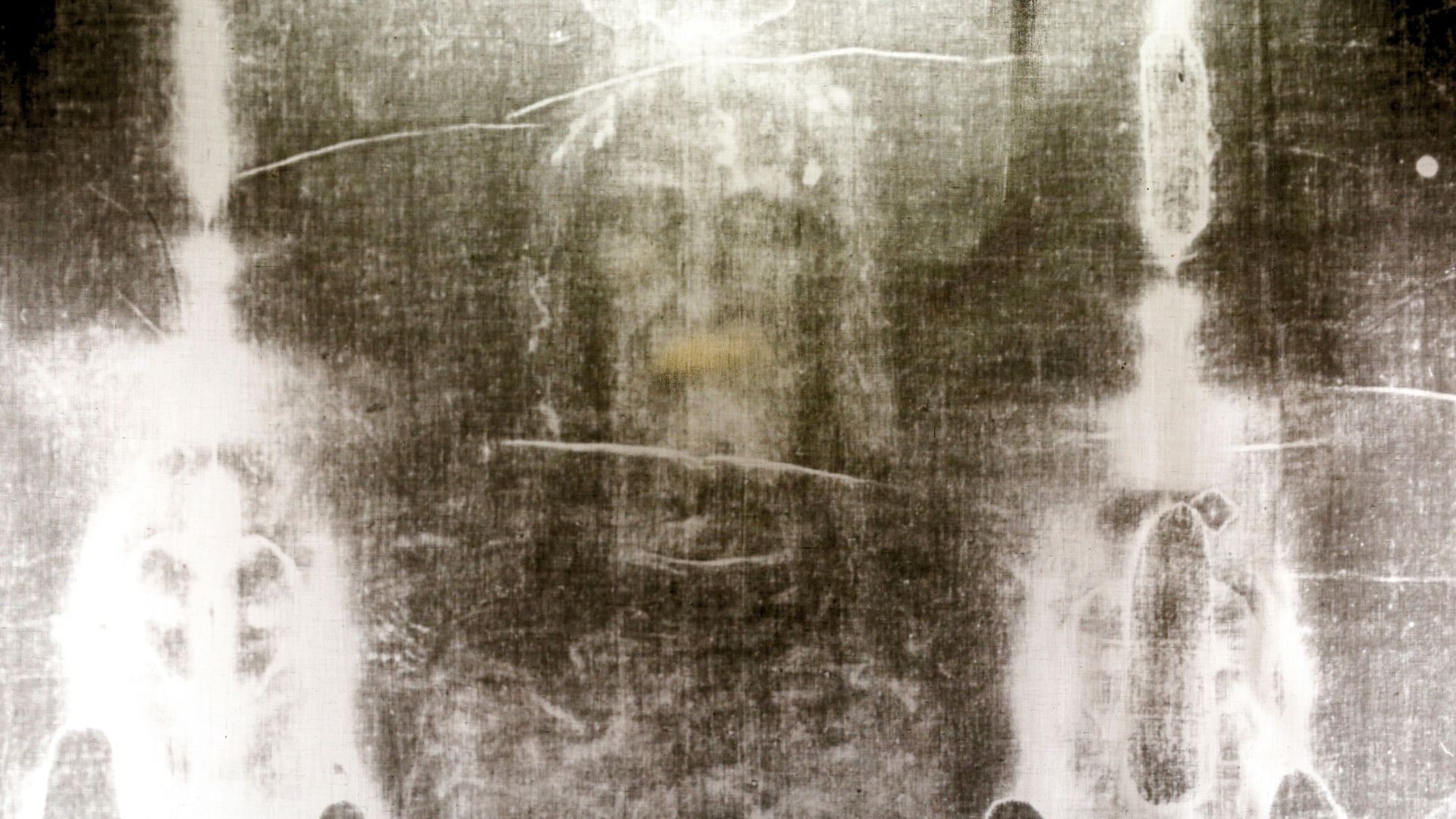

A piece of linen stored in a cathedral in Turin, Italy, has sparked more scientific and religious debate than almost any object in history. It bears the faint image of a man’s body, front and back. Millions believe it wrapped Jesus Christ after his crucifixion. Now, new DNA research has added a startling layer to the mystery, and the findings raise more questions than they answer.
What Is the Shroud of Turin, Exactly
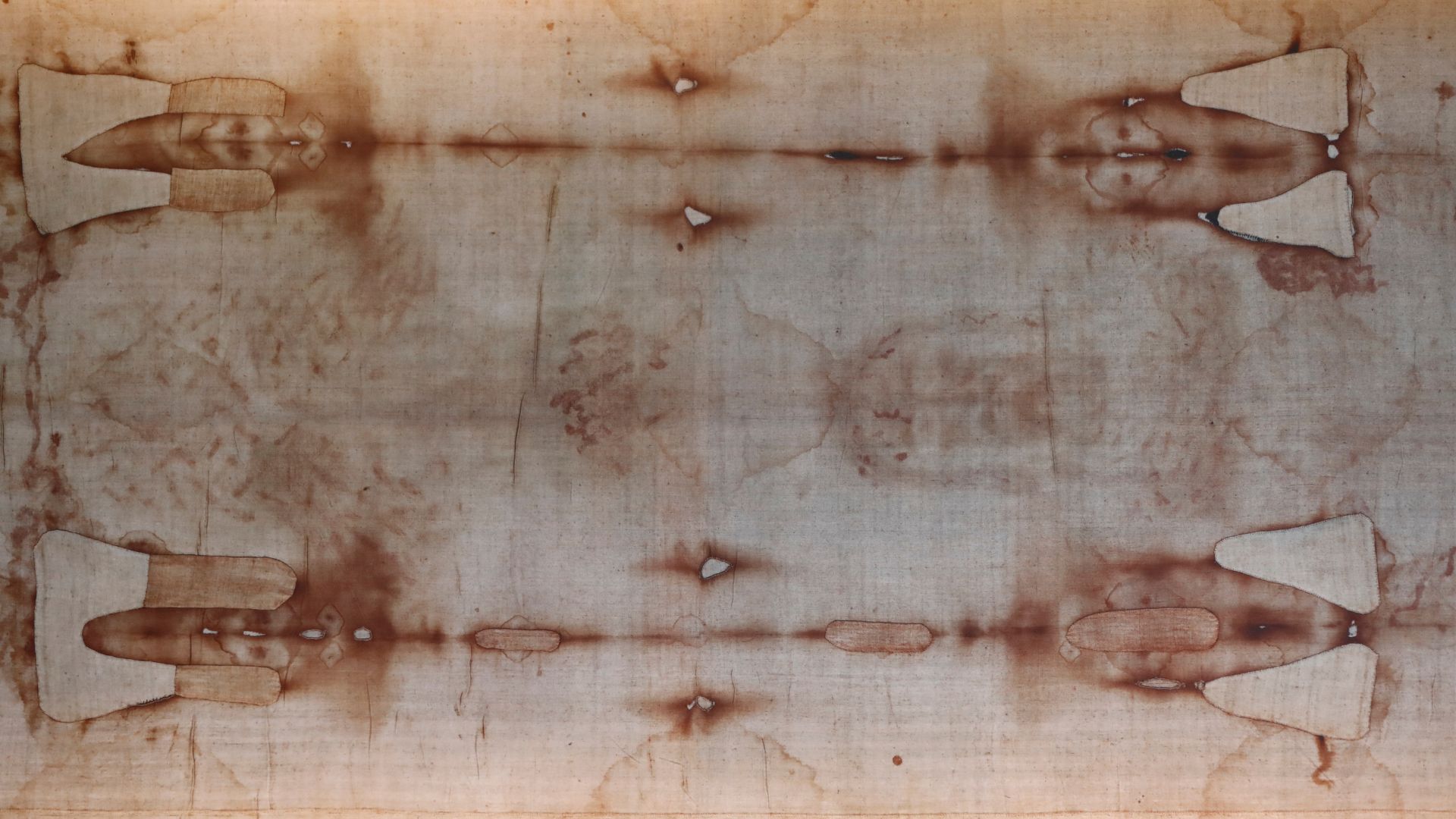
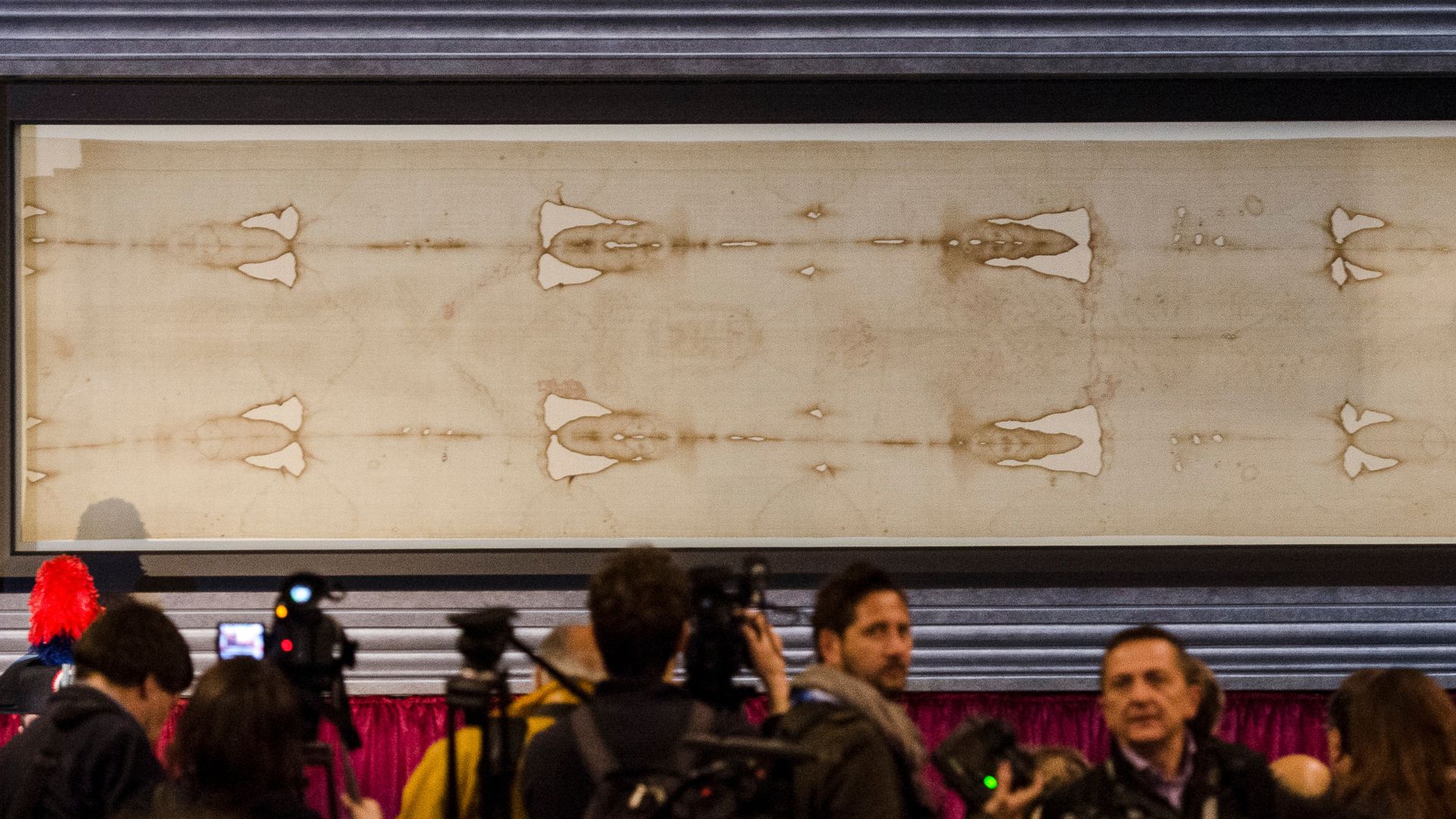
The Shroud of Turin is a 14-foot linen cloth bearing the image of a man that many believers identify as Jesus Christ. It has been housed at the Cathedral of Saint John the Baptist in Turin for roughly 500 years. The image, faint but unmistakable, shows the front and back of a human form. Believers say it captured the bloody imprint of Christ’s body after his crucifixion, like a photographic record made before photography existed.
Scientists Decided to Look Closer
Researchers from the University of Padova, led by geneticist Gianni Barcaccia, analyzed DNA extracted from 12 samples taken from the shroud back in 1978. Using modern genomic tools unavailable to scientists decades ago, they subjected the samples to rigorous DNA and metagenomic analyses. What they found was far more complex than expected: a dense biological record from multiple sources, layered across centuries of contact, handling, and travel across different regions of the world.
DNA From Multiple Humans Was Found on the Cloth
The analysis confirmed DNA from several distinct human lineages. One was common in Western Eurasia, another was prevalent in the Near East. Perhaps most striking, around 40 percent of the genetic material traced back to South Asian lineages, suggesting contact with people of Indian descent. Researchers say this could mean the linen itself was produced in India and brought westward by Roman traders, or that people from the subcontinent physically handled the cloth at some point in its long history.
So Much Human Contact It May Hide the Truth
Because so many people have touched, venerated, and studied the shroud over the centuries, modern DNA contamination was expected. But the sheer volume of human genetic material found, including DNA from the 1978 scientists who collected the samples, creates a serious problem. Researchers noted an unusually high number of overlapping DNA variants, making it virtually impossible to isolate any single original donor. In other words, identifying whose body the shroud may have wrapped could be beyond reach.
Animals Left Their Mark Too

The cloth also carried DNA from a surprising range of animals: cats, dogs, chickens, cows, pigs, goats, sheep, rabbits, horses, deer, fish, and insects. Far from random, scientists say this animal evidence may actually be useful. The combination of livestock and domestic pets points strongly to Mediterranean origins, or at least significant time spent moving through Mediterranean regions. Each species adds a clue to a geographic puzzle that researchers are still trying to piece together.
Plants on the Cloth Tell a Story of Their Own
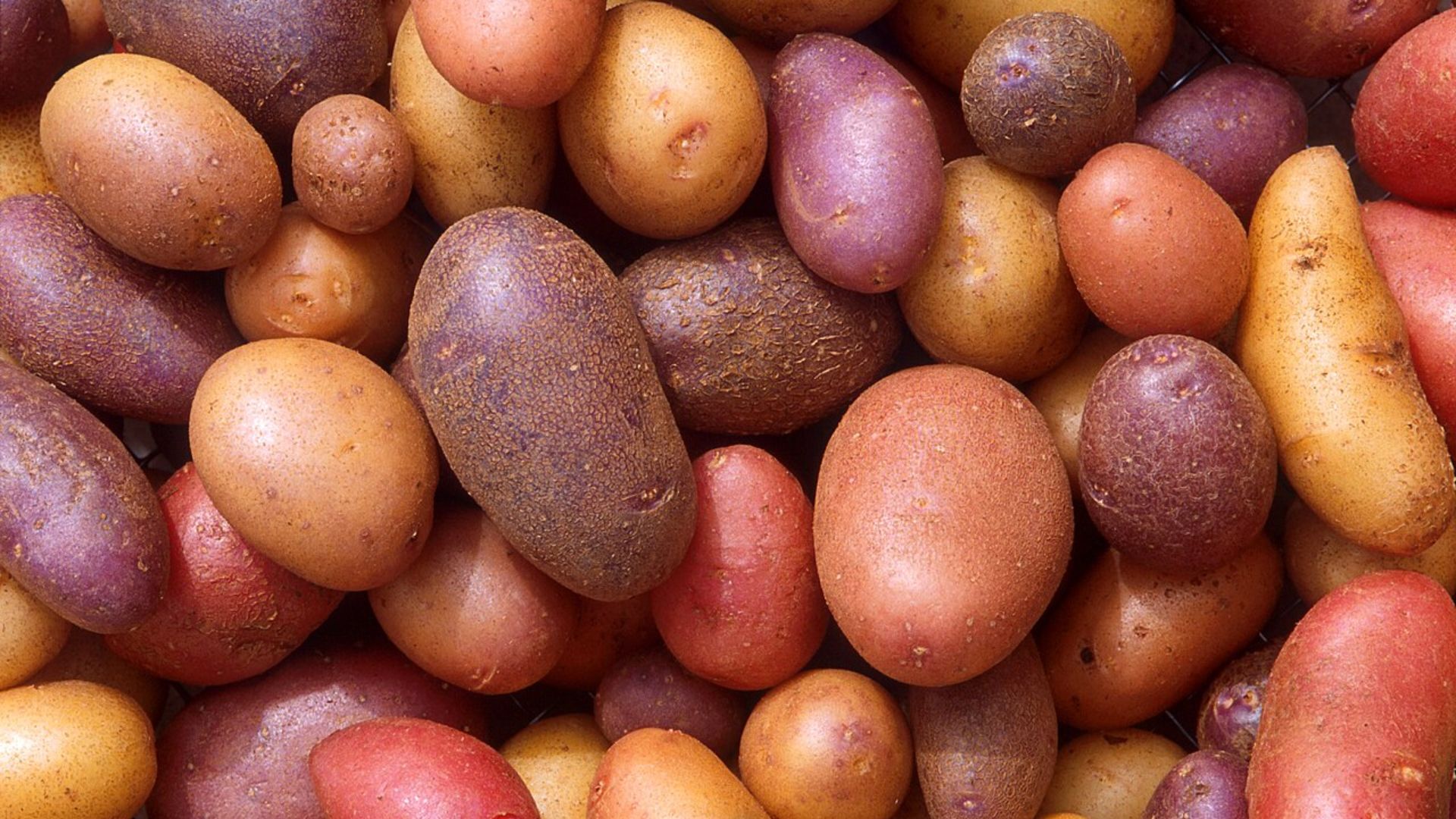
Alongside animal DNA, the shroud contained traces of plant life: carrots, wheat, potatoes, and other crops. Some of these plants were not introduced to Europe until after explorers returned from Asia and the Americas, which complicates efforts to date the cloth’s origin precisely. Researchers noted that Mediterranean crops dominated the plant evidence, while typical Middle Eastern flora was largely absent. This pattern raises pointed questions about where the shroud was actually made and used.
A 1988 Carbon Test Said It Was Medieval

The shroud’s authenticity has been contested for a long time. A 1988 radiocarbon dating study concluded the linen was produced somewhere between 1260 and 1390, placing it firmly in the medieval period and well outside the time of Jesus. Religious scholars disputed those results, arguing the samples may have been contaminated. More recently, a Brazilian 3D designer used digital simulation to suggest the image was not made from a real body at all, but from a shallow carved relief used as a mold.
Experts Are Not All Convinced by the New Findings

Not every scientist finds the new DNA results persuasive. Anders Götherström, a geneticist at Stockholm University who was not involved in the study, pushed back on the idea that Indian origins explain the shroud. According to Götherström, there is still no compelling reason to doubt that the cloth is French and dates to the 13th or 14th century. The study has also not yet been peer reviewed, meaning its conclusions remain preliminary until other scientists have independently examined the work.
The Mystery Remains, and That May Be the Point
After centuries of scrutiny, the Shroud of Turin still refuses to give a clean answer. The new DNA findings confirm one thing clearly: the cloth has passed through many hands, many places, and many eras. Whether it touched the body of Jesus or the hands of a medieval forger, it has absorbed the biological traces of a long and complicated history. As science grows more precise, the shroud may yield more secrets, but perhaps never the one answer everyone is searching for.