She Underwent Major Surgery for Cancer. Months Later, She Learned the Diagnosis Belonged to Someone Else


Cassandra Barksdale sat down with her two sons and planned her own funeral. Doctors at Kaiser Permanente had just told her she carried an aggressive form of uterine cancer, one survivors are given as little as five years to fight. She agreed to a full hysterectomy in May 2025 to save her life. Four months later, a phone call changed everything again. The cancer that drove her to surgery, according to a new DNA test, belonged to a different patient entirely.
Fibroids and Bleeding Brought Barksdale to Kaiser Permanente

Barksdale went to her OB-GYN at Kaiser Permanente Southwood Medical Center in Jonesboro, Georgia, in January 2025. She was dealing with heavy, abnormal bleeding and uterine fibroids, noncancerous growths that form in and around the uterus. Two months later, on March 10, her doctor performed an endometrial tissue biopsy to check for an underlying cause. The sample was sent to an outside lab for testing. According to her lawsuit, that is where the mix-up happened.
A March Biopsy Comes Back Positive for Aggressive Cancer
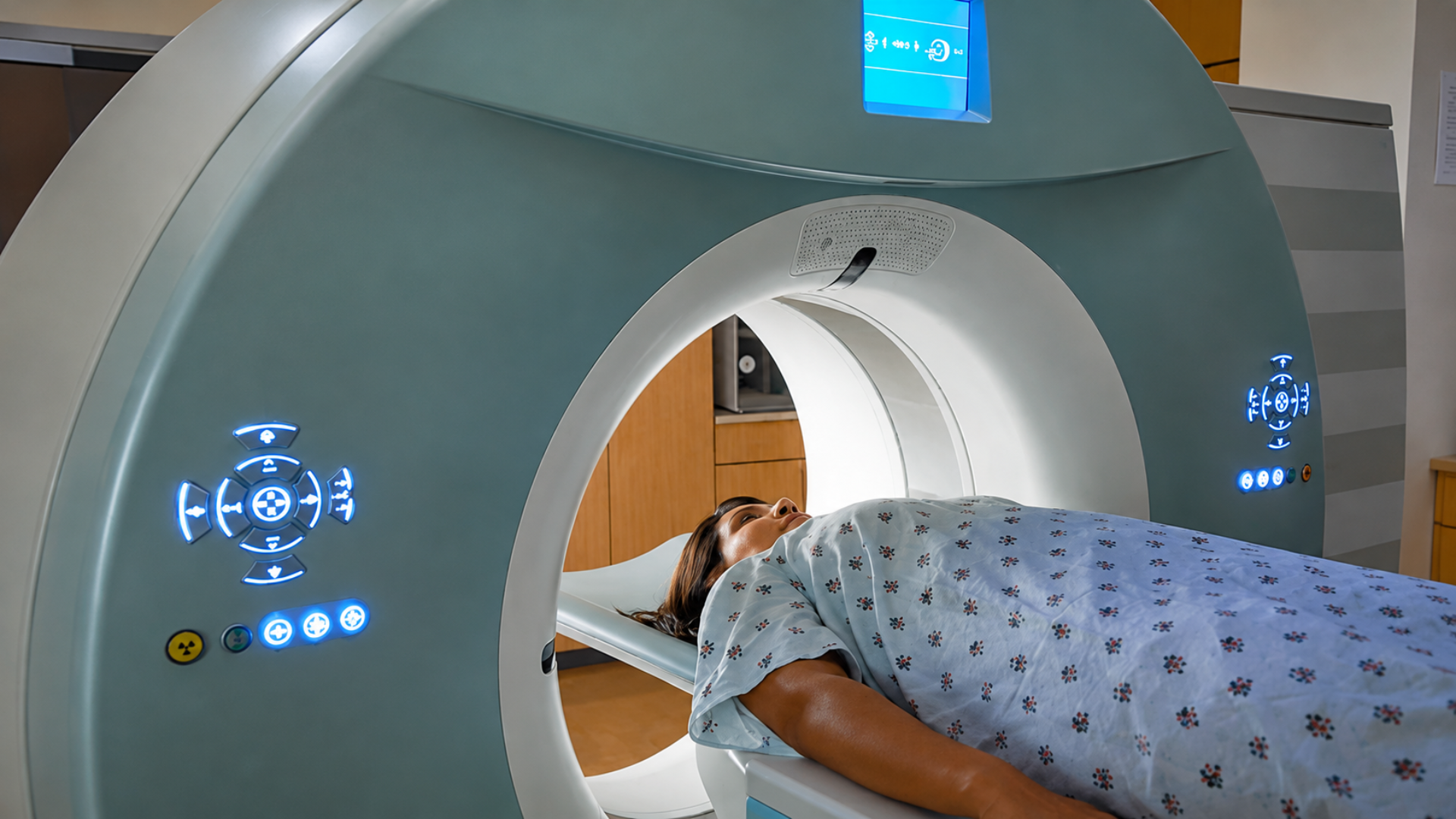
On March 17, 2025, Barksdale’s results came back. The biopsy showed an aggressive form of endometrial uterine cancer, and doctors moved quickly toward treatment. Barksdale said she began researching the diagnosis online and found survival estimates as low as five years. “The first thing that came to mind, I thought I was going to die, so I started researching,” Barksdale told CBS Atlanta. She told her sons she might not survive.
Barksdale Says the Diagnosis Sent Her Into a Deep Depression

The diagnosis sent Barksdale into what she has described as a deep depression. She began preparing her sons for the possibility of losing her, including funeral arrangements. Barksdale later said the ordeal brought on thoughts of taking her life as she came to terms with what she believed was a terminal illness, according to a report from CBS Atlanta. Doctors, meanwhile, moved forward with plans for surgery to remove the cancer they believed was spreading through her body.
A CT Scan Showed No Cancer. Surgery Was Recommended Anyway
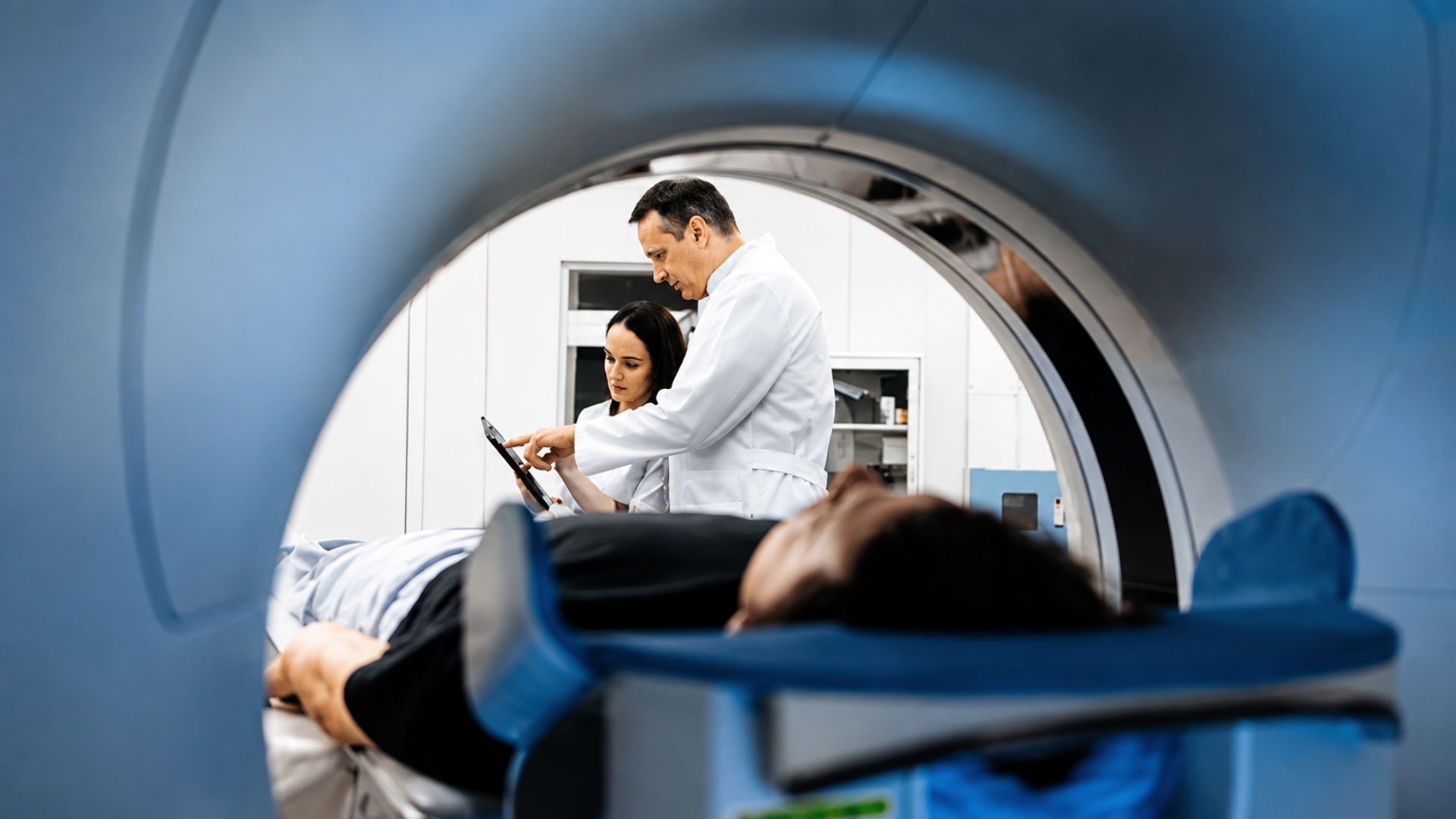
Before the hysterectomy, Barksdale underwent a CT scan. According to NBC News, the scan showed no evidence of cancer anywhere in her body. Despite that finding, her care team referred her to a specialist at Northside Hospital Atlanta, who reviewed her earlier imaging and pathology reports and recommended a total hysterectomy along with removal of her ovaries and several lymph nodes. Barksdale trusted the recommendation and scheduled the surgery.
Surgeons Remove Her Uterus, Ovaries and Fallopian Tubes
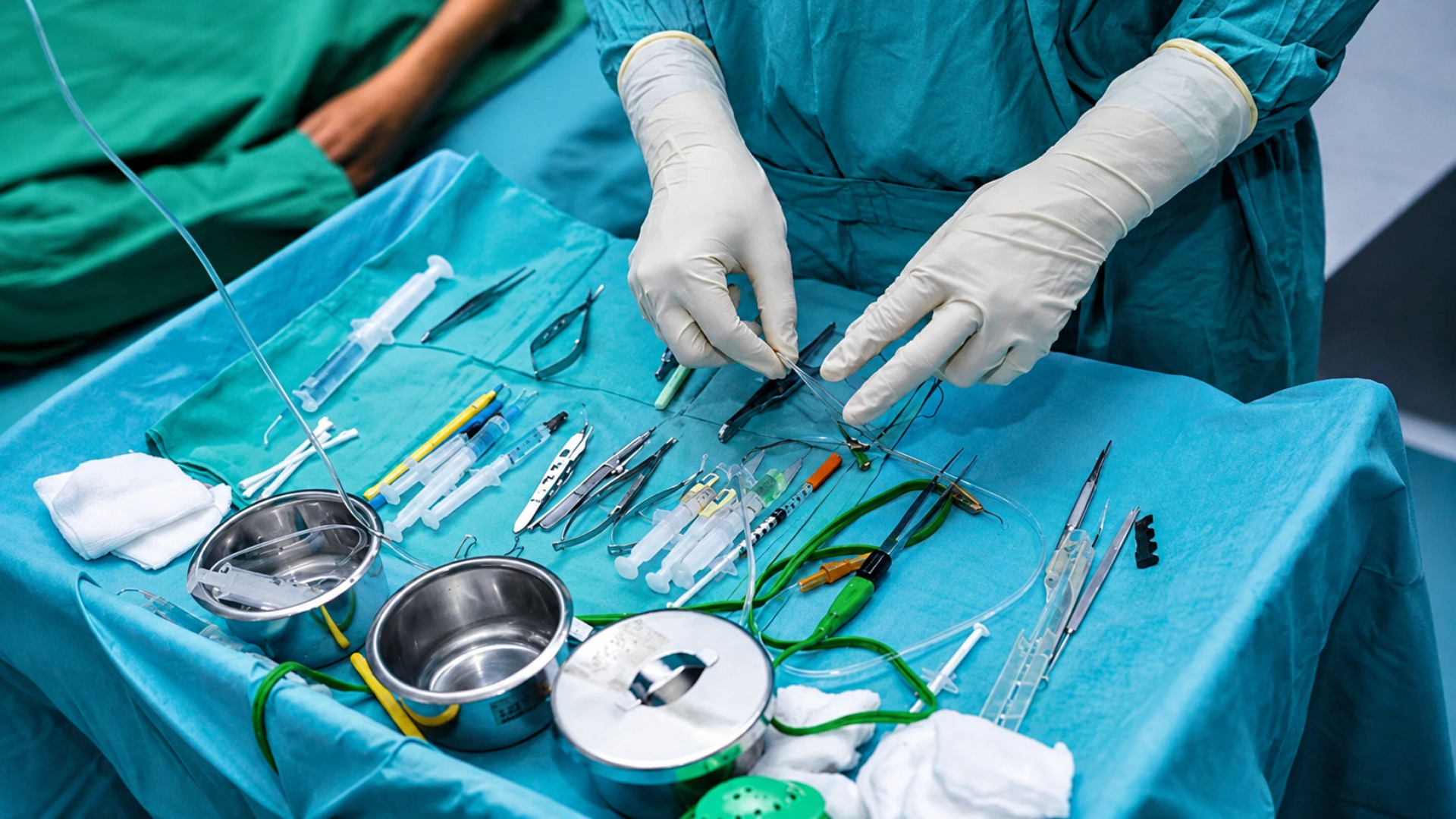
On May 15, 2025, surgeons removed Barksdale’s uterus, cervix, ovaries and fallopian tubes, along with four lymph nodes. The operation pushed her into premature menopause and ended any chance of having more biological children. She was told to expect instructions for chemotherapy to follow. Attorney Roderick Edmond later said the loss of her ovaries and fertility never should have happened, calling her surgical treatment for cancer entirely unnecessary.
Tissue Testing Finds No Cancer After the Surgery
Pathologists examined the tissue removed during Barksdale’s surgery. The results found no cancer or malignancy anywhere in her uterine cavity, according to court filings cited by NBC News. For months, Barksdale had no way of knowing. She continued to believe her body had been fighting a deadly disease, unaware that the organs she lost may have never carried the cancer doctors described to her.
A DNA Test Traces the Sample to Someone Else

Four months after the surgery, Kaiser Permanente contacted Barksdale with new information. A DNA analysis had traced the original tissue sample to a different patient altogether. The aggressive cancer that led to her hysterectomy was never hers. Attorney Shannan Young said Barksdale came to Kaiser Permanente looking for answers and left with a diagnosis that did not belong to her, with every step afterward built on that false information.
Barksdale Sues Kaiser Permanente in Clayton County

Barksdale and her attorneys filed a negligence lawsuit in Clayton County against Kaiser Foundation Health Plan of Georgia and related entities, along with the lab technicians accused of handling her sample. Attorney Roderick Edmond questioned, according to 11Alive, how a modern lab equipped with advanced technology could mix up two patients’ samples. Kaiser Permanente said in a statement that Barksdale should not have experienced this and that it had taken steps to prevent similar errors from happening again.
A Lawsuit Seeks Accountability for a Diagnosis That Was Never Hers
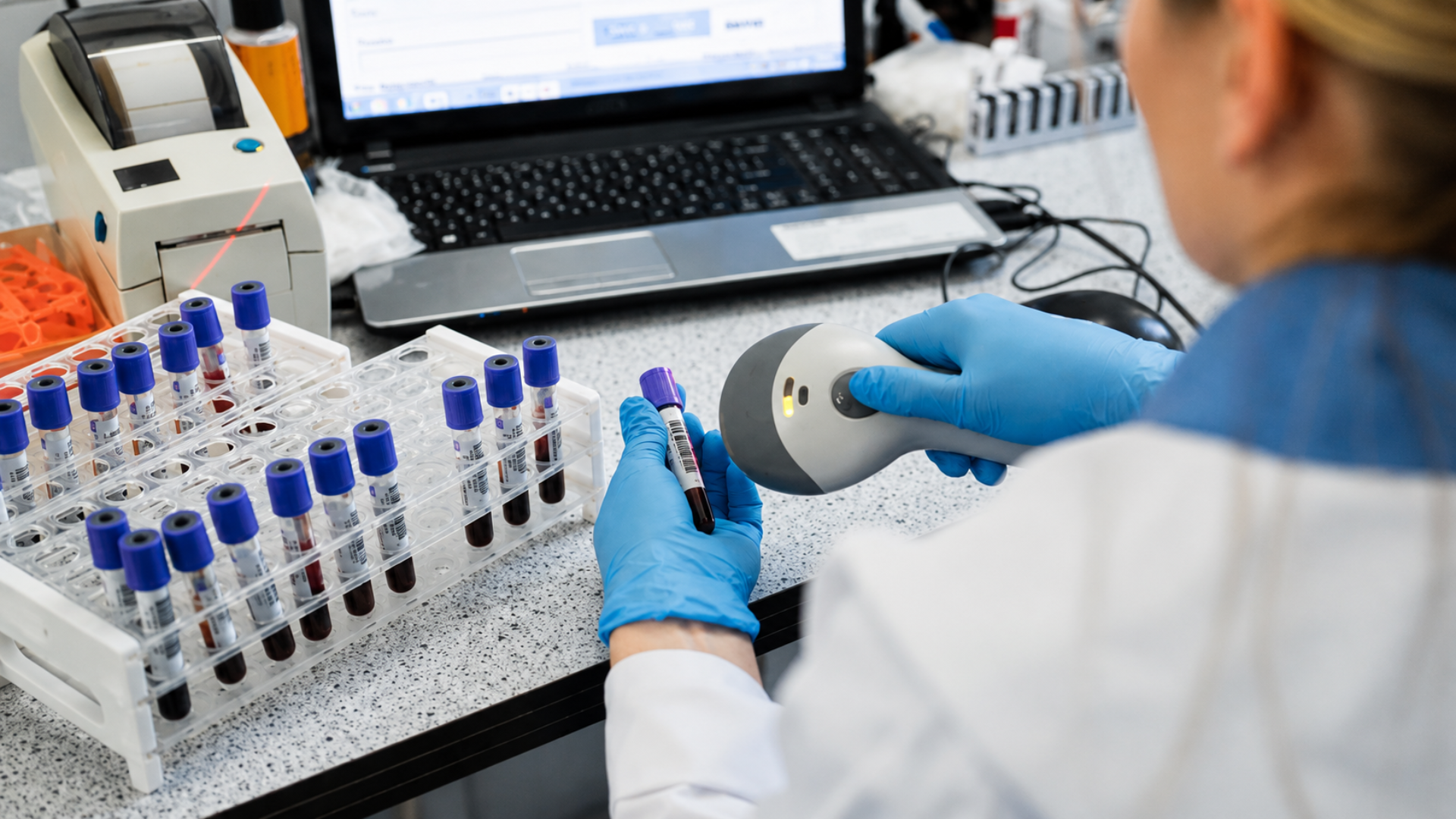
The lawsuit asks for unspecified damages, but attorney Shannan Young said no settlement can restore what Barksdale lost. Her healthy organs are gone. Her fertility is gone. Months of her life were spent grieving a disease she never had. Labs increasingly rely on barcode systems and point-of-care testing to catch mix-ups before they reach a patient. In Barksdale’s case, those safeguards failed, and the cost of that failure fell entirely on her.