She Pretended Her Son Had Cancer and Raised $60,000. Now She’s in Jail
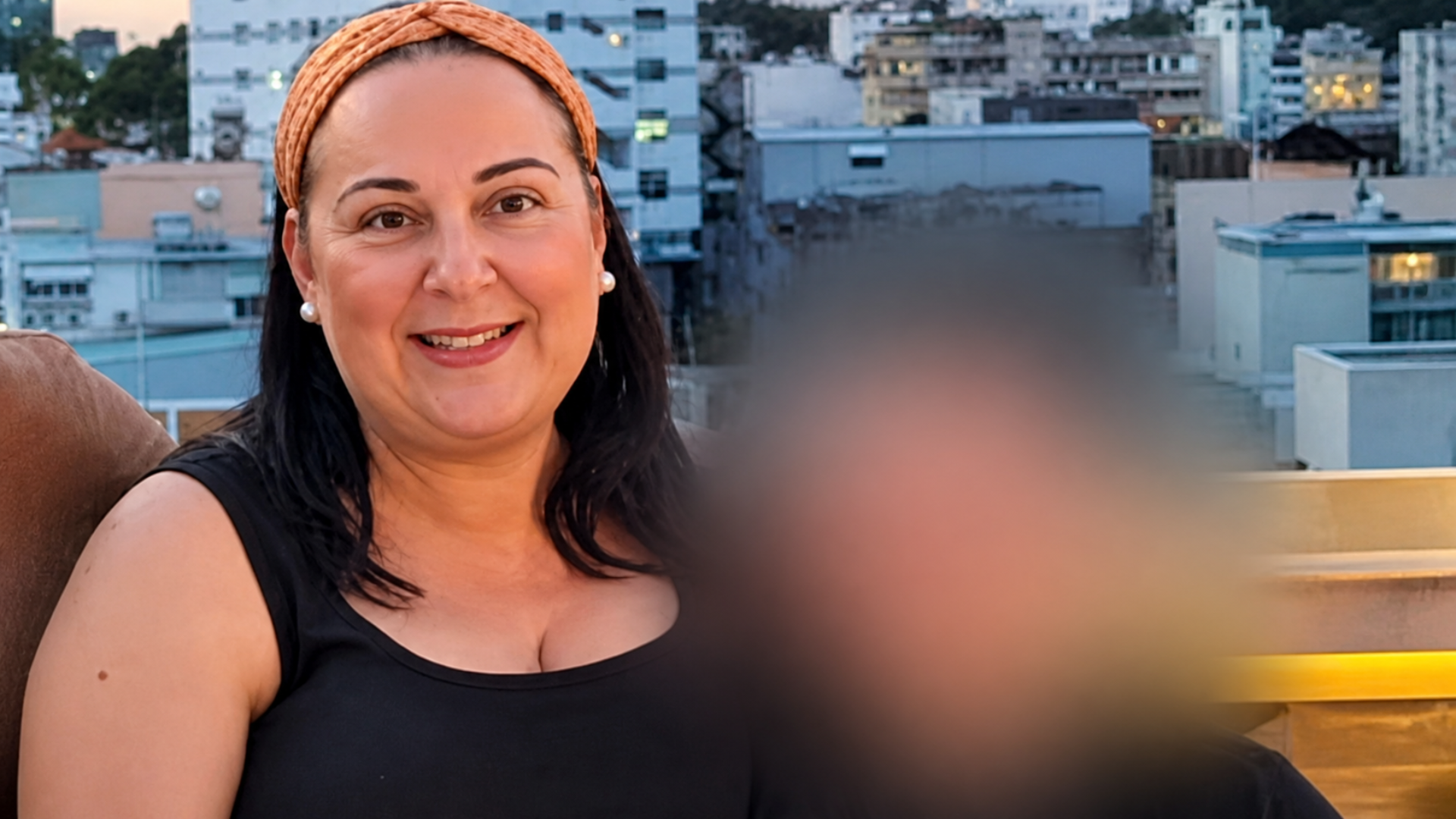

A six-year-old boy in South Australia spent months believing he had cancer. His head was shaved. His hands were bandaged. He was put in a wheelchair and given medication he did not need. None of it was real. His mother, 45-year-old Michelle Bodzsar of West Lakes, had invented the entire diagnosis to extract thousands of dollars in donations from family, friends, and her community. The scheme began with something ordinary.
It Started With an Eye Doctor Visit

The boy visited an ophthalmologist after an accident, a routine appointment that gave his mother an opening. After that visit, she told her husband, extended family, school staff, and neighbors that her son had been diagnosed with eye cancer. The diagnosis was completely fabricated. But it was delivered convincingly enough that the people closest to her family believed it without question and began rallying around them.
Making the Lie Look Real
To make the story believable, Bodzsar shaved her son’s head and eyebrows, bandaged his head and hands, and gave him pain relief and health supplements. She forced him to use a wheelchair and restricted his daily activities, creating the impression he was undergoing radiation treatment. The boy had no way to understand what was being done to him. He experienced the physical and emotional weight of a cancer patient while his mother carefully managed every detail of the performance around him.
A Community Opened Its Wallets

The people around the family responded the way most people would: with sympathy, generosity, and trust. Donations began coming in from relatives, friends, and members of the school community. Bodzsar raised more than $13,000 through her offending, according to court records, though other reports place the total raised across the full scheme at approximately $60,000. The money was not set aside for medical treatment. It was used to fund the family’s lifestyle.
“The Life of the Rich and Famous”

Prosecutors described in court how the donations were spent. According to the prosecution, Bodzsar had used her son as a prop to deceive the people who loved her, then channeled the money so her family could live, in the prosecution’s words, “the life of the rich and famous.” Her lawyer acknowledged that she had been “living beyond her means” and held a “foolish and misguided” belief that her family needed the latest designer brands. The donations filled the gap her income could not.
Gambling, Debt, and a Pandemic Spiral
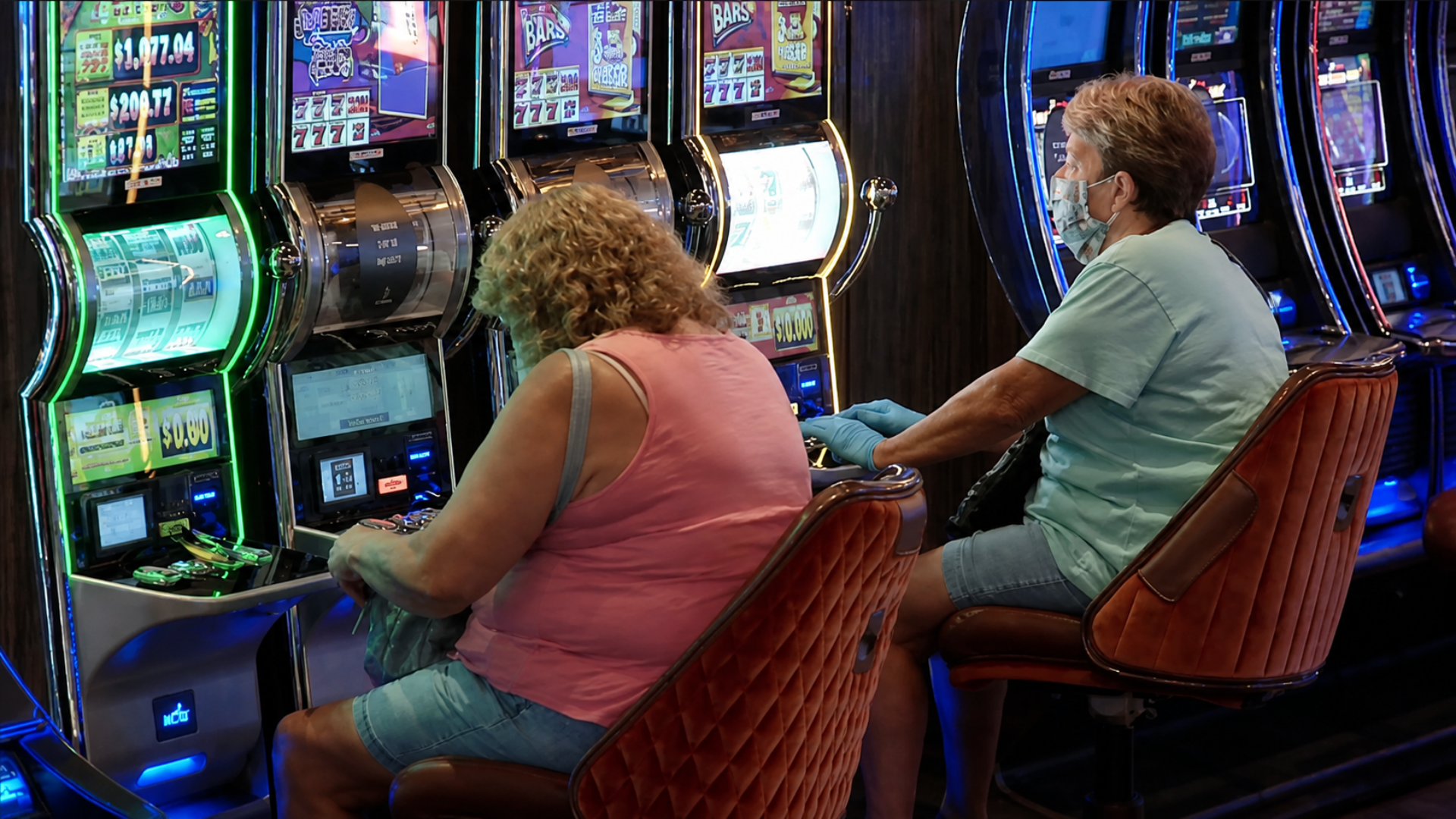
Bodzsar’s defense pointed to a specific turning point. Her lawyer told the court that she had developed a serious gambling addiction during the Covid-19 pandemic and had seized on her son’s accident as an opportunity to ease mounting financial pressure. The defense described her actions as a “monumental and grave lapse in judgment” driven by stress, not malice, and noted she had been diagnosed with borderline personality disorder. She pleaded guilty and, according to her lawyer, never intended to harm her son or her family.
The Judge Was Not Persuaded
District Court Judge Geraldine Davison rejected the argument that gambling and financial difficulty were the root cause of the offending. “Your offending is far more cruel and manipulative,” Judge Davison said, telling Bodzsar directly that she refused to accept financial stress as the central explanation. The judge described the conduct as calculated and deliberate, not the product of a momentary breakdown. The child at the center of the scheme, the court noted, had genuinely believed he was sick throughout the entire ordeal.
A Facebook Post Written in the Voice of a Grieving Mother
While the scheme was still active, Bodzsar posted publicly on Facebook. In a post titled “A Letter to My Boy,” she wrote about her son’s suffering in intimate detail, describing his screams when taking medicine, his confusion, and her own pain as a mother watching him endure it. She wrote: “A mother’s love burns from the inside out, something you will never see, only feel.” The post was a performance of grief for a disease she had invented. It helped sustain the donations.
A Husband Left Devastated, a Family Torn Apart

Bodzsar’s husband was initially charged in connection with the case, but police later dropped the charges against him. In his victim impact statement, he said his wife had “destroyed me and my children’s lives.” He told the court he had trusted her completely and never questioned her. “I was devoted to our family,” he wrote. “Now I feel like a pawn in a chess game.” Outside court, he told reporters, according to the ABC, that no prison sentence could ever justify what had been done to his children.
Four Years in Prison, and Questions That Linger

Judge Davison sentenced Bodzsar to four years and three months in prison. She had been held in custody since her arrest in December 2024 and will be eligible for parole in April 2026. She was convicted on 11 counts, including one charge of conduct likely to cause harm to a child. What remains harder to measure is the damage done to a boy who spent months of his childhood thinking he was dying. Whether the legal system’s response is ever adequate in cases like this is a question her husband’s words may have already answered.