Senate Returns From Recess as 19 States’ Daylight Savings Time Laws Sit in Limbo
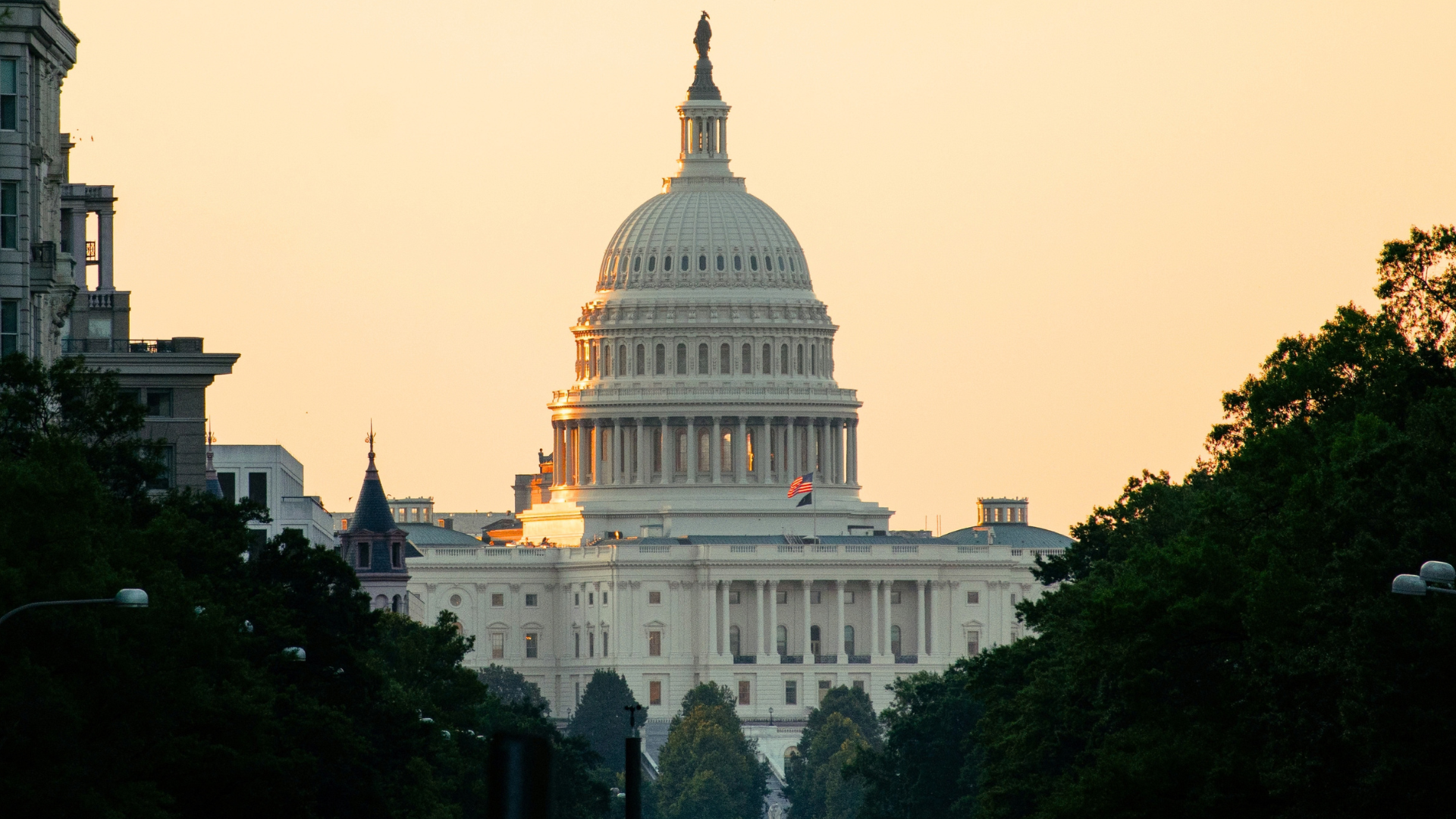

The debate over whether Americans should continue changing their clocks twice a year is back in focus as the Senate returns from its summer recess. Nineteen states have already enacted laws calling for permanent daylight saving time, but those laws cannot take effect under current federal law because states need congressional authorization to observe daylight saving time year-round.
The issue centers on the Sunshine Protection Act, which would make daylight saving time the national standard and eliminate the spring and fall clock changes for most of the country. The House passed the measure on July 14 by a bipartisan 308-117 vote, but the legislation still needs Senate approval before it could become law.
The timing is important because Americans are currently scheduled to turn their clocks back one hour on November 1, 2026. Unless Congress changes the law before then, the existing system will remain in place and the 19 states with permanent-DST legislation will continue waiting for federal action.
Which States Have Already Approved Permanent Daylight Saving Time?

The 19 states are Alabama, Colorado, Delaware, Florida, Georgia, Idaho, Louisiana, Maine, Minnesota, Mississippi, Montana, Oklahoma, Oregon, South Carolina, Tennessee, Texas, Utah, Washington and Wyoming. Florida was the first to enact a permanent-DST law in 2018, and other states followed with legislation over the next several years.
Several of the laws contain additional conditions. For example, Delaware’s legislation depends on Maryland, New Jersey and Pennsylvania also adopting permanent daylight saving time, while some Western states have tied their laws to neighboring states taking similar action. Idaho’s law applies only to its Pacific time zone, and Oregon’s legislation excludes Malheur County and includes a condition involving California.
That means the 19 states are not all in exactly the same position. Their legislatures have expressed support for year-round daylight saving time, but federal restrictions and, in some cases, conditions involving neighboring states prevent those laws from automatically changing what residents see on their clocks.
The Senate Faces Arguments Over Morning and Evening Sunlight
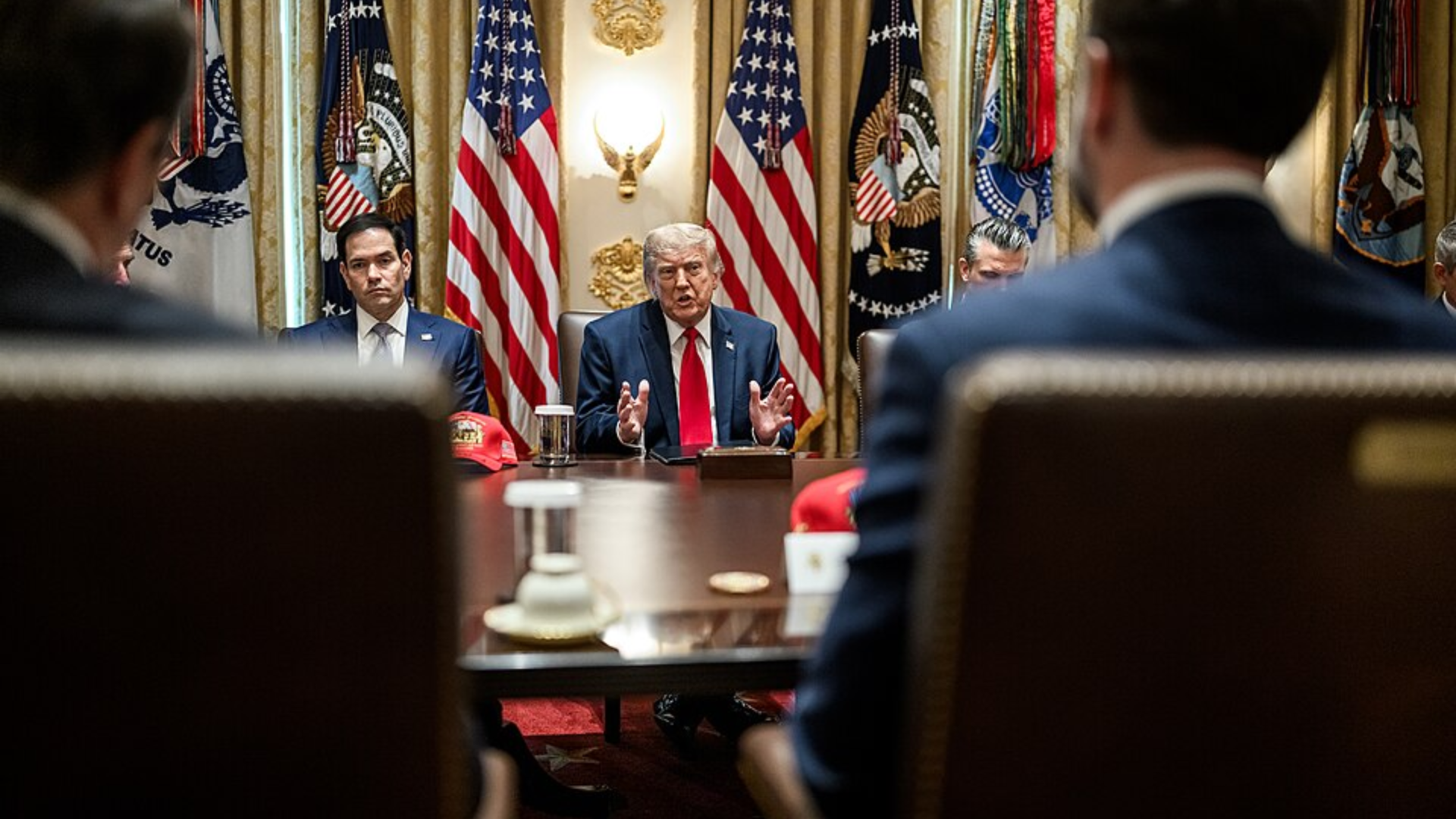
Supporters of permanent daylight saving time argue that keeping the later summer sunset all year would give people more daylight after work and school. The House legislation would eliminate both annual clock changes while allowing states to opt out and remain on standard time year-round if they act before the federal change takes effect.
Opponents have focused heavily on what permanent daylight saving time would mean during winter mornings. In northern and western portions of time zones, a permanent one-hour shift could mean significantly later sunrises, potentially leaving some children commuting to school and workers heading to their jobs before sunrise. Those concerns have contributed to opposition from lawmakers representing states where winter daylight is already limited.
There is also disagreement about which permanent system would be preferable. An AP-NORC poll conducted in October 2025 found that 56% of Americans preferred year-round daylight saving time, while 42% preferred year-round standard time. Only 12% favored continuing the current twice-yearly clock changes, illustrating that many Americans want a change even though there is less agreement about what that change should be.
The Clock Could Still Change Again This November
The Senate returned from its summer recess on September 14, but no vote on the Sunshine Protection Act has been scheduled. The chamber’s limited legislative calendar means lawmakers have only a short period to act before the November 1 clock change, leaving the future of the 19 states’ laws unresolved for now.
If Congress does not pass the legislation, the current system will continue and most Americans will turn their clocks back one hour on November 1. Hawaii, most of Arizona and several U.S. territories already remain on standard time year-round and would not be affected by the normal fall clock change.
For now, the situation remains a matter of federal law rather than something individual states can simply implement on their own. The 19 states have already taken legislative steps toward permanent daylight saving time, but until Congress changes the federal rules, Americans should expect the familiar fall clock change to remain on the calendar.