Seattle Residents Say They’re in ‘Survival Mode’ as Rising Costs Force Families to Sell Their Homes



Seattle is home to some of the nation’s highest-paying industries, from technology and aerospace to biotechnology, and the average hourly wage in the Seattle-Tacoma-Bellevue metro area exceeds $44 an hour, about 33% higher than the national average. Yet higher pay has not translated into greater financial security for many households. With inflation in the region remaining above the national average and housing among the most expensive in the country, many middle-class families say they’re cutting everyday expenses, postponing major life decisions, and even selling their homes just to stay ahead of rising costs.
Families Say They’re Living in “Survival Mode”

The concerns of Seattle families recently drew national attention after Fox News highlighted the experiences of residents who say rising costs are forcing difficult financial decisions. The report, based on original reporting by The Seattle Times, follows families who have cut back on everyday spending, delayed major life plans, or decided to sell their homes altogether as inflation continues to outpace their budgets. Among them is Liesl Gatcheco, who said her family is downsizing after months of tightening expenses. “It’s very stressful,” she said. “I feel like I’ve been living emotionally in survival mode.”
Even Six-Figure Incomes Aren’t Eliminating Financial Anxiety

Seattle’s affordability challenges increasingly affect households that would be considered financially comfortable elsewhere. Jorge Aranda and Mattie Gottbrath bring home roughly $173,000 annually, yet still question whether they can afford to raise children in the city they now love. After relocating from St. Louis, they found that higher salaries were quickly offset by much steeper housing, food, and everyday living expenses. Although they remain financially stable and debt-free, buying a home and starting a family feel increasingly distant.
Everyday Purchases Now Require Tougher Choices

Many residents say inflation hasn’t only affected large expenses. It has changed ordinary routines. Some now compare gas prices across cities before filling up, while others have switched to public transportation after gasoline climbed above $6 per gallon. Dining out has become an occasional luxury instead of a weekly habit, with restaurant prices in the Seattle area rising 6.2% over the previous year. Even relatively high earners say they now carefully weigh purchases that once required little thought.
Housing Costs Continue to Shape Big Life Decisions

Housing remains the largest obstacle for many families. Aranda and Gottbrath estimate it could take another six to ten years to save enough for a down payment on a Seattle-area home, where the median single-family home sold for nearly $986,250 in June. They also worry about child care, which costs more than $2,500 per month for an infant in King County, forcing them to question whether remaining in Seattle is financially realistic once they have children.
Affordability Is About More Than Housing Alone

Federal housing guidelines consider housing affordable when it consumes no more than 30% of household income. But Seattle officials note that benchmark does not account for other essential expenses such as child care, medical bills, utilities, or transportation. A family may technically meet affordability standards while still struggling to cover everyday necessities, making the financial squeeze feel much greater than housing costs alone suggest.
The Pressure Isn’t Shared Equally

The affordability crisis also exposes long-standing disparities. According to the City of Seattle, renters are more likely than homeowners to be cost-burdened, while Black households and American Indian or Alaska Native households experience some of the highest rates of housing cost burdens. The city also notes that structural racism has created barriers to homeownership and wealth-building, contributing to ongoing housing insecurity for many communities.
Policymakers Hope More Housing Will Help
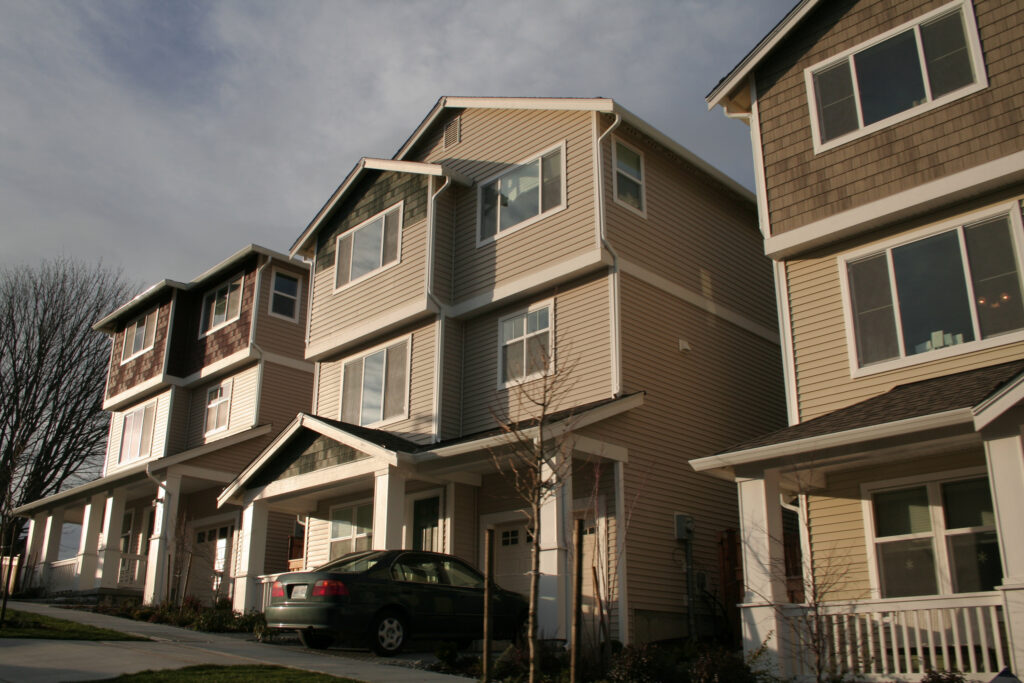
Federal lawmakers recently enacted the 21st Century Road to Housing Act, which aims to increase housing supply by limiting future corporate purchases of single-family homes and reducing barriers to building accessory dwelling units, duplexes, and other “middle housing.” Real estate experts say the law could improve inventory over time, but they caution that Seattle’s high demand means buyers should not expect immediate price relief.
Why Selling Feels Like the Only Option for Some

For Gatcheco’s family, downsizing is not about giving up but regaining a sense of control. Moving to a smaller home offers one of the few ways to reduce recurring expenses amid uncertain inflation and job security. Others are making similar calculations, scaling back entertainment, delaying home purchases, or reconsidering where they can realistically build their future. The decisions are deeply personal, but they reflect a broader affordability challenge affecting many middle-class households.
The Bigger Question Is Whether Families Can Still Build a Future in Seattle

Many residents say they are not eager to leave. They value Seattle’s neighborhoods, natural beauty, and communities they have built over years. But for some, rising housing costs, child care expenses, and everyday inflation are forcing difficult conversations about whether staying is financially sustainable. As local, state, and federal leaders pursue new housing policies, the outcome may determine not only who can afford to buy a home, but who can afford to keep calling Seattle home.