Report Finds App Delivery Orders Dropped by 1.7 Million Following New Wage Policy


Seattle promised its $26 minimum wage for delivery drivers would lift gig workers out of exploitation. Two years later, drivers say their hours shrank, not their paychecks. Customers watched a $12 sandwich balloon to $32 after new fees. DoorDash lost 1.7 million orders in the city. The law worked exactly backward from its promise. Something in that gap between intention and outcome demands an explanation.
Gig Work Spread Because People Wanted Flexibility, Not Despite It

Gig work spread across America because workers wanted control over their schedules, not because employers tricked them into it. Apps like DoorDash, Uber, Lyft, Rover, and TaskRabbit let people log on and off whenever they choose. Millions took these jobs precisely for that freedom. Activists call this arrangement exploitation. Workers who pick their own hours rarely describe it that way. Why did city leaders decide flexibility was the problem rather than the appeal?
Seattle’s Council Set a Price Without Asking What the Market Already Knew
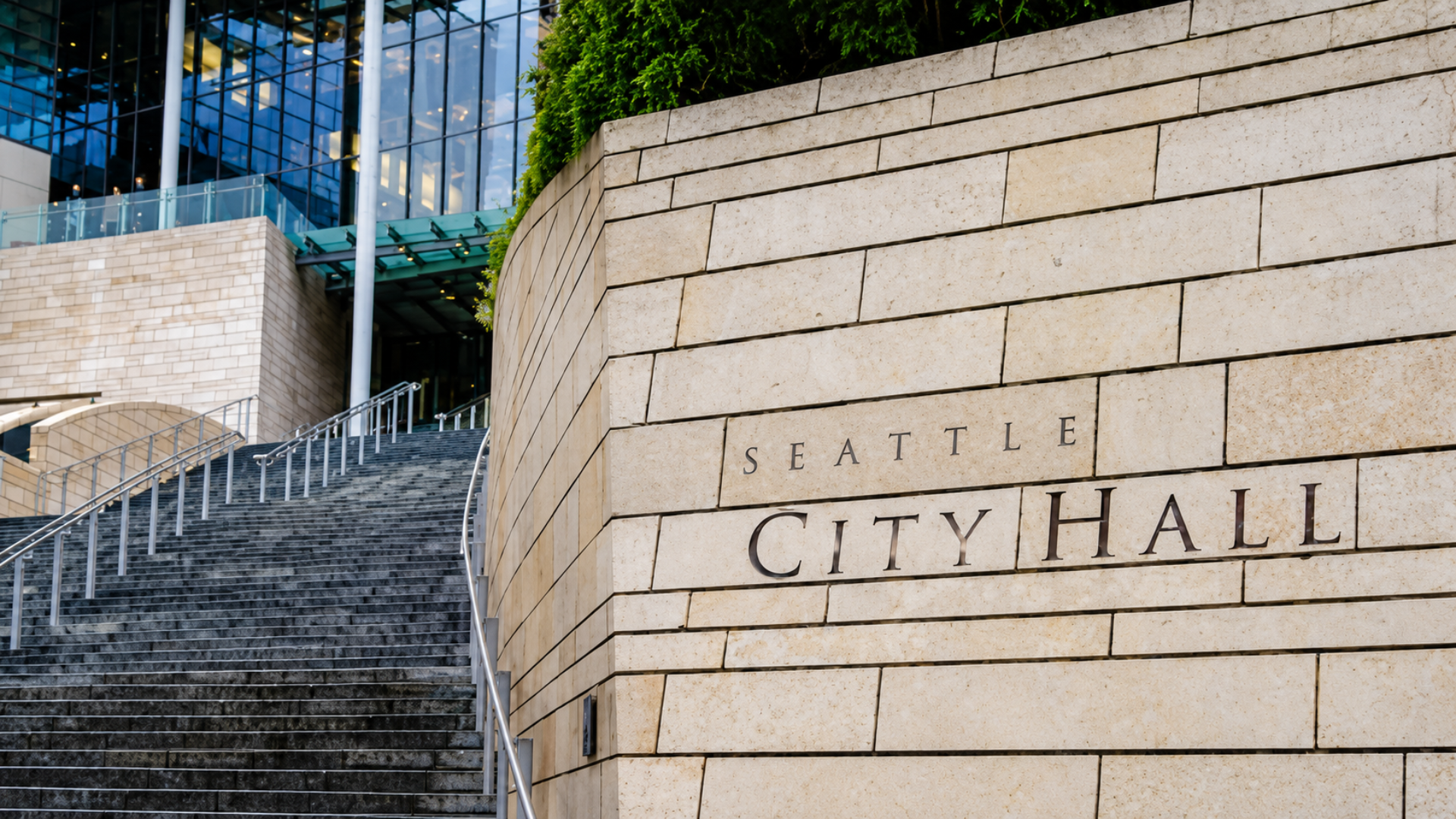
Seattle’s City Council believed it could price gig labor better than the market already had. In 2024, the council imposed a $26 minimum wage for delivery drivers. The goal was higher pay for workers doing dangerous, unpredictable work. Drivers didn’t see that raise show up in their pockets. Instead, the apps changed how they operated around the new rule. What happens when a law reshapes a business instead of a paycheck?
The Law Added a Fee Before It Added a Single Dollar to Tips
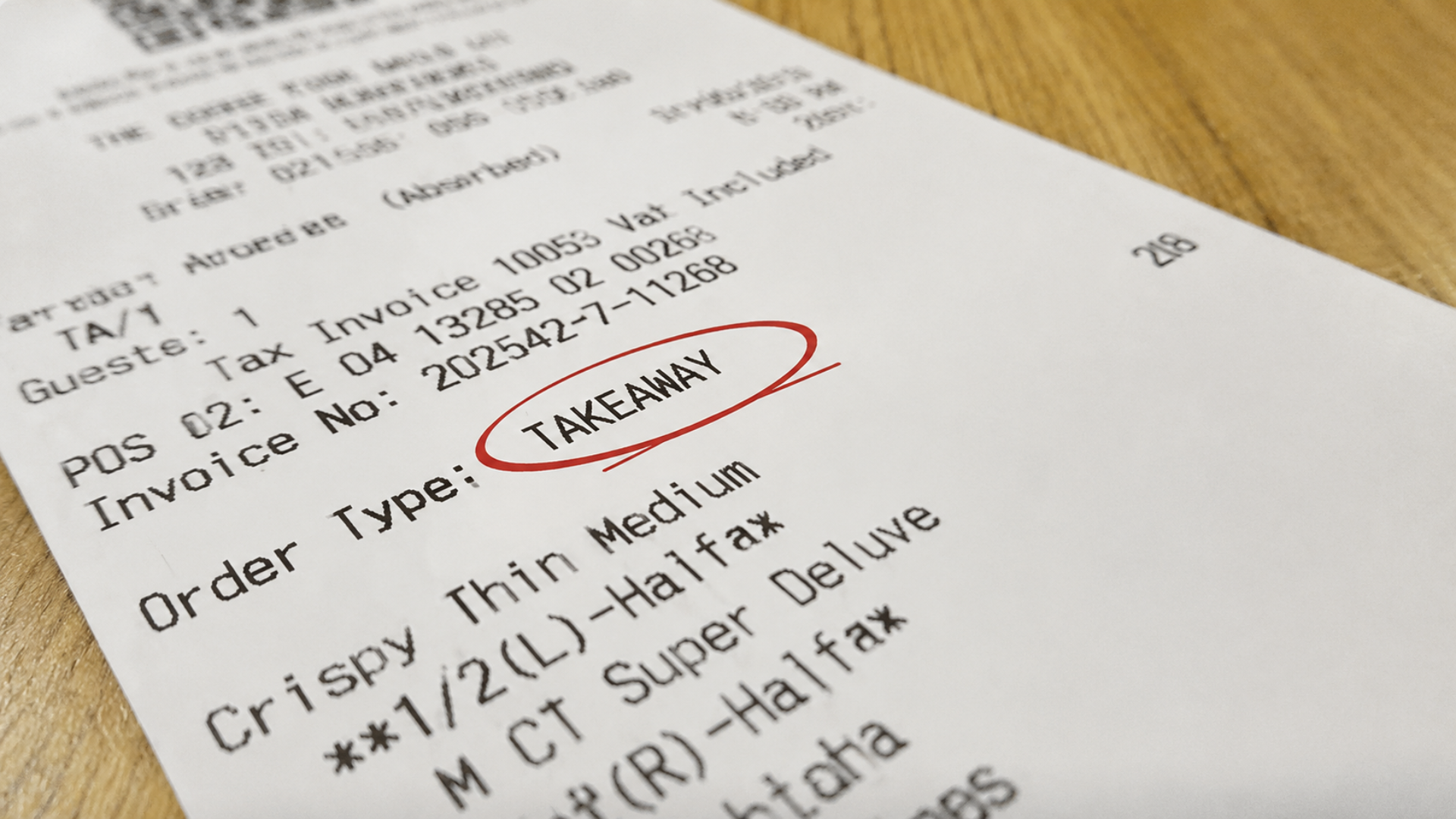
The new wage law triggered a fee long before any extra dollar reached a driver’s pocket. DoorDash and Uber Eats added a flat $5 charge to Seattle orders to cover the higher mandated pay. Customers felt that cost immediately at checkout. One Seattle resident said a $12 sandwich order ballooned to $32 after taxes, tips, and the new fee stacked together. Who actually paid for this worker protection, and who profited from calling it one?
Drivers Didn’t Get Richer, They Got Fewer Hours
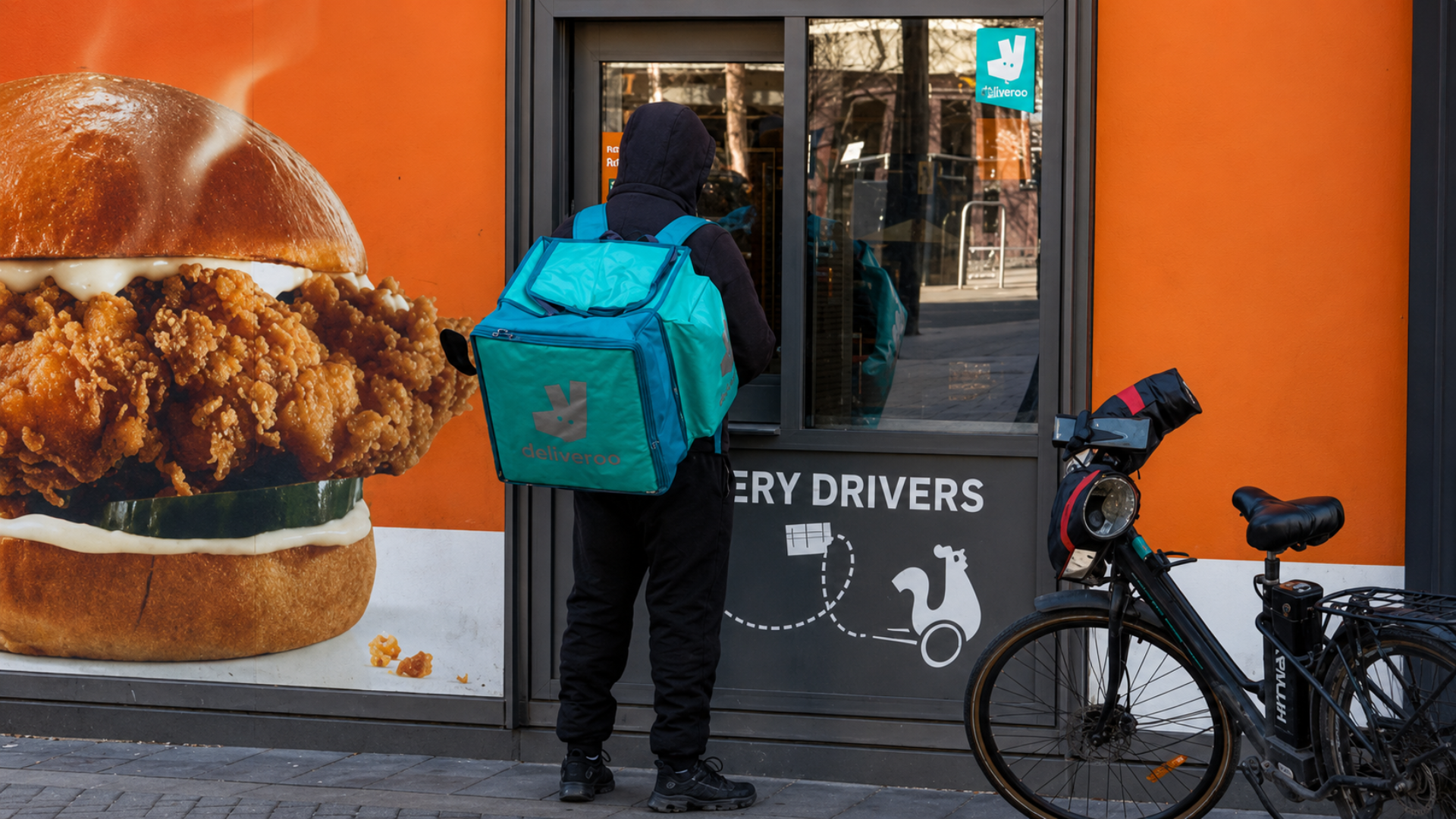
Higher mandated pay per job did not translate into higher earnings for Seattle’s gig drivers. According to DoorDash’s own data, Seattle orders fell by 1.7 million after the new wage took effect, meaning far fewer shifts for the drivers who needed the work. Fewer orders meant less work available to split among drivers. One driver said the job itself had slowed down since the law passed. A wage floor only helps workers if the work itself still exists to do.
An Economist Says City Hall Can’t Out-Think the Market

Economics professor Judge Glock argues that no city council can set wages as accurately as a competitive market already does. “These are unimaginably complicated markets where the company’s main job is interfacing between restaurants and delivery workers and customers,” Glock said. He added that officials regulating an industry after reading a few headlines lack the information that real-time competition provides. Can a handful of council members really out-calculate millions of daily transactions?
Even the Council President Admitted the Law Backfired

Former Seattle City Council President Sara Nelson acknowledged that the policy she helped pass caused real harm to the people it aimed to protect. “We created a problem and it’s our responsibility to fix it,” Nelson said. The council didn’t repeal the law. Instead, it chose to adjust its pay formula. Nelson argued that getting the formula right would have prevented the order decline entirely. Does tweaking a flawed formula fix the flaw, or just hide it?
New York Tried the Same Fix and Got the Same Failure
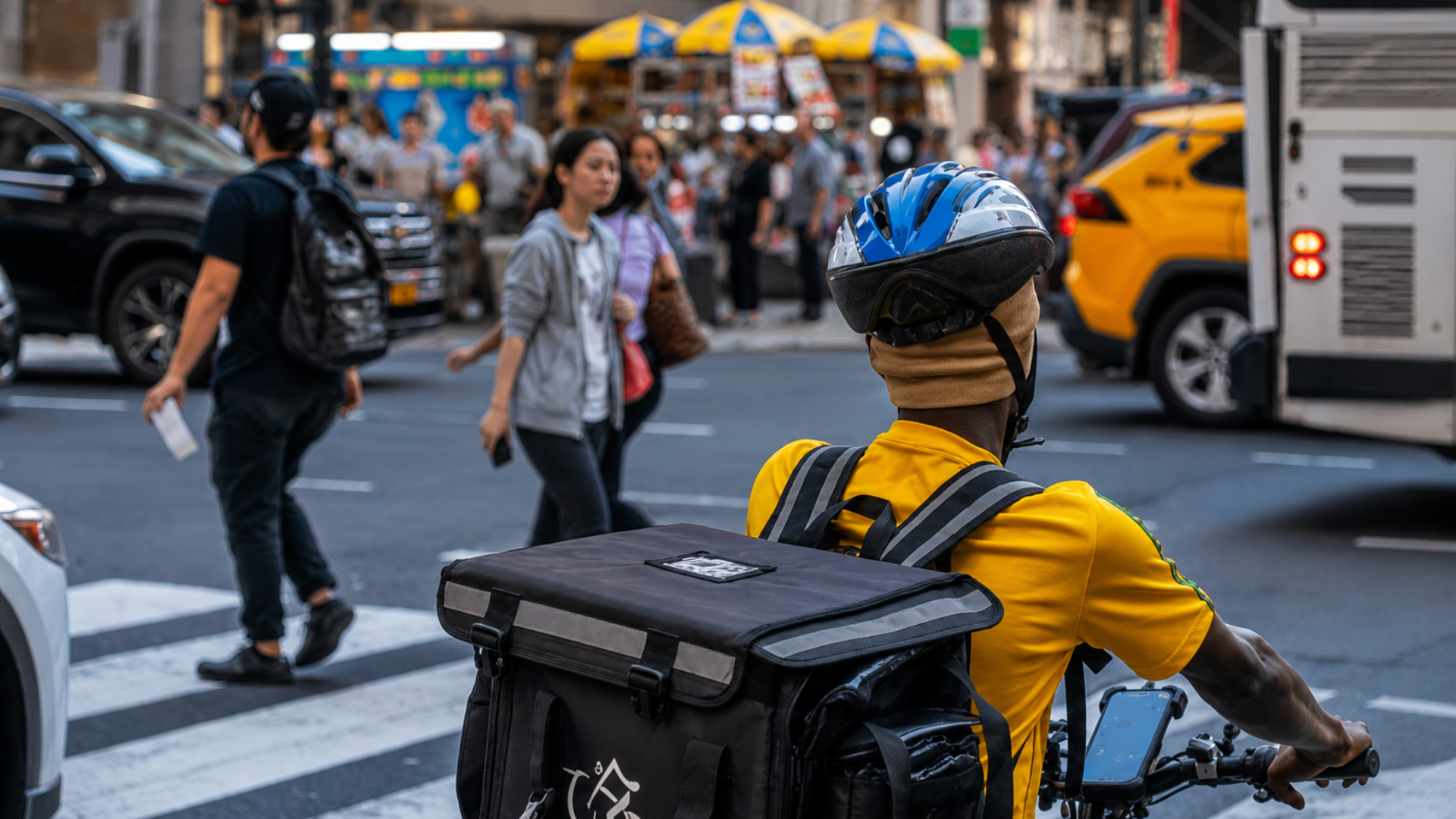
New York City ran a similar experiment, guaranteeing app-based drivers a minimum hourly wage of roughly twenty dollars. The result echoed Seattle’s. Glock said reduced tips and increased competition for available jobs erased the gains drivers were supposed to see. He calls it “this continual whack-a-mole tendency” where regulators chase market reactions with new rules. Two cities, one law, one outcome. What does it take before a pattern stops looking like a coincidence?
Competition, Not City Hall, Decides What Workers Actually Earn
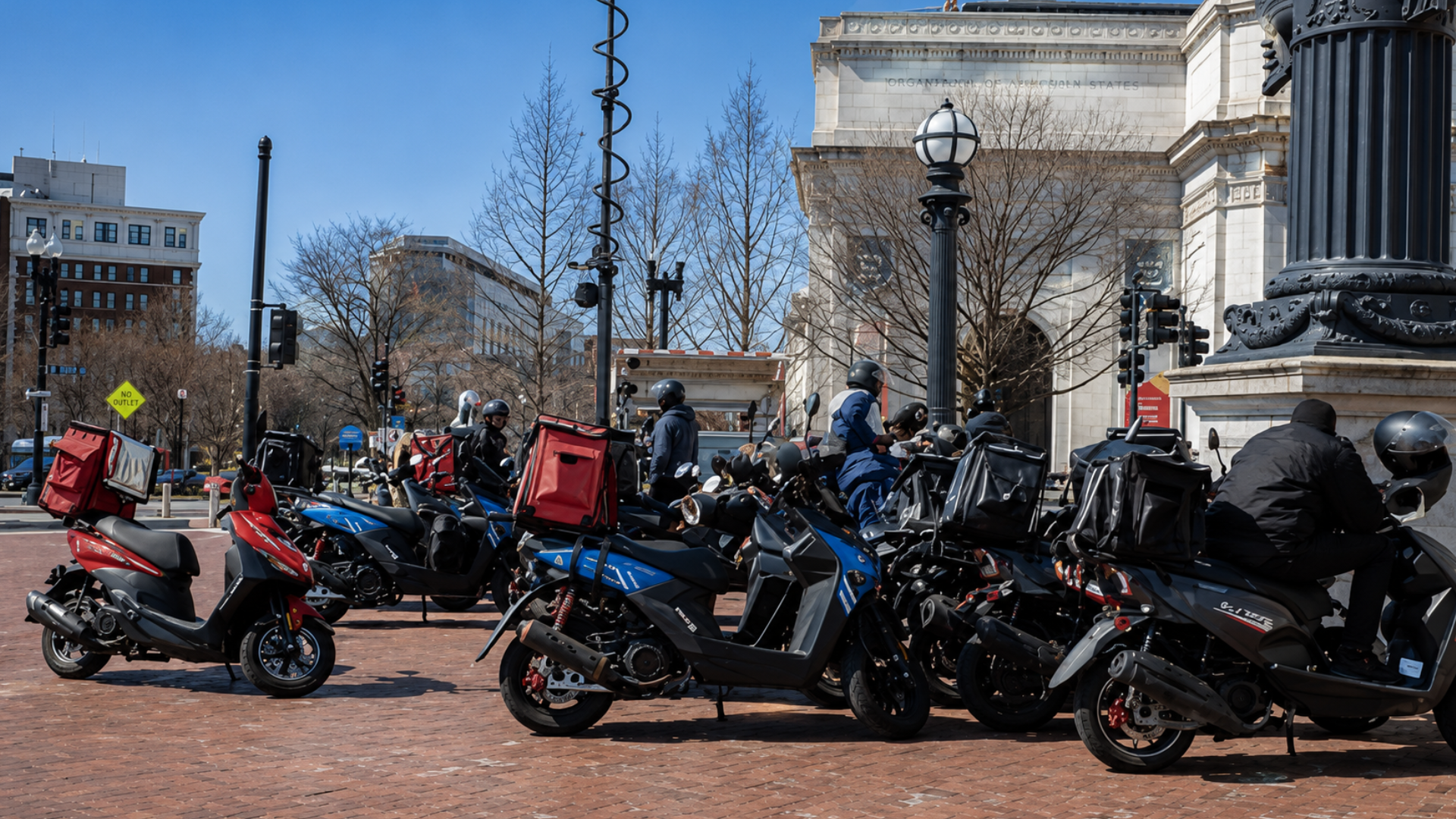
Competition, not a council vote, determines what gig workers actually take home. Companies that need drivers and customers raise pay and adjust prices constantly to keep both sides satisfied, without anyone passing a law. Glock said politicians often assume there’s “a fixed pot of money” they can hand out to the people they think need it most. That pot doesn’t exist. Seattle’s data backs that up. What replaces a broken price signal once politicians have already bent it?
The Sandwich Still Costs $32, and the Lesson Hasn’t Changed

That $12 sandwich still costs $32 in Seattle, and the law meant to fix gig work hasn’t been repealed, only renamed as a math problem. Drivers didn’t get the raise they were promised. Customers got the bill instead. That gap never closed. It just moved into a debate about better formulas. Maybe the lesson isn’t that the number was wrong. Maybe it’s that no number was ever going to work.