Scientists Warn Discarded SpaceX Rocket on Course for Possible Moon Collision
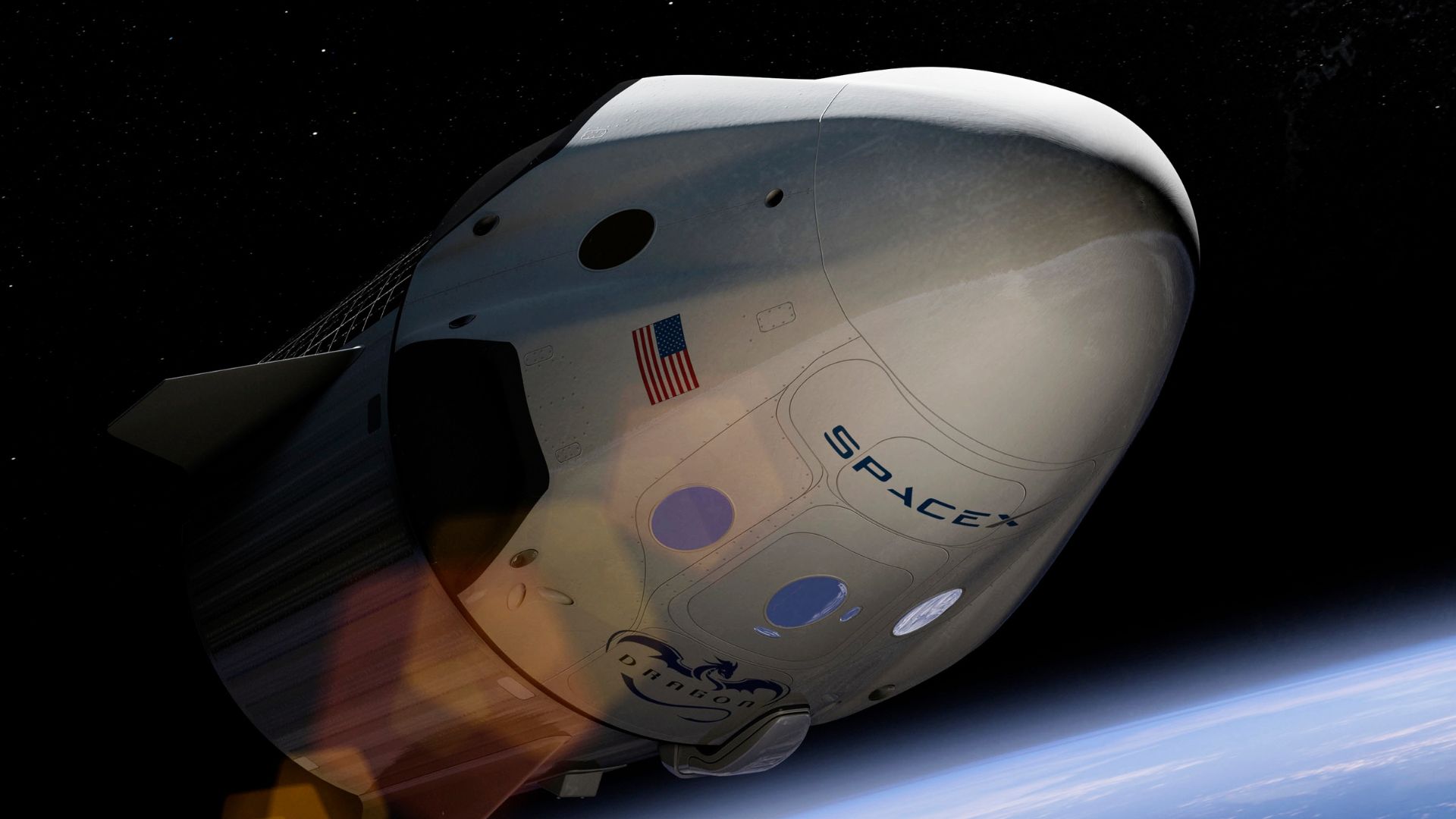

Space activity around the moon is becoming increasingly crowded, and a recently abandoned rocket stage is now drawing global attention. Astronomers tracking orbital debris believe a leftover section of a SpaceX Falcon 9 rocket could collide with the lunar surface later this year. While experts say the impact poses no immediate threat, the incident highlights growing concerns about how space agencies and private companies manage debris beyond Earth.
A Rocket Stage Left Drifting In Space
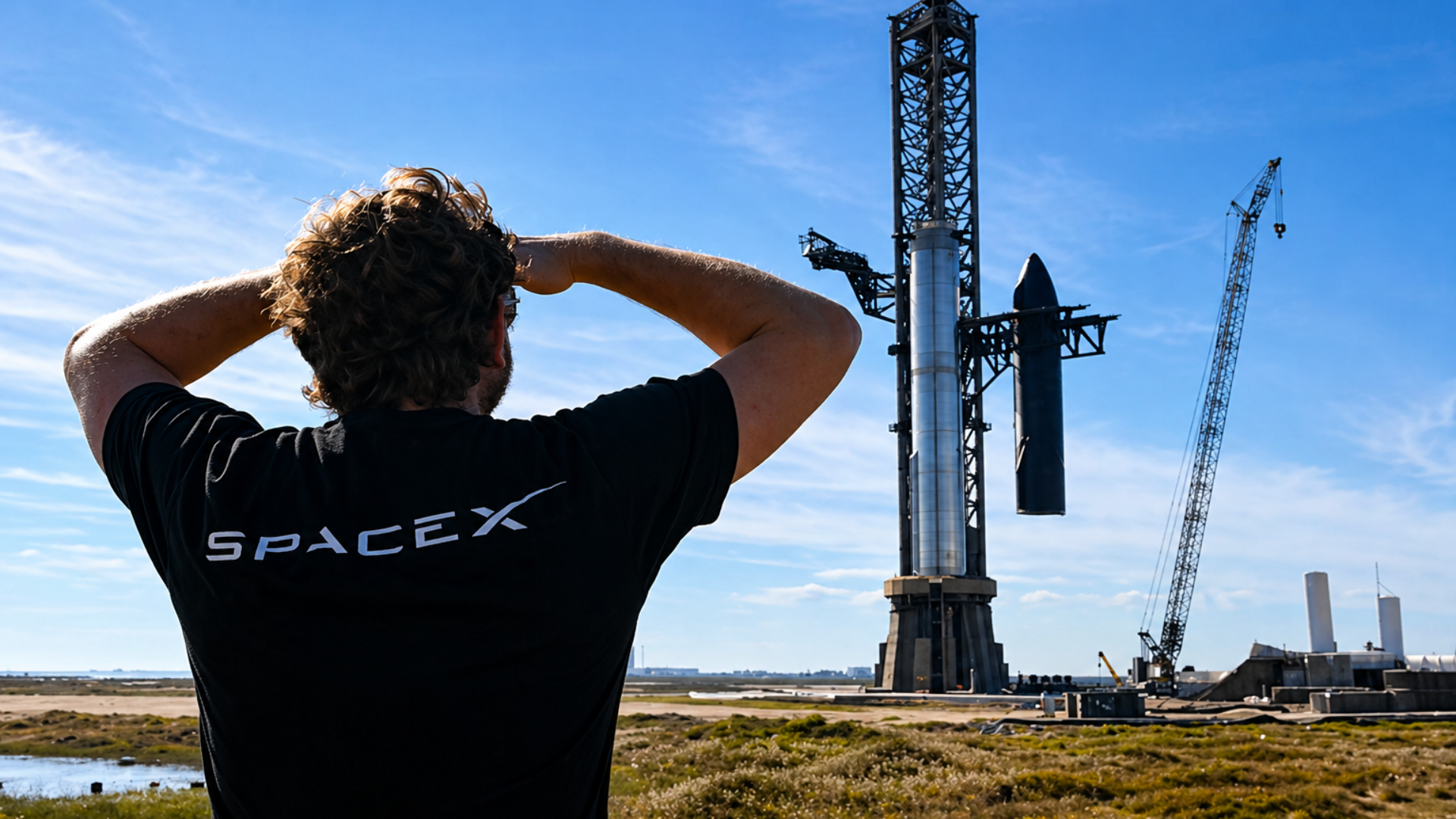
The object expected to strike the moon is the upper stage of a Falcon 9 rocket launched in early 2025. Measuring around 45 feet long, the discarded hardware remained trapped within the Earth-moon system after completing its mission. Instead of being redirected into a safer disposal path, the structure continued floating through space for months, eventually entering a trajectory that scientists now believe will end in a lunar collision.
The Mission That Sent The Rocket Toward The Moon
The Falcon 9 launch originally carried two separate lunar landers into space. One was the Blue Ghost lander from Firefly Aerospace, which successfully reached the moon in March 2025. The second spacecraft belonged to ispace and was part of the Hakuto-R mission. That lander later lost communication with Earth before ultimately crashing onto the lunar surface several months afterward.
Astronomers Tracked The Debris For More Than A Year
Professional astronomer Bill Gray monitored the discarded rocket stage using observational data gathered from multiple asteroid surveys. According to his analysis, the object was observed more than 1,000 times as it slowly traveled through the Earth-moon environment. Those repeated measurements allowed researchers to estimate the debris path with considerable precision.
Scientists Predict A Lunar Impact In August
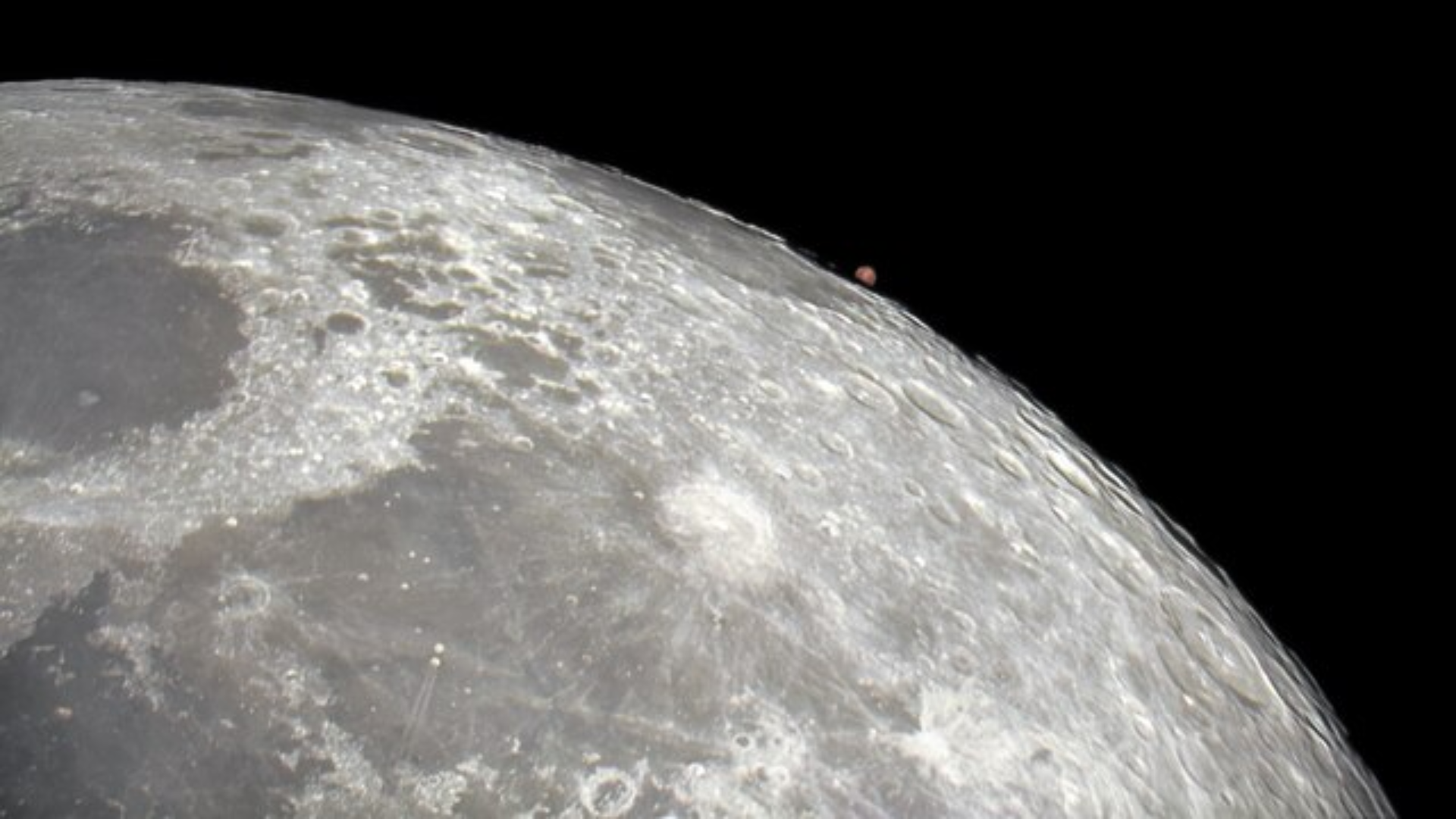
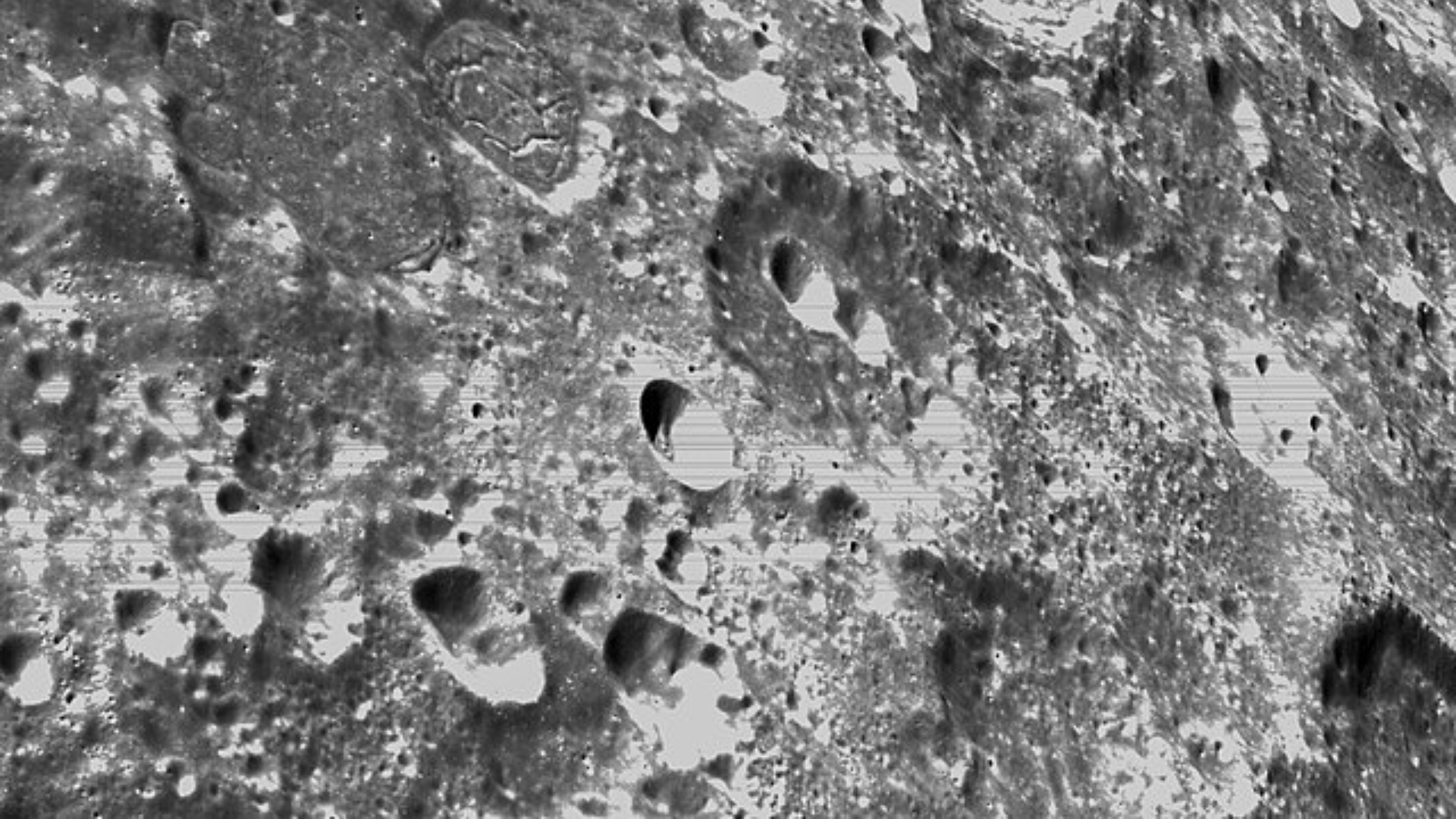
Current calculations suggest the rocket fragment could strike the moon on Aug. 5 at approximately 2:44 a.m. EDT. Researchers believe the impact site will likely be near the Einstein crater, located close to the boundary between the moon’s near side and far side. Although orbital predictions can change slightly over time, astronomers consider the current estimate highly reliable based on the available tracking data.
Gravity Continues To Guide The Object’s Path
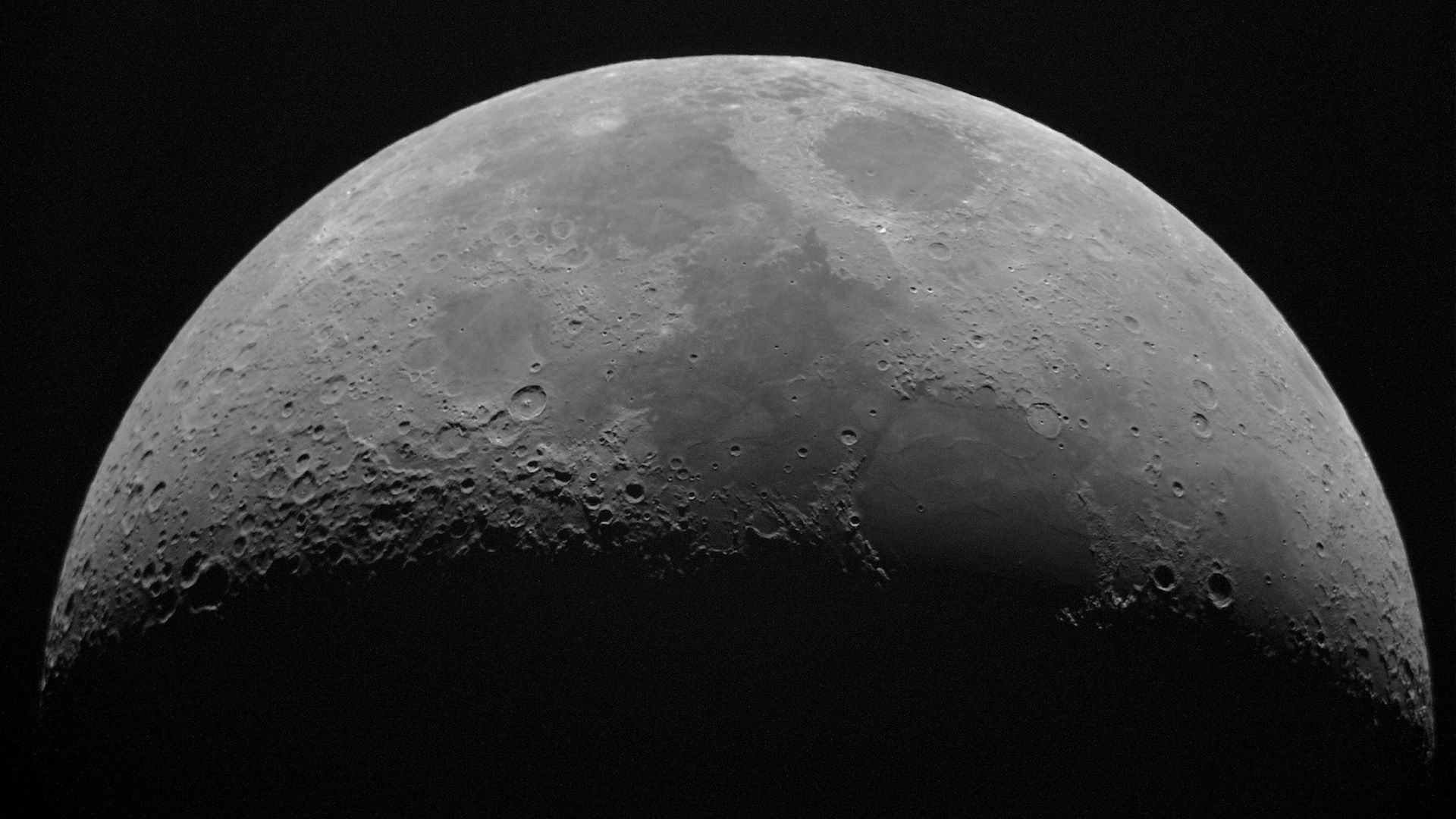
Experts explain that most abandoned spacecraft follow predictable orbital patterns once they are no longer under active control. The rocket stage is primarily influenced by the gravitational pull of Earth, the moon, the sun, and nearby planetary bodies. Scientists also noted that solar radiation pressure, caused by sunlight pushing against the object, may slightly alter the trajectory, though not enough to dramatically change the expected collision scenario.
The Impact Is Unlikely To Be Visible From Earth

Despite the dramatic nature of the event, astronomers do not expect skywatchers on Earth to witness a bright explosion. Researchers believe the collision flash will probably be too faint to observe, even using powerful telescopes. Instead, the scientific value may come later, when lunar orbiters or future missions examine the fresh crater created by the impact.
Researchers Have Successfully Predicted Similar Crashes Before
This is not the first time scientists have tracked uncontrolled debris heading toward the moon. In 2022, Bill Gray accurately forecast another lunar collision involving a discarded rocket body. At the time, researchers initially believed the object belonged to SpaceX, though it was later identified as a Chinese rocket booster. The prediction still proved remarkably accurate, with the estimated impact location and timing differing only slightly from the actual event.
The Rocket Could Strike The Moon At Extreme Speed
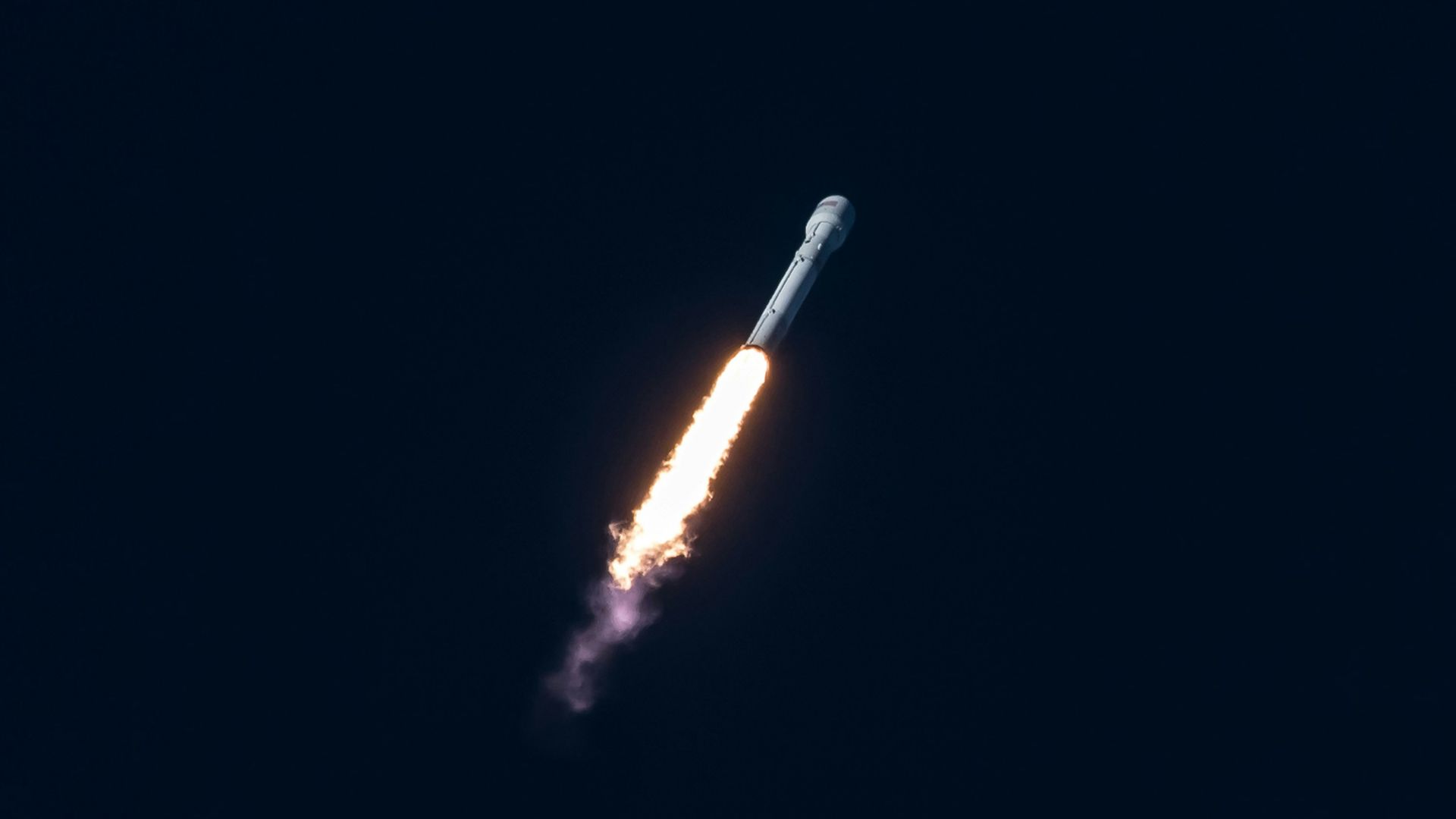
According to current projections, the debris may hit the lunar surface at nearly 5,400 miles per hour, or roughly 8,700 kilometers per hour. That velocity is approximately seven times faster than the speed of sound on Earth. Even though the moon lacks a thick atmosphere, an impact at such speed would still generate a noticeable crater and scatter lunar material across the surrounding terrain.
Future Lunar Missions Could Face Greater Risks
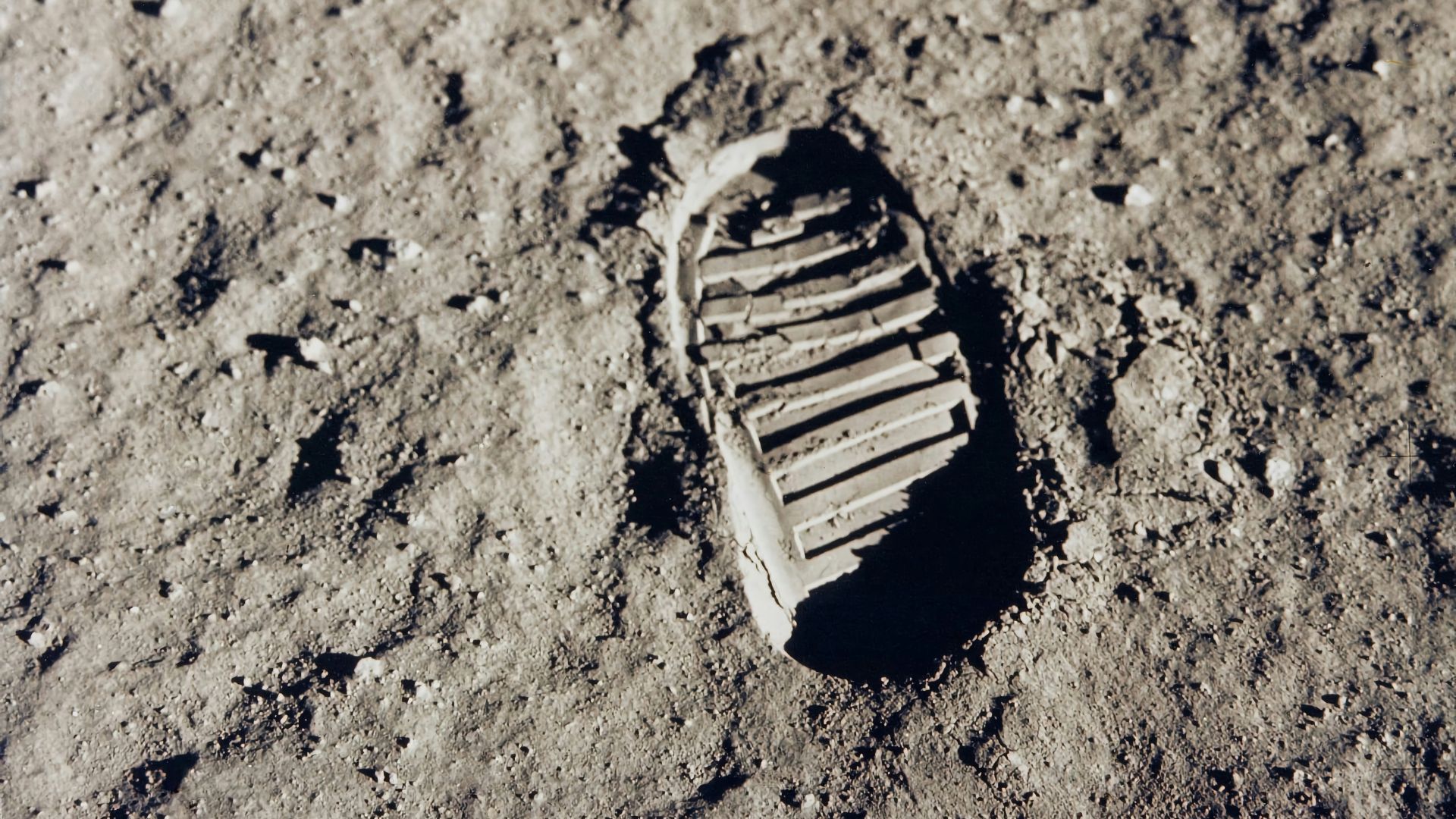
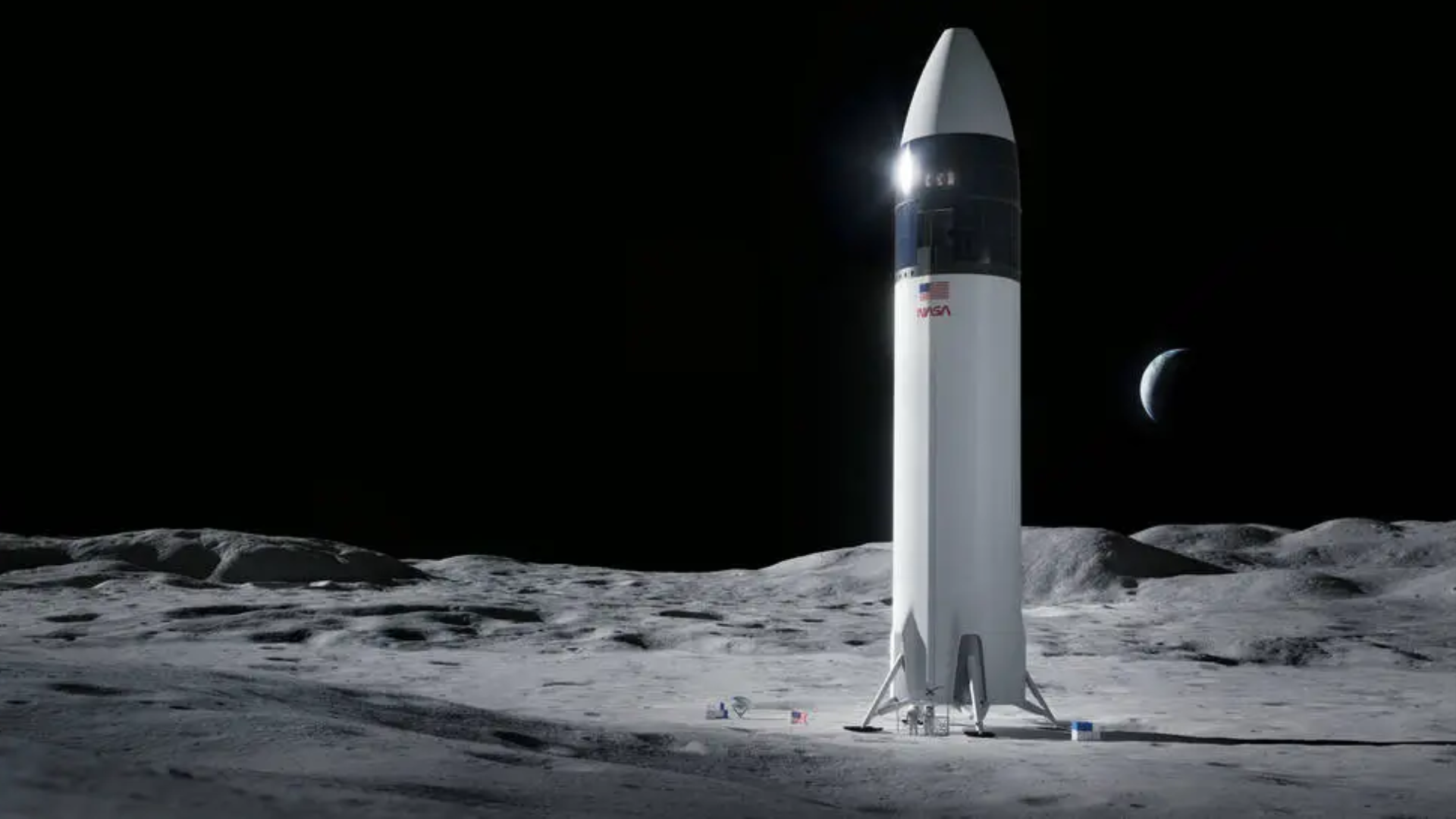
Today, the moon contains no permanent human settlements that could be threatened by orbital debris. However, that situation may change rapidly within the next decade. The United States plans to expand lunar exploration through future Artemis missions, while China continues advancing its own crewed moon program. As more spacecraft begin operating near the lunar surface, uncontrolled debris could become a far more serious concern.
Space Agencies Face Growing Pressure To Control Debris
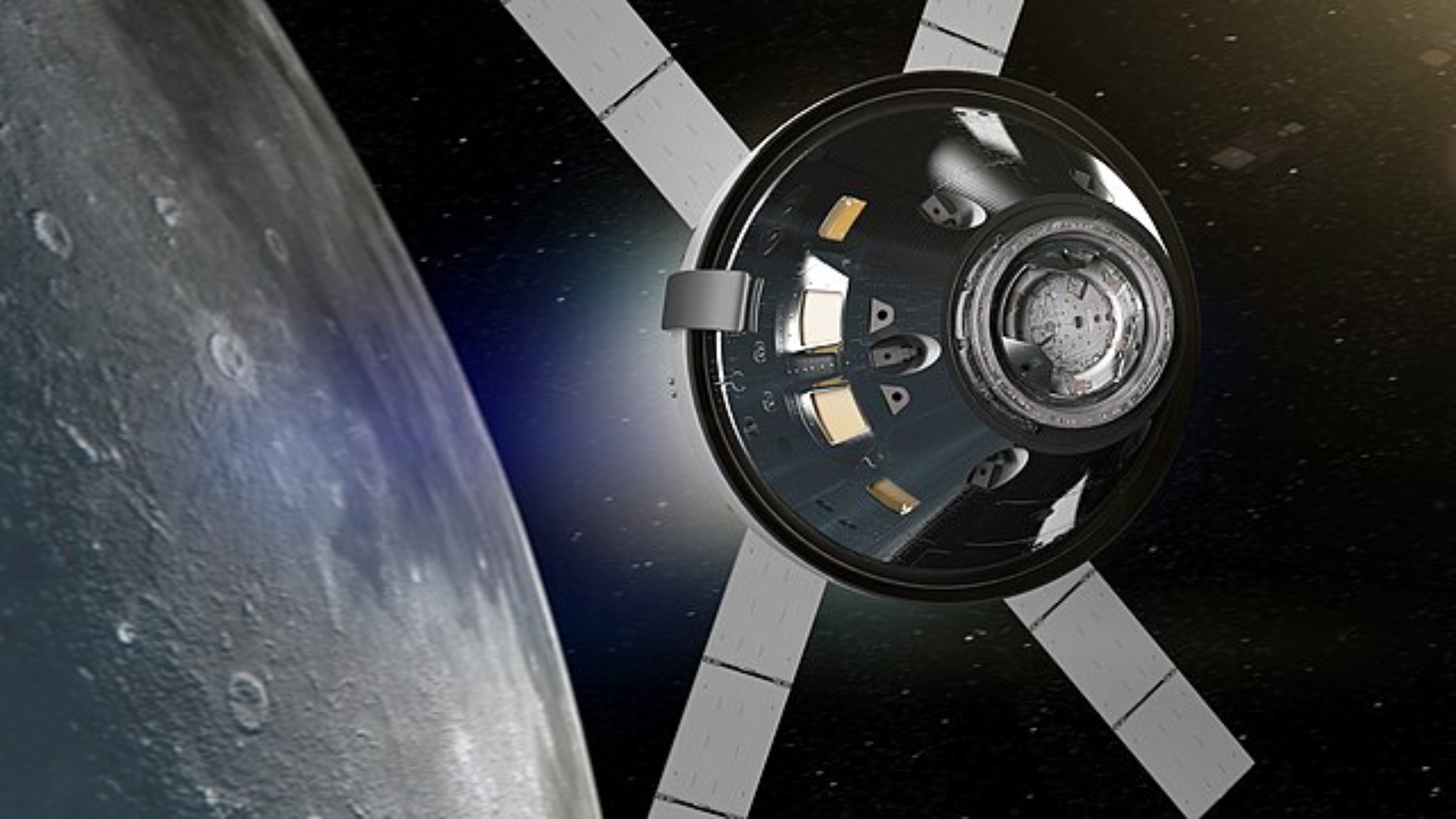
With multiple nations and private companies preparing long-term lunar operations, experts argue that better disposal strategies are becoming essential. Scientists increasingly recommend sending used rocket stages into solar orbit instead of leaving them trapped around Earth and the moon. As international interest in building permanent lunar infrastructure continues growing, responsible management of space junk may become one of the most important challenges facing the future of space exploration.