Scientists Warn as Gulf Oil Spill Spreads Hundreds of Miles, Threatening Wildlife
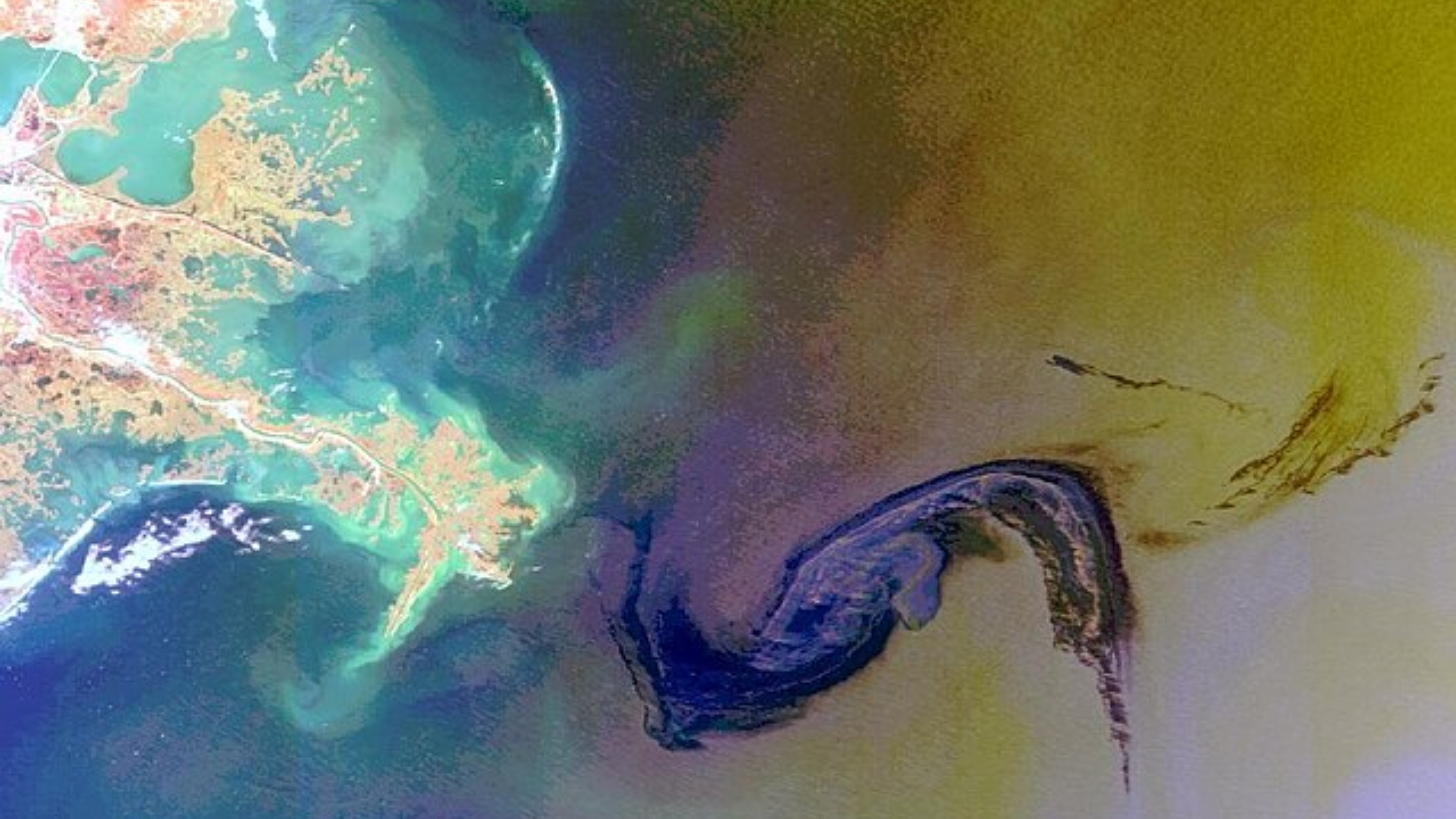

A massive oil spill in the Gulf of Mexico is raising alarm among scientists and environmental groups after spreading hundreds of miles across coastal waters and into protected ecosystems. The spill, first detected in early March, has now extended more than 600 kilometers, or roughly 373 miles, affecting large portions of the coastline and reaching several environmentally sensitive areas.
What makes this situation particularly concerning is that the spill has not remained contained to open water, but has instead reached seven protected natural reserves, where delicate ecosystems are especially vulnerable to contamination. These areas play a crucial role in supporting biodiversity, meaning the spread of oil into these zones could have long-lasting consequences for both marine life and coastal environments.
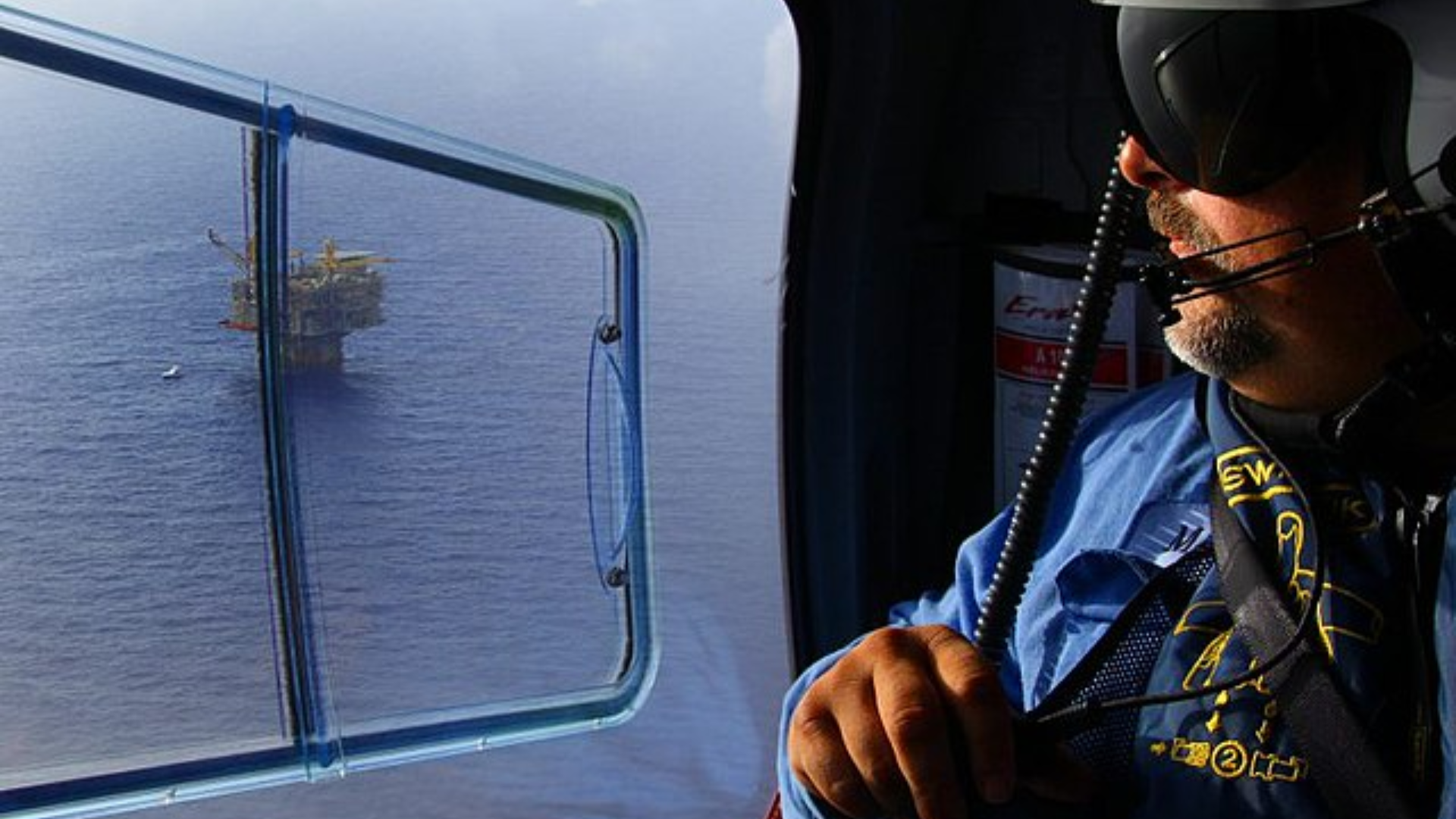
Authorities say the spill appears to have originated from multiple sources, including an unidentified vessel and natural oil seepages, complicating efforts to contain it and determine accountability. As cleanup operations continue, experts warn that the combination of scale, location, and uncertainty surrounding the source makes this incident particularly difficult to manage effectively.
Wildlife And Ecosystems Are Already Feeling The Impact
The environmental toll of the spill is already becoming clear, with reports confirming that multiple species of marine life have been affected by the contamination. Conservation groups say sea turtles, fish, and even a manatee have been killed, while entire reef systems have suffered damage as oil spreads through their fragile structures.
In addition to direct wildlife deaths, the spill has polluted critical habitats that serve as breeding and feeding grounds for numerous species, potentially disrupting entire ecosystems for years to come. Oil contamination can coat plants, poison water sources, and reduce oxygen levels, making it difficult for marine organisms to survive even if they are not immediately killed.
Environmental organizations monitoring the situation have also pointed to damage across at least 17 reef areas, which are particularly sensitive to pollution and slow to recover once harmed. This kind of widespread ecological impact highlights how even a single spill can ripple through interconnected systems, affecting species far beyond the initial contamination zone.
Cleanup Efforts Struggle As Spill Continues To Spread

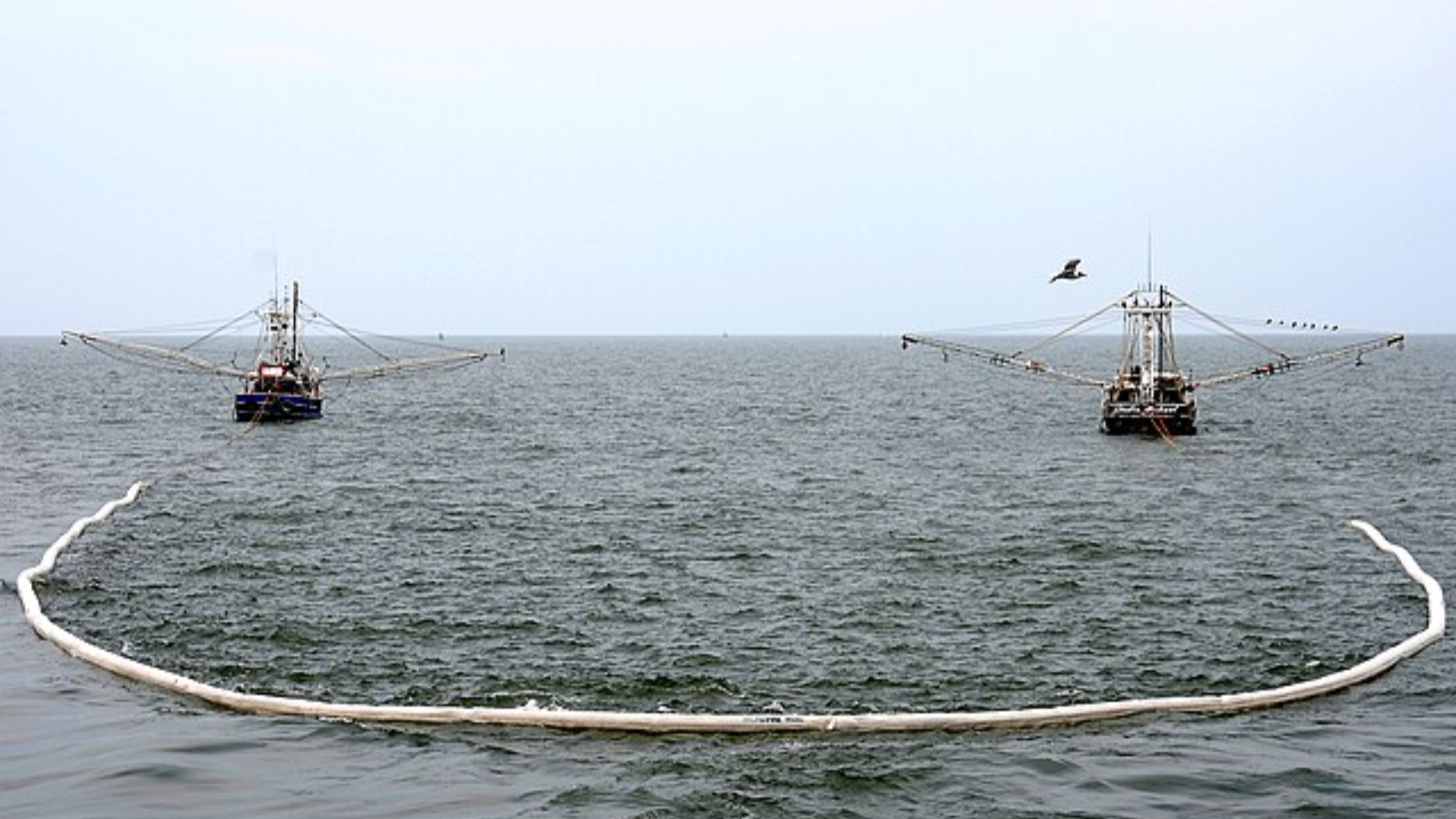
Cleanup operations are underway, but the sheer size and complexity of the spill are making containment efforts extremely challenging for response teams working along the Gulf coast. Authorities report that hundreds of tons of oil residue have already been collected, yet the spill remains active, with new contamination continuing to wash ashore in affected regions.
Part of the difficulty lies in the multiple sources contributing to the spill, including natural seepages that are releasing unusually high amounts of hydrocarbons, as well as a vessel that has yet to be identified. This combination creates a moving target for cleanup crews, as oil continues to enter the water from different points.
Local communities, particularly fishermen, have already begun to feel the economic impact, with fishing activities suspended in some areas due to contamination concerns. This not only threatens livelihoods but also highlights how environmental disasters can quickly evolve into broader social and economic crises.
A Growing Environmental Crisis With Long-Term Consequences
Scientists and environmental experts warn that the full impact of the spill may not be immediately visible, as oil contamination can linger in ecosystems long after cleanup efforts are completed. Even when surface oil is removed, toxins can remain in sediments and marine life, continuing to affect food chains and biodiversity over time.
The spread of this spill into protected reserves underscores the vulnerability of even safeguarded environments when faced with large-scale pollution events. It also raises broader concerns about monitoring, prevention, and accountability, especially when the exact source of the spill remains unclear.
As investigations continue and cleanup efforts move forward, the incident serves as a stark reminder of the risks associated with offshore oil activity and the lasting damage that can result when containment fails. For scientists and conservationists, the priority now is not only stopping the spread, but also preventing similar disasters in the future.